 How-to
Natural Ways to Repel Carpenter Ants From Your Home
Last Updated: November 13, 2026
Quick Summary
To repel carpenter ants naturally, spray equal parts vinegar and water on trails and entry points, dilute peppermint oil with dish soap along cracks, lay diatomaceous earth along wall edges and under sinks, and set borax bait that foragers carry to the nest. Seal exterior cracks, fix moisture, and keep counters clean.
- Carpenter ants have a pinched waist and bent antennae, unlike termites.
- Vinegar spray disrupts ant trails but won't touch the colony.
- A bead of exterior caulk closes the most common entry points.
- Peppermint, vinegar, and citrus are deterrents, not colony treatments.
- If natural methods fail after a few weeks, contact a licensed pest control professional.
Table of Contents
- Natural Ways to Repel Carpenter Ants Indoors
- Natural Ways to Repel Carpenter Ants Outside
- What Smell Do Carpenter Ants Hate?
- Frequently Asked Questions
Natural Ways to Repel Carpenter Ants Indoors
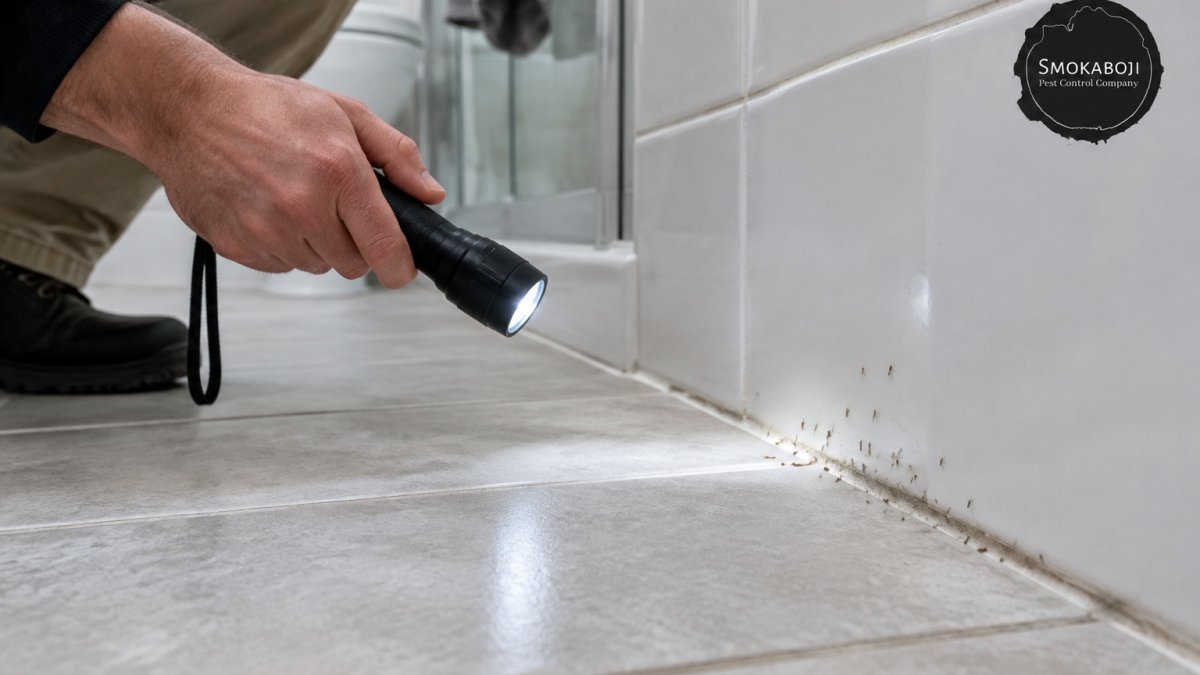
Natural ways to repel carpenter ants start with understanding the pest: they don't eat wood but tunnel through moisture-softened grain, so sawdust or rustling in a wall usually means a satellite colony is established.
Confirm what you're dealing with first. Carpenter ants look different from termites: carpenter ants have a pinched waist, bent antennae, and a rounded back; termites have a broad waist and straight antennae.
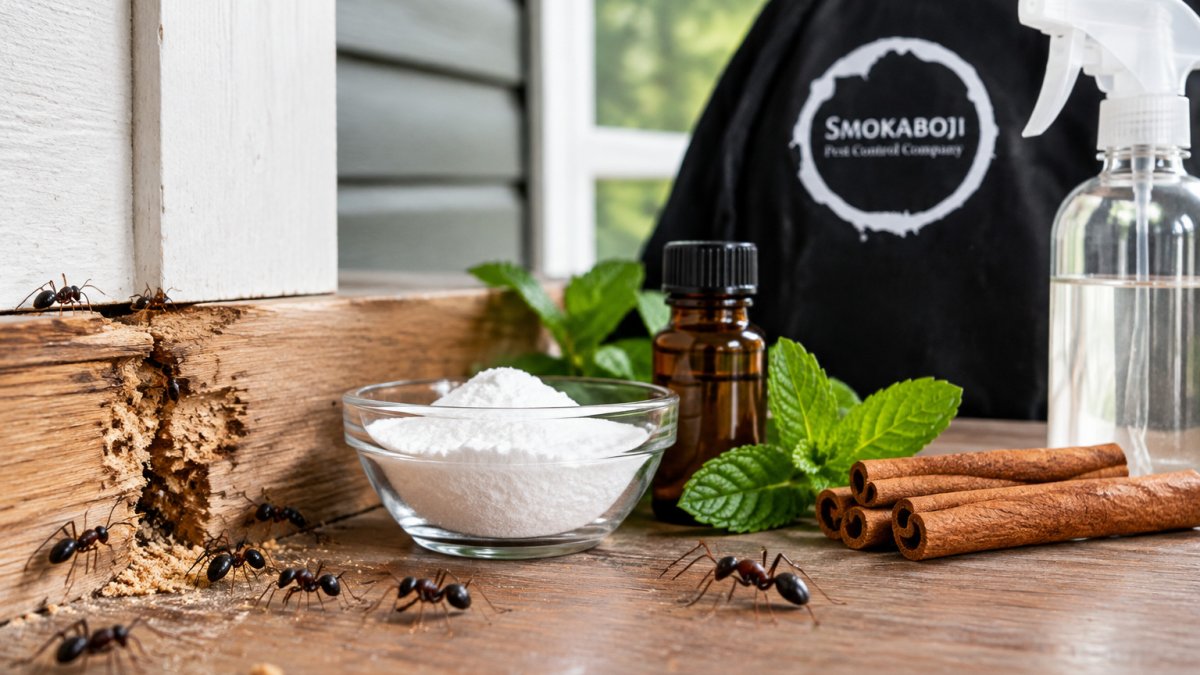
- Vinegar and water spray: Equal parts on trails and entry points disrupts trails but won't touch the colony.
- Peppermint oil: A few drops diluted in water with dish soap along cracks; ants avoid the scent.
- Diatomaceous earth: A thin dry layer along wall edges and under sinks dehydrates ants.
- Borax bait: Borax, sugar, and water as a paste; foragers carry it to the nest. Keep away from children and pets.
Sanitation matters as much as any spray: wipe counters, seal food, fix drips, clear crumbs.
For a wider menu of low-risk options, this roundup of non-toxic pest control picks covers what works.
Here are the indoor remedies the article describes and what each one does.
| Method | How to apply | What it does |
|---|---|---|
| Vinegar and water spray | Equal parts on trails and entry points | Disrupts trails but won't touch the colony |
| Peppermint oil | A few drops diluted in water with dish soap along cracks | Ants avoid the scent |
| Diatomaceous earth | Thin dry layer along wall edges and under sinks | Dehydrates ants |
| Borax bait | Borax, sugar, and water as a paste | Foragers carry it to the nest; keep away from children and pets |
Natural Ways to Repel Carpenter Ants Outside
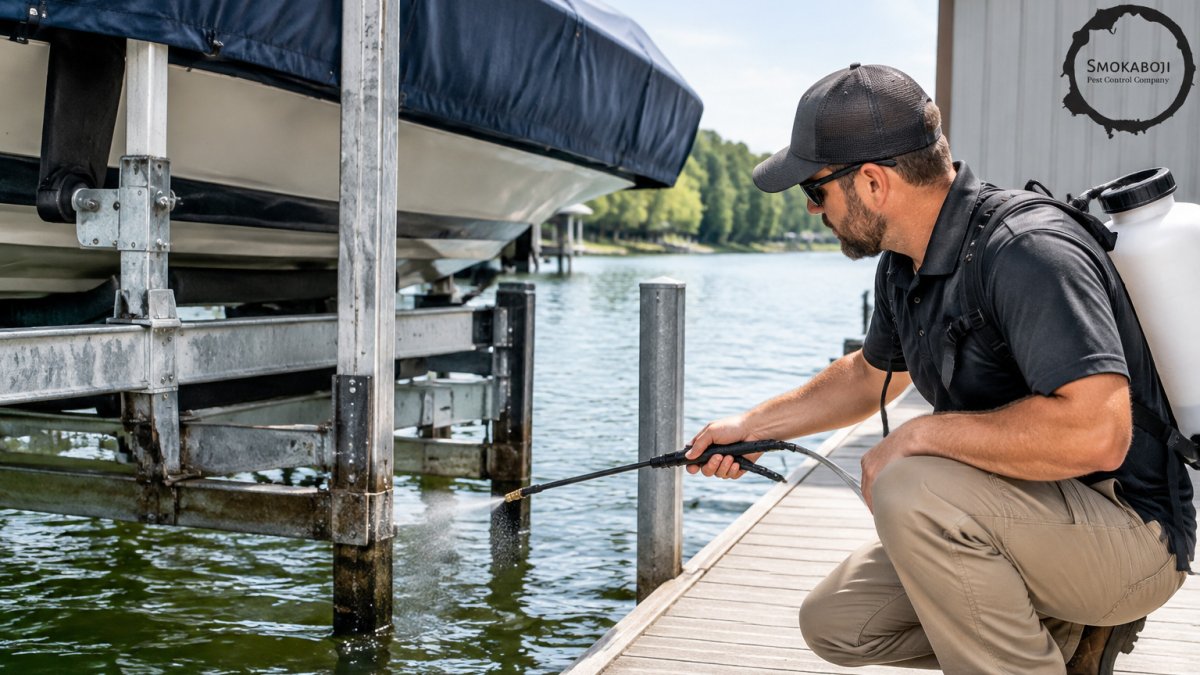
Outdoor work is where you win or lose. Carpenter ants nest in damp wood, stumps, mulch, and firewood, so repelling them outside means removing those conditions.
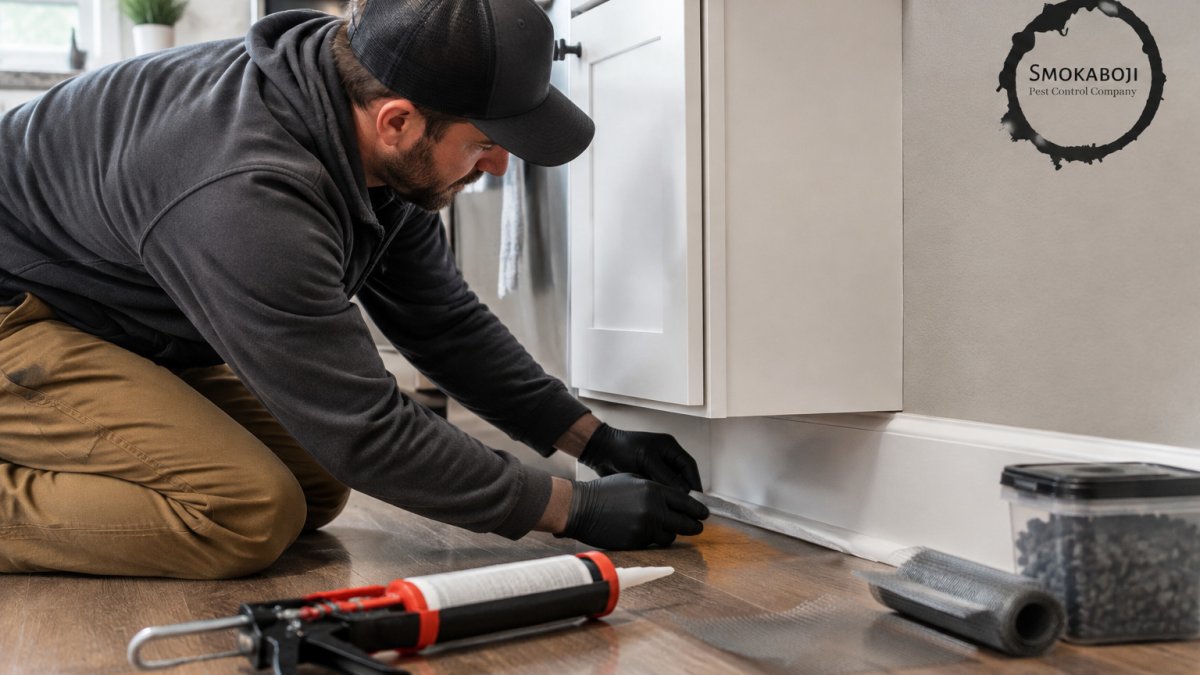
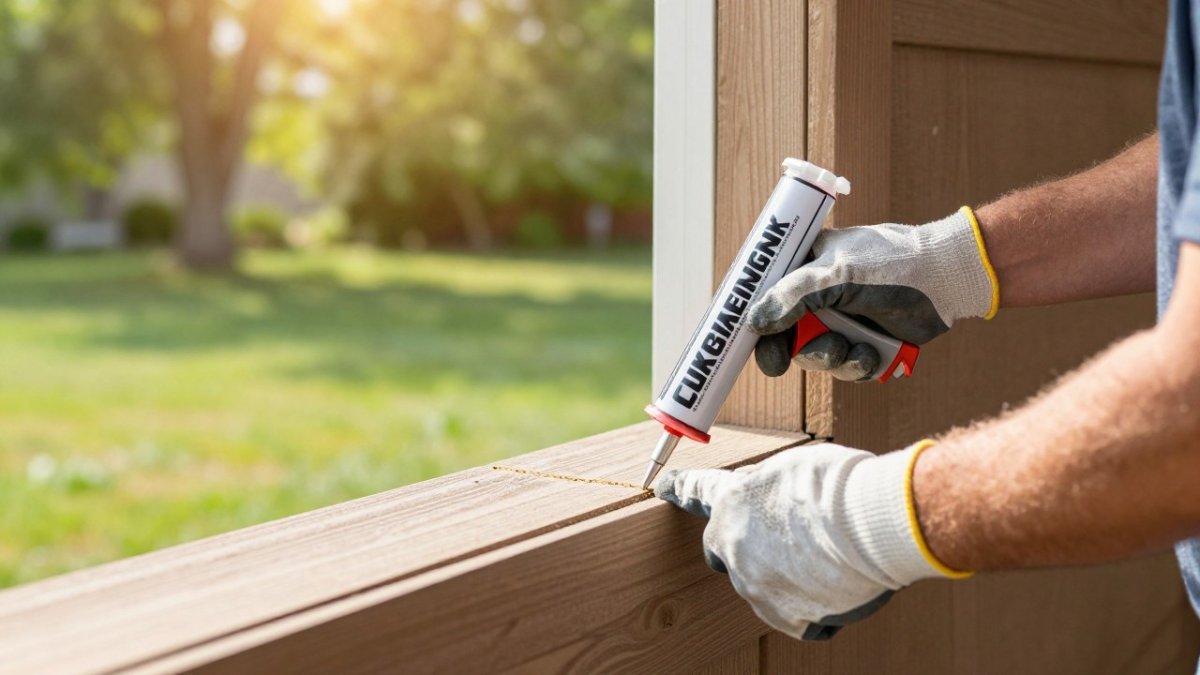
Seal what you find. A bead of exterior caulk along cracks and gaps closes the most common entry points. Sealing your foundation properly beats any spray because it removes access entirely.
Then address moisture. A wet basement or leaking gutter creates exactly the damp wood they want. Keeping basement humidity in check makes the structure less attractive.
For larger properties, natural barriers help: diatomaceous earth along the foundation line, gravel strips instead of mulch, and trimmed branches that no longer touch the roof. This guide to natural pest barriers for rural properties walks through the options.
Outdoor repellents may buy time but generally do not remove a colony inside a wall or under a deck.
What Smell Do Carpenter Ants Hate?
Peppermint oil is one scent commonly mentioned for repelling carpenter ants, along with vinegar and citrus. These scents can disrupt scent trails, but their effect is temporary.
A smell that repels foragers is not a treatment that eliminates a colony: peppermint, vinegar, and citrus are deterrents, while borax bait and diatomaceous earth are control methods.
- Spray peppermint or vinegar along entry points and trails, reapplying after rain or cleaning
- Pair repellents with bait stations out of reach of pets and kids
- Fix moisture and seal gaps so ants have fewer reasons to return
If natural methods fail after a few weeks, or you find frass or hear ants inside a wall, consider contacting a licensed pest control professional for help locating and treating the nest.
Carpenter ants are patient, and a colony inside a wall won't leave because of a peppermint spray. If you've tried the natural route and the ants keep coming back, our licensed and insured technicians can find the nest, treat it, and set up a preventative maintenance plan so it doesn't happen again. We offer customized treatment plans and prompt response for urgent problems across Northwest Iowa and Southwest Minnesota. Get started with Smokaboji Pest Control and put an end to the trail for good.
Frequently Asked Questions
What smell do carpenter ants hate?
Carpenter ants avoid strong scents like peppermint oil, vinegar, and citrus. These smells can discourage foraging ants from crossing treated areas, but they do not kill the colony. A peppermint oil and water spray along entry points and ant trails may help repel carpenter ants short term. Reapply after rain or every few days, and pair it with moisture control and sealed gaps to keep ants from returning.
Does borax kill carpenter ants or just repel them?
Borax works as a slow-acting stomach poison when mixed into a sugar bait. Foraging ants may carry it back to the nest. Keep baits out of reach of children and pets, and place them near trails rather than directly on the nest.
When should I call a professional for carpenter ants?
Call a licensed pest control company if you see winged ants indoors, find frass or wood damage, or notice ants returning after two weeks of DIY treatment. These signs point to an established colony inside the structure. Smokaboji Pest Control serves Northwest Iowa and Southwest Minnesota with licensed technicians and preventative maintenance plans to stop reinfestation.