 How-to
7 No-Poison Ways to Keep Mice Out of Your House
Last Updated: November 18, 2026
Quick Summary
To prevent mice without poison, inspect your basement, kitchen, attic, and exterior for gaps, then seal every opening with hard materials like steel wool, copper mesh, or hardware cloth rather than soft filler mice can chew through. Remove food, water, and shelter by storing food in glass or metal containers, keeping compost away from the house, clearing clutter, and trimming vegetation back from the foundation.
- A house mouse needs only a pencil-width gap, so a careful inspection is the place to start.
- Rank openings by size and proximity to food or shelter, and fix the big, low gaps first.
- Stuff gaps with steel wool or metal mesh, cover with caulk or spray foam, and add lath screen over larger openings.
- Mice climb well, so check the roof line and porch for high entry points too.
- Recheck entry points after one month, then each season, since mice return when a new gap opens.
Table of Contents
- How to Prevent Mice Without Poison in House: Start With a Room-by-Room Inspection
- How to Seal Up to Prevent Rodents at Every Entry Point
- Natural Mouse Deterrents, Sanitation, and How to Get Rid of Mice Without Poison or Traps
- Frequently Asked Questions
How to Prevent Mice Without Poison in House: Start With a Room-by-Room Inspection
Learning how to prevent mice without poison starts with one truth: you cannot block a hole you have not found. Mice can squeeze through gaps you have never noticed.
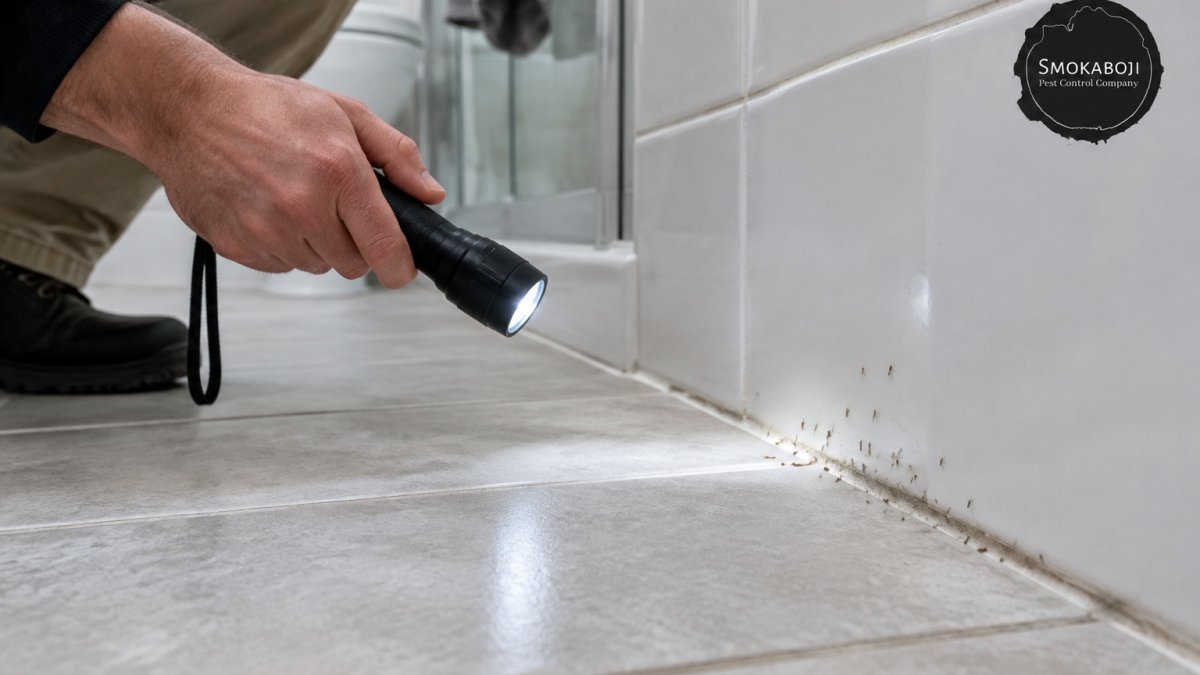
A house mouse needs only a pencil-width gap, so a careful inspection is the place to start. Check the basement, kitchen, attic, and exterior, rank each opening by size and proximity to food or shelter, and fix the big, low gaps first.
Start by inspecting these areas and ranking what you find before you seal anything.
| Area to check | What to look for |
|---|---|
| Basement | Gaps and openings, ranked by size and proximity to food or shelter |
| Kitchen | Gaps and openings, ranked by size and proximity to food or shelter |
| Attic | Gaps and openings, ranked by size and proximity to food or shelter |
| Exterior | Gaps and openings, ranked by size and proximity to food or shelter |
| Roof line and porch | High entry points, since mice climb well |
How to Seal Up to Prevent Rodents at Every Entry Point
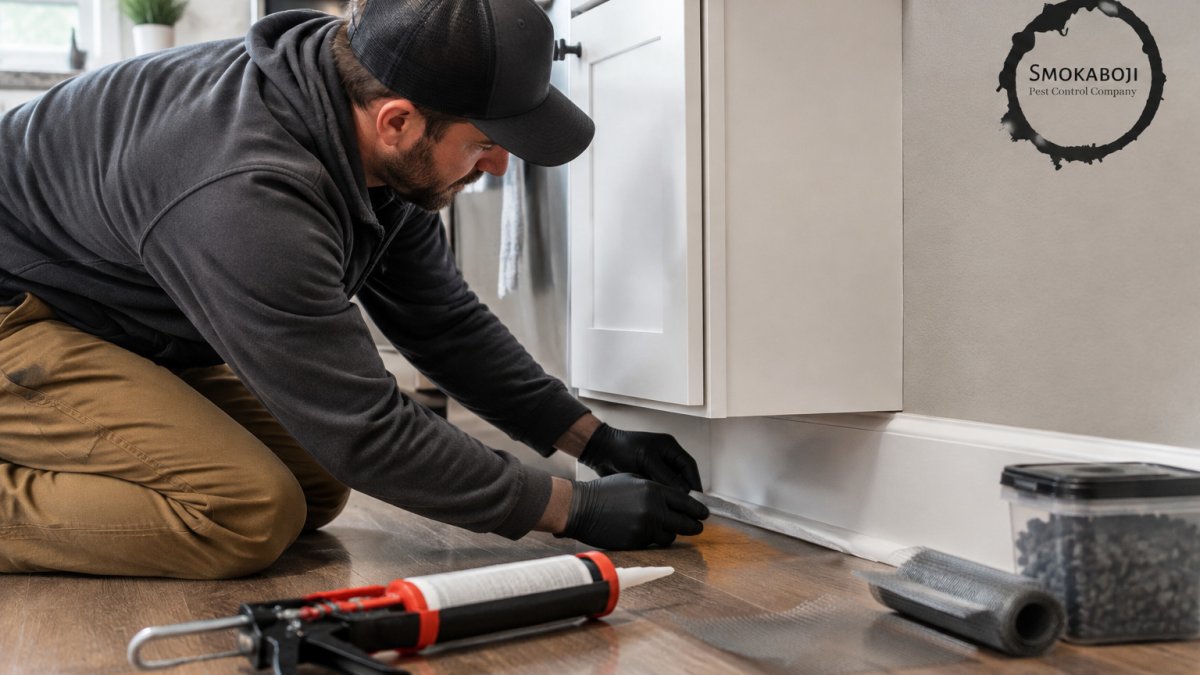
To seal up to prevent rodents, pack hard materials into every gap, not soft filler alone. Mice can chew through soft materials such as foam and cloth, while steel wool, copper mesh, and hardware cloth are harder for them to get through.
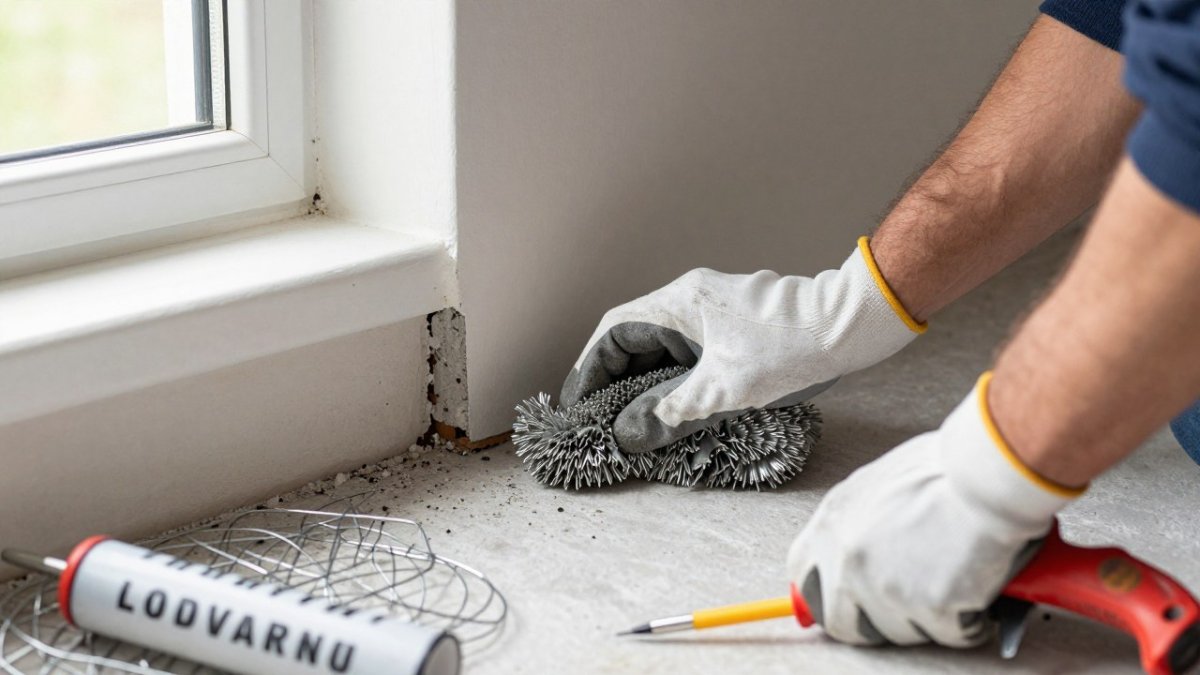
Stuff the gap with steel wool or metal mesh, cover it with caulk or spray foam, and add lath screen over larger openings like vents and weep holes. For a full walkthrough, see our guide on how to seal a rural home foundation against pests, or our breakdown of natural pest barriers for rural properties. Check the roof line and porch too, mice climb well and enter high.
Natural Mouse Deterrents, Sanitation, and How to Get Rid of Mice Without Poison or Traps
Getting rid of mice without poison or traps means removing the three things they need: food, water, and shelter. Deterrents can help, but sanitation and sealing gaps are the main steps, and deterrents work best as support. For more options, read our list of natural mouse deterrents that actually work in rural homes, our guide to chemical-free ways to keep pests out for good, and our tips on how to use diatomaceous earth for pest control safely. Store food in glass or metal containers, keep compost away from the house, clear clutter, and trim vegetation back from the foundation.
How long does it take to see results?
Activity may decrease over time once gaps are sealed and food is secured. Recheck entry points after one month, then each season, mice return when a new gap opens.
Mice keep finding a way in because small gaps reopen and old ones get missed. Smokaboji Pest Control offers fully licensed and insured technicians, customized treatment plans, and preventative maintenance to keep rodents out for good. Get started with Smokaboji Pest Control and protect your home year-round.
Frequently Asked Questions
What keeps mice away without killing them?
Sealing entry points is the most reliable non-lethal method. Fill gaps wider than a quarter inch with steel wool, wire mesh, or caulk, then remove food sources and clutter that give mice shelter. Natural deterrents such as peppermint oil may discourage mice from an area, though they are not a substitute for sealing entry points. A professional inspection can help identify gaps that may be missed around the foundation, roof line, and utility penetrations.
Can you get rid of mice without poison or traps?
You can reduce and exclude mice without poison or traps by sealing every gap wider than a quarter inch, storing food in hard containers, clearing clutter, and trimming vegetation away from the foundation. This approach works best before an infestation takes hold. If mice are already established indoors, exclusion alone may not remove them, and a pest control professional can assess the situation.
How can I tell if mice are still in my home after sealing?
Check for fresh droppings along walls and in cabinets, new gnaw marks on packaging or wiring, and greasy rub marks near entry points. Place a light dusting of flour along suspected travel paths and look for tracks overnight. If activity continues two weeks after sealing, mice may be entering through a gap you missed or already living inside.