 blog
blog
Natural Pest Barriers for Rural Properties
Table of Contents
- Why Natural Pest Barriers Matter for Rural Properties
- Natural Pest Barriers for Gardens and Landscaping
- Physical and DIY Pest Barriers That Work
- Frequently Asked Questions
Last Updated: October 6, 2026
Why Natural Pest Barriers Matter for Rural Properties
Natural pest barriers are physical or biological methods that keep pests out without chemical pesticides, protecting rural gardens, livestock areas, and buildings from rodents, insects, and wildlife.
Farms, outbuildings, and open land attract more pests than suburban homes, and distance from neighbors lets problems escalate fast. Natural pest barriers protect animals, children, and water sources long-term.
At Smokaboji Pest Control, we've helped rural property owners across Northwest Iowa and Southwest Minnesota with recurring infestations. The most effective approach combines multiple barrier types tailored to your pests and property layout.
Natural Pest Barriers for Gardens and Landscaping
Lavender, marigolds, basil, mint, rosemary, sage, citronella grass, and catmint deter common garden pests. Plant them in rows along garden edges, building foundations, and entry points.

Mulch acts as a barrier and habitat modifier: plastic mulch blocks rodents and insects, while organic mulch like wood chips or straw works too but needs refreshing. Create clear edges between landscaped areas and wild brush with landscape fabric or hardscape barriers to cut pest movement toward your home or outbuildings.
Physical and DIY Pest Barriers That Work
Hardware cloth buried 6-12 inches deep and extending above ground stops burrowing rodents. Pest-exclusion fencing uses 1/4-inch or smaller mesh for rodents, buried 12 inches deep with the bottom angled outward 90 degrees.
Row covers and netting protect plants during vulnerable growth stages, letting sunlight and water through while blocking insects. Install them before pests arrive, seal all edges, and remove once plants are established or pollinators are needed.
Caulk and seal gaps, since rodents squeeze through openings as small as 1/4 inch (the CDC). Inspect foundations, utility penetrations, and building seams regularly with exterior-rated caulk.
Biological controls introduce natural predators or parasites: beneficial nematodes kill soil-dwelling larvae, and parasitic wasps target aphids and soft-bodied insects. They work best within an integrated pest management approach, and your local extension office can recommend regional species.
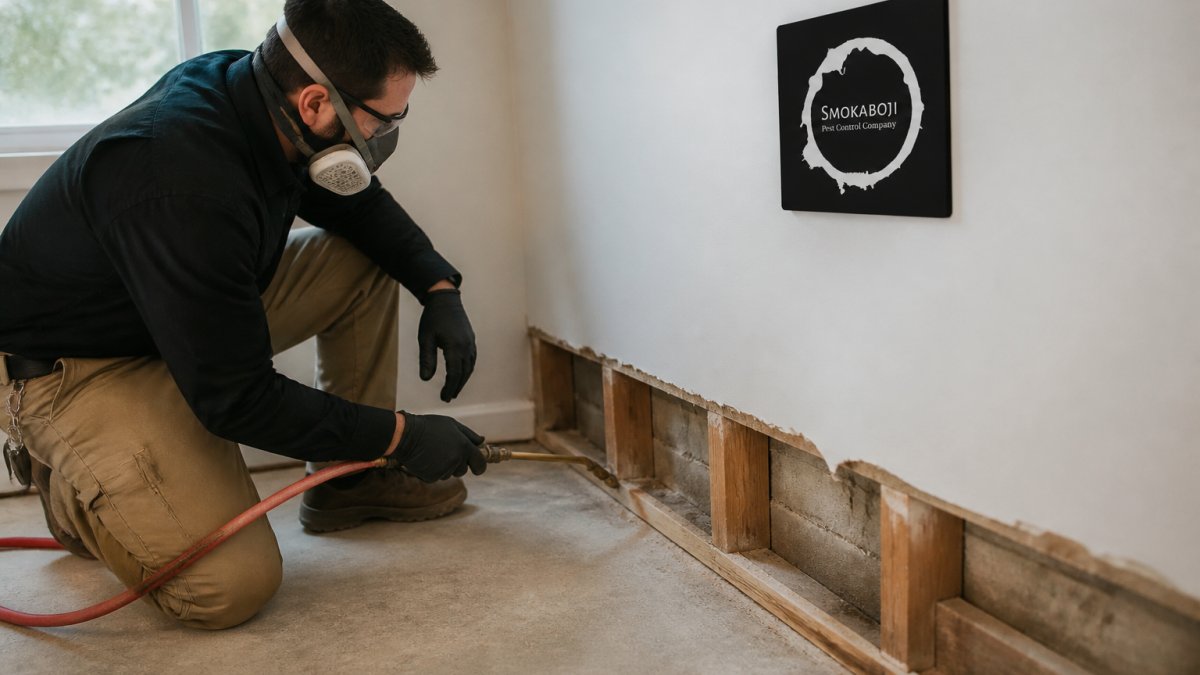
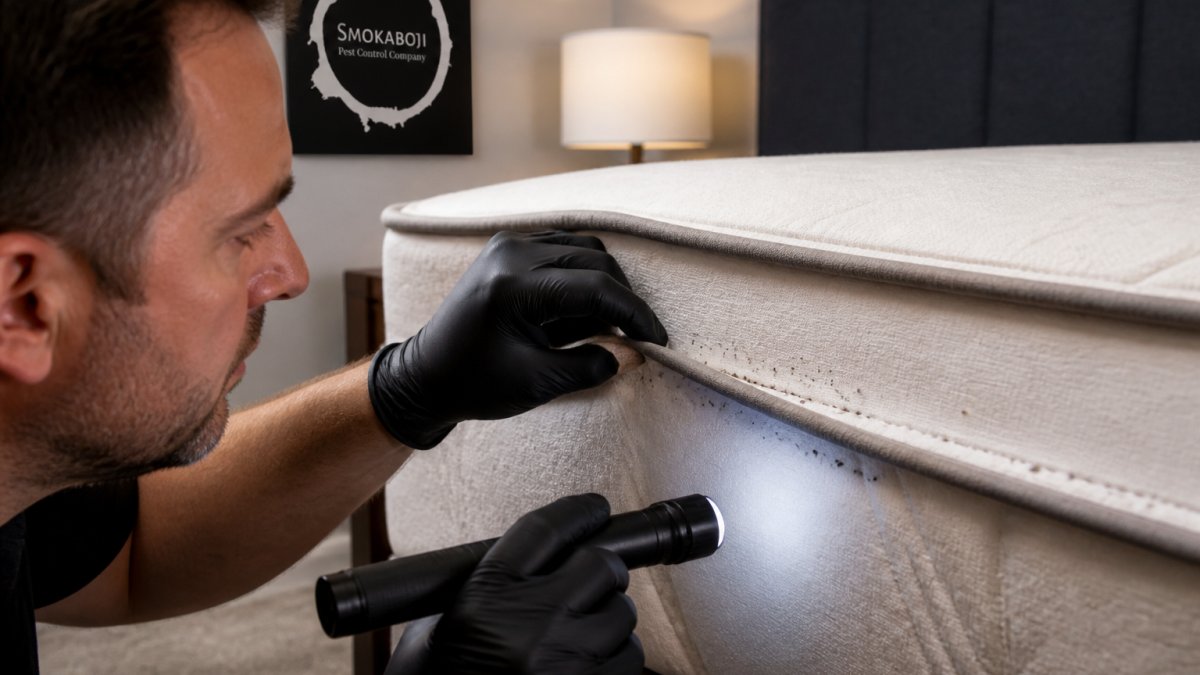
For serious infestations, professional pest management combines methods. Smokaboji Pest Control offers customized plans integrating natural barriers with targeted interventions; our licensed technicians assess your property, identify entry points, and design barriers for your situation, whether it's a barn, dock, or garden.
Natural pest barriers work best installed correctly and maintained consistently. Match barriers to your pests and property layout, monitor results over 4-6 weeks, and adjust as needed. For severe infestations, professional guidance ensures barriers stop pests rather than slow them down. Contact Smokaboji Pest Control to discuss which natural barriers suit your rural property.
Frequently Asked Questions
What are the most effective natural pest barriers for rural homes?
The most effective natural pest barriers combine multiple approaches: repellent plants like lavender and marigolds around garden edges, physical barriers such as copper mesh and fine-mesh netting, and proper mulch management. For rodents, seal gaps with steel wool and caulk, maintain clear perimeters around buildings, and use diatomaceous earth in crawl spaces. Combining these methods creates integrated pest management that reduces reliance on chemical treatments while protecting your rural property year-round.
How do DIY pest barriers compare to professional pest control?
DIY pest barriers work well for prevention and minor infestations but have limitations. Natural repellents and physical barriers require consistent maintenance and may not eliminate established pest populations. For severe infestations, recurring spider problems at docks, or commercial properties, professional pest control delivers faster results and lasting protection. Many rural homeowners use DIY barriers as a first line of defense, then contact a licensed pest control service when natural methods prove insufficient or time-sensitive solutions are needed.
Are natural pest barriers safe for livestock, pets, and pollinators?
Most natural pest barriers are safe when used correctly. Diatomaceous earth and neem oil are pet-friendly when applied to non-edible areas, though keep livestock away during application. Repellent plants like basil and mint are non-toxic. Physical barriers such as mesh and copper strips pose no chemical risk. Always keep beneficial insects and pollinators in mind, avoid broad-spectrum treatments near flowering plants. If you're uncertain about safety on your specific farm or property, consult a licensed pest control professional who can recommend barrier methods compatible with your animals and environment.