 How-to
How to Seal a Rural Home Foundation Against Pests
Last Updated: October 27, 2026
Quick Summary
To seal foundation gaps against pests, inspect the exterior for cracks, gaps at siding joints, and openings around utility lines, then clean each one and fill it. Use concrete repair filler for wider cracks and silicone or polyurethane sealant for narrow ones, and press steel or copper mesh into openings over 1/4 inch before sealing.
- Inspect in daylight, checking the base, siding junctions, and utility line entry points.
- Clean out dirt and debris first, because sealant will not bond to dust.
- Use concrete repair filler for wider cracks and silicone or polyurethane for narrower ones.
- Press steel or copper mesh into openings over 1/4 inch, since rodents can chew through sealants.
- Have a structural professional check any crack wider than a pencil before covering it.
Table of Contents
- How to Inspect a Foundation for Pest Entry Points
- How to Seal Foundation Cracks Against Pests
- Seal Gaps Around Pipes to Prevent Pests and Start Your Rural Home Plan
- Frequently Asked Questions
Pests rarely break down a rural home's foundation in a single night. They find a crack, a gap around a pipe, or a worn-down sill plate, and taking the time to seal foundation weak points keeps them from working at it. Sealing those entry points is one of the most effective steps a homeowner can take, and most people can start on a weekend.
How to Inspect a Foundation for Pest Entry Points
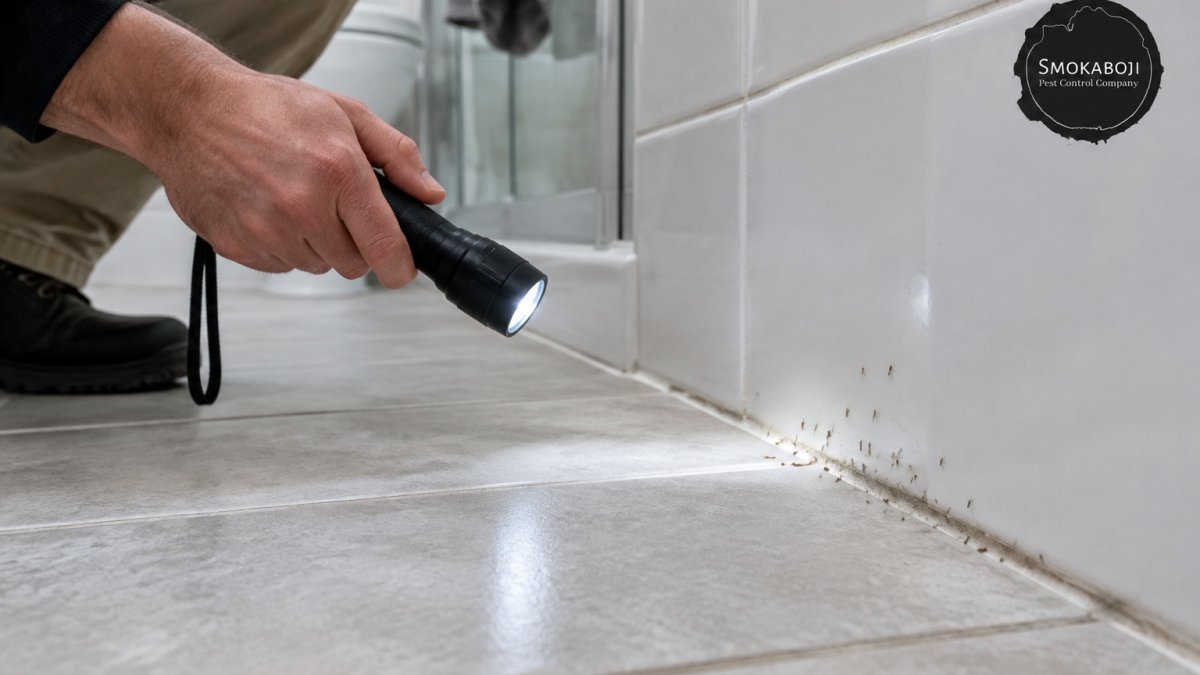
Walk around the outside of the house during daylight. You can also review natural pest barriers for rural properties that work alongside crack and gap sealing. Check the base of the foundation, the foundation-to-siding junction, and where utility lines enter. Mark each gap, crack, or opening you find.
Watch for cracks wider than a few hairline marks, gaps where siding meets the foundation, holes around electrical, water, and gas lines, and damaged or missing weep screens and vent covers.
Check inside too. Look along crawl space or basement rim joists for daylight, droppings, or sawdust-like frass, which signals wood-boring insects. If you see it, call a licensed professional before you seal anything.
How to Seal Foundation Cracks Against Pests
Clean each crack first: brush out loose dirt and debris, then vacuum. Sealant will not bond to dust.
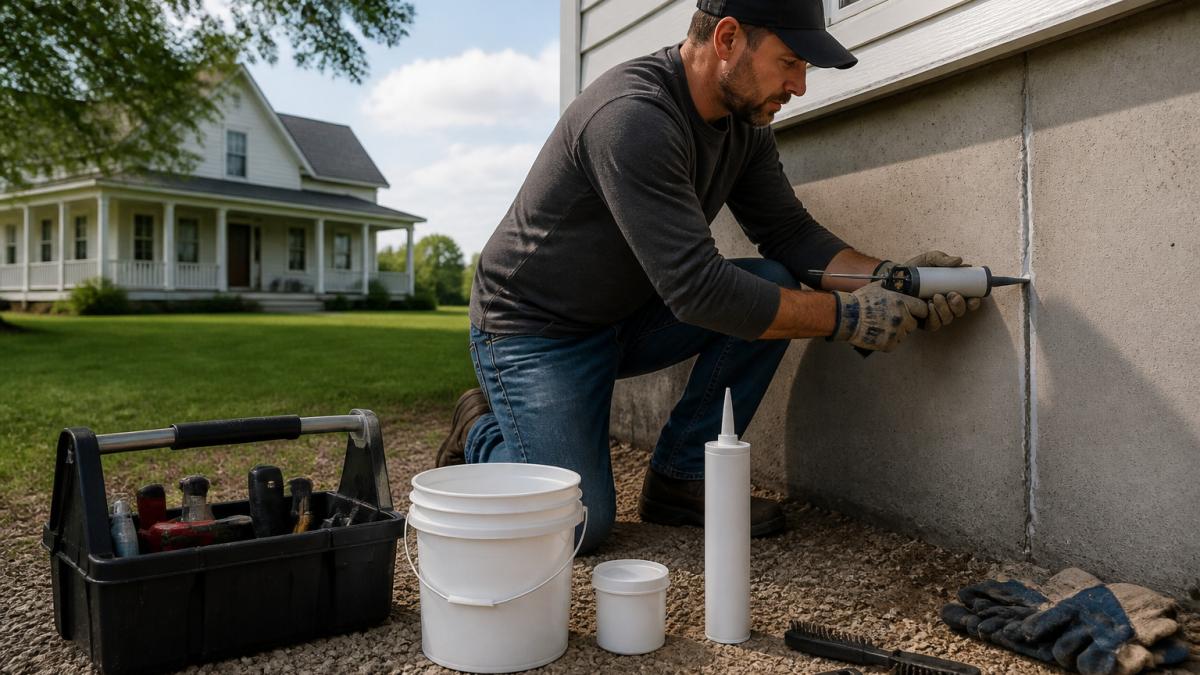
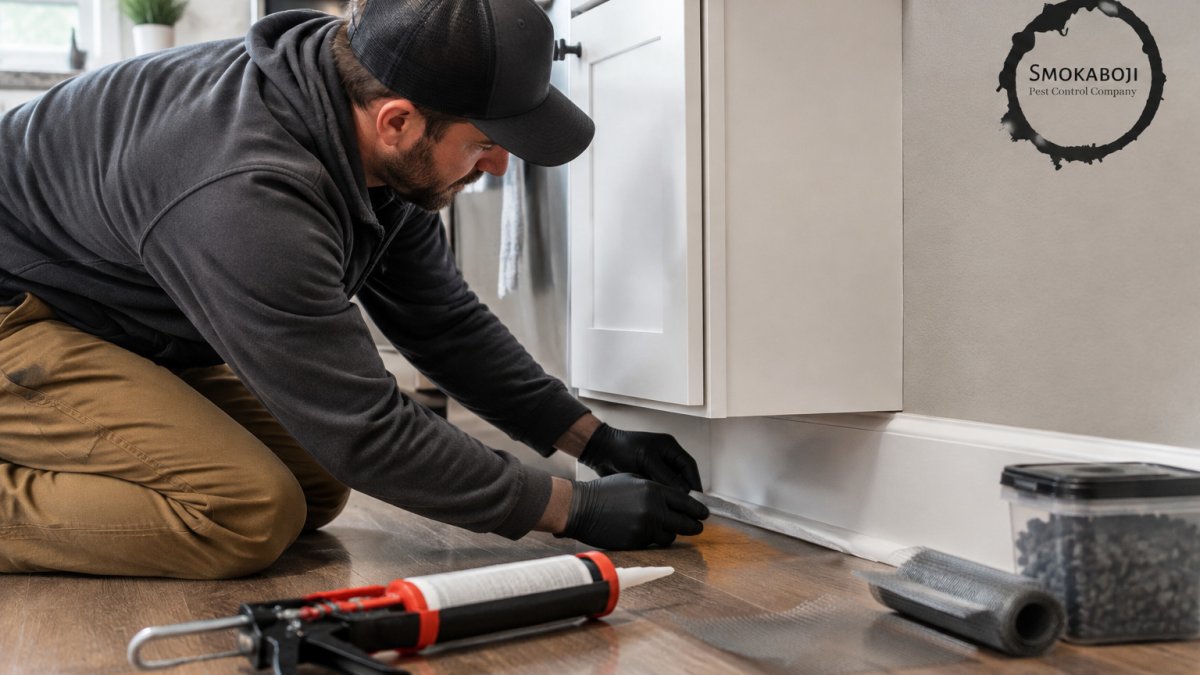
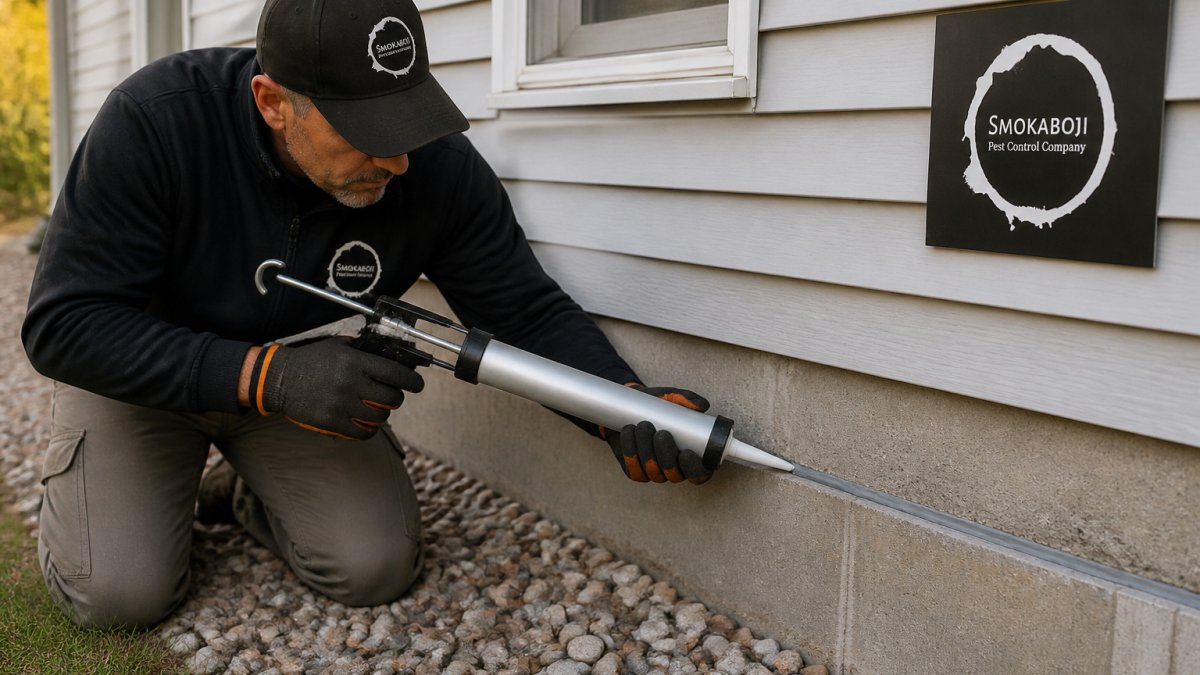
Match the material to the gap: concrete repair filler for wider cracks, silicone or polyurethane sealant for narrower ones. For openings larger than about 1/4 inch, press in steel or copper mesh first, rodents can chew through most sealants.
Follow the label for drying times and temperature limits, and work on a dry day above the minimum temperature listed. Once cured, reapply where the seal has pulled away.
Watch out: Foundation cracks can signal structural movement. If a crack is wider than a pencil or keeps growing, have a structural professional look at it before you cover it up.
The article's sealing guidance comes down to matching the material to the size of the gap.
| Gap size | Recommended material | Extra step |
|---|---|---|
| Wider cracks | Concrete repair filler | Press in steel or copper mesh first if opening is over 1/4 inch |
| Narrower cracks | Silicone or polyurethane sealant | Clean out dirt and debris first |
| Openings over 1/4 inch | Steel or copper mesh | Rodents can chew through most sealants |
| Crack wider than a pencil | Structural professional | Have it checked before covering |
Seal Gaps Around Pipes to Prevent Pests and Start Your Rural Home Plan
Gaps around pipes are easy to miss and easy to fix. Fill the space around each pipe with steel wool or mesh, then cover it with silicone caulk or exterior expanding foam. For the outbuildings and storage structures on the same land, see how to keep rodents out of agricultural storage buildings. Keep the seal flat and smooth so water runs off instead of pooling.
Once the entry points are closed, make a simple yearly plan: inspect the foundation each spring and fall, trim vegetation, keep firewood away from the house, maintain drainage and gutters, and schedule a professional inspection once a year. A seasonal pest prevention checklist for farmhouses can help you spread this work across the year.
Contact us to talk through what your home needs.
Frequently Asked Questions
What is the best way to seal gaps around a home's foundation?
Start by walking the full perimeter and marking every gap wider than about 1/16 inch, the size a mouse can squeeze through a little more easily than you might expect, and roughly 1/4 inch for larger rodents. Clean each opening, then fill it with a concrete repair filler for cracks in masonry or a silicone or polyurethane caulk for gaps around pipes and siding. For openings a rodent could chew through, line them with steel mesh before sealing. Recheck the perimeter each spring and fall, since settling soil can open new gaps.
Should you seal gaps around pipes and utility lines entering the foundation?
Yes. Utility pipes and service penetrations are common entry points because the gap around them is often left open after installation. Check where water, gas, electric and cable lines enter the foundation or crawl space, and fill any space around them with an appropriate sealant. Use steel mesh in larger openings, since mice can chew through foam and soft caulk. Keep the area drained and dry, because moisture attracts insects and makes a home more appealing to pests.
How often should you inspect a home's foundation for pest entry points?
Inspect the foundation at least twice a year, typically in early spring before pests become active and again in late fall before cold weather pushes rodents indoors. Also check after heavy rain, freezing weather, or any soil movement, since these can open new cracks. Pay attention to the foundation-to-siding junction, doors, windows and vents. If you find recurring signs of entry or are unsure whether a crack needs repair, a professional inspection can confirm the problem.