 listicle
Best Non-Toxic Pest Control for Homes: Top Picks
Table of Contents
- Top Non-Toxic Pest Control Products for Homes
- Least Toxic Pest Control and Pet-Safe Options
- Integrated Pest Management for Homes
- Frequently Asked Questions
Last Updated: October 12, 2026
Top Non-Toxic Pest Control Products for Homes
The best non-toxic pest control for homes uses ingredients that pose minimal risk to people, pets, and the environment when used as directed.
The products homeowners use most:
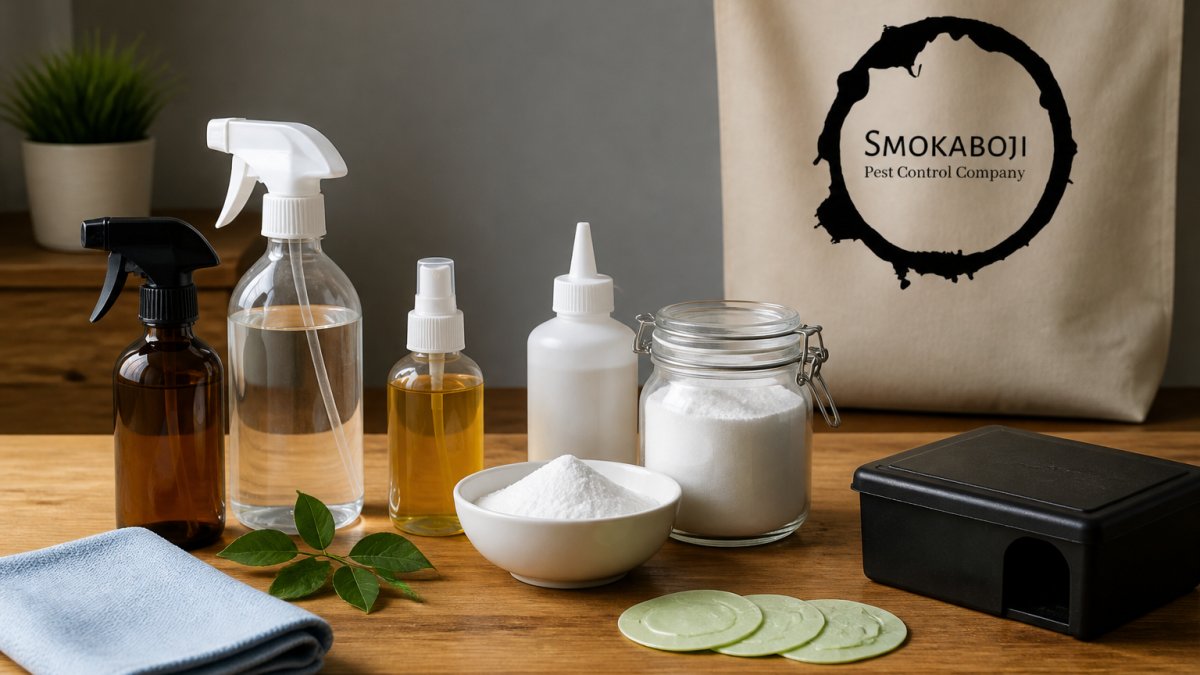
- Wondercide Indoor Pest Control Spray, cedar and lemongrass oil for multiple indoor pests.
- Food-Grade Diatomaceous Earth, damages crawling insects' outer shell in cracks and baseboards.
- Dr. Killigan's Plant-Powered Bug Spray, ants, moths, fruit flies.
- Kate's Home & Garden Peppermint Oil Spray, repels ants and spiders.
- Mighty Mint Peppermint Oil Spider Repellent Spray, spiders, including dock and boat spiders.
- BugMD Bed Bug Spray, bed bugs; treat any spray as a supplement, not a cure.
- Mosquito Dunks, standing water, where mosquitoes breed.
- Milky Spore, lawn grubs, reducing food for digging animals.
- Home Garden Sticky Traps, catch and monitor flying and crawling insects.
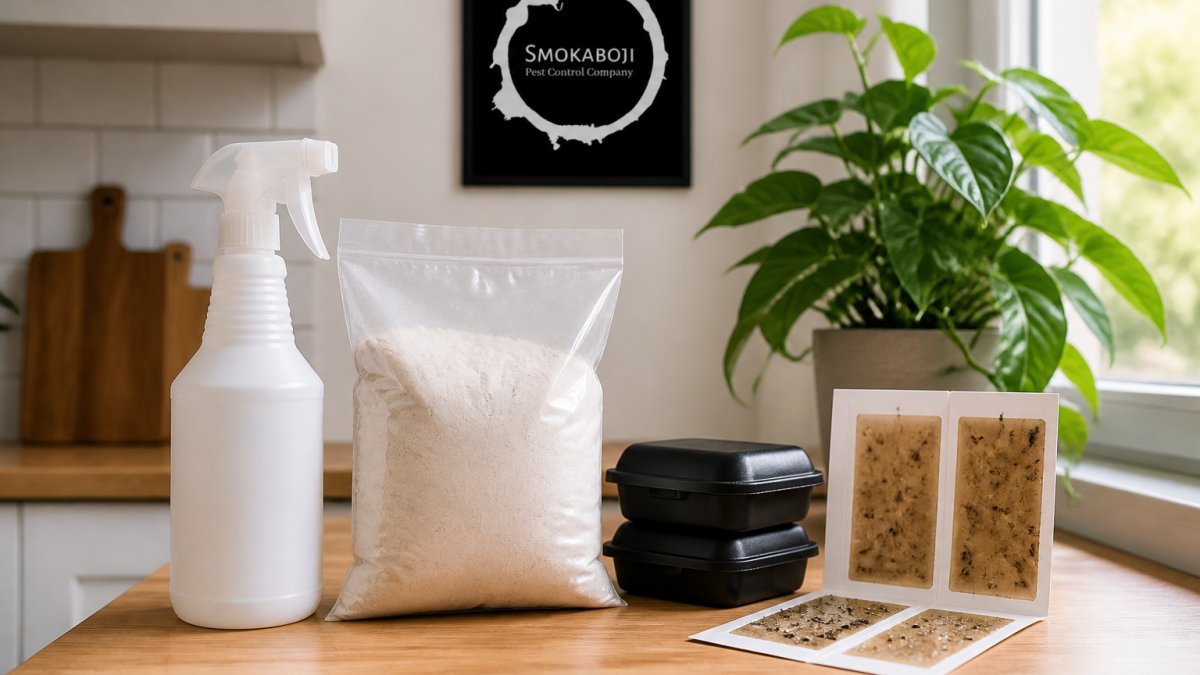
| Product | Type | Target Pests | Best For |
|---|---|---|---|
| Wondercide Spray | Cedar and lemongrass oil spray | Multiple indoor pests | Indoor use |
| Diatomaceous Earth | Powder | Crawling insects | Cracks and baseboards |
| Dr. Killigan's Spray | Plant-powered spray | Ants, moths, fruit flies | Kitchen and pantry |
Least Toxic Pest Control and Pet-Safe Options
Pet-safe pest control means choosing products whose active ingredients carry the lowest risk to animals when used according to the label, which tells you where a product can be applied, how long to keep pets away, and which pests it controls. The EPA guidance on pesticide safety explains how active ingredients are reviewed and what signal words mean.
For households with dogs, cats, or small children, start with botanical repellents like peppermint, lavender, tea tree, and lemon eucalyptus oils, which repel rather than kill. Other options: diatomaceous earth in dry hidden areas, out-of-reach sticky traps, neem oil and insecticidal soap for plants, and Bacillus thuringiensis and spinosad for specific insect groups.
A common mistake is assuming "natural" means "safe at any dose." Essential oils are concentrated, and tea tree oil is not safe around cats, so keep every product out of reach and follow the label.
Integrated Pest Management for Homes
Integrated pest management combines prevention, monitoring, and targeted treatment; the sequence matters more than the products.
- Identify the pest before buying anything.
- Remove food and water sources, seal pantry goods, fix leaks, clear standing water.
- Block entry points, gaps around pipes, foundation cracks, door sweeps.
- Monitor with traps to track activity.
- Treat the smallest area possible with the least-toxic option that fits.
- Escalate to a licensed professional if activity continues after two to three weeks.
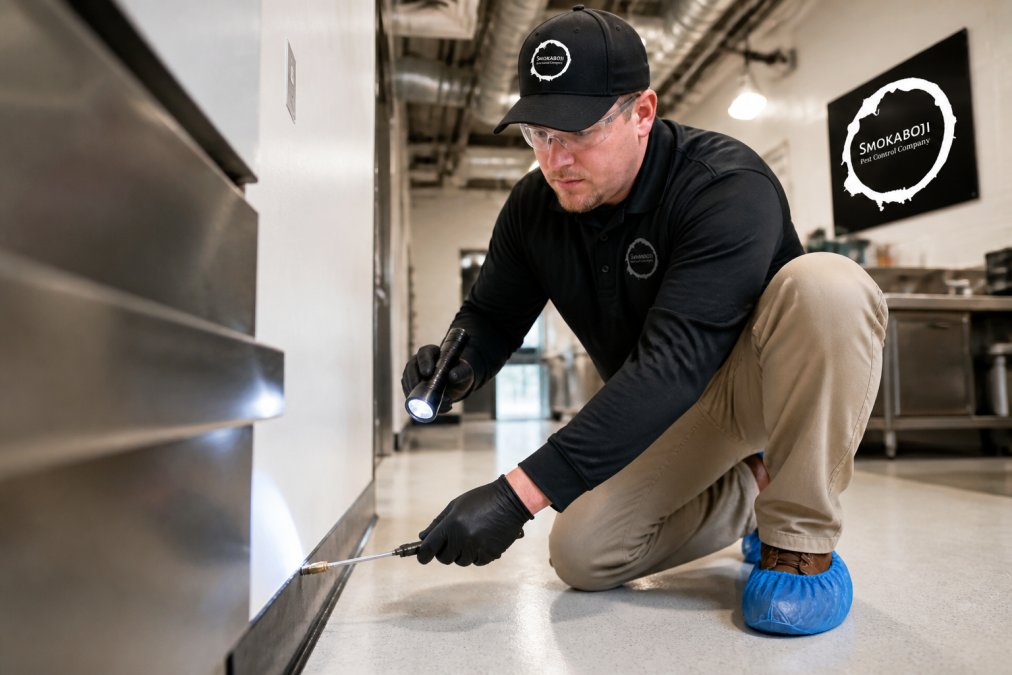
This is the same sequence we use on service calls. For homes on the water, dock and boat spider control follows the same logic: treat the structure, remove harborages, and maintain the barrier through the season.
The honest limitation of every DIY method is reach. Sprays and powders sit on surfaces. Nests, egg cases, and rodent runways sit inside walls and under floors. That gap is where infestations come back.
Recurring pests rarely come down to the product you picked. They come down to what is still hiding where you cannot see it. Smokaboji Pest Control is fully licensed and insured, serves Northwest Iowa and Southwest Minnesota, and builds customized treatment plans with preventative maintenance so the problem does not return next season. Our technicians are available on call for urgent issues, and we back every visit with a 5-star Angi's List rating and an A+ BBB rating. Get started with Smokaboji Pest Control and keep your home pest-free year-round.
Frequently Asked Questions
Are natural pest control products safe to use around pets and children?
Many non-toxic pest control products are formulated to be safer around pets and children when used as directed, but no product is completely risk-free. Always read the label and follow application instructions. For example, diatomaceous earth can irritate lungs if inhaled, so apply it carefully. Peppermint oil sprays may be irritating to cats and dogs if they lick treated surfaces. If you have concerns, consult your veterinarian or choose a professional integrated pest management plan that uses pet-safe pest control methods.
Which non-toxic methods work best for ants, roaches, and spiders?
For ants, bait stations with boric acid (a least toxic pest control option) and diatomaceous earth work well. Roaches can be managed with sticky traps, diatomaceous earth, and gel baits. Spiders are best controlled by removing webs, sealing cracks, and using peppermint oil sprays as a repellent. Combining these with prevention tactics like keeping food sealed and fixing leaks will improve results. If infestations persist, consider a professional integrated pest management for homes plan.
When should you call a pest control professional for a non-toxic treatment plan?
Call a professional when DIY methods fail to reduce pests after a few weeks, when you have a large infestation (such as cockroaches or bed bugs), or when you need a customized plan for your home and family. Professionals can assess the situation, identify entry points, and use least toxic pest control products and integrated pest management for homes strategies. They can also provide ongoing prevention to keep pests from returning.