 How-to
How to Tell if Termite Damage Is Old or Active
Last Updated: November 10, 2026
Quick Summary
Old termite damage looks dry, hollow, and settled, while active termite damage looks soft and moist with recent tunneling. A screwdriver pressed into the wood helps: soft, crumbling wood suggests ongoing activity, while hard, dry wood with a hollow sound points to damage that stopped long ago.
- Soft, crumbling wood on a screwdriver test suggests ongoing termite activity.
- Hard, dry wood with a hollow sound usually means the damage stopped long ago.
- Fresh frass looks like small pellets, while old frass is faded or buried in dust.
- Mud tubes along foundation walls and discarded wings near windows signal recent activity.
- A professional inspection can confirm active damage and recommend a treatment plan.
Table of Contents
- Checking Wood for Signs of Active Termite Infestation
- Termite Frass Identification and Other Clues
- Booking Your Termite Inspection in Northwest Iowa and Southwest Minnesota
- Frequently Asked Questions
Checking Wood for Signs of Active Termite Infestation
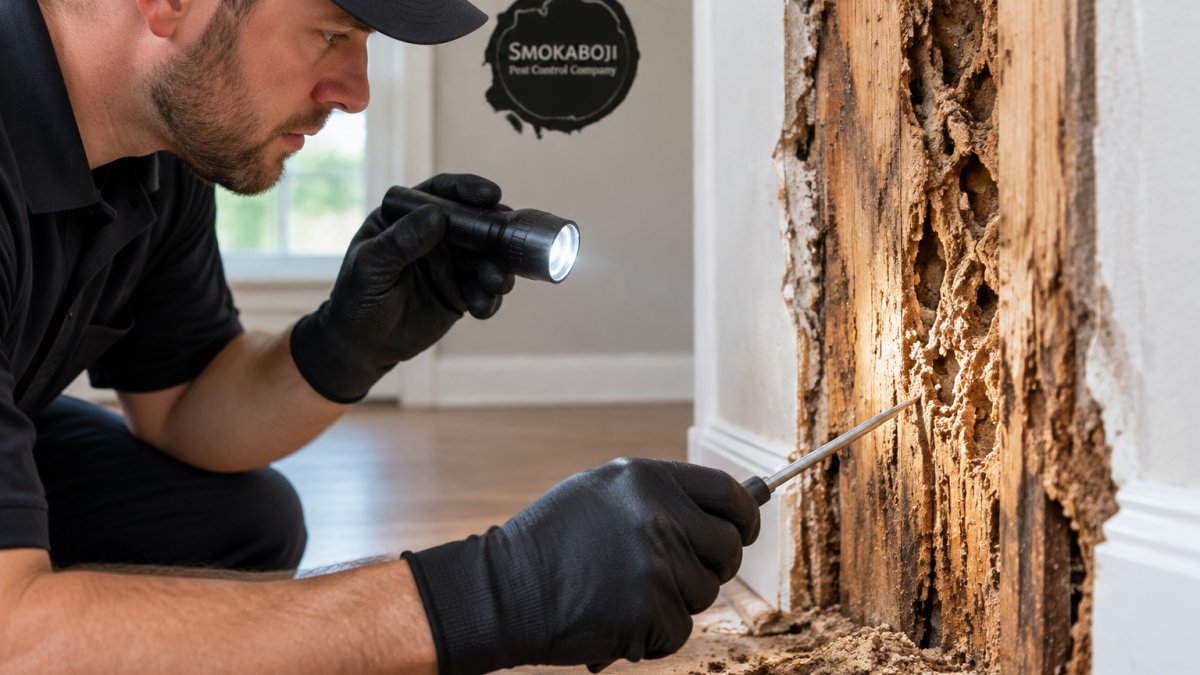
Look for fresh signs first. Active termite damage often shows soft, moist wood and recent tunneling. Old termite damage tends to look dry, hollow, and settled.
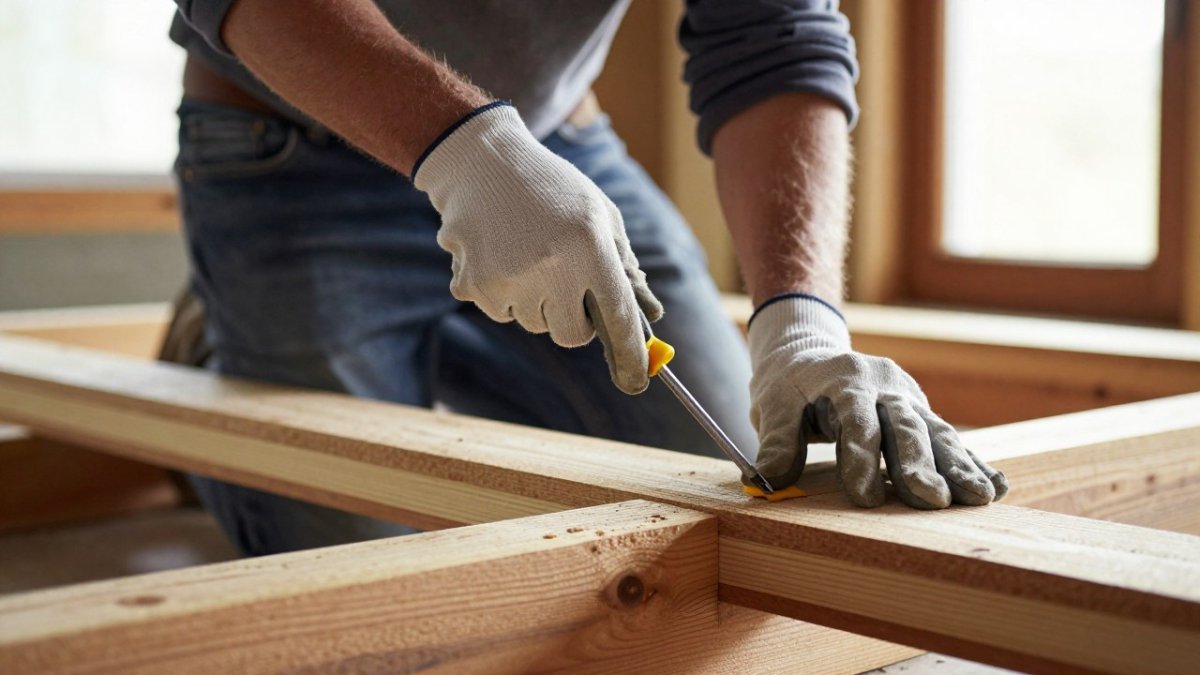
Press a screwdriver into suspect wood. Soft, crumbling wood suggests ongoing activity. Read how to stop termites from returning to your walls. Hard, dry wood with a hollow sound usually points to damage that stopped long ago.
The article distinguishes active termite damage from old damage by how the wood looks and sounds.
| Sign | Active damage | Old damage |
|---|---|---|
| Wood texture | Soft, moist | Dry, hollow |
| Screwdriver test | Soft, crumbling wood | Hard wood |
| Sound | Not hollow | Hollow sound |
| Tunneling | Recent | Not recent |
Termite Frass Identification and Other Clues
Frass is termite droppings, and it helps show whether a colony is still feeding. Fresh frass looks like small pellets. Compare common local pests in a regional identification guide if you are not sure termites are the cause. Old frass is often faded, scattered, or buried in dust.
Check for mud tubes along foundation walls and discarded wings near windows. Use this home checklist to look for these clues around the house. Learn the full list of subterranean termite signs to confirm what you are seeing. Both are signs of recent activity when they appear new.
Booking Your Termite Inspection in Northwest Iowa and Southwest Minnesota
If the clues point to active damage, a professional inspection gives a clear answer. Smokaboji Pest Control serves homeowners across Northwest Iowa and Southwest Minnesota. Our technicians can check wood, frass, and mud tubes, then recommend a treatment plan. book a termite inspection
Frequently Asked Questions
How can I tell the difference between new and old termite damage?
Active damage usually shows clean, fresh wood with visible mud tubes, live termites or recent frass, and the galleries feel firm but may be soft at the surface. Old damage tends to show dry, hollow galleries, sealed exit holes, and frass that has weathered or been disturbed. A pest professional can confirm which you are seeing by checking moisture content and looking for live activity, which is the most reliable test.
What does termite frass look like?
Termite frass is small, pellet-shaped droppings that look like coarse sawdust or tiny granules. Drywood termite frass often appears in neat piles near exit holes and can be pushed out of the wood. Finding fresh frass near a hole suggests an active colony, while frass that is dusty, scattered, or buried in cobwebs usually means the infestation has been inactive for some time.
Can termite damage be mistaken for wood rot?
Yes. Both can leave wood soft, hollow or crumbly. Termite damage typically shows tunnels and galleries lined with mud or packed material, while wood rot usually appears as discolored, spongy wood with a musty smell. If you are unsure, have a licensed pest inspector check the wood and report which condition is present.