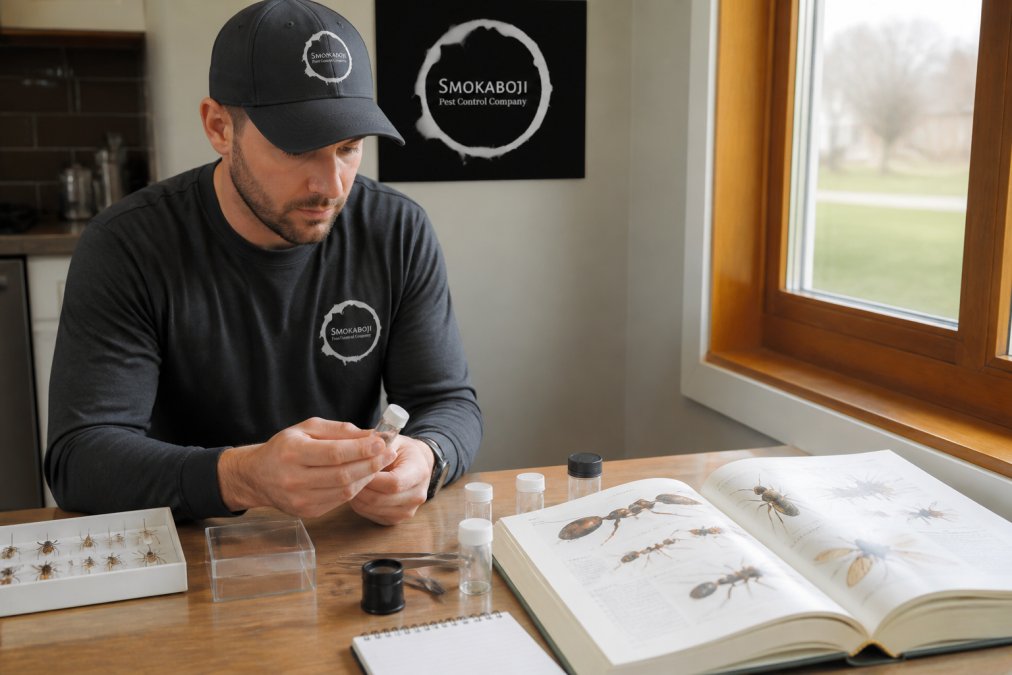
 ultimate-guide
Pest Identification Guide for Northwest Iowa Homeowners
Table of Contents
- Common Household Pests in Northwest Iowa
- Signs of Bed Bug Infestation and Other Pest Indicators
- Preventative Pest Maintenance Tips for Year-Round Protection
- Frequently Asked Questions
Last Updated: September 18, 2026
Common Household Pests in Northwest Iowa
Correct pest identification is essential, misidentification wastes time and money on ineffective treatments. Smokaboji Pest Control helps homeowners and businesses recognize pests common to Northwest Iowa and Southwest Minnesota.
Spring and summer bring insects; fall rodent migration pushes them indoors before winter, so timing preventative measures to these seasons maximizes effectiveness.
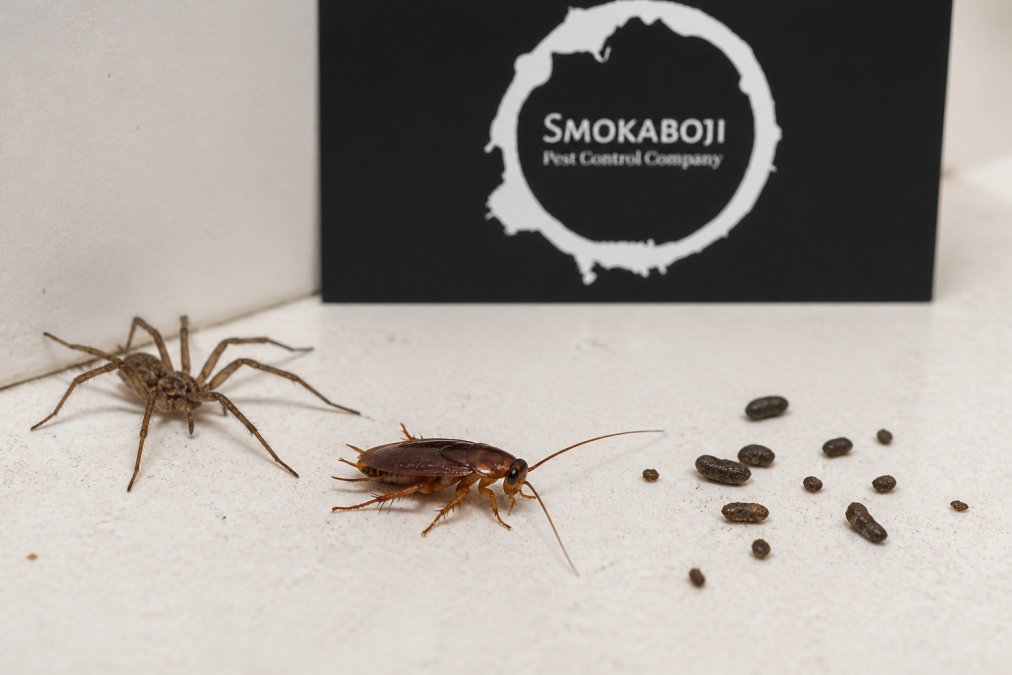
Spiders have eight legs and segmented bodies; cockroaches show flattened exoskeletons and antennae (½-1 inch); bed bugs are reddish-brown and hide in mattress seams; rodents leave droppings and gnaw marks (the CDC).
Signs of Bed Bug Infestation and Other Pest Indicators
Early identification prevents full infestations. Look for visible insects, droppings, damage, and odors. Bed bugs cause red welts, dark spots on bedding, and musty smells (the CDC).
Monitoring traps at entry points catch infestations early, making treatment simpler and more cost-effective.
Preventative Pest Maintenance Tips for Year-Round Protection
Seal cracks, caulk gaps around pipes, install door sweeps, and check weatherstripping at utility entry points, basement windows, and foundation cracks.
Store food in sealed containers, remove garbage and standing water, and declutter storage areas where pests hide.
Trim vegetation from building exteriors, keep mulch away from foundations, and remove leaf litter.
Increase vigilance for flying insects in spring/summer and seal entry points in fall before rodent migration.
A professional pest control service evaluates your environment and recommends customized treatment plans.
When DIY efforts fail, professional pest control experts offer preventative maintenance plans.
Widespread bed bug infestations, active rodent colonies, or recurring problems require professional treatment.
| Prevention Method | Best For | Effort Level | Timing |
|---|---|---|---|
| Sealing entry points | All pest types | Low | Before pest season |
| Sanitation practices | Cockroaches, rodents | Low | Year-round |
| Vegetation trimming | Spiders, insects | Medium | Spring, fall |
| Monitoring traps | Early detection | Low | Ongoing |
| Professional treatment | Severe infestations | None (outsourced) | As needed |
Correct pest identification is the foundation of effective control. Smokaboji Pest Control's licensed, insured technicians eliminate infestations and create customized preventative maintenance plans. Contact us today for a professional pest identification guide assessment.
Frequently Asked Questions
How can I identify bed bugs in my home?
Look for small, reddish-brown insects about the size of an apple seed on mattress seams, headboards, and furniture. Signs of bed bug infestation include rust-colored stains on bedding, a musty odor, and itchy welts on your skin after sleeping. Bed bugs are most active at night and hide in cracks during the day. If you suspect an infestation, inspect your mattress carefully and contact a professional immediately for confirmation and treatment.
What pests are most common in Northwest Iowa homes?
Northwest Iowa homeowners frequently encounter spiders, especially around docks and lake properties, rodents during fall and winter months, cockroaches in kitchens and basements, and bed bugs in bedrooms and furniture. Seasonal migration patterns bring different pests throughout the year. Spiders thrive in cool, damp areas, while rodents seek shelter as temperatures drop. Identifying which pest you're dealing with helps determine the right control strategy and whether professional treatment is needed.
When should I call a professional pest control company?
Call a professional when you notice signs of a widespread infestation, bed bugs in your home, structural damage from rodents, or recurring pest problems despite your prevention efforts. If you've tried DIY treatments without success, or if the infestation involves multiple rooms or properties, professional expertise is essential. Professionals can identify pest entry points, assess the extent of the problem, and apply targeted treatments, ensuring long-term protection.