 How-to
7 Signs of Termite Infestation to Check in Your Home
Last Updated: October 28, 2026
Quick Summary
The signs of termite infestation in northwest in Iowa include mud tubes along foundation walls, hollow or soft wood that sounds dull when tapped, discarded wings near windows and doors, tiny piles of frass that look like sawdust, and bubbling or buckling paint on walls or trim. Check basements, crawl spaces and any wood touching soil, especially in spring.
- Mud tubes along foundation walls, piers or crawl space joists are the clearest sign of termites.
- Break open a mud tube; if termites rebuild it within a day, the colony is still active.
- Tap joists, sills and subfloor boards; a hollow sound often means termites have eaten the inside.
- Swarmers often appear in spring, so check around light fixtures and windows then.
- If you find signs of termites, call a licensed pest control professional for a full inspection rather than relying on store-bought sprays.
Table of Contents
- Early Signs of Termites You Can Spot Yourself
- Termite Mud Tubes and Damaged Wood to Look For
- Termite Droppings, Discarded Wings and Next Steps for Your Home
- Frequently Asked Questions
Early Signs of Termites You Can Spot Yourself
Termites cause billions of dollars in damage each year across the United States, and most of it goes unnoticed for months. Knowing the signs of termite infestation in northwest in Iowa helps you catch activity before it reaches the framing of your home. Learn what to look for, and check the signs below on a regular schedule. For a fuller checklist of subterranean termite warning signs, see a dedicated guide to termite warning signs.
Watch for these common early warning signs:
- Mud tubes along foundation walls, piers, or crawl space joists
- Hollow or soft wood that sounds dull when tapped
- Discarded wings on windowsills, near doors, or in spider webs
- Tiny piles of droppings (frass) that look like sawdust or coffee grounds
- Bubbling or buckling paint on walls or wood trim
Check these areas first: basements, crawl spaces, and any wood that touches soil. Swarmers often appear in spring, so look around light fixtures and windows then. Termite inspection is a good idea at least once a year.
Termite Mud Tubes and Damaged Wood to Look For
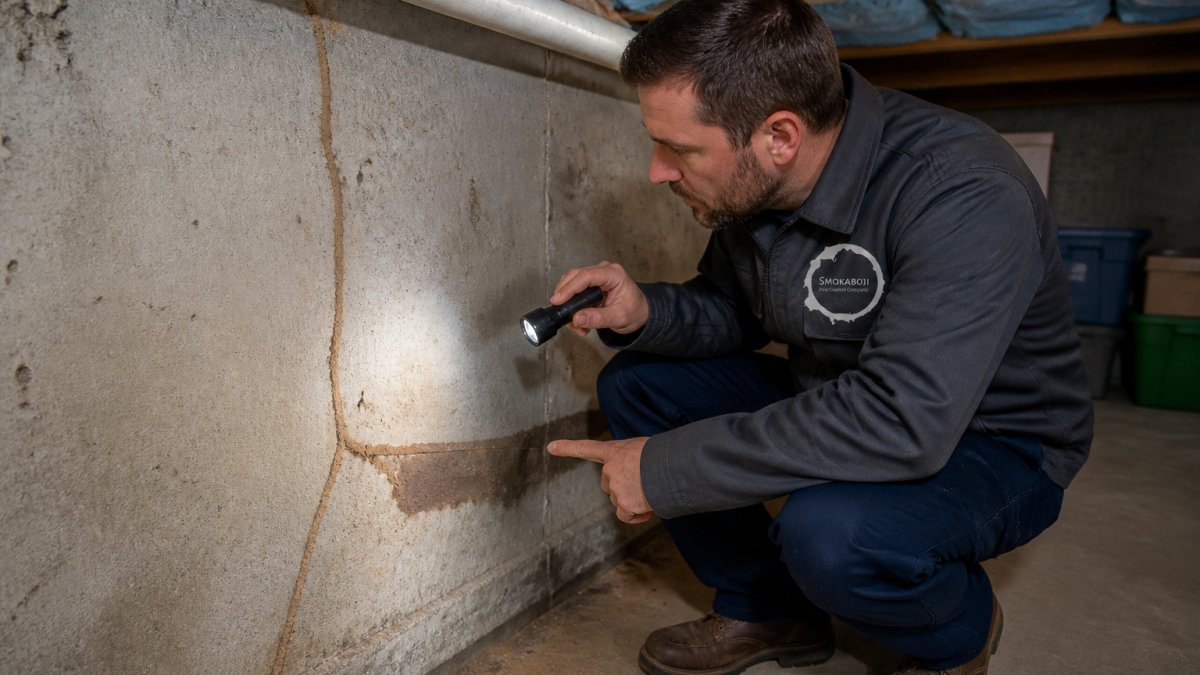
Mud tubes are the clearest sign that termites are using a protected route to reach food. They are pencil-width tunnels made of soil and wood particles, and they usually run up foundation walls. Break one open. If termites rebuild it within a day, the colony is still active.
Damaged wood is harder to spot. Tap joists, sills, and subfloor boards with a screwdriver handle. A hollow sound often means termites have eaten the inside and left a thin outer shell. Look for wood that crumbles or has a blistered, papery surface.
Watch out: many people confuse termite damage with carpenter ant galleries or water rot. Smooth, sand-like tunnels point to termites, while rough, clean-cut galleries point more often to carpenter ants. If you are still unsure which insect caused the damage, learn how to tell carpenter ants and termites apart.
Use this quick comparison to tell termite damage apart from other common causes.
| Sign | What it points to | How to check |
|---|---|---|
| Mud tubes | Termites using a protected route | Break one open; rebuilt within a day means active |
| Hollow wood | Termites eating the inside | Tap joists and sills with a screwdriver handle |
| Smooth, sand-like tunnels | Termites | Look closely at the gallery texture |
| Rough, clean-cut galleries | Carpenter ants | Compare against termite tunnels |
Termite Droppings, Discarded Wings and Next Steps for Your Home
Droppings and wings are strong evidence, but they only tell you a colony has been active. If you find any of these signs, call a licensed pest control professional for a full inspection. Once the activity is confirmed, see how to protect the walls of your home from termites. Do not try to treat the problem with store-bought sprays alone, as these rarely reach the colony. Browse this guide to other pests common in Northwest Iowa to rule out look-alike activity before you decide on next steps.
Frequently Asked Questions
What does a termite infestation look like in a house?
Termite infestations often show up as thin brown mud tubes along foundation walls, sagging or hollow-sounding wood, and small piles of pellet-like droppings called frass near baseboards or window sills. Swarmers may appear inside in spring, leaving behind shed wings on windowsills and near doors. Because much of the damage happens inside wood and wall voids, a visible sign often means activity has been going on for some time. A professional inspection can confirm what you are seeing.
How can you tell termite damage from water damage?
Water-damaged wood usually feels soft and discolored near a known moisture source, such as a leaking pipe or gutter. Termite-damaged wood often looks intact on the surface but sounds hollow when tapped, and it may show galleries or mud packed into the grain. Mud tubes are a strong sign of termites, since water damage does not produce them. When the cause is unclear, have a licensed pest professional inspect the property.
Should I call a pest control professional if I find termite droppings or wings?
Yes. Termite droppings and discarded wings suggest termites may be active nearby, and a single sighting does not show how large the problem is. Swarmers are sometimes mistaken for flying ants, so an expert can confirm the species. Early inspection can help limit damage. Contact the company directly for current pricing or a quote.