 how-to
How to Prevent Termites in Walls: 3 Essential Steps
Table of Contents
- Signs of Termites in Walls You Can't Ignore
- Prevent Termites with Moisture Control and Drainage
- Termite Inspection Checklist and Sealing Entry Points
- Frequently Asked Questions
Last Updated: October 12, 2026
Signs of Termites in Walls You Can't Ignore
Termites in walls eat wood from the inside out, spreading damage quietly for months or years before you notice, often after significant structural damage is done.
The most common signs are pencil-thin mud tubes along foundations or interior walls, built by subterranean termites traveling between soil and wood, plus discarded wings near windowsills or doors from active swarmers.
Tap walls with a hammer: hollow sounds or soft wood mean termites may be feeding inside. Drywood termites leave sawdust-like pellets; subterranean termites honeycomb wood with galleries.
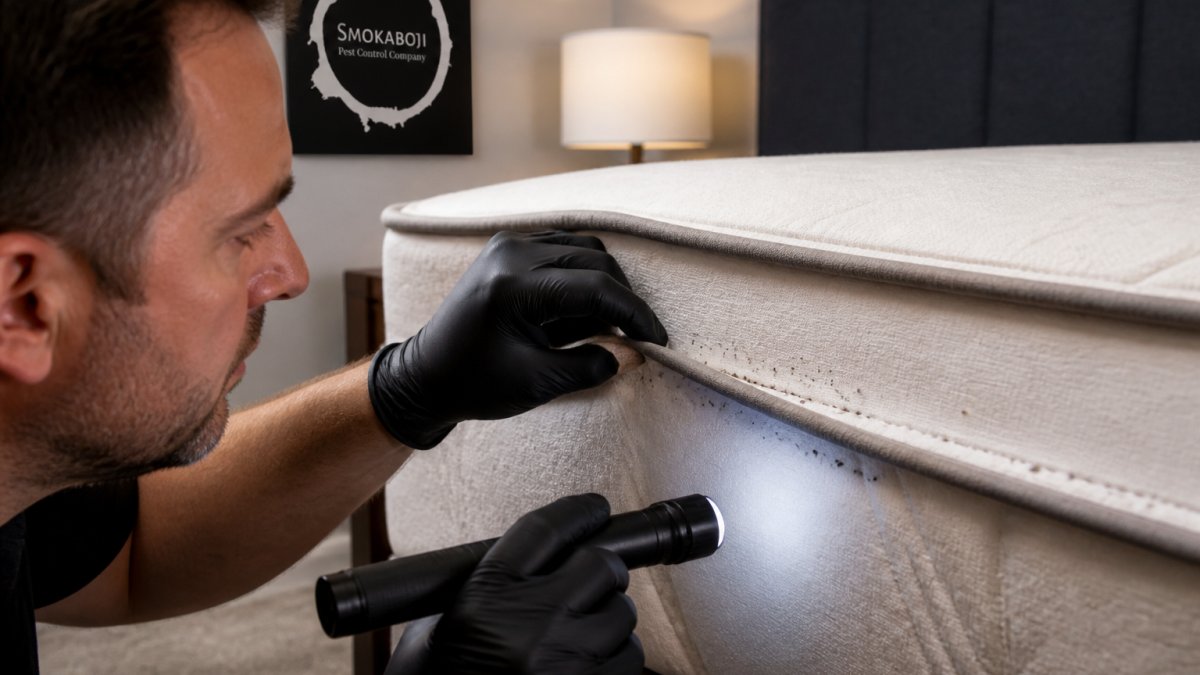
According to guidance from university extension services, early detection saves thousands in repair costs. The longer termites feed, the weaker your home's structure becomes. If you spot any of these signs, contact a professional pest-management company immediately. A professional pest-management company can offer thorough inspections to identify termite activity before it spreads.
Prevent Termites with Moisture Control and Drainage
Termites need water to survive, so controlling moisture around your foundation is essential to prevent termites in walls.
Fix leaks immediately: check gutters, downspouts, and exterior pipes, and direct downspouts at least 4-6 feet from your foundation, since poor drainage creates the wet soil termites love.
Inside, reduce humidity in crawl spaces and basements with a dehumidifier and proper ventilation so air circulates freely.
Grade soil away from your foundation so rainwater runs off instead of pooling at the sill plate, and remove mulch piles against the exterior that trap moisture and create ideal termite habitat.
Termite Inspection Checklist and Sealing Entry Points
Walk your home's perimeter quarterly using this termite inspection checklist:
- Mud tubes on foundation or interior walls
- Discarded wings near doors, windows, or light fixtures
- Soft or hollow-sounding wood
- Pellets or sawdust near wood
- Cracks in foundation or sill plates
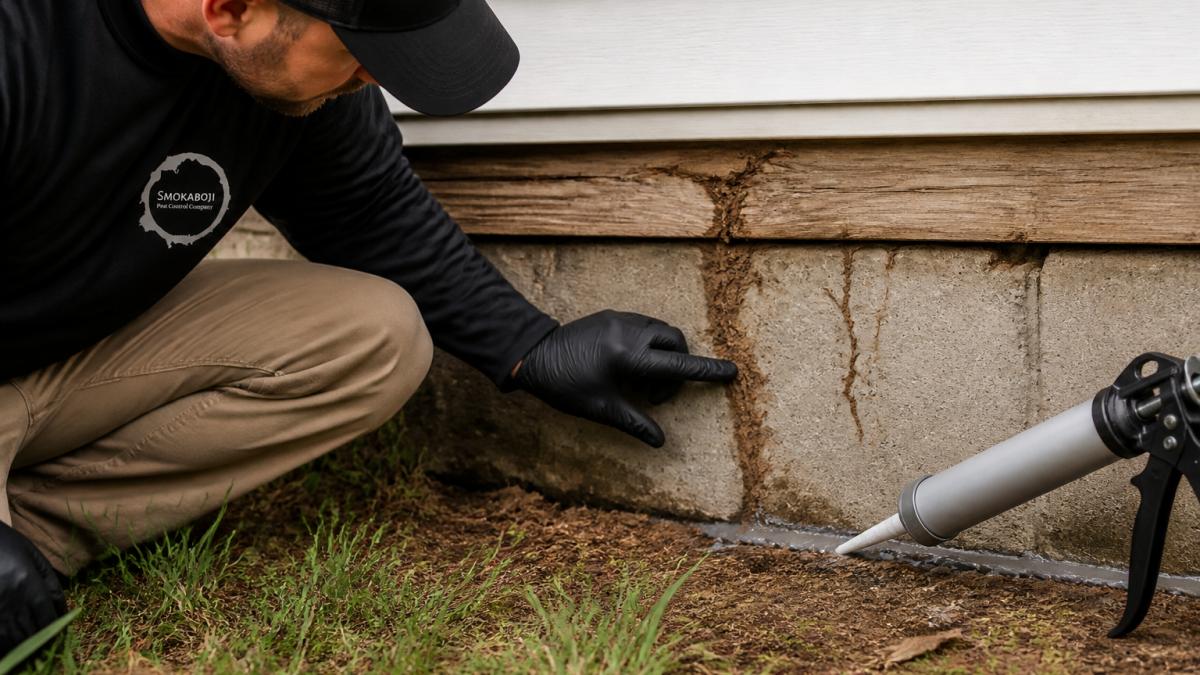
Seal cracks and gaps in your foundation, walls, and around pipes with caulk or foam sealant, especially where utilities enter the home.
Remove wood-to-soil contact wherever possible. Concrete piers or metal barriers can separate buried wood from direct soil contact. This eliminates the easiest termite entry route.
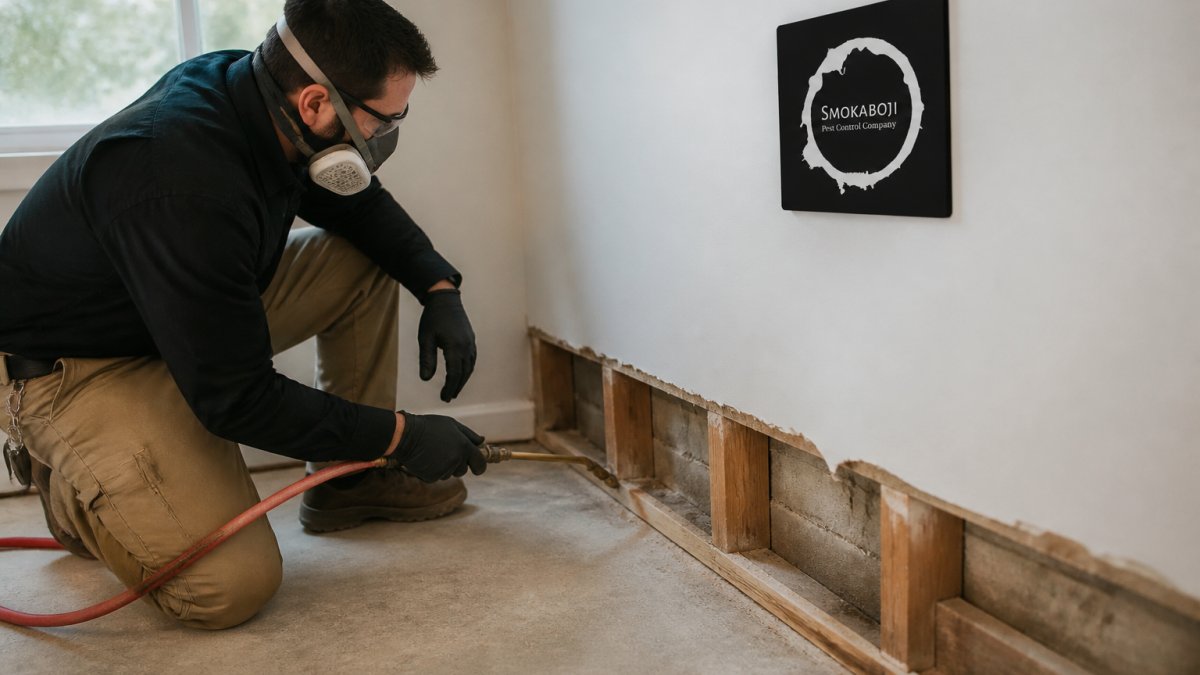
For serious infestations or prevention in existing walls, professional treatment is often necessary. According to pest management best practices, licensed technicians can apply targeted treatments inside wall cavities that homeowners cannot safely access. A professional pest management company uses modern chemicals and practices to eliminate termite colonies and protect your home's interior structure.
Frequently Asked Questions
How can I tell if termites are inside my walls?
Look for mud tubes running along the foundation or inside the crawl space, discarded termite wings near windows or doors, and soft or hollow-sounding wood when tapped. Subterranean termites leave visible tunnels as they travel between soil and wood. If you notice these signs, a professional pest-management inspection can confirm the infestation and assess damage inside walls.
Does fixing a leak help prevent termites in walls?
Yes. Termites are attracted to moisture, and leaks create the damp conditions they need to survive. Fix plumbing leaks, roof leaks, and improve drainage around your foundation to reduce humidity. Keeping wood dry is one of the most effective ways to prevent termite activity in walls and throughout your home.
When should I call a pest control professional about termites in walls?
Call immediately if you see mud tubes, discarded wings, or damage to wood framing. DIY treatments rarely reach termites deep inside walls. A licensed pest-management professional can identify the termite type, assess wall damage, and apply appropriate treatments that penetrate cavities where termites hide.
Termite prevention requires ongoing attention. Moisture control, regular inspections, and sealed entry points form your first line of defense. When DIY efforts aren't enough, Smokaboji Pest Control's fully licensed and insured technicians provide customized treatment plans and preventative maintenance to keep termites out of your walls. Contact us for a professional inspection and learn how we can protect your home.