 how-to
How to Identify Termite Damage in Walls
Table of Contents
- Visual Signs of Termite Damage in Walls
- Termite Mud Tubes and Other Active Infestation Clues
- Termite Damage vs Water Damage: How to Tell the Difference
- What to Do After You Spot Termite Damage
- Frequently Asked Questions
Last Updated: September 7, 2026
Termite damage causes billions in U.S. property damage yearly, often hidden in wall voids (usda.gov). This guide covers visual clues, distinguishing it from water damage, and next steps.
Visual Signs of Termite Damage in Walls
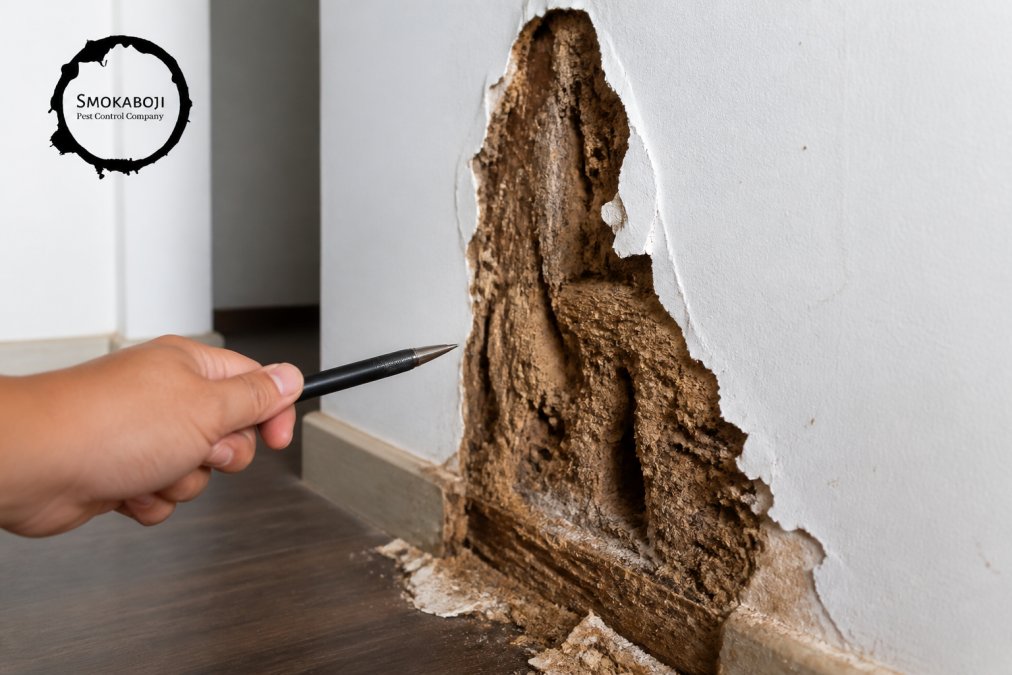
Obvious signs of termite damage in walls include bubbling paint, pinholes in drywall, and hollow-sounding wood. Subterranean termites feed on cellulose, leaving thin outer layers that hide destruction inside.
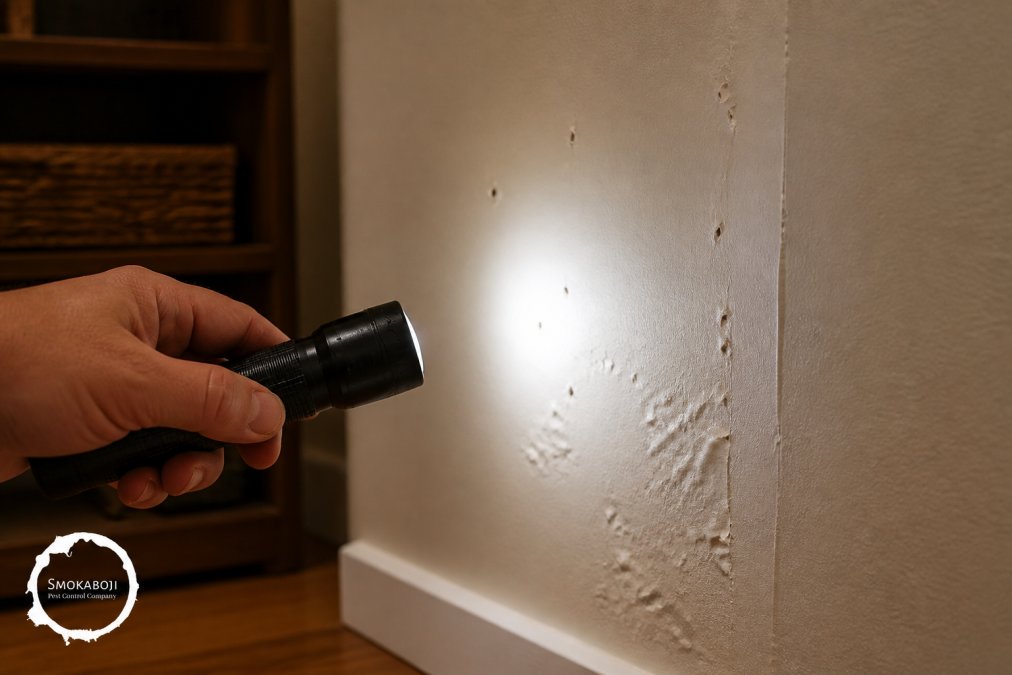
Bubbling paint with pinholes or frass signals active foraging. Tap baseboards and trim with a screwdriver handle; hollow wood means termites have chewed through.
Termite Mud Tubes and Other Active Infestation Clues
Active infestations leave pencil-thin mud tubes along foundation walls, baseboard edges, or between soil and wall framing. Check crawl spaces, garages, and wood-soil contact points. Breaking a tube open to reveal pale workers means active foraging (extension.umn.edu). Drywood termites leave frass pellets near wall voids or window sills.
Termite Damage vs Water Damage: How to Tell the Difference
Termite damage vs water damage differs by pattern and texture. Water damage warps and stains wood in irregular areas; termite damage follows the grain, leaving clean galleries. Water-damaged wood splinters and feels spongy; termite-damaged wood breaks in clean layers or feels papery (ncsu.edu).
| Indicator | Termite Damage | Water Damage |
|---|---|---|
| Wood texture | Clean layers, papery, hollow | Soft, spongy, splintering |
| Paint surface | Pinholes, bubbling in straight lines | Large peeling sheets, staining |
| Damage pattern | Follows wood grain, galleries | Irregular, widespread warping |
Moisture damage attracts fungal growth termites feed on, so both can coexist. Swollen floors or musty odors point to moisture; clean tunnels, mud tubes, or frass point to termites.
What to Do After You Spot Termite Damage
Confirming termite damage in walls means acting fast, since termites can compromise load-bearing walls and floor joists. Document findings with photos, avoid disturbing the area, and contact a licensed pest control professional.
Smokaboji Pest Control serves Northwest Iowa and Southwest Minnesota with thorough inspections and customized treatment plans.
Identifying termite damage in walls early means checking regularly, especially in spring and fall. Termite damage is structural damage that grows costlier over time. If you spot mud tubes, hollow wood, or pinholes, contact Smokaboji Pest Control for a professional inspection and customized treatment plan. Submit a request today.
Frequently Asked Questions
What are the first signs of termites in walls?
The first signs are often subtle: small pinholes in drywall, bubbling or peeling paint, and a hollow sound when you tap the wall. You might also notice thin mud tubes running along baseboards or wall edges. Subterranean termites build these shelter tubes to travel from soil to wood. If you tap the wall and it sounds papery or hollow, termites may have eaten the wood studs from the inside out.
What can be mistaken for termite damage?
Water damage is the most common look-alike. Both can cause bubbling paint, swollen floors, and buckling wood. The key difference: water damage usually leaves stains or discoloration, while termite galleries run along the wood grain and contain soil or frass. Old carpenter ant damage can also leave similar grooves. If you see mud tubes or actual insects, it is termites. Otherwise, probe the wood to check for dry rot versus clean, hollowed galleries.
Will termites go through drywall?
Yes. Termites feed on the paper facing of drywall, also called sheetrock, because it contains cellulose. They tunnel through the wall void, leaving thin, papery layers or pinholes on the surface. Drywall damage often appears alongside damage to the wooden studs behind it. Subterranean termites need moisture, so they usually enter from the soil and work upward. Drywood termites can infest drywall directly without ground contact.