 how-to
Signs of Subterranean Termite Infestation: What to Look For
Table of Contents
- Signs of Subterranean Termite Infestation Every Homeowner Should Know
- Termite Damage vs. Water Damage: How to Tell the Difference
- Where to Look for Termites in a House
- Frequently Asked Questions
Last Updated: October 14, 2026
Signs of Subterranean Termite Infestation Every Homeowner Should Know
Subterranean termites nest underground and build mud tubes to reach food above the soil. Spotting the signs of subterranean termite infestation early can save you thousands in structural repairs.
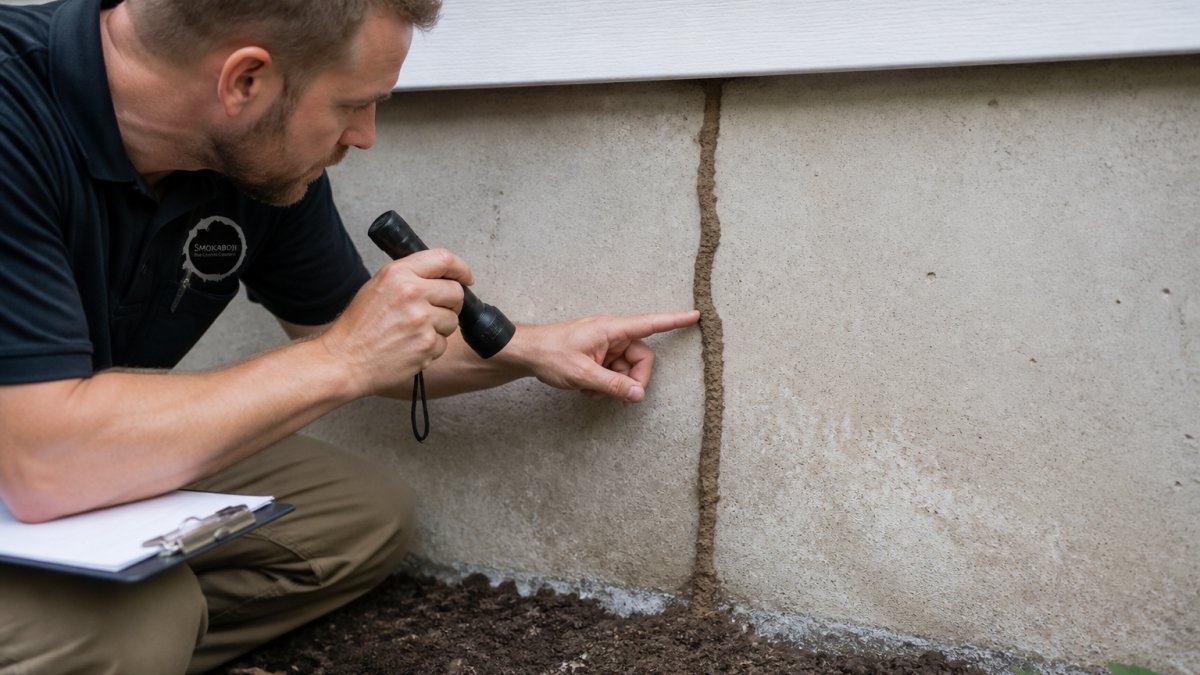
What are the most common signs of subterranean termite infestation?
The most common signs include mud tubes on foundations, discarded wings near windows, hollow-sounding wood, and swarmers indoors:
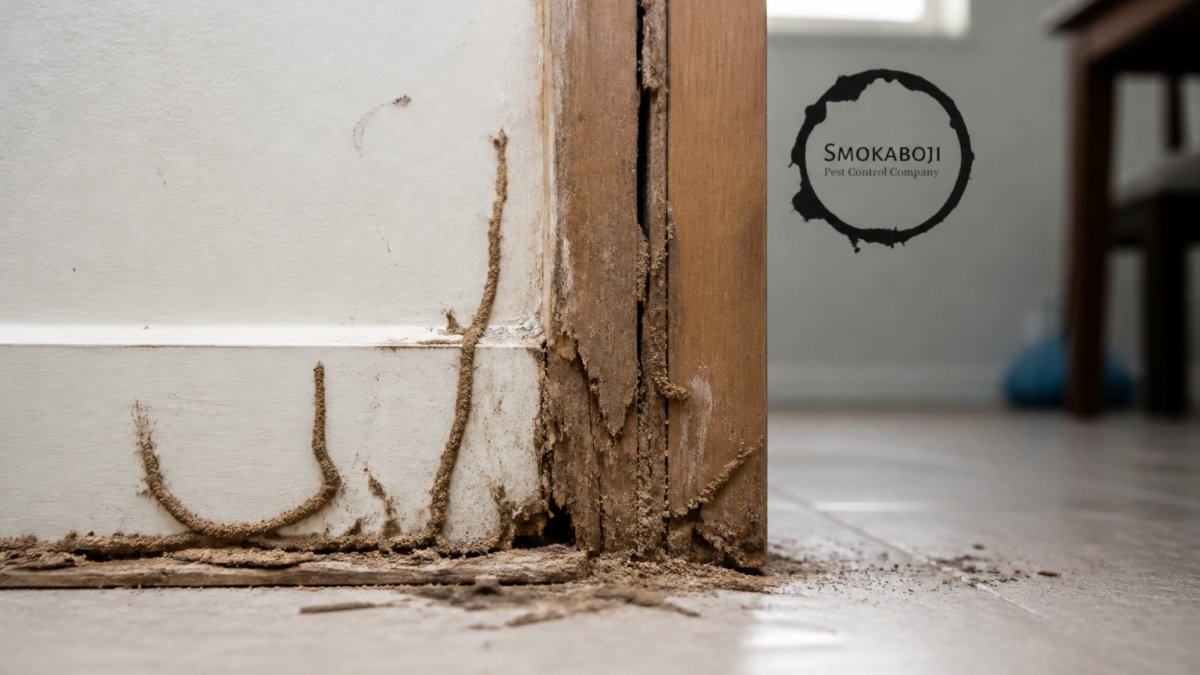
- Mud tubes on foundations, walls, or crawl space piers
- Discarded wings piled near windows and doors
- Swarmers (winged termites) emerging inside the home
- Hollow-sounding wood when tapped
- Blistered or warped wood on floors and walls
- Sticking doors and windows that suddenly don't close right
- Creamy white termites found in wood or soil
- Drooping ceilings or sagging drywall
A common mistake is waiting until damage is visible. By then, the colony has likely been active for years.
Why do subterranean termites stay hidden?
Subterranean termites avoid light and open air, building mud tunnels to travel from soil to wood unseen, so infestations often go undetected until damage is severe. Colonies can contain thousands of workers feeding 24 hours a day.
Termite Damage vs. Water Damage: How to Tell the Difference
Telling termite damage from water damage comes down to three clues: mud tubes, hollow galleries, and clean wood edges. Water damage leaves stains, mold, and soft rot; termite damage leaves hollowed-out galleries packed with soil and mud.
Look for these differences:
- Termite damage: Hollow wood with mud-packed tunnels, clean-cut galleries, no mold
- Water damage: Dark stains, musty smell, soft crumbling wood, visible mold
- Termite damage: Blistered paint that looks like water damage but no moisture source
- Water damage: Warped boards with visible waterlines
Many homeowners misread termite damage as moisture problems. That mistake costs time.
How do you confirm it's termites?
Press a screwdriver into suspect wood. Termite-damaged wood gives way easily and may reveal hollow galleries. Water-damaged wood crumbles or feels spongy. Check for mud tubes nearby. If you find them, you're likely dealing with subterranean termites.
Where to Look for Termites in a House
Start at the foundation and work outward. Subterranean termites enter through cracks in the house slab, crawl space piers, and any wood touching soil:
- Foundation walls for mud tubes and cracks
- Crawl spaces for moisture, wood debris, and tubes
- Basement corners and floor joists
- Window and door frames for discarded wings
- Attic spaces for damaged timber
- Yard areas near stumps, mulch beds, and downspouts
- Garage walls and attached structures
What should you do if you find signs?
Don't disturb the area. Don't spray store-bought products. Both scatter the colony and make professional treatment harder. Call a licensed pest control company for an inspection.
How do you know if termite activity is active or old?
Old mud tubes are dry, crumbly, and empty; active tubes are moist and intact. Live termites inside a tube confirm activity. If unsure, leave it alone and let a professional assess it.
Frequently Asked Questions
When should you worry about termites in a house?
Worry when you find active signs, not just old damage. Mud tubes that are moist and intact, live swarmers indoors, or wood that sounds hollow when tapped all point to an active subterranean termite infestation. Old tubes crumble easily and show no live insects. A licensed inspector can confirm whether activity is current and recommend treatment before structural damage spreads.
Can you have termites without seeing swarmers?
Yes. Most subterranean termite infestations never produce visible swarmers inside the home. Workers stay hidden in soil and wood, so mud tubes, hollow-sounding wood, and bubbling paint are often the only clues. Discarded wings near windows and doors may appear without any live swarmers. Because termites avoid light, an annual inspection is the most reliable way to catch activity early.
What do subterranean termite mud tubes look like?
Mud tubes look like narrow, pencil-width ridges of soil running up foundation walls, piers, and crawl space supports. They are built from dirt, saliva, and feces, and they protect termites from open air as they travel between soil and wood. Break off a section and check back in a few days: a rebuilt tube means active termites, while a dry, crumbled one may be old.
Subterranean termites don't announce themselves. They work silently, and by the time damage shows, the repair bill can be steep. If you've spotted mud tubes, discarded wings, or hollow wood, don't wait. Smokaboji Pest Control offers fully licensed and insured technicians, customized treatment plans, and preventative maintenance to keep your home protected year-round. Get started with Smokaboji Pest Control and stop termites before they cost you more.