 How-to
How to Store Grain to Prevent Rodents at Home
Last Updated: November 4, 2026
Quick Summary
Store grain in heavy-gauge metal or thick rigid plastic containers with tight-locking lids, and keep bagged grain on pallets off the floor and away from walls. Check stored grain weekly for chew marks, droppings or torn bags, and seal entry points in storage buildings. This is how to store grain to prevent rodents from reaching your supply.
- Choose heavy-gauge metal or thick, rigid plastic containers with lids that snap or lock shut.
- Set bagged grain on a wooden or plastic pallet, off the floor.
- Leave a gap between bags and walls so you can see and check them.
- Check stored grain weekly for chew marks, droppings or torn bags.
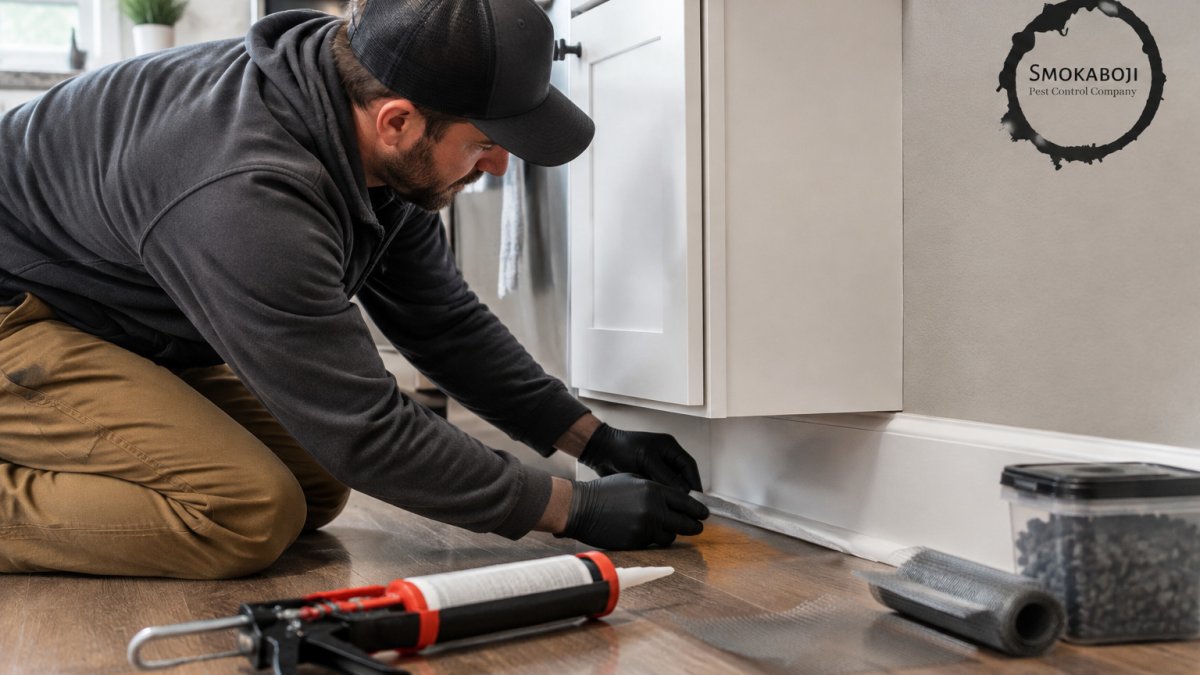
- Seal vents, gaps under doors and holes around pipes in storage buildings.
Table of Contents
- Choosing Mouse-Proof Grain Containers
- How to Store Bagged Grain Step by Step
- Rodent Control for Grain Storage Buildings and Signs to Watch For
- Frequently Asked Questions
Choosing Mouse-Proof Grain Containers
Most grain problems start with the container, not the grain.
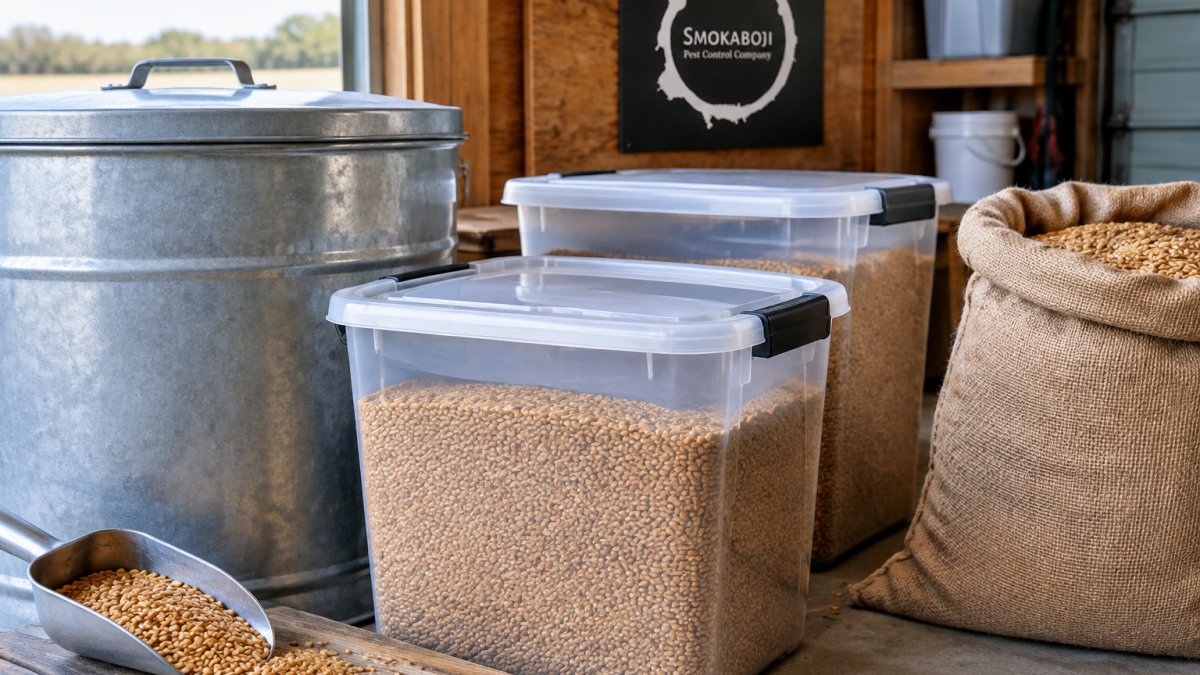
Mice can chew through thin plastic and squeeze through gaps the width of a pencil. Choose containers with tight-fitting, locking lids. Discover natural mouse deterrents that work in rural homes.
Look for these features:
- Heavy-gauge metal or thick, rigid plastic
- Lids that snap or lock shut
- No gaps around seams or handles
- Smooth sides with nothing mice can climb
Skip any container with a torn corner or a worn lid. Rodents find the weakest spot first.
How to Store Bagged Grain Step by Step
Follow these steps to learn how to store grain to prevent rodents from reaching your bagged supply. Read the full how-to guide on protecting grain supplies from farm pests.
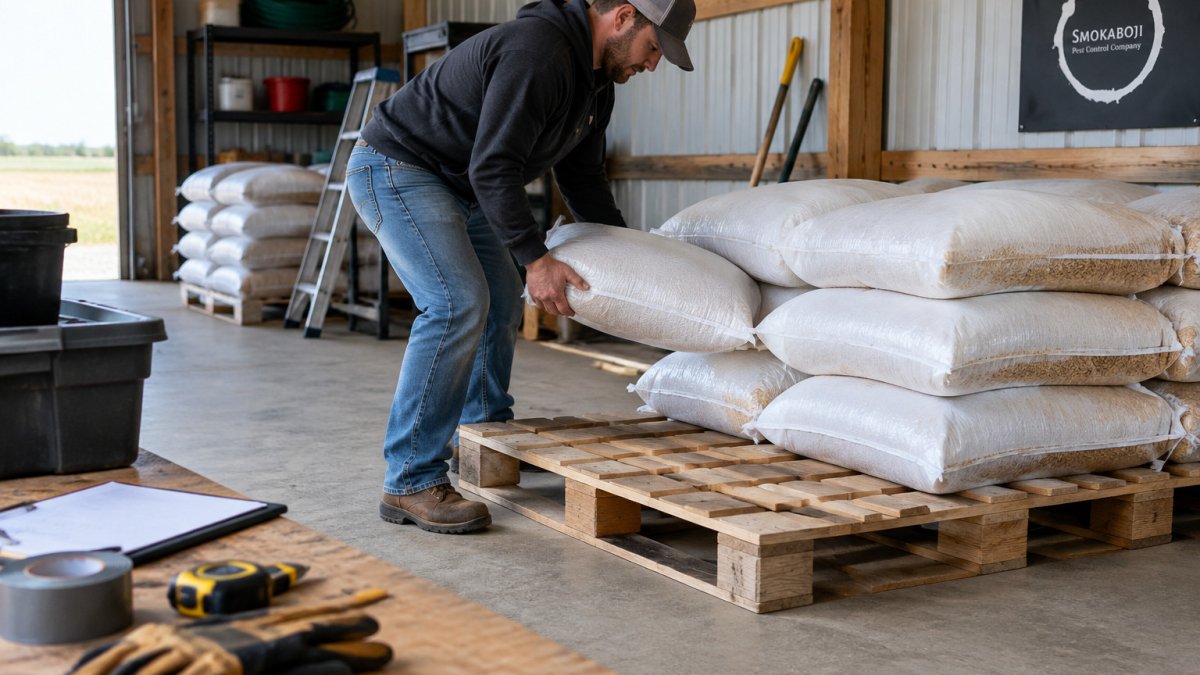
- Clear the storage spot. Remove old feed, spilled grain and clutter.
- Raise the bags. Set them on a wooden or plastic pallet, off the floor.
- Keep bags away from walls. Leave a gap so you can see and check them.
- Stack carefully. Keep stacks low and stable.
- Check weekly. Look for chew marks, droppings or torn bags.
Store bagged grain in a dry, cool, shaded area. Moisture draws both pests and spoilage.
Here is a quick summary of the storage steps and their timing.
| Step | What to do | Time or frequency |
|---|---|---|
| Clear the storage spot | Remove old feed, spilled grain and clutter | Before storing |
| Raise the bags | Set them on a wooden or plastic pallet, off the floor | Before storing |
| Keep bags away from walls | Leave a gap so you can see and check them | Ongoing |
| Stack carefully | Keep stacks low and stable | Ongoing |
| Check weekly | Look for chew marks, droppings or torn bags | Weekly |
Rodent Control for Grain Storage Buildings and Signs to Watch For
Mice and rats often enter storage buildings through vents, gaps under doors and holes around pipes. Learn how to prevent rodents in agricultural storage buildings for detailed guidance. Sealing these entry points is an important first step.
Signs of rodents:
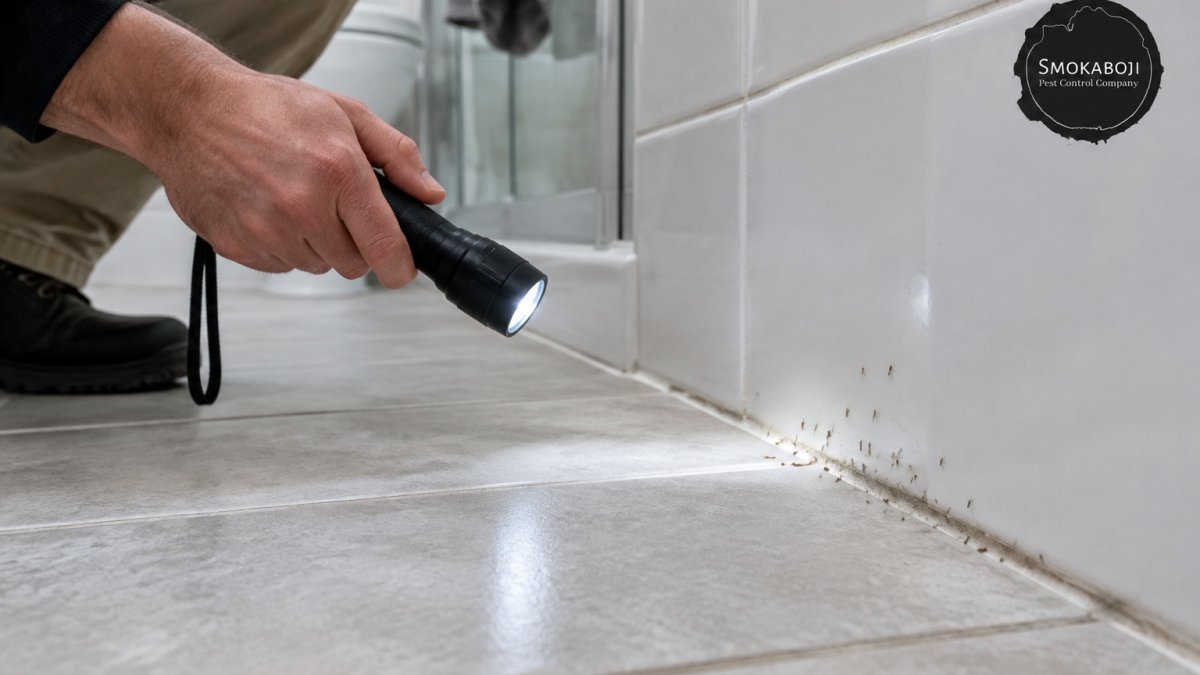
- Droppings near bags or along walls
- Gnaw marks on bags, lids or wood
- Nests made from torn paper or grain
- Strong musty smells or damaged grain
If you spot any of these signs, contact a licensed pest professional. Find out when and how to bring in professional pest control for large farms. Early attention can help keep a problem from growing. For help with ongoing protection, Smokaboji Pest Control offers preventative maintenance plans. Contact us for current details and a quote.
Frequently Asked Questions
What is the best way to store grain to keep mice out?
Keep grain in metal or thick plastic containers with tight-fitting lids, stored off the floor on pallets or racks and away from walls. Mice can chew through thin plastic and squeeze through gaps about the width of a pencil, so sealed metal bins are the most reliable choice. Store containers in a clean, dry area and remove spilled grain right away, since loose kernels draw rodents in quickly.
Can rodents chew through plastic grain storage containers?
Yes. Mice and rats can gnaw through thin plastic, especially containers with soft or cracked lids. Thick, rigid plastic with a tight lid holds up better, but metal containers are the safer choice for long-term storage. Inspect containers regularly for chew marks, cracks, and gaps around lids, and replace any container that shows damage.
What should you do if you find rodent droppings near stored grain?
Stop using any grain that has been contaminated and do not sweep droppings dry, since that can stir up particles you should not breathe. Wet the area with a disinfectant, wear gloves and a respirator, and bag the waste for disposal. Then seal entry points, clean up any spilled grain, and check the storage area over the next few weeks for new signs of activity. Pest control professionals can confirm the infestation is gone.