 how-to
Hiring Professional Pest Control for Large Farms
Table of Contents
- What to Look for When Hiring Professional Pest Control for Large Farms
- Farm Pest Inspection Checklist and Service Scope
- Understanding Pest Control Service Contracts and Integrated Pest Management for Farms
- Frequently Asked Questions
Last Updated: October 8, 2026
What to Look for When Hiring Professional Pest Control for Large Farms
Hiring professional pest control for large farms means managing complex pest ecosystems across many acres and buildings; the wrong contractor leaves you vulnerable to crop damage, livestock illness, and regulatory violations.
Verify licensing first: every technician handling agricultural chemicals must hold a current pesticide applicator license from your state's department of agriculture, ask to see it, never accept verbal confirmation.
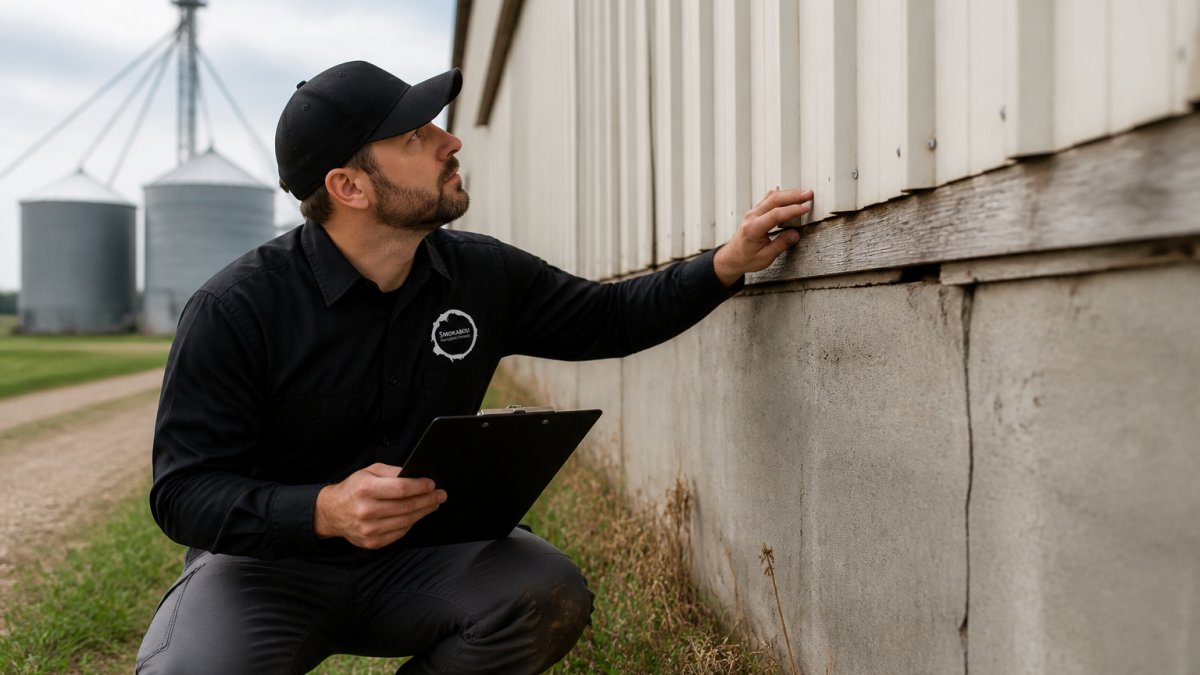
Ask about agricultural experience specifically, since rodents in grain storage, insects in crop fields, and flies in livestock areas demand scale a residential-only technician may struggle with. Request references from other farm operations and ask how quickly they respond to urgent problems and whether treatments prevent reinfestation, this reveals whether hiring professional pest control for large farms means a reliable partner or an expensive disappointment.
Farm Pest Inspection Checklist and Service Scope
A thorough inspection covers every structure and identifies the specific pests involved; before signing any contract, the company should walk the property and provide a written report.
Your checklist should cover the exterior perimeter, grain storage, livestock facilities, equipment buildings, and utility penetrations and interior spaces.
The scope of work should specify exactly what will be treated, how often, and with what chemicals or methods, vague language like "we'll spray as needed" is a red flag. Ask whether they practice integrated pest management for farms, which reduces chemical use by sealing entry points, removing food sources, and using targeted baiting and traps, more effective long-term and safer around livestock and crops.
| Inspection Element | What to Verify | Why It Matters |
|---|---|---|
| Licensing | Current state pesticide applicator license | Legal compliance and competence |
| Experience | Prior farm contracts and references | Relevant expertise for large-scale operations |
| Inspection report | Written findings with specific locations and pests | Clarity on what needs treatment |
| Service scope | Detailed treatment plan with frequency and products | No surprises in billing or coverage gaps |
| Insurance | Liability and workers' compensation verification | Protection if something goes wrong |
Understanding Pest Control Service Contracts and Integrated Pest Management for Farms
A good service contract outlines response times, treatment frequency, pricing structure, and what happens if treatment fails.
Response time matters for emergencies like livestock illness from pest-related contamination or sudden rodent infestations in grain storage; your contract should specify how fast the company responds to urgent calls, many farms find a local provider like Smokaboji Pest Control, serving Northwest Iowa and Southwest Minnesota, responds faster than larger regional companies.
Treatment frequency depends on pest pressure and season: spring and fall demand more intensive work as pests seek shelter, summer focuses on flies and insects around livestock, and winter is ideal for rodent prevention in storage. A professional should recommend a schedule for your situation, not a one-size-fits-all monthly visit.
Pricing for hiring professional pest control for large farms varies by acreage, structures, pest types, and methods, so compare what's included, inspection, treatment, follow-up monitoring, emergency calls, and get quotes from at least two providers. Ask whether the company guarantees results: some offer re-treatment if pests return within a set period, but guarantees typically cover only failure to eliminate existing populations, not new infestations from outside sources.
Treat hiring professional pest control for large farms as an investment in farm health and productivity, not just an expense. The right contractor prevents costly damage, reduces liability, and lets you focus on running your operation.
Pest infestations on large farms demand expertise beyond DIY solutions. At Smokaboji Pest Control, we bring experience managing complex agricultural pest problems across Northwest Iowa and Southwest Minnesota. Our fully licensed technicians use modern chemicals and integrated pest management practices tailored to your specific operation. We respond quickly to urgent issues and offer preventative maintenance plans designed for farm-scale challenges. Contact Smokaboji Pest Control for a detailed farm inspection and customized treatment plan that protects your investment.
Frequently Asked Questions
What qualifications should a professional pest control technician have for large farm operations?
Look for technicians with state pesticide applicator licenses, which require passing exams on pesticide safety and application. They should have agricultural pest control experience, meaning they've worked on farms or large properties with similar pest challenges. Ask for references from other farms they've serviced. Verify they carry liability insurance and understand the specific pests affecting your operation, from barn rodents to crop-damaging insects.
How do I create a farm pest inspection checklist before hiring a professional?
Document all areas needing inspection: barns, grain storage, livestock facilities, equipment sheds, and perimeter fencing. Note current pest activity (droppings, damage, sightings) and problem areas. Include livestock areas where treatment safety matters. Identify water sources and drainage that attract pests. List any previous failed treatment attempts. This farm pest inspection checklist helps contractors understand your scope and provide accurate quotes and service plans.
What should a pest control service contract include for a large farm?
A solid pest control service contract should specify service frequency, treatment methods, target pests, and coverage areas across your property. Include response time for urgent issues, chemical safety protocols around animals and crops, and guarantees on results. Define what happens if pests return within a set period. Address liability and insurance coverage. Clarify costs and any seasonal adjustments. A detailed contract protects both you and the service provider.