 how-to
Prevent Rodents in Agricultural Storage Buildings
Table of Contents
- Seal Entry Points and Repair Structural Gaps
- Recognize Signs of Rodent Infestation in Barns
- Apply the Best Rodent Repellent for Farm Storage
- Frequently Asked Questions
Last Updated: September 29, 2026
Seal Entry Points and Repair Structural Gaps
Rodents can squeeze through openings as small as a dime. Sealing entry points is the foundation of efforts to prevent rodents agricultural storage buildings. Without this step, every other effort fails.
Inspect your building's exterior for cracks in the foundation, gaps around pipes, holes near doors and windows, and utility line entry points, all common rodent routes.
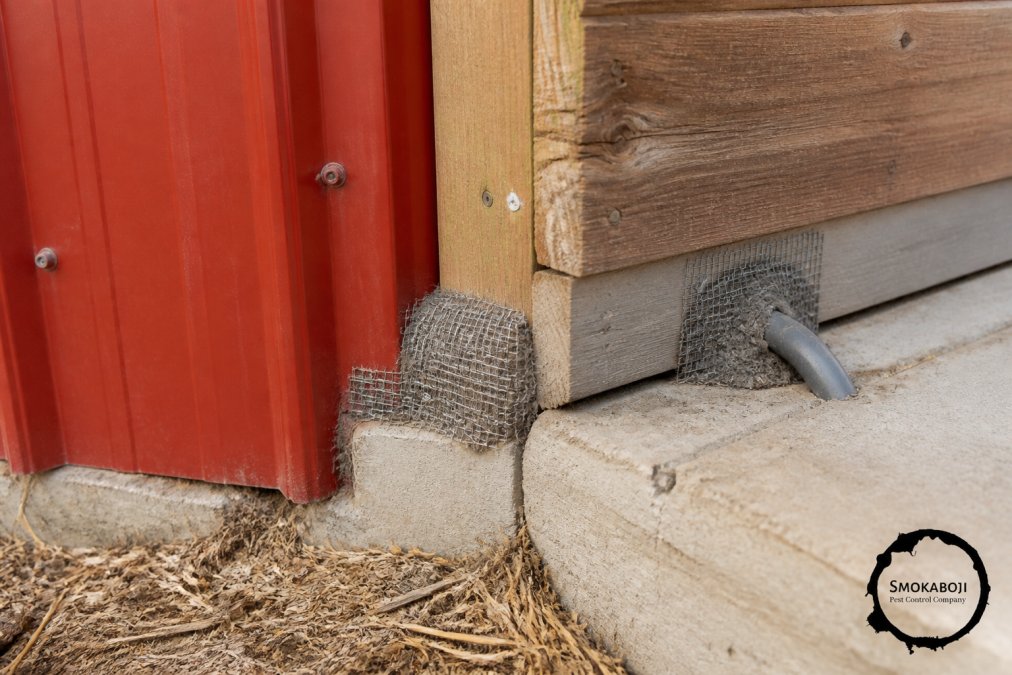
Use these materials to seal gaps:
- Steel wool, rodents cannot chew through it
- Hardware cloth, install over larger openings before sealing
- Concrete, patch foundation cracks permanently
- Metal flashing, cover gaps around doors and vents
- Caulk, seal small cracks around frames
Use durable materials that last years; rodents constantly test sealed areas, so temporary fixes fail quickly.
Install vent covers with mesh smaller than one-quarter inch to allow airflow while blocking rodent entry.
Recognize Signs of Rodent Infestation in Barns
Early detection stops infestations before they spread and saves time and money.
Fresh rodent droppings are dark and moist; older droppings are gray and crumbly. Look for them along walls, in corners, and near stored grain or feed.
Visible gnaw marks on wood beams, cardboard boxes, and stored materials indicate active rodents are present.
Shredded paper, fabric, and plant material packed into corners indicate nesting sites and established rodent populations.
Scratching, running, and squeaking sounds at night indicate active rodent movement.
Damaged feed bags and missing sections of stored grain indicate active foraging and attract more rodents.
Apply the Best Rodent Repellent for Farm Storage
Repellents work best combined with exclusion and sanitation to reduce rodent activity.
Natural repellents like peppermint oil and ammonia-soaked materials exploit rodents' dislike of strong odors, though effectiveness fades as odors dissipate.
Chemical deterrents work longer but require careful handling in areas inaccessible to animals and children, following all label instructions.
Ultrasonic devices show mixed results and work best as part of a complete strategy, not alone.
The most effective approach combines sealing entry points, removing food sources and clutter, using traps and bait stations strategically, applying repellents in targeted areas, and maintaining regular inspections.
Frequently Asked Questions
How do I know if I have a rodent infestation in my agricultural storage building?
Look for droppings near feed storage, gnaw marks on grain bags or wooden beams, and nesting materials in corners. You may also notice a musty odor or hear scratching sounds at night. Early detection prevents rodent populations from exploding. If you spot these signs of rodent infestation in barns, contact a licensed pest control professional to assess the extent of the problem.
What materials work best for rodent-proofing agricultural buildings?
Hardware cloth (1/4-inch mesh), steel wool, and metal flashing are the most effective rodent-proofing agricultural buildings materials because rodents cannot chew through them. Seal foundation cracks, gaps around pipes, and openings under doors with these materials. Combine physical barriers with regular inspections to maintain long-term protection against entry.
Is it safe to use chemical deterrents around livestock and stored feed?
Many chemical repellents can be harmful to animals and contaminate feed supplies. Non-toxic options like peppermint oil or ultrasonic devices are safer alternatives, though their effectiveness varies. For farm storage, exclusion methods and sanitation are more reliable than chemical deterrents. Consult a licensed pest control professional to select products safe for your specific situation.
Rodent problems on farms escalate quickly once they begin. Professional pest control specialists understand agricultural storage building vulnerabilities and rodent behavior patterns. Smokaboji Pest Control offers customized prevention plans tailored to your specific storage setup and seasonal risks. Contact us for a thorough inspection and protection strategy that keeps your facility rodent-free.