 How-to
How Do You Prevent Fungal Disease in Vegetables Organically?
Last Updated: November 7, 2026
Quick Summary
Organic fungal disease prevention for vegetables starts with the growing setup, not sprays. Choose a sunny site where leaves dry quickly, ensure good drainage, and space plants so air moves between them.
- Pick a sunny site where leaves dry quickly after rain or morning dew.
- Space plants so air moves between them, since crowded leaves trap humidity.
- Choose disease-resistant varieties when the seed packet lists them.
- Water at soil level and keep foliage dry.
- Remove infected leaves and plant debris promptly.
Table of Contents
- Start With Prevention: Site, Spacing, and Disease-Resistant Varieties
- Natural Fungicide for Vegetable Garden Use: Neem Oil, Copper, Sulfur, and Homemade Sprays
- Booking Help for Persistent Garden Problems With Smokaboji Pest Control
- Frequently Asked Questions
Start With Prevention: Site, Spacing, and Disease-Resistant Varieties
Organic fungal disease prevention for vegetables starts before you ever reach for a spray bottle. Most fungal problems come from conditions you can control: wet leaves, crowded plants, and poor airflow. Fix the setup first, and the sprays often become unnecessary.
Pick a sunny site where leaves dry quickly after rain or morning dew. If aphids are also weakening your plants, organic ways to control aphids on vegetables offer gentle options to pair with these prevention steps. Good drainage matters just as much. Standing water keeps soil and foliage damp for hours.
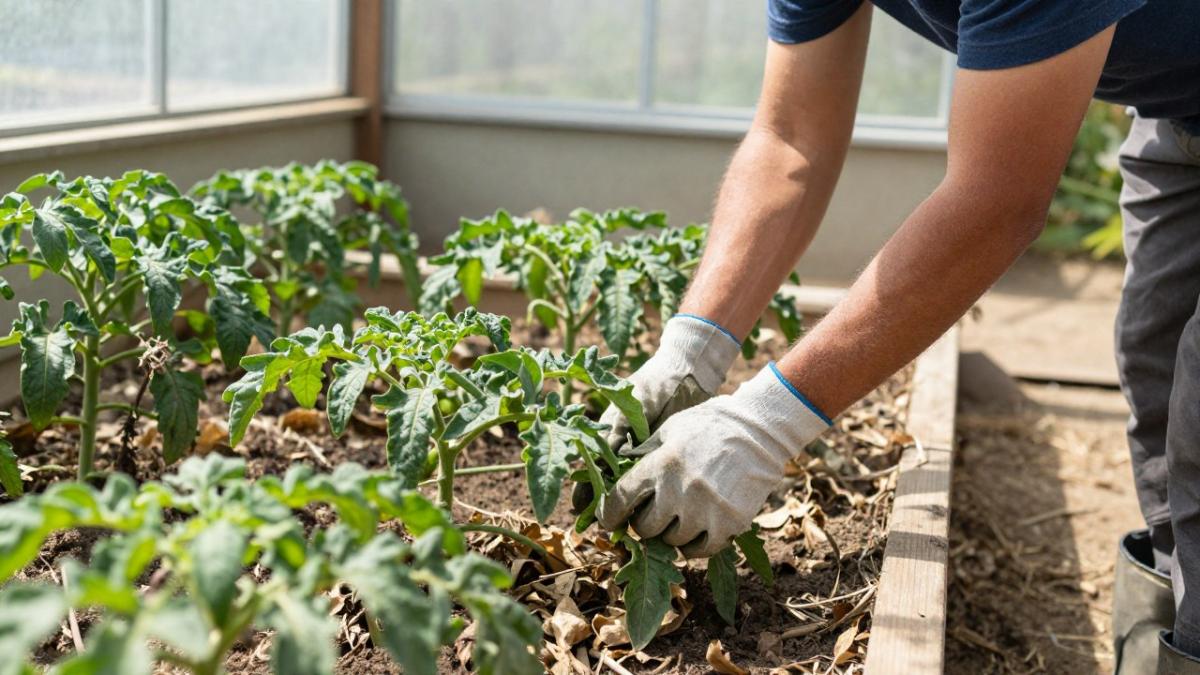
Space plants so air moves between them. Crowded leaves trap humidity, which is exactly what fungal spores need. Five beneficial insects can also help keep pest pressure and plant stress down in a healthy garden.
- Choose disease-resistant varieties when the seed packet lists them
- Buy healthy transplants with no yellow spots or wilting
- Water at soil level and keep foliage dry
- Remove infected leaves and plant debris promptly
The article's core prevention steps are summarised below so you can scan them quickly.
| Prevention step | What to do | Why it matters |
|---|---|---|
| Site choice | Pick a sunny spot | Leaves dry quickly after rain or dew |
| Drainage | Avoid standing water | Keeps soil and foliage from staying damp |
| Spacing | Space plants so air moves | Crowded leaves trap humidity |
| Variety | Choose disease-resistant varieties | Listed on the seed packet |
| Transplants | Buy healthy plants with no spots or wilting | Starts the bed with clean stock |
| Watering | Water at soil level, keep foliage dry | Limits moisture on leaves |
| Sanitation | Remove infected leaves and debris promptly | Stops spores from spreading |
Natural Fungicide for Vegetable Garden Use: Neem Oil, Copper, Sulfur, and Homemade Sprays
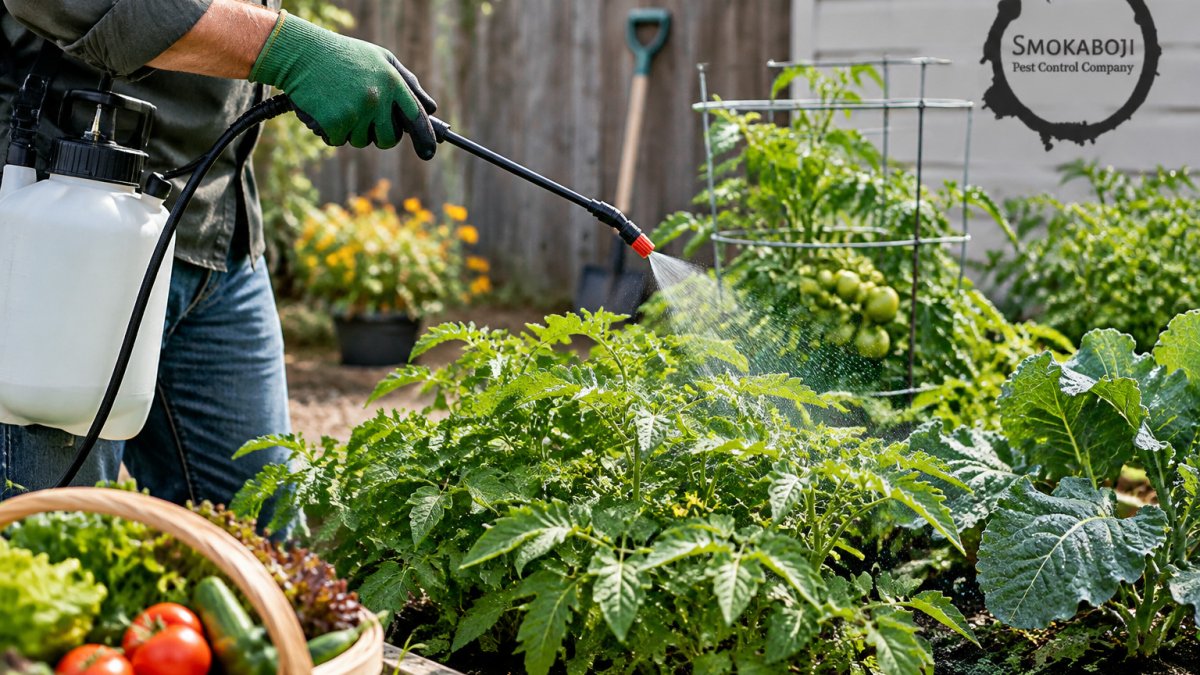
Organic sprays can help, but they work best as a preventive step, not a cure for a plant already badly infected. Always follow the product label for rates, timing, and which crops it is approved for. For a broader look at organic pest control options for vegetable gardens, see the related guide.
Homemade sprays such as diluted baking soda or milk solutions are popular, but results vary. Test them on a few leaves before treating the whole bed. Apply in the cool part of the day and cover both sides of the leaves.
Booking Help for Persistent Garden Problems With Smokaboji Pest Control
If fungal problems keep coming back, or you cannot tell whether a spot is disease or insect damage, professional help can save time. Smokaboji Pest Control serves homeowners and rural properties across Northwest Iowa and Southwest Minnesota. Contact Smokaboji Pest Control for current pricing or a quote on pest management around your property.
Frequently Asked Questions
What is the strongest natural antifungal for plants?
Copper-based products and sulfur are the most widely used organic options for fungal disease on vegetables, and both are approved for organic production when the product label lists your crop and target disease. Neem oil also has fungicidal activity against powdery mildew and some leaf spots when applied early and repeated as directed. No single product works on every disease, so match the material to the pathogen and always follow the label rate, timing and pre-harvest interval for food crops.
Can neem oil prevent fungal diseases on vegetables?
Neem oil can help prevent some fungal diseases on vegetables, particularly powdery mildew, when it is applied before symptoms appear and reapplied as the label directs. It works best as part of a prevention plan that includes good air circulation, watering at soil level and removing infected leaves. Neem oil will not cure a severe infection, and it can injure plants in hot sun, so test a small area first and apply during cooler parts of the day.
Do milk or baking soda sprays help prevent plant fungal diseases?
Milk and baking soda sprays are popular home remedies and can slow some fungal diseases, such as powdery mildew, when used early and reapplied after rain. Results vary by crop and disease, and home mixtures are not labeled products, so they carry no guaranteed efficacy or regulatory approval. Use them as a supplement to sanitation and spacing rather than a replacement, and check leaves for leaf burn after application.