 How-to
Natural Ways to Control Aphids on Vegetables
Last Updated: November 5, 2026
Quick Summary
The most effective natural way to control aphids on vegetables is to spray them off with a strong jet of water, aimed at leaf undersides and stems, and repeat every few days. Hand-crushing small clusters and using a mild soap-and-water spray also work well without harsh chemicals.
- Aim a steady water jet at leaf undersides and stems to knock aphids loose.
- Repeat water treatments every few days until the colony is gone.
- Crush small clusters by hand, wearing gloves, and check plants regularly.
- Mix mild liquid soap with water and coat the undersides of affected leaves.
- Encourage ladybugs and avoid broad-spectrum sprays that kill beneficial insects.
Table of Contents
- How to Get Rid of Aphids on Vegetable Plants
- Best Homemade Spray for Aphids and Natural Aphid Spray Vinegar
- Keeping Your Garden Aphid-Free Long Term
- Frequently Asked Questions
Aphids on vegetables can take over a bed in a matter of days. Their tiny, soft bodies cluster on tender shoots and leaf undersides, sucking sap and leaving behind sticky honeydew that can draw ants. The good news is that you don't need harsh chemicals to get them under control. Gardeners across the country rely on simple, low-risk methods that work well on most vegetables.
How to Get Rid of Aphids on Vegetable Plants
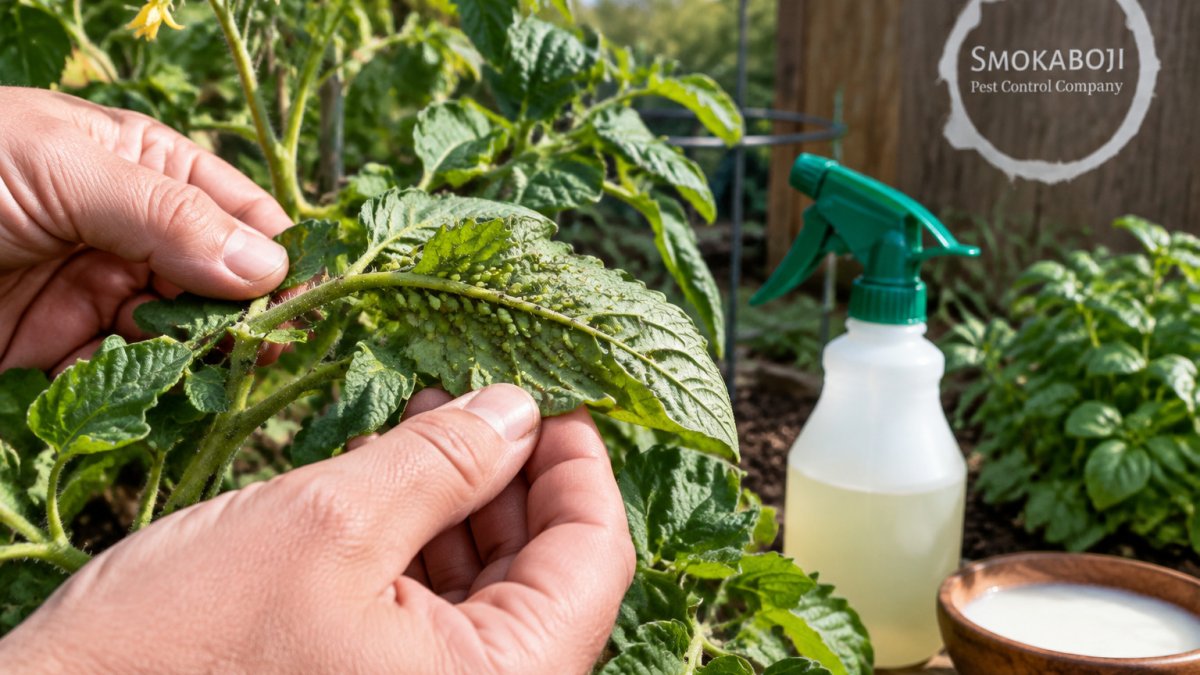
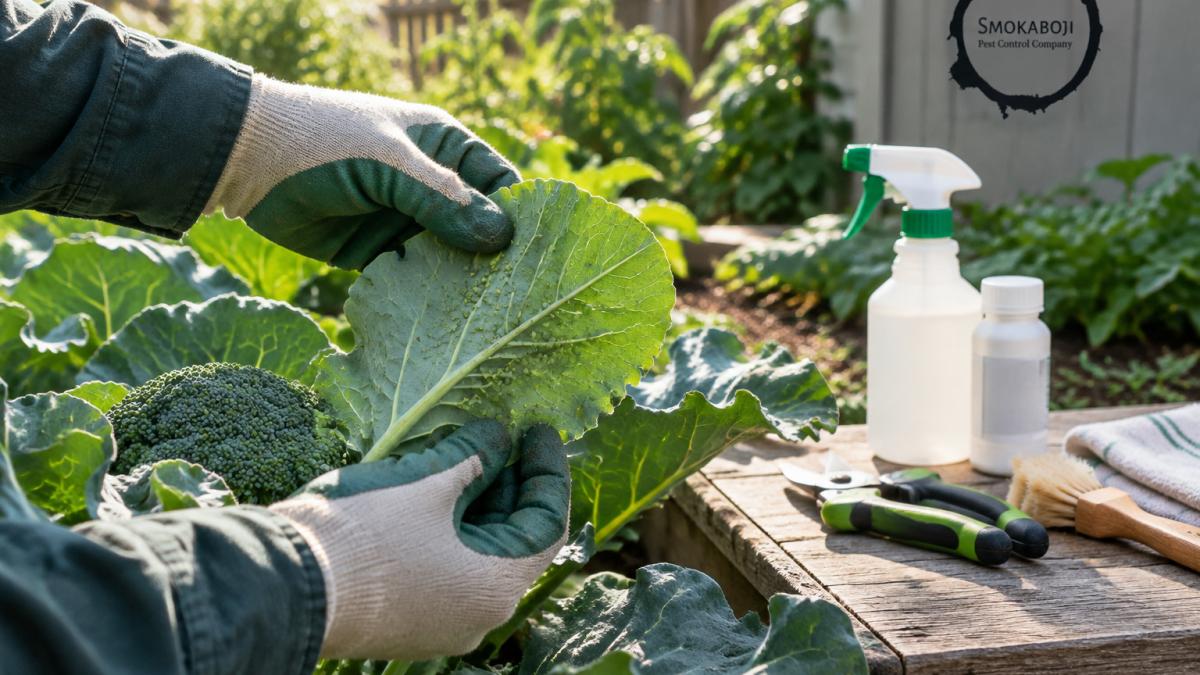
Start with a strong spray of water. Explore more organic pest control methods for vegetable gardens. Aim a steady jet at the undersides of leaves and stems to knock aphids loose. Repeat every few days until the colony is gone.
- Pros: Cheap, safe for edible plants, no residue.
- Cons: Needs repeat treatments and won't stop a heavy infestation alone.
You can also crush small clusters of aphids on vegetables by hand. Wear gloves and check plants regularly for early signs, since catching them early makes control much easier.
Here is a quick comparison of the two main hands-on methods covered above.
| Method | Best for | Key drawback |
|---|---|---|
| Strong water spray | Knocking aphids off leaves and stems | Needs repeat treatments |
| Hand crushing | Small clusters caught early | Requires checking plants regularly |
Best Homemade Spray for Aphids and Natural Aphid Spray Vinegar
A simple soap-and-water spray is the most common homemade option. Mix a small amount of mild liquid soap with water and spray the affected leaves, making sure to coat the undersides.
- Pros: Inexpensive and easy to mix at home.
- Cons: Can stress some plants, so test a leaf first.
Vinegar sprays are also popular, but use them with care. Learn how to use diatomaceous earth safely as another natural option. Diluted vinegar can burn leaves, so keep the mix weak and avoid spraying in full sun.
Keeping Your Garden Aphid-Free Long Term
Encourage natural predators like ladybugs, which feed heavily on aphids. Learn which beneficial insects to attract to your vegetable garden. Avoid broad-spectrum sprays that kill them too. Check your plants weekly, and keep the bed free of weeds that give aphids a place to hide.
Frequently Asked Questions
What do aphids hate the most?
Aphids are sensitive to soap-and-water sprays, neem oil and strong jets of water, which knock colonies off plants. They also suffer when natural predators such as ladybugs and lacewings are present in the garden. Keeping plants healthy and avoiding excess nitrogen fertilizer makes tender new growth less attractive to them, which lowers the chance of a large outbreak in the first place.
Can vinegar spray damage vegetable plants?
Yes. Undiluted vinegar can burn leaves and cause phytotoxicity, especially on young or stressed plants. If you use a vinegar spray for aphids, dilute it well, test it on a few leaves first, and avoid spraying in strong sun or heat. Rinse produce thoroughly before harvest and check each vegetable type for sensitivity before treating the whole plant.