 Ultimate guide
5 Beneficial Insects for Vegetable Gardens
Last Updated: October 24, 2026
Quick Summary
Beneficial insects for vegetable gardens are natural predators, parasitoids, and pollinators that protect your crops without synthetic pesticides. Ladybugs eat dozens of aphids daily, lacewings target mealybugs, and parasitic wasps lay eggs inside pests, creating a self-regulating system that requires less intervention over time.
- Ladybugs eat dozens of aphids daily and are the most recognizable beneficial insects
- Plant nectar-rich flowers like alyssum, yarrow, and dill to attract hoverflies and parasitic wasps
- Provide shallow water sources and leave leaf litter for beneficial insects to overwinter
- Never treat plants in bloom with pesticide, even organic ones, as it kills beneficial insects
- Gardens with diverse beneficial insect populations experience fewer pest outbreaks than those treated with pesticides alone
Table of Contents
- Why Beneficial Insects Matter for Vegetable Gardens
- How to Attract Beneficial Insects to Your Garden
- Beneficial Insects That Eat Aphids and Other Common Pests
- Frequently Asked Questions
Why Beneficial Insects Matter for Vegetable Gardens
Beneficial insects are natural predators, parasitoids, and pollinators that protect your vegetable garden without synthetic pesticides. Organic pest control for vegetable gardens provides context on complementary methods that work alongside these natural allies.
Cultivating beneficial insects for vegetable gardens builds a self-regulating system: ladybugs consume aphids by the hundreds, lacewings target mealybugs, and parasitic wasps lay eggs inside pests.
The real advantage emerges over time. A garden rich in beneficial insects requires less intervention each season. Your vegetables grow stronger because pollinators like bees and butterflies ensure good fruit set. Predatory beetles and spiders patrol constantly, catching pests before infestations take hold. University extension research on integrated pest management confirms that gardens with diverse beneficial insect populations experience fewer pest outbreaks than those treated with pesticides alone.
How to Attract Beneficial Insects to Your Garden
Beneficial insects need nectar, pollen, and shelter. Alyssum, yarrow, and dill attract hoverflies and parasitic wasps; native wildflowers feed them in early spring and late fall.
Plant in dense clusters, never treat plants in bloom with pesticide, even organic ones kill the insects you're attracting, and leave some areas unmulched for ground-dwelling beetles and spiders.
Water matters too. Beneficial insects need shallow water sources. A saucer filled with pebbles and water gives them safe drinking spots. Maintain some leaf litter and dead wood; many beneficial insects overwinter in these protected spaces. Organic pest control for vegetable gardens covers complementary methods that work alongside beneficial insects.
Beneficial Insects That Eat Aphids and Other Common Pests
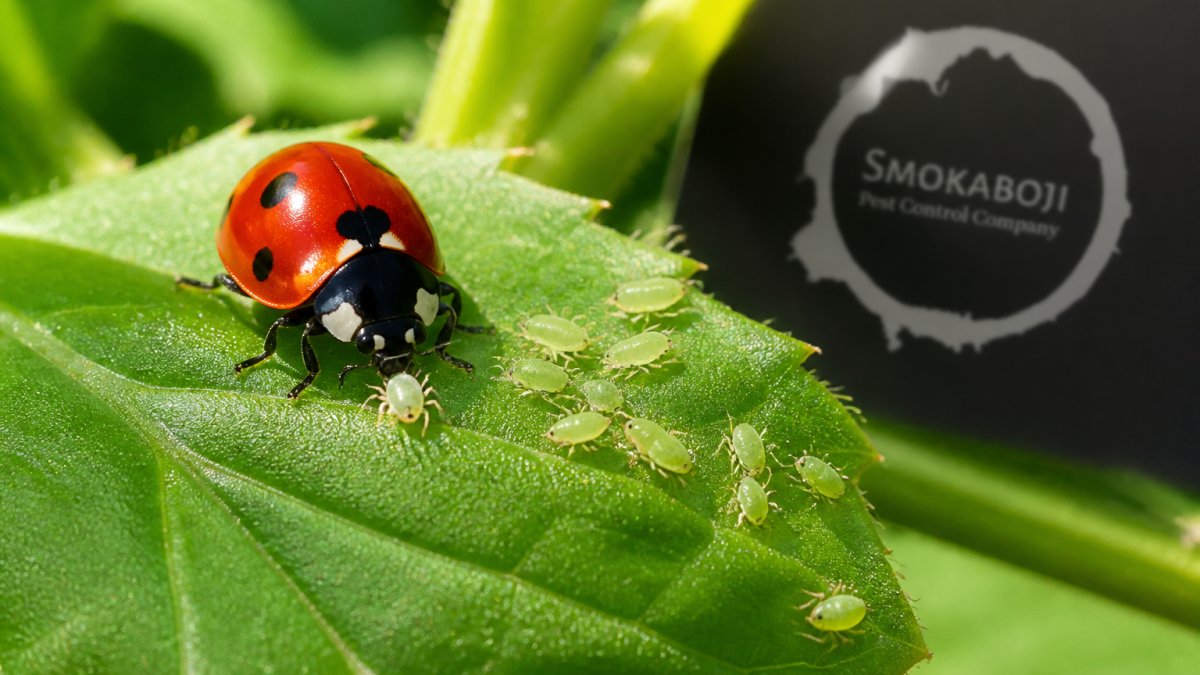
Lady beetles are the most recognizable beneficial insects for vegetable gardens, with a single ladybug eating dozens of aphids daily. Lacewing larvae prey on mealybugs, whiteflies, and scale insects; hoverfly larvae eat aphids and thrips.
Parasitic wasps lay eggs inside aphids, whiteflies, and caterpillars, while praying mantises catch whatever lands nearby and predatory mites hunt spider mites.
Ground-dwelling beetles, spiders, and dragonflies round out your pest control team. These predators hunt grubs, grasshoppers, and flying insects. Identifying common farm pests in rural homes helps you recognize which pests your beneficial insects target, so you can match the right allies to your specific pest problems.
Building beneficial insects for vegetable gardens takes patience, but the payoff compounds each season. Start by planting nectar-rich flowers, avoiding pesticides during bloom, and providing water and shelter. When pest pressure builds beyond what your beneficial insects can handle, professional pest management becomes the practical choice. How to use diatomaceous earth for pest control safely offers another organic option when integrated approaches need reinforcement. How to use diatomaceous earth for pest control safely offers another organic option when integrated approaches need reinforcement.
Here are the key beneficial insects that control common vegetable garden pests.
| Insect | Pests It Targets | Hunting Method |
|---|---|---|
| Ladybug | Aphids | Eats dozens daily |
| Lacewing larvae | Mealybugs, whiteflies, scale insects | Preys on soft-bodied pests |
| Hoverfly larvae | Aphids, thrips | Preys on small insects |
| Parasitic wasps | Aphids, whiteflies, caterpillars | Lays eggs inside pests |
| Praying mantis | Whatever lands nearby | Catches flying and crawling insects |
| Predatory mites | Spider mites | Hunts mites |
| Ground beetles | Grubs, grasshoppers | Hunts soil and ground pests |
| Spiders | Grubs, grasshoppers, flying insects | Hunts multiple pest types |
Frequently Asked Questions
What are the best beneficial insects for vegetable gardens?
Lady beetles, lacewings, hoverflies, parasitic wasps, and praying mantises are top choices. Lady beetles eat aphids and mealybugs. Lacewing larvae consume soft-bodied insects like whiteflies. Hoverfly larvae feed on thrips and scale insects. Parasitic wasps lay eggs in pest insects, eliminating them from inside. Praying mantises hunt a wide range of garden pests. Each targets different problem insects, so combining several species gives broader pest control.
How do I attract beneficial insects to my vegetable garden?
Plant flowering herbs like dill, fennel, and cilantro near your vegetables. These provide nectar and pollen that beneficial insects need. Avoid broad-spectrum pesticides, which kill both pests and their natural enemies. Leave some leaf litter and mulch for shelter. Provide a shallow water source. Plant diverse crops rather than monocultures. Many beneficial insects need habitat diversity to thrive, so mix vegetables with flowers and herbs throughout the season.
Can beneficial insects handle a serious pest infestation on their own?
Beneficial insects work best as prevention or for light to moderate pest pressure. If you have a heavy infestation of aphids, caterpillars, or grubs, natural enemies may take weeks to catch up. In that case, you may need faster intervention, either targeted organic sprays, hand-removal, or professional pest control.