 how-to
Organic Pest Control for Vegetable Gardens
Table of Contents
- Identify Common Vegetable Garden Pests and How to Control Them
- Use Row Covers for Vegetable Garden Pest Prevention
- Apply Organic Insecticides Safe for Vegetables and Homemade Sprays
- Frequently Asked Questions
Last Updated: October 8, 2026
Identify Common Vegetable Garden Pests and How to Control Them
Identifying garden pests is the first step in organic pest control vegetables, knowing your pest helps you pick the right treatment.
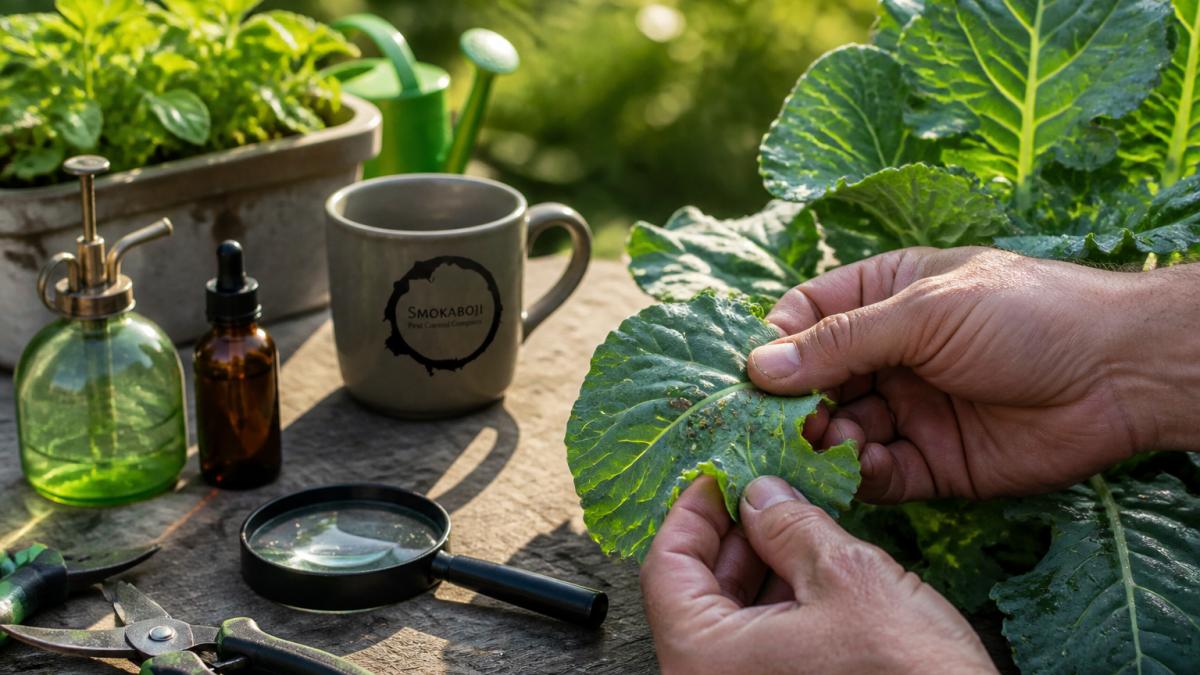
Soft-bodied insects include aphids (sticky residue on stems and leaf undersides), whiteflies (flutter when disturbed), and caterpillars (chew visible holes). Hard-bodied pests like wireworms and allium leaf miners hide in soil or plant tissue, causing wilting or tunneling.
Look for yellowing or curling leaves, holes or skeletonized foliage, sticky residue or webbing, stunted growth or wilting, and insects on stems or undersides.
At Smokaboji Pest Control, we recommend inspecting plants weekly during growing season, checking both sides of leaves and the soil surface, and monitoring new growth closely since pests prefer tender shoots.
Use Row Covers for Vegetable Garden Pest Prevention
Physical barriers like row covers prevent pests from reaching plants in the first place. This organic pest control method works best for young plants or crops vulnerable during early growth.
Row covers are lightweight fabric sheets that sit on plants or over hoops, blocking insects while letting sunlight and water through. Install them at planting time before pests arrive, and remove them during flowering if your crop needs pollinators.
They block aphids, whiteflies, caterpillars, and allium leaf miners, need no sprays while covered, are reusable, safe for beneficial insects and pollinators, and work immediately.
Mesh offers finer protection for tiny pests like wireworms or leaf miners, while standard row covers suit most gardens. Secure edges with soil, stakes, or pins to prevent insects crawling underneath.
Remove covers before flowering unless your crop self-pollinates. Covers work best on spring plantings when pest populations are still building; summer plantings may need them only for the first 3-4 weeks.
Apply Organic Insecticides Safe for Vegetables and Homemade Sprays
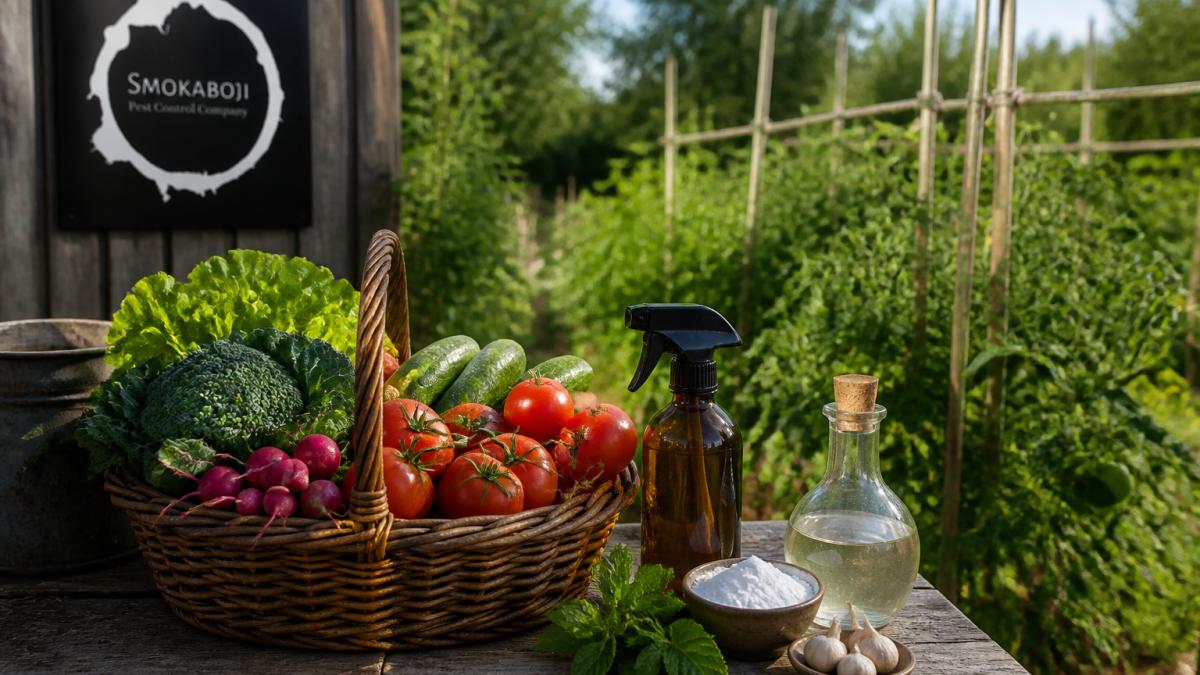
When prevention fails, organic pest control vegetables options include neem oil, insecticidal soap, and homemade castile soap remedies.
Neem oil disrupts insect feeding and reproduction; mix per label, spray in early morning or late evening to avoid leaf burn, and reapply every 7-10 days. It works best on young insects before they develop hard shells.
Insecticidal soap breaks down soft-bodied pests' protective coating, spray directly on insects, since coverage matters more than volume. Homemade castile soap works, though commercial products are more consistent.
Scout to confirm pests, mix per directions, spray in early morning or evening (not midday heat), cover all leaf surfaces especially undersides, repeat every 7-14 days, and stop one week before harvest.
Pyrethrum, derived from chrysanthemum flowers, works on a broader range of insects. It breaks down quickly in sunlight, making it safe near harvest. Follow label timing carefully for food safety.
Monitor after treatment: most organic sprays need repeat applications because they lack residual protection. Combine them with row covers, beneficial insects, or companion planting for best results.
Vegetable garden pests don't have to derail your harvest. Start with identification and prevention through row covers and companion planting; when sprays become necessary, organic options like neem oil and insecticidal soap deliver results without synthetic chemicals. For persistent infestations, contact Smokaboji Pest Control for customized pest management plans tailored to your specific challenges.
Frequently Asked Questions
How do I identify common pests in a vegetable garden?
Look for visible insects on leaves and stems, and check for damage patterns. Aphids appear as tiny clusters on soft plant tissue. Caterpillars leave ragged holes in leaves. Whiteflies create yellowing and sticky residue. Wireworms bore into roots and seeds. Inspect both leaf surfaces and soil around plants. Early identification allows you to act before pest populations explode and cause serious damage to your crops.
Are neem oil and insecticidal soap safe to use on vegetables?
Yes, both are approved organic pest control options safe for vegetables when used as directed. Neem oil disrupts soft-bodied insects like aphids and whiteflies. Insecticidal soap works similarly on contact. Always spray in the evening to avoid harming pollinators, and follow label instructions for application timing and harvest intervals. Test on a small area first to ensure plant tolerance.
What is the best homemade organic pest spray for vegetables?
A simple castile soap spray works well for soft-bodied insects. Mix 1 tablespoon of liquid castile soap with 1 quart of water and spray directly on affected plants. For stronger control, add a few drops of neem oil. Vinegar solutions are less effective than soap-based sprays. Always spray in early morning or late evening, avoid midday heat, and reapply after rain. Test on a few leaves first to check for phytotoxicity.