 Ultimate guide
Seasonal Pest Maintenance for Vacation Homes Guide
Last Updated: October 30, 2026
Quick Summary
Seasonal pest maintenance for vacation homes is a scheduled set of tasks timed to the seasons when pest activity rises, so empty properties stay clear of mice, spiders, and other pests. Spring and fall checks cover sealing entry points, clearing debris, removing food sources, and fixing leaks.
- Walk the exterior and check doors, window screens, and vents for gaps.
- Seal cracks and utility penetrations around pipes and cables.
- Clear leaf litter, firewood, and debris away from the foundation.
- Remove food sources, including pet food and anything left in the pantry.
- Inspect bedding, upholstery, and door bottoms before vacancy and again on return.
Table of Contents
- Seasonal Pest Maintenance Checklist for Vacation Homes
- Vacant Home Pest Inspection: What to Check Before and After Vacancy
- How to Keep Mice Out of a Cabin and Pest Prevention Between Guest Stays
- Frequently Asked Questions
Vacation homes sit empty for long stretches, and pests notice. A cabin or lake house that goes unchecked for weeks can host mice in the walls, spiders at the dock, or stowaways riding in on luggage. Seasonal maintenance is a practical approach for keeping these homes clear. This guide covers the checklist, the vacancy inspection, and the steps that keep rodents out between guest stays.
Seasonal Pest Maintenance Checklist for Vacation Homes
Seasonal pest maintenance for vacation homes means a scheduled set of tasks timed to the times of year when pest activity rises. Property owners can work through these in spring and fall:
- Walk the exterior and check doors, window screens, and vents for gaps.
- Seal cracks and utility penetrations around pipes and cables.
- Clear leaf litter, firewood, and debris away from the foundation.
- Remove food sources, including pet food and anything left in the pantry (the EPA).
- Check for leaks and standing water, which attract insects and rodents.
- Consider scheduling a professional inspection before the busy season begins. Preparing the home for treatment covers the practical steps to get the property ready.
Vacant Home Pest Inspection: What to Check Before and After Vacancy
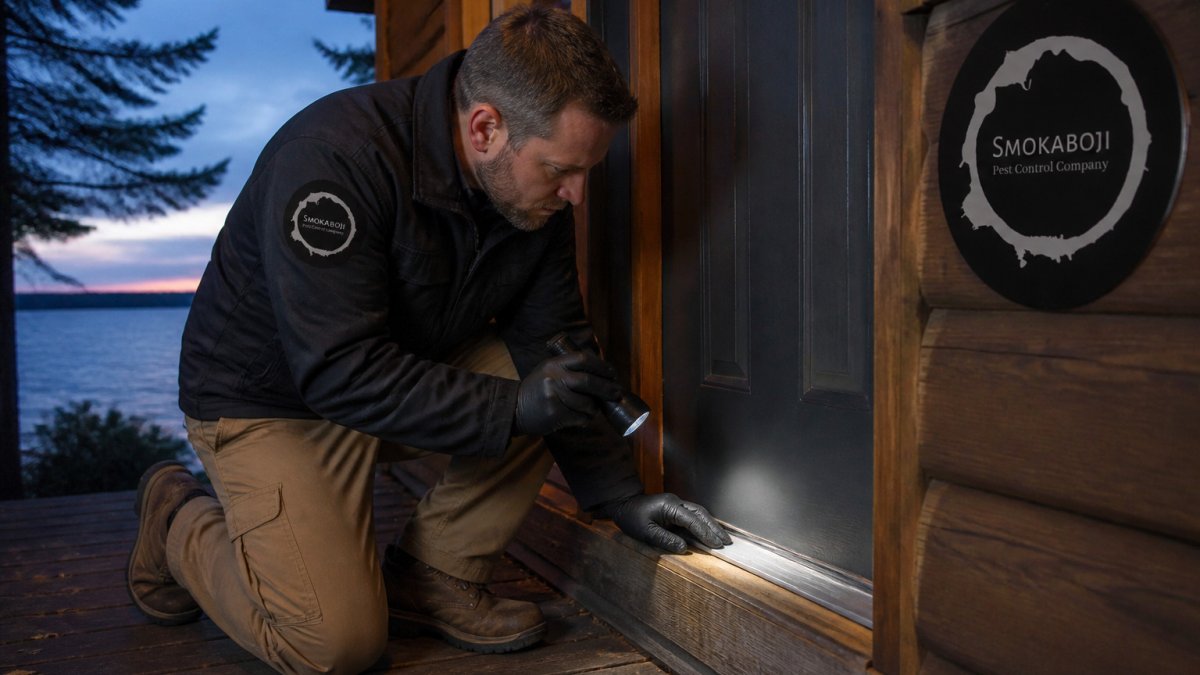
Inspect the home before it sits empty and again when you return. Focus on bedding, upholstery, and the sealed bottom edges of doors, where pests enter. A flashlight and a few minutes at dusk can help you spot droppings, gnaw marks, or trails. Step-by-step mattress checks show exactly how to inspect bedding and furniture. Note anything unusual and act on it before the next guest arrives.
How to Keep Mice Out of a Cabin and Pest Prevention Between Guest Stays
Mice need only a small gap to enter, so sealing the foundation and garage door is an important step. Guidance on sealing a rural home foundation walks through each entry point to address. Between guest stays, clear food, wipe counters, and store trash in sealed containers. For specific treatment questions, contact Smokaboji Pest Control for a consultation. Why pests return after treatment explains the common causes and how to prevent a repeat.
Frequently Asked Questions
How often should a vacation home be treated for pests?
Most vacation homes benefit from a professional inspection at least twice a year, timed to the spring and fall seasons when pest activity shifts. Properties with lake access, wooded surroundings, or long periods of vacancy may need more frequent visits. Between professional visits, check entry points, clear food and moisture sources, and document any sightings so your service provider can adjust the treatment plan. Pricing depends on property size, the number of visits, and the services chosen, so request a quote from Smokaboji Pest Control for current rates.
How can you prevent mice from entering a seasonal home?
Mice enter through gaps as small as a dime, so seal cracks around foundations, pipes, and utility penetrations with steel wool and exterior-grade caulk. Check door sweeps, window screens, and vents before the cold season. Store food in sealed containers, remove clutter from the attic and basement, and trim vegetation touching the structure. Regular seasonal inspections catch new entry points early, which keeps mouse prevention effective when the home sits empty.
What should a vacation-home pest inspection include?
A thorough inspection covers doorways, windows, screens, pipes, and utility penetrations, plus attics, basements, crawl spaces, and kitchen storage areas. Technicians look for droppings, nesting material, and signs of moisture or leaks that attract pests. For homes that sit vacant, the inspection should also review furniture, mattresses, and upholstery for early activity. Ask your pest control provider to document findings so you can track changes between visits.
Ready to keep your vacation home pest-free year-round? Contact Smokaboji Pest Control to set up a seasonal maintenance plan tailored to your property.