 how-to
How to Prepare Your Home for Pest Treatment
Table of Contents
- Pre-Treatment Prep: Kitchen, Clutter, and Access
- Pet Safety During Pest Extermination and Re-Entry Timing
- Conclusion
- Frequently Asked Questions
Last Updated: September 15, 2026
Pre-Treatment Prep: Kitchen, Clutter, and Access
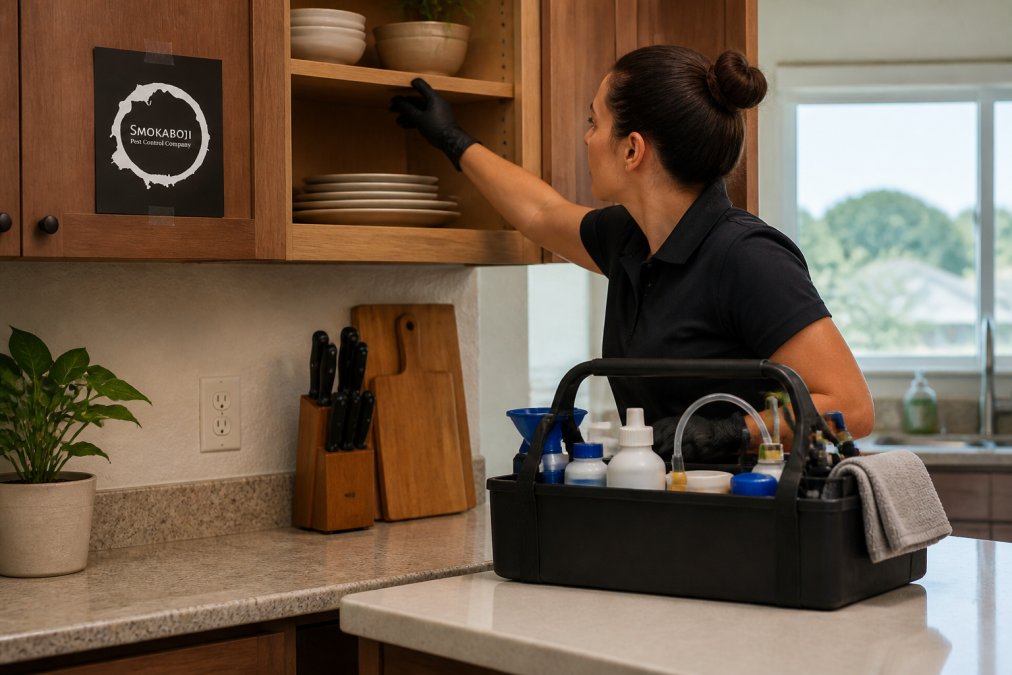
Preparing your home for pest treatment comes down to three moves: clear the kitchen, cut the clutter, and open every access point. At Smokaboji Pest Control, we see the same pattern on repeat: thorough prep is the difference between a visit that holds and one you repeat in six weeks.
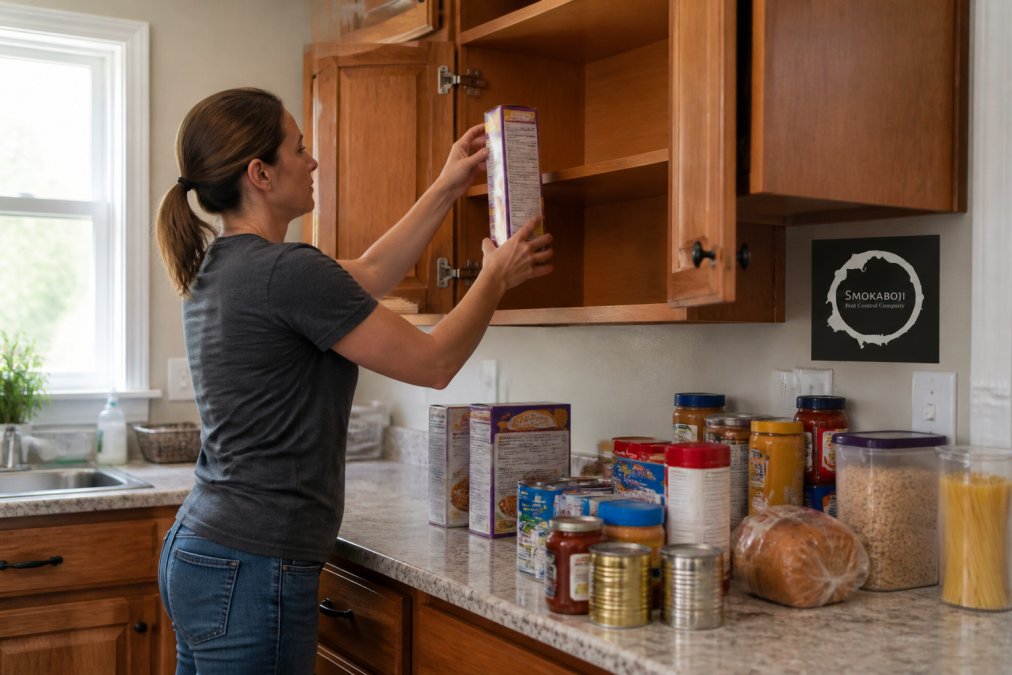
Kitchen and pantry. Empty lower cabinets and pull pantry staples off the shelves. Bag everything, set it on the counter, and wipe shelves down to dry.
Clutter and access. Move furniture a few inches off baseboards, clear closet floors, and pull items away from walls so the technician can reach cracks, voids, and structural access points.
Pets, kids, and aquariums. Cover fish tanks and switch off aquarium aeration during the visit (extension.psu.edu). Pick up pet bowls and toys. Wash children's toys after the re-entry window closes.
| Prep Task | Do It When | Why It Matters |
|---|---|---|
| Clear cabinets and pantry | Day before | Prevents food contamination |
| Pull furniture off baseboards | Day before | Opens structural access |
| Cover aquariums, stop aeration | Morning of | Prevents chemical exposure |
| Bag and store toys | Morning of | Cuts toxic residue risk |
| Vacuum floors and edges | Day before | Boosts residual treatment |
Pet Safety During Pest Extermination and Re-Entry Timing
Pet safety during pest extermination starts with removal: take pets off-site for the treatment window. Most products need a re-entry time of a few hours once surfaces dry, but ask your pest management professional for the exact figure, since it varies by formulation and application method (the EPA).
For how long to stay out of house after pest control, it depends on the treatment. A general spray typically allows re-entry once dry, while foggers, gel bait in kitchens, and bed bug work can require longer. Follow the technician's written instructions, not a general rule from the internet.
What to do with food during pest control is straightforward. Seal pantry staples in bags or bins, or move them to another room. Discard any food left uncovered during the visit (Health and Safety Information). Wash counters and utensils before use.
Conclusion
Preparation is not busywork. It is the part of the pest treatment you control, and it decides how well the visit works. Smokaboji Pest Control handles the rest with licensed, insured technicians, customized treatment plans, and preventative maintenance built for Northwest Iowa and Southwest Minnesota homes. Get started with Smokaboji Pest Control and a pest-free home.
Frequently Asked Questions
Should I clean my house before an exterminator comes?
Yes, basic cleaning helps the pest treatment work better. Vacuum floors and baseboards, wipe down counters, and clear clutter from floors and closets. You do not need to deep clean, but removing crumbs, grease, and debris eliminates competing food sources. Do not use harsh cleaners right before the visit because strong chemical residue can interfere with gel baits and residual sprays your technician applies. Focus on sanitation and access rather than scrubbing every surface.
Do I need to empty my kitchen cabinets for pest control?
For most general pest treatments, you do not need to empty cabinets. If your technician is treating inside cabinets for cockroaches or pantry pests, remove open food packages, dishes, and utensils from those specific cabinets. Seal pantry staples in airtight containers or move them to another room. For fumigation, all food, medications, and pet supplies must be removed or double-bagged. Ask your pest management professional exactly which cabinets they need cleared before the visit.
What should I do with pets during a pest control treatment?
Remove pets from the home before the technician arrives. This includes dogs, cats, birds, reptiles, and fish. For aquariums, turn off the air pump and cover the tank tightly with plastic to prevent chemical exposure. Remove pet food bowls, water dishes, and toys from treated areas. Ask your technician when it is safe for pets to return, which is typically after sprays have dried and ventilation has cleared the air.