 how-to
How to Prevent Wasps From Building Nests Under Eaves
Table of Contents
- When Do Wasps Build Nests? Timing Your Prevention Right
- Signs of Wasp Infestation Under Roof and Soffit Areas
- Step-by-Step: How to Prevent Wasps From Building Nests Under Eaves
- What You'll Need
- Step 1: Inspect Every Eave and Overhang [Time: 30 minutes]
- Step 2: Seal Cracks and Crevices [Time: 45 minutes]
- Step 3: Screen Vents and Soffits [Time: 45 minutes]
- Step 4: Apply a Deterrent [Time: 20 minutes]
- Step 5: Remove Attractants [Time: 30 minutes]
- Step 6: Repeat Through the Season [Time: 15 minutes monthly]
- Natural Wasp Repellents for Home Use
- When to Call a Professional
- Structural Modifications That Keep Wasps Out
- Frequently Asked Questions
Last Updated: September 19, 2026
When Do Wasps Build Nests? Timing Your Prevention Right
Wasps build nests from late spring through midsummer, in the upper Midwest, roughly May through August. Queens emerge from winter dormancy seeking protected sites like eaves, soffits, and overhangs. Most homeowners wait until they see wasps, but by then the colony is established, prevention must start before the queen settles in.
Signs of Wasp Infestation Under Roof and Soffit Areas
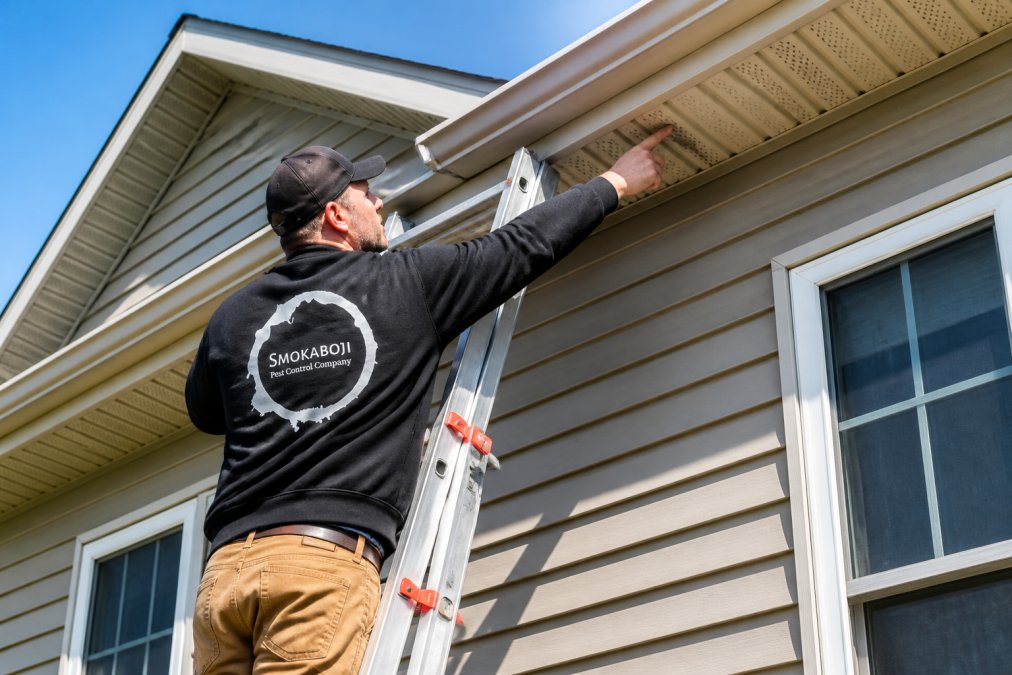
The clearest sign is steady wasp traffic near the eaves, insects flying in and out of one spot. Watch for papery nests or gray combs under overhangs, buzzing from soffits or wall voids, staining below the roofline, or activity near attic vents and fascia boards. Paper wasps and mud daubers are the usual suspects; check in the morning when wasps are sluggish.
Step-by-Step: How to Prevent Wasps From Building Nests Under Eaves
You can prevent wasps from building nests under eaves by sealing entry points, removing attractants, and applying deterrents before the active season.
What You'll Need
- Silicone-based caulk and caulk gun
- Fine mesh screen and staple gun
- Sealant for cracks and crevices
- Pump sprayer
- Protective gear: gloves, long sleeves, safety glasses
Step 1: Inspect Every Eave and Overhang [Time: 30 minutes]
Walk the perimeter and check fascia boards, soffits, and vents, noting every crack, gap, and opening a queen targets.
Step 2: Seal Cracks and Crevices [Time: 45 minutes]
Fill small gaps with silicone-based caulk, especially where siding meets the roofline, and seal around pipes, wires, and exterior penetrations.
Step 3: Screen Vents and Soffits [Time: 45 minutes]
Cover attic, soffit, and dryer vents with fine mesh screen, stapled tight, this keeps wasps out while allowing ventilation.
Step 4: Apply a Deterrent [Time: 20 minutes]
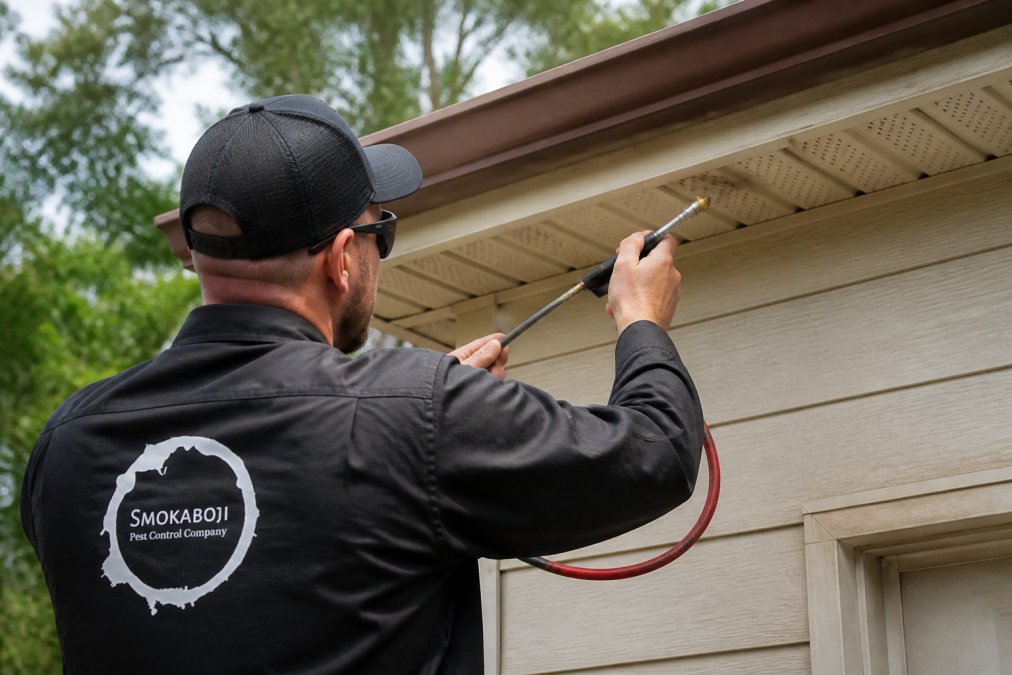
Spray eaves with a residual deterrent using a pump sprayer, focusing on overhangs and sheltered corners, and reapply as directed through the season.
Step 5: Remove Attractants [Time: 30 minutes]
Clear away old nests, debris, fallen fruit, open trash, and standing water near the foundation, since wasps hunt insects and seek sugars.
Step 6: Repeat Through the Season [Time: 15 minutes monthly]
Recheck eaves every few weeks, fix new gaps, and reapply deterrent as needed, consistency keeps wasps from settling in.
Natural Wasp Repellents for Home Use
Natural wasp repellents include peppermint oil, clove oil, and vinegar sprays, mild deterrents, not killers, that mask scents and make treated areas less appealing. Mix water with a few drops of peppermint or clove oil, apply to eaves and overhangs, and reapply after rain. Other options include decoy nests, plant deterrents like wormwood, mint, and eucalyptus, and soap-and-water spray for small reachable nests.
When to Call a Professional
Call a professional for an active nest larger than a fist, wasps entering a wall void, or anyone in the home with a sting allergy. At Smokaboji Pest Control, we handle wasp and stinging insect problems for homes and businesses across Northwest Iowa and Southwest Minnesota. Our licensed and insured technicians use professional-grade treatments and offer preventative maintenance plans.
Structural Modifications That Keep Wasps Out
Small exterior changes make your home far less inviting to wasps and pay off season after season.
- Seal all exterior gaps with silicone-based caulk and expanding foam
- Install tight-fitting screens on vents and openings
- Repair damaged fascia and soffit to eliminate voids
- Keep gutters clean and trim back trees and shrubs from the roofline
Frequently Asked Questions
What time of year do wasps stop building nests?
Wasps stop building new nests in late fall when temperatures drop and the colony dies off. Only fertilized queens survive winter, emerging in spring to start fresh nests. This makes late fall and early spring the best times to seal entry points and apply deterrents before new colonies form. In Northwest Iowa and Southwest Minnesota, wasp activity typically peaks from July through September.
Are there natural scents that repel wasps from eaves?
Yes. Peppermint oil, clove oil, lemongrass, and eucalyptus are common natural wasp repellents for home use. Mix a few drops with water in a spray bottle and apply to eaves, soffits, and overhangs. Reapply every few weeks, especially after rain, since essential oils break down quickly. These scents work as a deterrent, not a killer, so pair them with sealing cracks and screening vents for lasting results.
When is the best time to inspect eaves for early nest building?
Inspect your eaves in early spring once temperatures consistently stay above 50 degrees Fahrenheit. Queens emerge from overwintering and begin scouting for sheltered spots under eaves, soffits, and fascia boards. Look for small paper-like starter combs, which are easier to remove than full colonies. Checking monthly through summer helps you catch signs of wasp infestation under roof areas before they grow.
Wasps return to the same sheltered spots year after year, and sealing one gap rarely solves the problem on its own. Smokaboji Pest Control offers customized treatment plans and preventative maintenance built for homes and businesses across Northwest Iowa and Southwest Minnesota. Our licensed and insured technicians handle nest removal, apply professional-grade deterrents, and stay on call for urgent pest issues. Get started with Smokaboji Pest Control and keep your eaves clear all season.