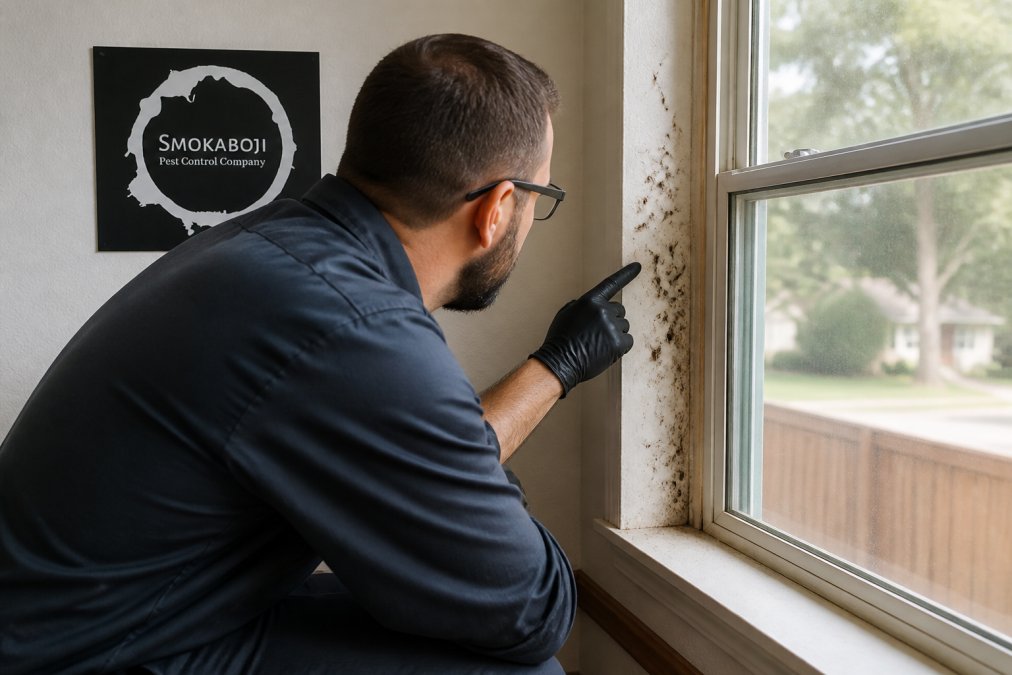
 how-to
Why Pests Return After Treatment: Causes & Fixes
Table of Contents
- Why Pests Return After Treatment: The Biological Reasons
- How Long Does Pest Control Last and Signs of Pest Re-infestation
- Pest Control Maintenance Plans and Prevention
- Frequently Asked Questions
Last Updated: September 13, 2026
Why Pests Return After Treatment: The Biological Reasons
Most homeowners assume one treatment wipes out an infestation for good. It rarely does. Pest re-infestation is a common issue, and the explanation often lies in biology, not bad luck.
Pest re-infestation is the return of an active pest population after a treatment has reduced but not eliminated the underlying colony or its eggs. A treatment kills the insects present, but not eggs tucked inside wall voids, larvae under insulation, or new pests wandering in from outside.
Three forces drive this cycle: surviving eggs and larvae in cracks and wall cavities liquid products never reach; environmental pull from food, water, and clutter; and fresh entry through gaps around pipes, foundation cracks, and torn screens.
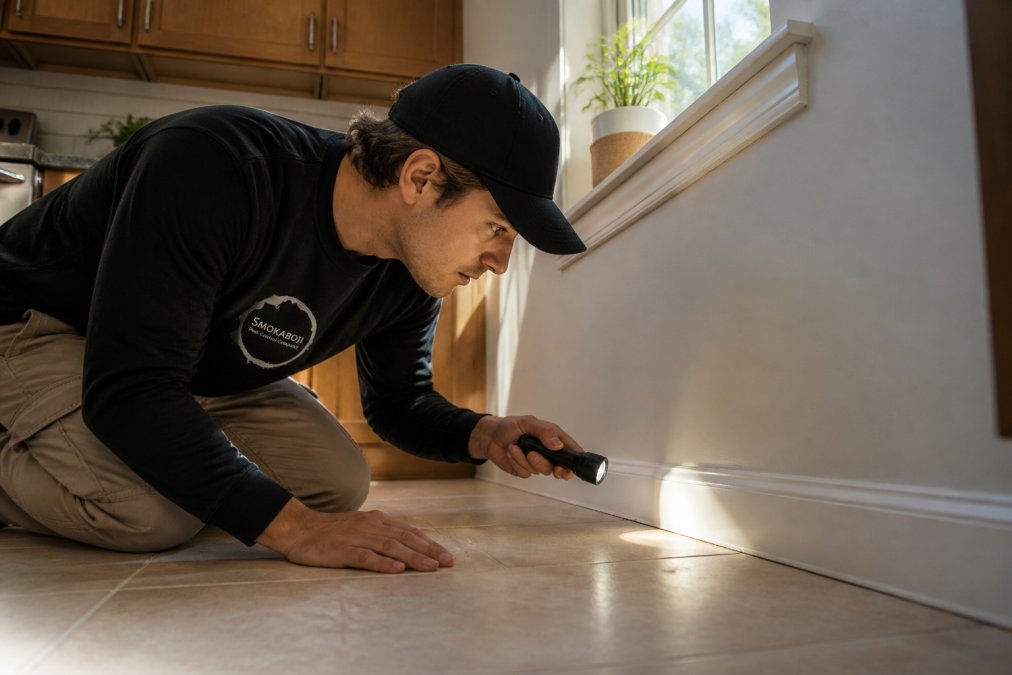
The life cycle matters: a single female cockroach can produce dozens of offspring, each generation breeding within weeks. Kill the adults but leave the eggs, and you've reset the clock, which is why follow-up visits exist.
How Long Does Pest Control Last and Signs of Pest Re-infestation
A professional treatment typically stays effective for a few weeks to a few months, depending on the pest, product, and home conditions (the EPA). Residuals break down over time, and effectiveness drops with sunlight, moisture, or heavy cleaning.
Signs that pests return include fresh droppings, new gnaw marks, live insects or rodents seen in daylight, unexplained morning bites, grease trails along baseboards, and a musty or oily odor in closed spaces.
If you notice these within two weeks of treatment, don't panic. A brief uptick, called the flushing effect, is normal, products push hidden pests out of cracks and voids (extension.psu.edu). The real warning sign is activity continuing past two weeks or picking up after a quiet period.
Pest Control Maintenance Plans and Prevention
Prevention is where the real long-term win lives. A one-time treatment addresses the current infestation; a maintenance plan keeps the next one from starting.
Preventative measures that make the biggest difference:
- Seal entry points. Caulk cracks around pipes, repair torn screens, and close gaps under doors.
- Cut off food and water. Fix leaky faucets, seal food, and clean up pet food between meals.
- Reduce harborage. Clear clutter from basements, garages, and crawl spaces.
- Address moisture. Repair dripping pipes and improve ventilation; damp wood invites termites and carpenter ants.
- Schedule regular follow-ups. Most plans include quarterly or bi-annual visits to reapply barriers and inspect for new activity.
EPA guidance on integrated pest management recommends combining sanitation, exclusion, and targeted treatments rather than relying on chemicals alone. That's the same approach we use at Smokaboji Pest Control: customized plans tailored to specific needs.
For properties near water, spider pressure is a year-round battle. Docks, boat lifts, and shoreline structures give spiders endless places to build satellite colonies, and no single treatment holds them off for long. Preventative maintenance is the only reliable answer.
Frequently Asked Questions
Is it normal to see more bugs immediately after a professional pest treatment?
Yes, this is called the flushing effect. Many professional-grade products irritate pests, driving them out of hiding areas like wall voids and cracks. You may see increased pest activity for a few days after treatment. This does not mean the treatment failed. It means the chemical barrier is working and pests are encountering it. Activity typically drops within one to two weeks as the residual product takes full effect.
How long does pest control last before pests return?
Most residual treatments remain effective for 30 to 90 days, depending on the product, target pest, and environmental conditions. Heavy rain, extreme heat, and irrigation can break down the chemical barrier faster. Pests also reproduce quickly, so a new generation can emerge after the residual fades. This is why follow-up visits and pest control maintenance plans matter. They reapply the barrier before a new infestation takes hold.
What are the signs of pest re-infestation I should watch for?
Watch for fresh droppings, gnaw marks, shed skins, or live pests in areas you had treated. Seeing new webs, egg cases, or grease trails along walls also signals a return. A musty odor or unexplained bites can point to hidden activity. If you notice these signs within the first two weeks, contact your pest professional. They can determine whether it is the flushing effect or a genuine reinfestation requiring a follow-up visit.
Pests return because biology doesn't stop at the edge of a spray pattern. Eggs hatch, new pests move in, and without ongoing prevention, the cycle restarts. Smokaboji Pest Control builds customized treatment and maintenance plans that address the source, not just the symptoms, backed by fully licensed and insured technicians and an A+ BBB rating. Get started with Smokaboji Pest Control and keep your home protected long after the first visit.