 how-to
Safe Insect Repellent Options for Dairy Barns
Table of Contents
- Safe Insect Repellent Options for Dairy Barns
- Integrated Pest Management for Dairy Farms
- EPA-Approved Dairy Barn Fly Control
- Frequently Asked Questions
Last Updated: September 30, 2026
Safe Insect Repellent Options for Dairy Barns
Flies, lice, ticks, and gnats cost dairy operations thousands in lost productivity annually. Finding safe insect repellent options for dairy barns means balancing pest control with milk safety, animal welfare, and regulatory compliance.
Active Ingredients That Work
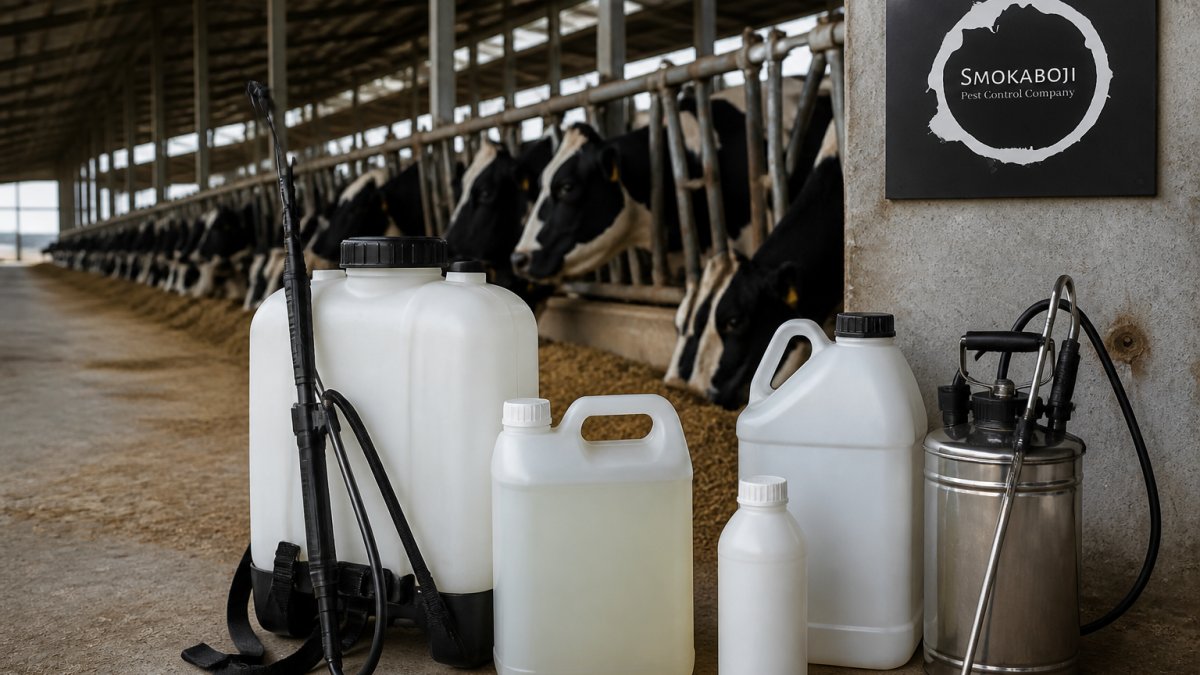
Permethrin is the most widely used active ingredient, delivering strong activity against stable flies, horn flies, and house flies while breaking down quickly to prevent milk residue buildup. Piperonyl butoxide amplifies effectiveness at lower concentrations, while neem oil offers a natural alternative for organic operations. Ready-to-use aerosols provide convenience; concentrated formulas cost less but require proper dilution.
Application Methods for Dairy Barns
Apply products to dry barn walls, feed areas, and resting zones away from direct cattle contact. Spray early morning or late afternoon to allow drying before peak fly activity, typically every 7-14 days during peak season.
Integrated Pest Management for Dairy Farms
Integrated Pest Management (IPM) combines multiple tactics to reduce pest resistance. Start with barn sanitation, remove manure buildup, clean water troughs, and eliminate breeding sites, then combine surface treatments with pour-on or spot-on products approved for dairy cattle. Monitor pest populations with sticky traps to track effectiveness.
EPA-Approved Dairy Barn Fly Control
The EPA regulates all pesticides in food production environments. Look for products labeled "dairy safe" or "approved for use in milk handling areas," and always check the label for withdrawal periods before spraying near milking areas.
According to EPA guidance on pesticide safety in food production, residue testing protocols protect milk safety throughout the supply chain. Farms using approved products and following label directions rarely encounter residue issues.
Regular testing through your milk cooperative confirms compliance; most operations test quarterly during peak season.
Natural Fly Spray Recipes and Alternatives
Homemade solutions using essential oils provide chemical-free options for organic farms but require frequent reapplication. Commercial organic products certified for dairy use offer better consistency.
Safety Precautions for Lactating Cattle
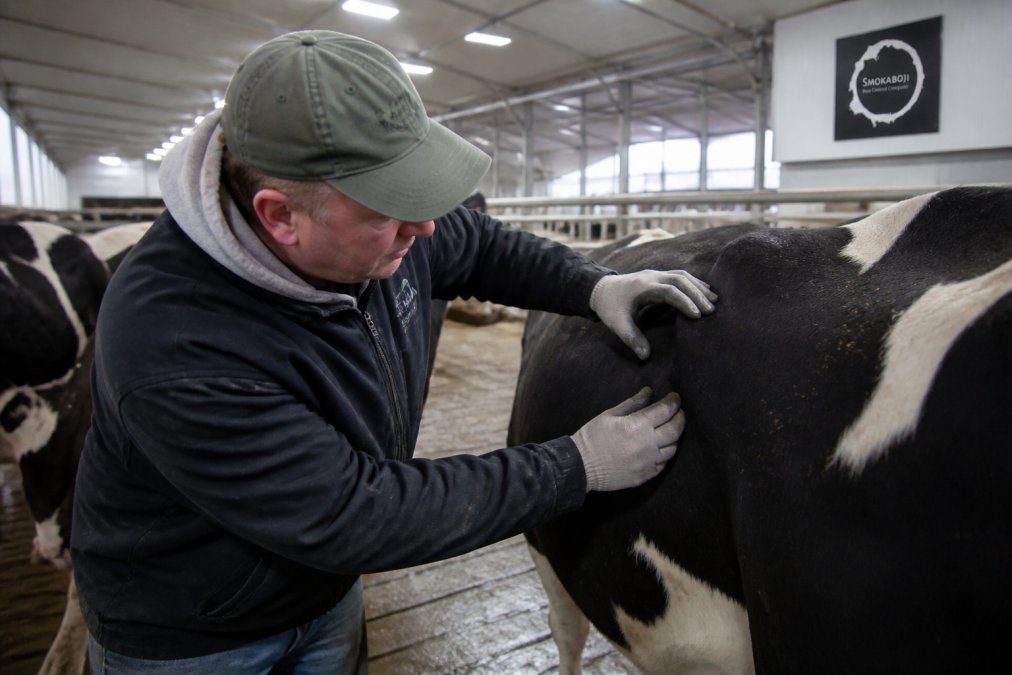
Never spray directly on animals unless the label approves it. Keep livestock away from treated areas until surfaces dry, store products in locked containers away from feed and water, and train staff on proper handling to prevent toxicity and residue risks.
Safe insect repellent options for dairy barns require balancing effectiveness with regulatory compliance and animal welfare. The right approach depends on your pest pressure, certification status, and operation size. Smokaboji Pest Control provides expert, reliable pest management solutions for residential and commercial properties throughout Northwest Iowa and Southwest Minnesota. Our experienced, fully licensed, and insured technicians utilize cutting-edge chemicals and practices to eliminate common and complex pest issues, including spiders, cockroaches, bed bugs, and mice. We are dedicated to your satisfaction, offering customized treatment plans and preventative maintenance to ensure your home or business remains a comfortable, pest-free environment.
Frequently Asked Questions
What fly spray is safe for use in lactating dairy barns?
Safe fly sprays for lactating dairy barns must be EPA-approved and labeled for use around dairy cattle. Look for products containing permethrin or piperonyl butoxide that specify zero milk withdrawal periods. Always apply sprays to surfaces and walls rather than directly on animals. Read labels carefully to confirm the product is safe for lactating cattle, and never apply to milk handling areas. When in doubt, contact your veterinarian or a licensed pest control professional to verify product safety.
Are natural fly spray recipes effective for dairy cattle?
Natural fly spray recipes using neem oil, essential oils, or vinegar-based solutions offer some knockdown effect but typically have shorter residual activity than EPA-approved chemical options. While these alternatives appeal to organic-certified operations, they often require more frequent reapplication. Many dairy farmers use natural sprays as part of an integrated pest management approach combined with barn sanitation and surface treatments. Effectiveness varies by recipe and environmental conditions, so monitor results and adjust your strategy accordingly.
How often should I apply insect repellent in my dairy barn?
Application frequency depends on the product type and pest pressure. Ready-to-use aerosol sprays typically need reapplication every 7-14 days, while concentrated formulas with longer residual activity may last 2-4 weeks. Stable flies, horn flies, and house flies require consistent control throughout warm months. Professional pest control services can assess your specific situation and recommend an application schedule that protects your herd while minimizing chemical exposure and ensuring milk safety.