 how-to
Who Is Responsible for Bed Bug Extermination in Rentals?
Table of Contents
- Who Is Responsible for Bed Bug Extermination in Rentals?
- Who Pays for Bed Bug Treatment: Landlord vs. Tenant
- How to Report Bed Bugs to Your Landlord
- Frequently Asked Questions
Last Updated: October 13, 2026
Who Is Responsible for Bed Bug Extermination in Rentals?
Bed bug extermination in rentals eliminates an infestation, and who pays depends on state law, the lease, and how the bugs got there. In most states, landlords must handle treatment when the infestation is not the tenant's fault; tenants usually pay when they brought the bugs in through negligence. At Smokaboji Pest Control, we work with property managers and renters across Northwest Iowa and Southwest Minnesota, and the same question comes up every time: who pays?
Who Pays for Bed Bug Treatment: Landlord vs. Tenant
Landlords pay in most cases; tenants pay when their own actions caused the problem, based on two legal ideas. Habitability is a landlord's legal duty to keep a rental unit safe and livable, so most state housing codes put the burden on the property owner. Negligence is a tenant's failure to act reasonably, if a tenant brought bed bugs in from a hotel, a secondhand mattress, or a shared laundry room and did not report them, a landlord may pass the treatment cost back.
| Situation | Who Typically Pays | Why |
|---|---|---|
| Bugs found before move-in | Landlord | Unit was not habitable at handover |
| Tenant brought bugs from travel or used furniture | Tenant | Negligence or lease clause |
| Multi-unit building with no clear source | Landlord | Common-area responsibility |
A few things tip the scale toward the tenant: a lease addendum that shifts cost, ignoring an inspection notice, refusing to prepare the unit for treatment, or bugs traced to furniture the tenant brought in.
How to Report Bed Bugs to Your Landlord
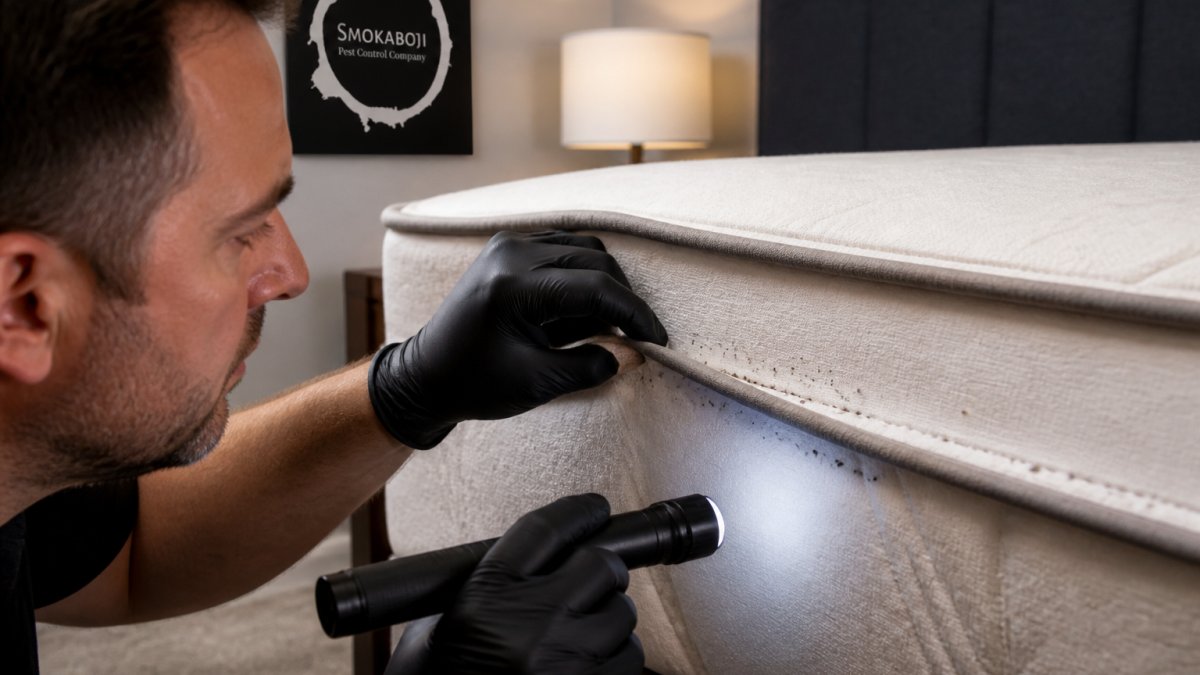
Reporting bed bugs to your landlord means giving written notice with dated photos, a description of where you found the bugs, and a request for professional inspection. Do it in writing, not by phone, so you have a record. Include your name, unit number, and date; where you found the bugs; clear photos of live bugs, shed skins, or fecal spots; and a request for prompt inspection, treatment, and written confirmation of the next step.

Sample written notice:
Dear [Landlord/Property Manager],
I am writing to report a suspected bed bug infestation in Unit [number]. On [date], I found [describe evidence] on [location]. Photos are attached.
I am requesting a professional inspection and treatment as soon as possible. Please confirm in writing when an inspector can visit. I will cooperate fully with preparation instructions.
Thank you, [Your name] [Date]
Keep a copy. If the landlord does not respond within a few days, send a follow-up and note the date. The first 48 hours after a sighting decide how expensive this gets.
Frequently Asked Questions
Who is responsible for bed bug extermination in a rental?
In most states, the landlord must handle bed bug extermination because rental units must meet habitability and housing standards. That means arranging inspection by a licensed pest-control professional, paying for treatment in many cases, and scheduling follow-up treatment. Tenants share responsibility by reporting the infestation promptly, granting access, and preparing the unit. Lease agreement terms and state law decide how costs are split when the source of infestation traces back to tenant negligence.
Can a landlord charge a tenant for bed bug removal?
Yes, in some situations. If documentation shows the bed bug infestation started because of tenant negligence, such as bringing in infested furniture, a landlord may pass along treatment charges. Otherwise, the cost of removal usually falls on the property owner as part of maintaining pest-free housing. Review your lease agreement and your state law, and keep written notice and photos so the source of infestation can be traced fairly.
What should a tenant do after finding bed bugs in a rental?
Report the infestation in writing the same day. Include your name, address, unit number, the date you first noticed signs, and photos of bites, live bugs, or stains. Keep a copy of the written notice. Then follow the landlord's instructions for inspection and bed bug treatment preparation for tenants, which usually means laundering clothing, bagging items, and clearing floors. Do not throw out furniture before treatment; it can spread bed bugs to neighboring units.