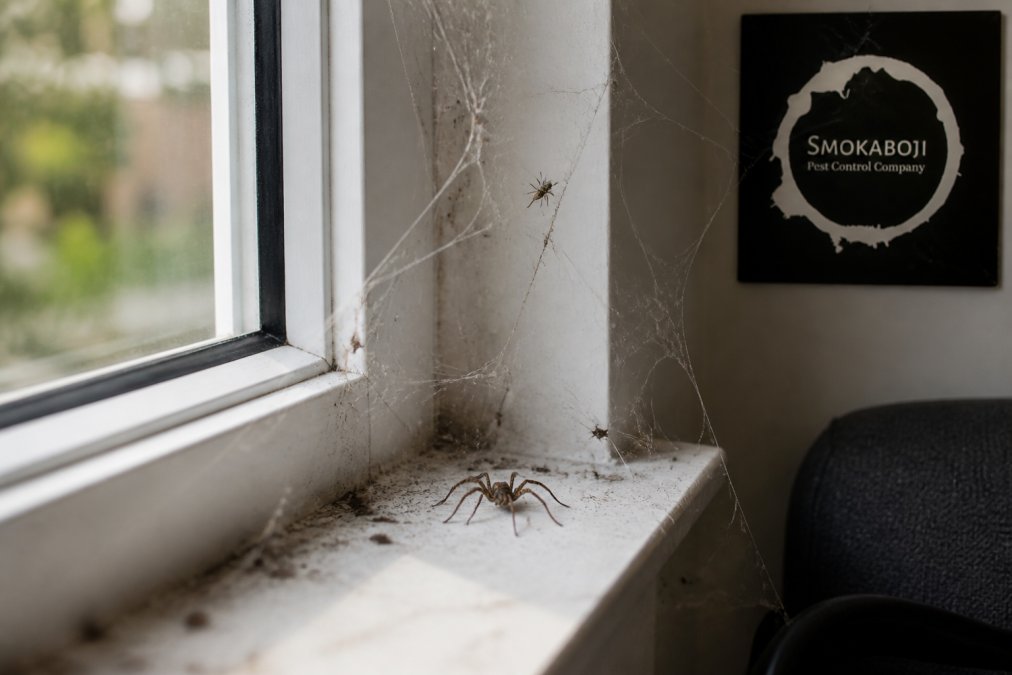
 ultimate-guide
What Happens If You Don't Treat a Spider Infestation
Table of Contents
- Signs of a Spider Infestation You Should Not Ignore
- How Fast Do Spiders Reproduce Indoors?
- How to Get Rid of Spiders in the House Before It Gets Worse
- Frequently Asked Questions
Last Updated: September 20, 2026
Signs of a Spider Infestation You Should Not Ignore
A spider infestation rarely stays small. One or two spiders in a corner usually signal a larger population hiding behind walls, under insulation, and inside crawl spaces.
The most reliable signs of a spider infestation include:
- Web patterns in corners, window frames, and ceiling junctions that reappear within days of cleaning
- Egg sacs behind furniture, in closets, or along baseboards
- Live spiders seen during the day, not just at night
- Shed exoskeletons near vents and floorboards
- Prey insects such as flies, gnats, and ants that draw spiders indoors
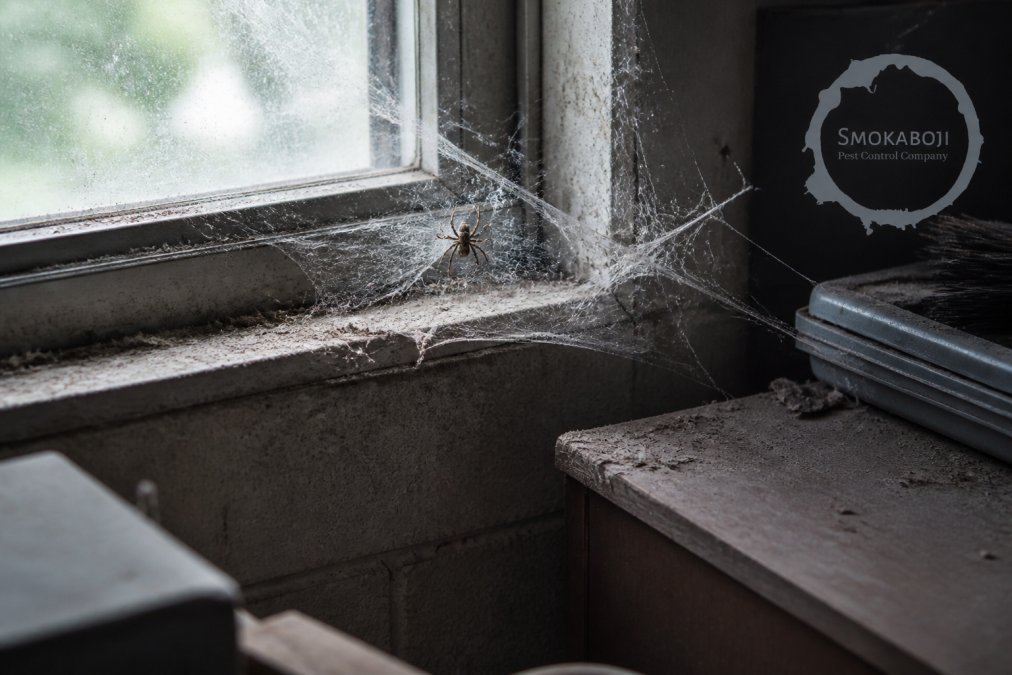
Many homeowners confuse a single wandering house spider with a true infestation. A common mistake is treating visible webs as the whole problem, when the spiders themselves are usually hidden. According to the Centers for Disease Control and Prevention guidance on venomous spiders, most house spiders are harmless species, but correct species identification still determines how you respond.
How Fast Do Spiders Reproduce Indoors?
Spiders reproduce quickly indoors because stable temperatures and steady prey remove the natural limits that control them outside. One female can produce multiple egg sacs in a season, each holding dozens to hundreds of eggs, so a small problem becomes large within weeks.
How to Get Rid of Spiders in the House Before It Gets Worse
Getting rid of spiders in the house starts with physical exclusion and habitat modification, not spraying. Seal entry points around windows, doors, and utility lines, reduce clutter, fix moisture problems, and remove prey insects.
A practical sequence works better than random effort:
- Identify the species
- Seal cracks and gaps that serve as entry points
- Clear clutter and vacuum webs and egg sacs
- Reduce prey insects through sanitation
- Use sticky traps to monitor activity
- Apply non-toxic deterrents where appropriate
- Call a professional if activity persists
| Problem | DIY Fix | Expected Impact |
|---|---|---|
| Visible webs | Vacuum and remove sacs | Slows reproduction |
| Entry gaps | Seal cracks and thresholds | Blocks new spiders |
| Prey insects | Sanitation and moisture control | Removes food source |
| Persistent activity | Professional inspection | Targets hidden population |
Sticky traps and non-toxic deterrents help, but they rarely solve an established infestation on their own. That is where integrated pest management and a professional inspection make the difference. The Environmental Protection Agency guidance on integrated pest management emphasizes combining exclusion, sanitation, and targeted pesticide application rather than relying on chemicals alone.
For recurring problems, especially around lake properties and docks, professional treatment addresses the hidden population DIY methods miss. Smokaboji Pest Control provides fully licensed, insured technicians and preventative maintenance plans.
Frequently Asked Questions
How do you know if you have a spider infestation?
Watch for repeated sightings of the same species, fresh webs in corners, window sills, and basements, and small egg sacs tucked behind furniture or in ceiling joints. Seeing several spiders daily, or finding many egg sacs at once, points to an established spider infestation rather than a stray visitor. Check garages, crawl spaces, and areas with clutter where prey insects gather.
Do spiders multiply quickly if left untreated?
It depends on the species, but many common house spiders can lay hundreds of eggs in a single sac, and some produce multiple sacs per season. Untreated, a small population can grow steadily as long as prey insects remain available. Removing egg sacs and reducing food sources slows the reproduction cycle, while ignoring both lets the spider infestation expand through the home.
Can a spider infestation cause structural damage to a home?
Spiders themselves do not chew wood or damage framing, so structural damage is rare. The real risk is nuisance: webs collect dust, stain surfaces, and signal an underlying pest problem. If spiders are thriving, it usually means other insects are feeding them, and those prey insects can cause the actual damage to stored goods, fabrics, or wood.
When should you call a professional for spider control?
Call a licensed pest control company when you see spiders daily, find egg sacs in multiple rooms, or have not resolved the problem with sealing entry points and decluttering. A professional inspection identifies the species, locates harborage areas, and applies targeted treatment. This is especially important for lake properties and older rural homes where spiders return season after season.
A spider infestation will not resolve itself, and delay only lets the population grow. If webs, egg sacs, and live spiders keep returning, professional help is the fastest path to a lasting fix. Smokaboji Pest Control offers customized treatment plans, preventative maintenance, and prompt response to urgent pest issues. Get started with Smokaboji Pest Control and take back your home.