 how-to
Spider Control Methods for Damp Basements
Table of Contents
- Why High Humidity Attracts Spiders and How to Fix It
- Choosing a Dehumidifier for Basement Spider Control
- How to Seal Basement Cracks to Prevent Pests
- Frequently Asked Questions
Last Updated: September 17, 2026
Why High Humidity Attracts Spiders and How to Fix It
Spiders thrive in damp basements because moisture supports the insects they eat. High humidity also helps spider eggs survive. Fix the moisture and you remove the reason spiders move in.
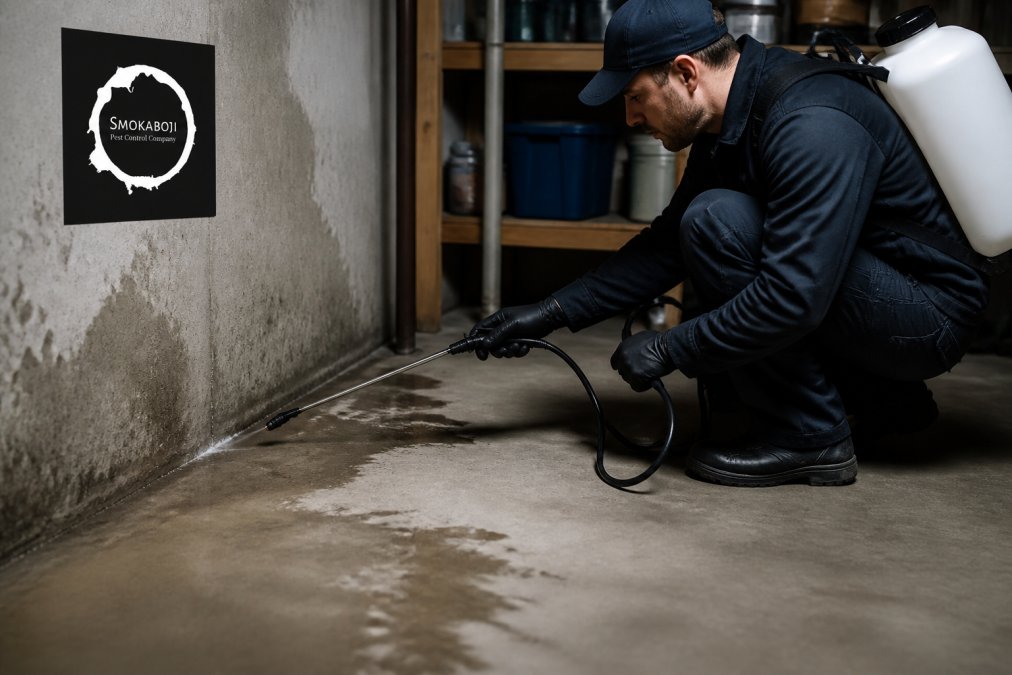
A common mistake is spraying spiders while leaving the damp air alone. More spiders return within weeks.
Here is what actually works:
- Run a dehumidifier to keep relative humidity below 50%
- Fix leaks and drainage issues around the foundation
- Improve ventilation with fans or vents
- Clear clutter that gives spiders hiding spots
- Vacuum webs and egg sacs regularly
Moisture control is the foundation of any spider control plan for a damp basement.
Choosing a Dehumidifier for Basement Spider Control
The best dehumidifier for basement spider control keeps your space at 45-50% relative humidity. Size matters more than brand.
A small unit under 30 pints won't handle a large, wet basement. Match the pint rating to your square footage and how damp the space feels.
Look for these features:
- Built-in humidistat to set your target level
- Auto-drain or hose hookup so you skip emptying the tank
- Continuous run mode for constant dampness
- Caster wheels for easy moving
Empty the tank daily if you skip the hose. Standing water defeats the purpose.
How to Seal Basement Cracks to Prevent Pests
Sealing basement cracks to prevent pests starts with finding every gap. Spiders slip through cracks as thin as a coin.
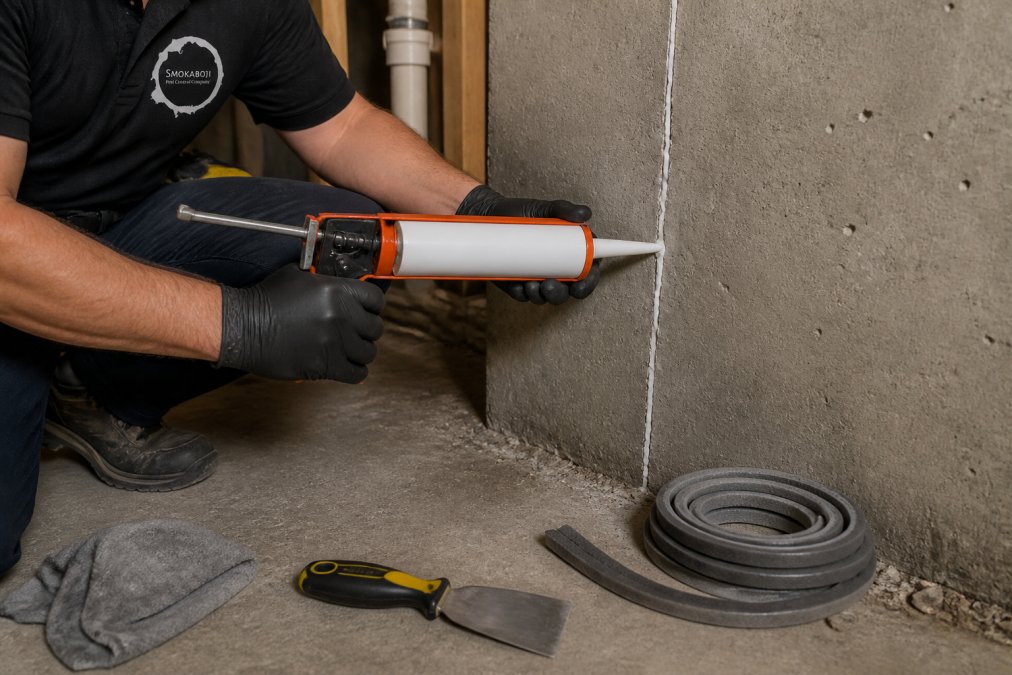
Follow these steps:
- Inspect walls, floors, and the sill plate for cracks and gaps
- Clean the crack and let it dry fully
- Fill small cracks with silicone caulk or hydraulic cement
- Seal larger gaps with expanding foam
- Add weather stripping around windows and doors
- Seal where utility lines and pipes enter the wall
Check the exterior too. Seal foundation cracks and gaps around vents and utility lines. This is called pest exclusion, and it stops spiders before they get inside.
A damp basement will keep pulling spiders back until you fix the moisture and seal the entry points. That work takes time, and most homeowners would rather not spend weekends crawling around a wet foundation. Smokaboji Pest Control provides expert, reliable pest management solutions for residential and commercial properties throughout Northwest Iowa and Southwest Minnesota. Our experienced, fully licensed, and insured technicians utilize cutting-edge chemicals and practices to eliminate common and complex pest issues, including spiders. We are dedicated to your satisfaction, offering customized treatment plans and preventative maintenance to ensure your home or business remains a comfortable, pest-free environment. Get started with Smokaboji Pest Control and get a dry, spider-free basement.
Frequently Asked Questions
Will a dehumidifier get rid of spiders?
A dehumidifier won't kill spiders directly, but it removes the damp conditions they need. Spiders thrive when relative humidity stays high, so lowering it to 40-50% makes your basement far less inviting. Run the unit continuously, empty the reservoir or connect a hose to a floor drain, and pair it with sealing entry points for lasting results.
What is the best spider spray for a basement?
For basements, a residual spray labeled for indoor use works best because it keeps killing spiders for weeks after application. Apply it along baseboards, corners, window frames, and known entry points. Always follow label directions and keep pets and children away until the area is dry. For heavy infestations, a licensed technician can apply professional-grade products safely.
How can I prevent spiders from returning to my basement?
Prevention comes down to moisture control and pest exclusion. Run a dehumidifier to keep relative humidity low, seal cracks and gaps with caulk or weather stripping, reduce clutter where spiders hide, and vacuum webs and egg sacs regularly. A preventative maintenance plan from a licensed pest control company can catch problems before they build up again.