 how-to
Small Green Bugs on Indoor Plants: ID & Control
Table of Contents
- Common Small Green Bugs on Indoor Plants
- Signs of Aphid Infestation on Indoor Plants
- Natural Ways to Kill Aphids on Indoor Plants
- Best Indoor Plant Pest Control Products
- Frequently Asked Questions
Last Updated: September 1, 2026
Common Small Green Bugs on Indoor Plants
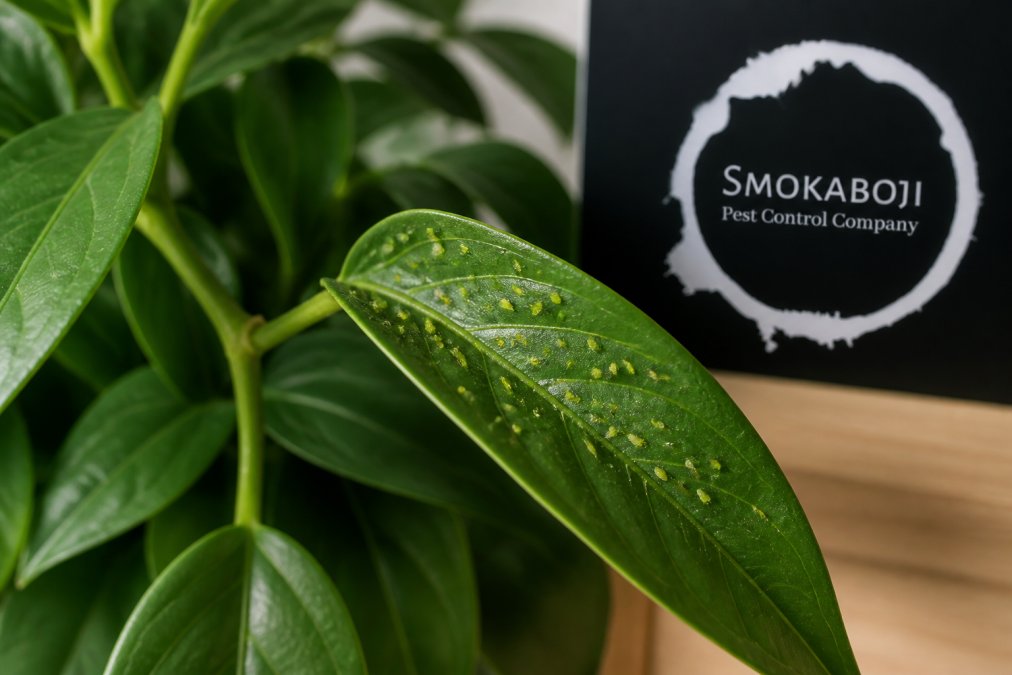
Small green bugs on indoor plants are most commonly aphids, which are soft-bodied, sap-sucking insects that feed on plant foliage and stems (peer-reviewed research). These piercing-sucking insects cluster on the underside of leaves and new growth, extracting plant sap and weakening your houseplants over time. Identifying them early is critical because infestations spread quickly in indoor environments where natural predators are absent.
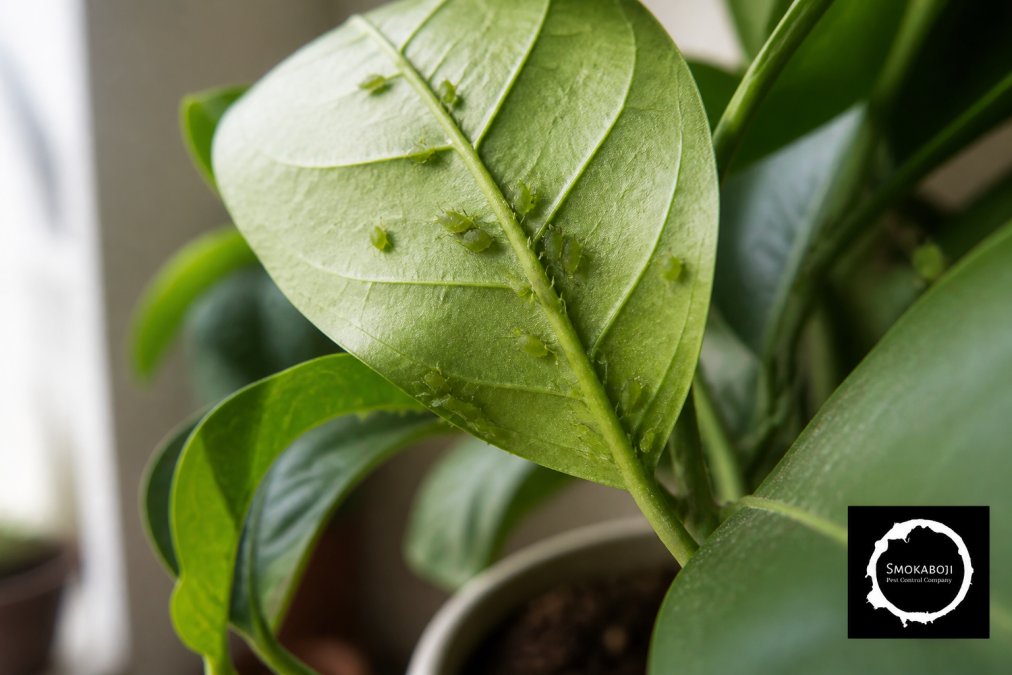
Aphids range from pale green to dark green, and some species appear almost translucent. You'll often spot them before noticing obvious plant damage because they congregate in visible colonies. Other small green pests on indoor plants include fungus gnats and springtails, but aphids remain the most damaging to foliage and overall plant health.
The reason aphids thrive indoors is straightforward: your home provides stable temperatures, consistent moisture, and no natural enemies. A single aphid infestation can compromise multiple plants in weeks if left untreated.
Signs of Aphid Infestation on Indoor Plants
Detecting signs of aphid infestation on indoor plants early prevents severe damage. The most obvious indicator is yellowing or curling leaves, particularly on new growth where aphids feed most heavily. You may also notice a sticky residue on leaves and soil, this is honeydew, the sugary waste aphids excrete while feeding.
Sooty mold often follows honeydew buildup, creating a dark, powdery coating on foliage that blocks sunlight and further stresses the plant (extension.oregonstate.edu). Stunted growth and leaf drop are late-stage symptoms indicating the infestation has progressed significantly. Inspect the underside of leaves regularly, especially on new shoots, since aphids hide there to avoid detection.
Another telltale sign is the presence of ants on your plant. Ants farm aphids for their honeydew, protecting colonies and actively spreading them across your houseplants. If you see ants climbing your plant pot, assume an aphid infestation exists nearby.
Natural Ways to Kill Aphids on Indoor Plants
Natural control methods work best when applied early and consistently. The safest approach for indoor gardening is manual removal: spray affected foliage with water to dislodge aphids, then isolate the plant in quarantine for one to two weeks. This prevents reinfestation from spreading to other houseplants.
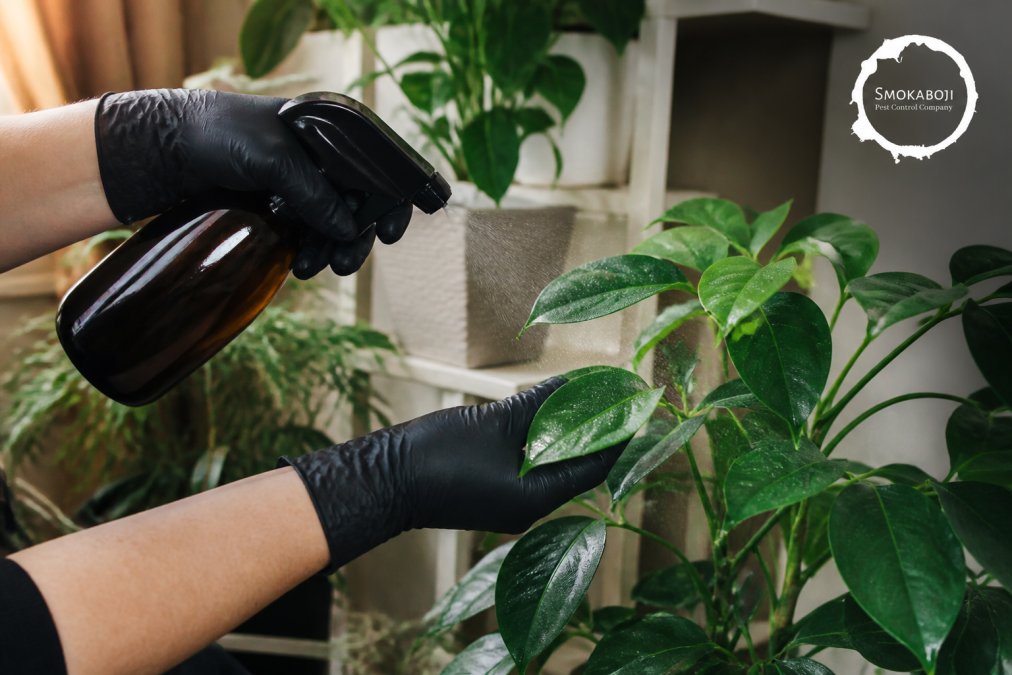
Neem oil and insecticidal soap are the most effective natural treatments for indoor plants. Neem oil disrupts aphid feeding and reproduction, while insecticidal soap dehydrates soft-bodied insects on contact (the EPA). Apply either product to all leaf surfaces, including the underside, every 7-10 days until the infestation clears. Always test on a small leaf section first, as some delicate plants react poorly to oil-based treatments.
Yellow sticky traps monitor pest activity and catch flying aphids, though they won't eliminate an established colony alone. Horticultural oil provides another option for integrated pest management, suffocating insects while being gentler on indoor environments than systemic insecticides.
Best Indoor Plant Pest Control Products
When natural methods don't contain the infestation, professional-grade indoor plant pest control products become necessary. Insecticidal soaps formulated for indoor use kill aphids on contact without leaving harmful residues. These products are safer around children and pets than systemic insecticides, making them ideal for household plants.
Horticultural oils designed for indoor application smother aphids and their eggs without toxic fumes. Neem oil concentrates allow you to mix custom spray solutions tailored to your plant collection's specific needs. Yellow sticky traps serve dual purposes: monitoring pest populations and reducing flying aphid numbers.
For severe infestations that resist DIY treatments, professional pest control services like Smokaboji Pest Control provide customized solutions. Our fully licensed and insured technicians assess your indoor plant situation and apply targeted treatments that eliminate current infestations while preventing future outbreaks. We understand that indoor plants require different approaches than outdoor pest management, and we tailor our methods accordingly.
Dealing with small green bugs on indoor plants requires prompt identification and consistent treatment. Whether you choose natural remedies or professional intervention, the key is acting before infestations spread to your entire collection. If DIY methods haven't resolved your plant pest problem after two weeks of treatment, contact Smokaboji Pest Control for a customized indoor plant pest management plan. Our team serves Northwest Iowa and Southwest Minnesota with proven solutions that protect your plants and your home.
Frequently Asked Questions
How do I identify small green bugs on my indoor plants?
Small green bugs on indoor plants are typically aphids, soft-bodied sap-sucking insects that cluster on new growth and leaf undersides. Look for sticky honeydew residue, yellowing leaves, and leaf curling. Aphids are usually bright or pale green, though some species appear darker. Use a magnifying glass to confirm their pear-shaped bodies and long antennae. Inspect the underside of leaves and stem joints where infestations often start.
What are the most effective natural ways to kill aphids on indoor plants?
Effective natural methods include spraying neem oil, which disrupts the aphid's life cycle, or using insecticidal soap to coat soft-bodied insects. Yellow sticky traps catch flying aphids and help monitor pest populations. Manual removal by rinsing plants under water or wiping leaves removes many aphids quickly. For severe infestations, combining multiple methods and repeating treatments every 7-10 days yields better results than relying on a single approach.
When should I call a professional pest control service for indoor plant pests?
Contact a professional if infestations persist after two weeks of treatment, spread to multiple plants, or if you're uncertain about identification. Professional pest control services can assess whether the infestation indicates broader indoor pest issues and apply targeted treatments safely. For homeowners managing multiple properties or dealing with severe infestations, professional management ensures thorough elimination and prevents future outbreaks through integrated pest management strategies.
This article was written using GrandRanker