 how-to
Preventing Mice in Rural Iowa Homes: 4 Steps
Table of Contents
- Identify Entry Points and Signs of Infestation
- How to Seal Home Entry Points for Rodents
- Safe Pest Control for Farm Homes: Sanitation and Trapping
- When to Call a Professional for Preventing Mice in Rural Homes
Last Updated: August 18, 2026
Identify Entry Points and Signs of Infestation
Mice enter rural homes through openings as small as a pencil's width, foundation cracks, gaps around utilities, spaces under doors, and roof openings. Older construction, proximity to grain storage, and seasonal agricultural activity create ideal conditions for rodent entry.
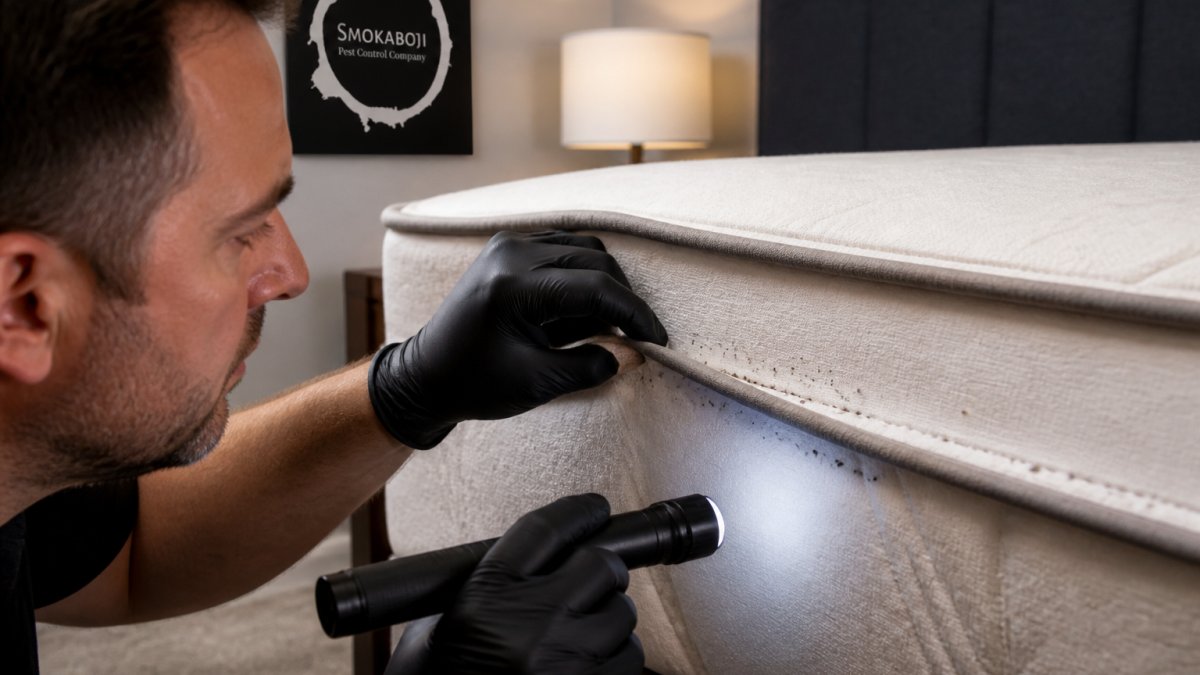
Watch for dark droppings the size of rice grains along baseboards, greasy rub marks on walls, and musty odors in enclosed spaces. Scratching sounds in walls at night, especially in fall, indicate active mice. Fresh droppings in pantries, basements, attics, or garages signal an established population. According to Iowa State University Extension guidance on rodent management, early detection prevents population explosions that become expensive to control later.
How to Seal Home Entry Points for Rodents
Sealing entry points is the most effective long-term prevention method. Unlike trapping or baiting, exclusion prevents new mice from entering and aligns with integrated pest management principles that emphasize prevention over repeated chemical intervention.
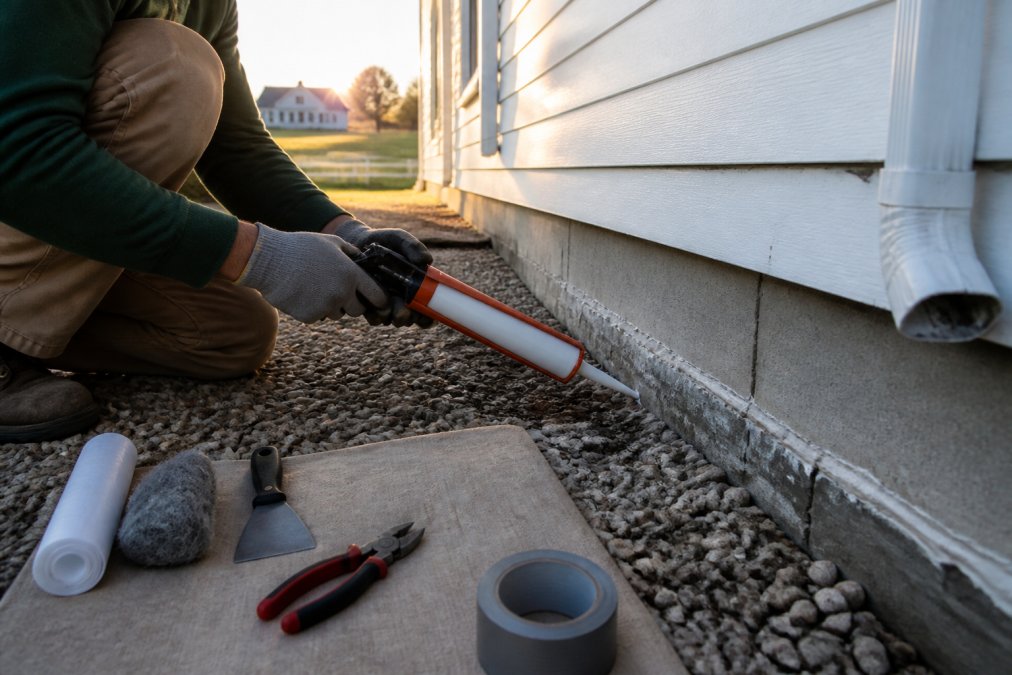
Walk your foundation perimeter in daylight, looking for cracks wider than 1/4 inch and mark them with chalk. Use high-quality silicone or polyurethane caulk rated for exterior use. For gaps larger than 1/4 inch, stuff steel wool into the opening first, then caulk over it, mice cannot chew through steel wool.
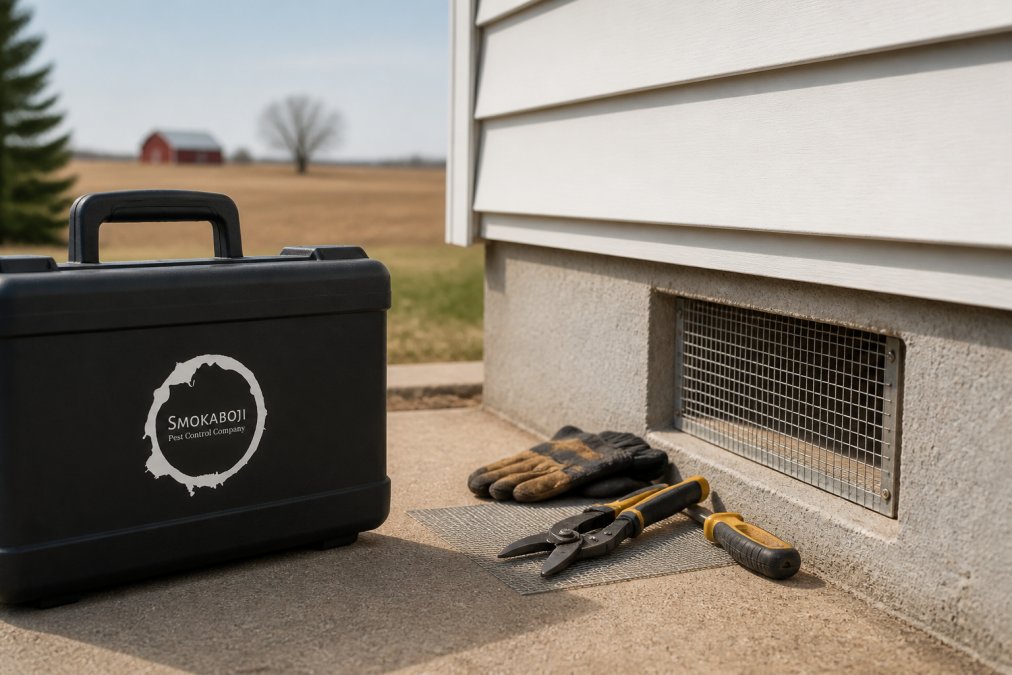
For larger openings around pipes and utilities, use expanding foam sealant, then trim excess once hardened. Cover with a metal collar or 1/4 inch hardware cloth secured with screws or caulk. Pay special attention to areas connecting your home to outbuildings or grain storage, especially during harvest season. Install door sweeps on exterior doors and cover attic vents and soffit openings with 1/4 inch hardware cloth, securing it with screws every few inches.
Safe Pest Control for Farm Homes: Sanitation and Trapping
Sanitation removes conditions that attract mice. Transfer all dry goods, flour, sugar, grains, seeds, and pet food into airtight plastic or glass containers with secure lids. Store containers on shelves at least 6 inches off the floor, away from walls where mice travel. Use metal bins with tight-fitting lids for livestock feed, seed, or harvested grain.
Remove clutter that provides nesting material, mice shred paper, cardboard, fabric, and insulation to build nests. Store clothing in sealed plastic containers, not cardboard boxes. Fix leaky pipes and faucets, especially in basements and crawl spaces, as small water sources sustain mouse populations through dry seasons.
Trapping is the most effective control method once mice are present. Position spring traps along walls where mice travel, perpendicular to the wall with the trigger end toward the wall. Bait with peanut butter, which has strong odor and doesn't dry out quickly. Check traps daily and dispose of dead mice in sealed bags, wearing gloves to prevent disease transmission.
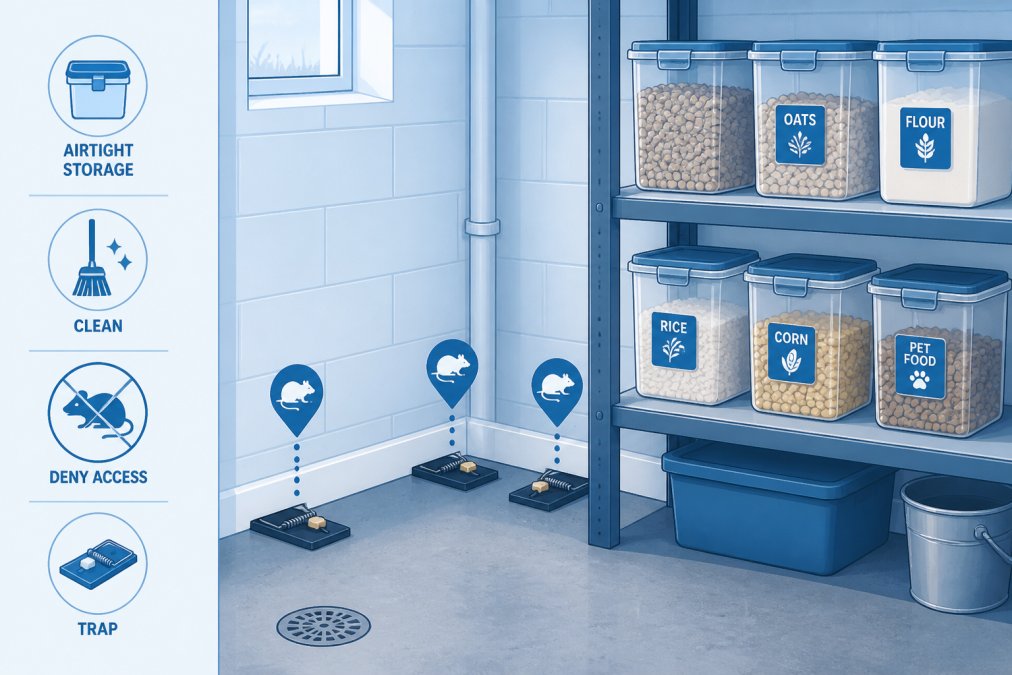
Poison baits create risks in farm homes, mice may die in walls or attics, creating odor and disease exposure, and pets or wildlife can access baits, leading to secondary poisoning. Many rural property owners prefer mechanical traps combined with exclusion and sanitation.
When to Call a Professional for Preventing Mice in Rural Homes
If you've sealed entry points and eliminated food sources but mice continue appearing, you likely have a larger structural problem or active infestation requiring professional assessment.
Professionals bring specialized equipment and expertise. Thermal imaging cameras can reveal hidden entry points in walls and attics that visual inspection misses. Professional-grade sealants and installation methods can last longer than DIY repairs. For older farmhouses with extensive foundation damage, a professional can develop a customized exclusion plan addressing your home's unique vulnerabilities.
Smokaboji Pest Control serves rural properties throughout Northwest Iowa and Southwest Minnesota, understanding the specific challenges farm homes face. Their licensed technicians identify entry points, assess infestation extent, and implement preventative maintenance plans that protect your home year-round. Professional treatment can include monitoring stations that track rodent activity over time, helping you understand whether prevention efforts are working.
Contact Smokaboji Pest Control for an assessment if you're dealing with recurring mice problems or want to implement a preventative program before infestation becomes severe.
Preventing mice in rural Iowa homes requires a multi-layered approach combining exclusion, sanitation, and targeted control. Smokaboji Pest Control has helped rural families across Northwest Iowa and Southwest Minnesota eliminate recurring mouse problems through professional exclusion work, customized prevention plans, and prompt response when infestations occur. Their fully licensed technicians understand the unique vulnerabilities of older farmhouses and can seal entry points, eliminate attractants, and set up monitoring systems that keep your home protected long-term.
| Prevention Method | Best For | Effort Level | Long-Term Effectiveness |
|---|---|---|---|
| Sealing entry points | Preventing new mice from entering | Medium | Excellent |
| Sanitation and food storage | Eliminating attractants | Low-Medium | Excellent |
| Trapping | Controlling existing populations | Low | Good (requires ongoing monitoring) |
| Professional exclusion | Complex structural issues or persistent problems | Low (outsourced) | Excellent |
| Seasonal Focus | Key Actions | Timing |
|---|---|---|
| Summer | Inspect foundation for new cracks, seal gaps, remove clutter | June-August |
| Fall | Verify all seals, set traps, organize food storage | August-October |
| Winter | Monitor traps daily, watch for new entry signs | November-February |
| Spring | Clean up winter debris, assess damage, plan repairs | March-May |
Frequently Asked Questions
Why are mice more common in rural homes during fall?
Mice seek shelter and food sources as temperatures drop and outdoor food becomes scarce. Harvest season and grain storage near rural properties create abundant food supplies that attract rodent populations. Fall migration into homes peaks in September through November. Preventing mice before autumn arrives means sealing entry points and removing food sources in late summer, before rodents begin their seasonal push indoors.
What are the most effective ways to seal a home against mice?
Rodent exclusion requires blocking gaps of 1/4 inch or smaller. Use steel wool packed into cracks, followed by caulk to prevent mice from pushing through. Seal foundation cracks, gaps around pipes, weather stripping on doors, and openings in crawl spaces. Check older farmhouses carefully, structural vulnerabilities are common. Combine sealing with sanitation and trapping for complete rodent-proofing. Professional inspection identifies hidden entry points you might miss.
How can I tell if I have a mouse infestation in my walls?
Signs include droppings along baseboards and in cabinets, gnaw marks on food packages or wood, musty odors in walls or attics, and scratching sounds at night. Nesting materials like shredded paper or fabric indicate active infestation. Check crawl spaces and attics for evidence. If you spot multiple signs or hear activity in walls, population reduction through trapping and professional treatment becomes urgent. Early detection prevents severe infestations.
Is your pest control treatment safe around kids and animals on farm properties?
Smokaboji Pest Control customizes treatment plans for your specific situation, including homes with children and livestock. We discuss safety concerns during consultation and use practices appropriate for farm environments. Our fully licensed technicians follow all regulations and can recommend pet-safe prevention methods like exclusion and sanitation-focused approaches. Contact us to discuss your family's needs and learn what options work best for your rural property.
This article was written using GrandRanker