 how-to
Preventing Mice From Entering Your Home
Table of Contents
- How to Find Mouse Entry Points
- Best Materials to Seal Mouse Holes
- Remove Food Sources and Reduce Clutter
- Signs of a Mouse Infestation in Walls
Last Updated: August 28, 2026
Mice can enter your home through openings as small as a dime (the CDC). Preventing infestations requires a systematic approach combining inspection, sealing, and sanitation. At Smokaboji Pest Control, we help homeowners across Northwest Iowa and Southwest Minnesota stop infestations before they start by addressing the root causes of rodent entry.
How to Find Mouse Entry Points
The first step in preventing mice is conducting a thorough perimeter inspection. Mice follow structural edges and utility lines as highways into buildings. Walk the foundation on all sides, looking for gaps, cracks, and openings where pipes, wires, or vents penetrate the exterior.
Common entry points include foundation cracks wider than a quarter inch, gaps around dryer vents, spaces where utility pipes enter walls, openings around basement windows, and gaps under doors (the EPA). Pay special attention to areas where different building materials meet.
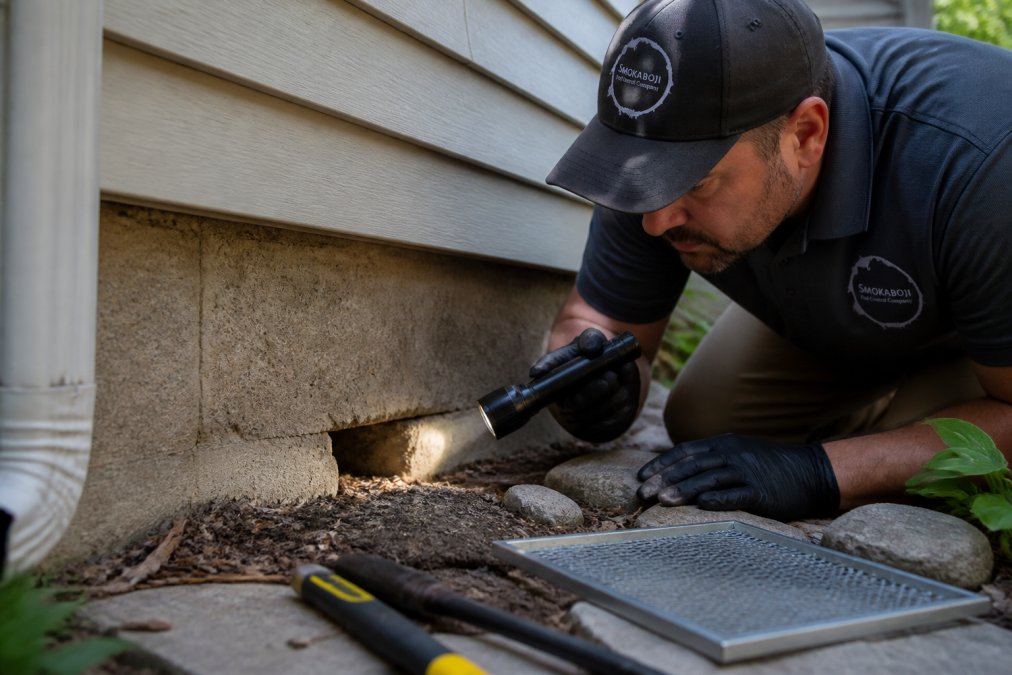
Use a flashlight to examine dark corners. Check the attic for gaps around roof vents and soffit vents. Inside, look for droppings, gnaw marks, or nesting materials near potential entry points. Document each opening's location and size to prioritize sealing efforts.
Best Materials to Seal Mouse Holes
Once you've identified entry points, select the right sealing materials. Mice can chew through many common materials, so durability matters.
Steel wool is the gold standard for mouse exclusion. Mice cannot chew through it effectively, making it ideal for gaps around pipes and utility lines. Combine steel wool with expanding foam or caulk to hold it in place. For larger gaps, use hardware cloth, a sturdy metal mesh that resists rodent teeth far better than plastic screening.
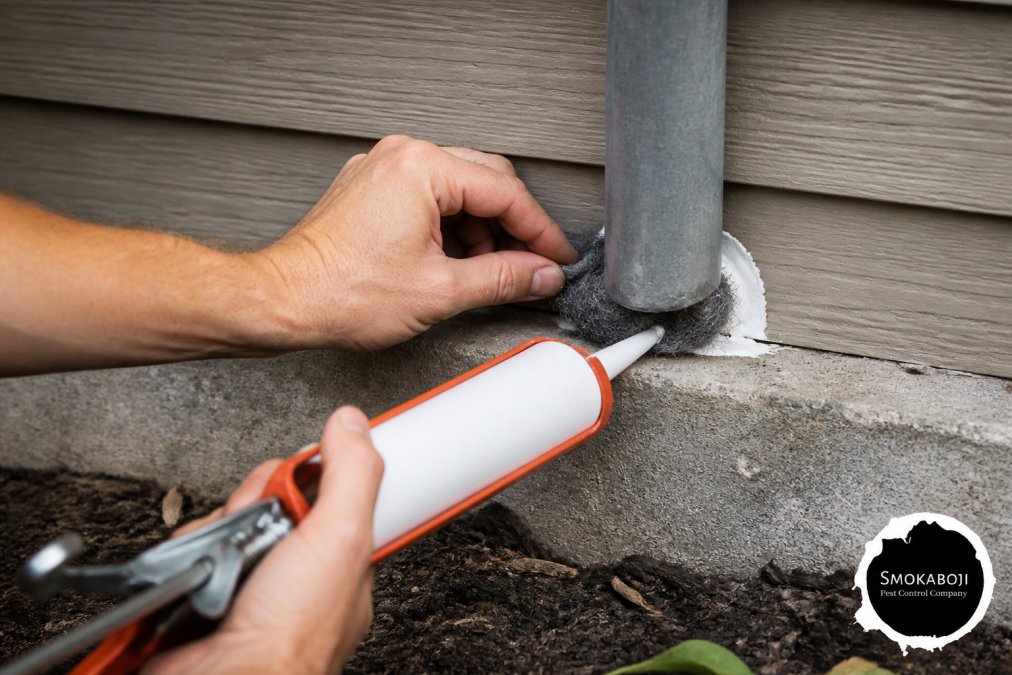
Caulk alone is insufficient, mice will eventually chew through it. Use caulk as a secondary barrier after installing steel wool or hardware wool. For gaps larger than a half inch, expanding foam works well, but only when combined with a protective covering. Seal the foam's surface with caulk or attach hardware cloth over it.
Avoid plastic screening, rubber, or foam sealants as primary defenses. Focus on steel wool, hardware cloth, and metal mesh as your core exclusion materials.
Remove Food Sources and Reduce Clutter
Preventing mice becomes significantly easier when you eliminate the conditions that attract them. Mice seek shelter, warmth, and food. Removing accessible food sources removes one critical incentive.
Store all food in airtight containers, including pantry items like flour, cereal, and pet food. Keep kitchen counters clear of crumbs and spills, and take out garbage regularly in sealed containers. Clean up fallen fruit and nuts from around your home's exterior.
Reduce clutter inside and outside. Piles of boxes or stored items create ideal nesting sites. In the attic and crawl space, remove or seal items that could serve as nesting material. Trim tree branches and vegetation away from your roofline and exterior walls. Keep grass and weeds trimmed short around the foundation to remove cover mice use when approaching your home.
Signs of a Mouse Infestation in Walls
Despite prevention efforts, mice may still enter. Recognizing early signs allows you to respond quickly before populations grow. Mouse droppings are the most obvious indicator, small, dark pellets about the size of a grain of rice, typically found along baseboards, in cabinets, or in the attic.
Listen for scratching or scurrying sounds in walls, particularly at night. You may notice a musty odor in enclosed spaces, indicating an active nest. Gnaw marks on baseboards, wires, or stored items confirm rodent activity.
If you discover signs of mice, contact a licensed pest control professional immediately. Early intervention prevents minor problems from becoming severe infestations.
Preventing mice from entering your home is far more effective than dealing with an active infestation. The combination of sealing entry points, removing food sources, and maintaining a clean environment creates an inhospitable space for rodents. If prevention efforts fail or you discover signs of mice, the EPA's guidance on rodent control recommends professional intervention. Smokaboji Pest Control offers comprehensive inspection and sealing services tailored to your home's vulnerabilities, backed by preventative maintenance plans.
| Prevention Step | Best Materials | Frequency |
|---|---|---|
| Seal entry points | Steel wool + caulk, hardware cloth | One-time, inspect annually |
| Remove food sources | Airtight containers, sealed garbage | Ongoing |
| Reduce clutter | Remove stored items, trim vegetation | Seasonal |
| Monitor for signs | Visual inspection, listen for sounds | Monthly |
Frequently Asked Questions
Q: What are the most common entry points for mice in a house?
A: Mice typically enter through foundation cracks, gaps around utility pipes, openings near dryer vents, spaces under doors, and holes in weatherstripping. They can squeeze through openings as small as a dime. A thorough perimeter inspection of your home's foundation, crawl space, and attic access points is essential for identifying vulnerable areas before mice find them.
Q: What's the best way to seal mouse holes permanently?
A: Steel wool combined with caulk creates a durable, chew-proof barrier that mice cannot penetrate. Fill gaps with steel wool first, then seal around it with caulk. For larger holes, use expanding foam or hardware cloth before caulking. These materials withstand rodent behavior and environmental stress far better than foam alone, which mice can tear through.
Q: How do I know if I have an active mouse infestation in my walls?
A: Signs of active infestation include droppings near food sources or along baseboards, scratching sounds in walls at night, a musty odor, and visible nesting materials like shredded paper or fabric. Gnaw marks on food packaging or structural wood also indicate active mice. If you notice multiple signs, contact a professional pest control service for inspection and treatment before the infestation spreads.
This article was written using GrandRanker