 how-to
Pet Safe Pest Control Methods: A How-To Guide
Table of Contents
- Pet Safe Pest Control Methods That Work
- DIY Non-Toxic Pest Control for Your Home
- Pest Control Safety Precautions for Pet Owners
- How to Get Rid of Fruit Flies in Kitchen Naturally
Last Updated: August 20, 2026
Pet Safe Pest Control Methods That Work
The most effective pet safe pest control methods combine targeted application, mechanical traps, and preventative maintenance rather than relying on broad chemical treatments. Pet owners face a genuine dilemma: pest infestations create health problems, but many conventional treatments pose risks to animals. The good news is that proven pet safe methods exist and work reliably when applied correctly. At Smokaboji Pest Control, we've found that homeowners who integrate multiple approaches achieve better long-term results with fewer safety concerns.
DIY Non-Toxic Pest Control for Your Home
Non-toxic pest control relies on physical barriers, targeted baits, and naturally derived compounds that disrupt pest life cycles without synthetic chemicals. These methods work best for prevention and early-stage infestations.
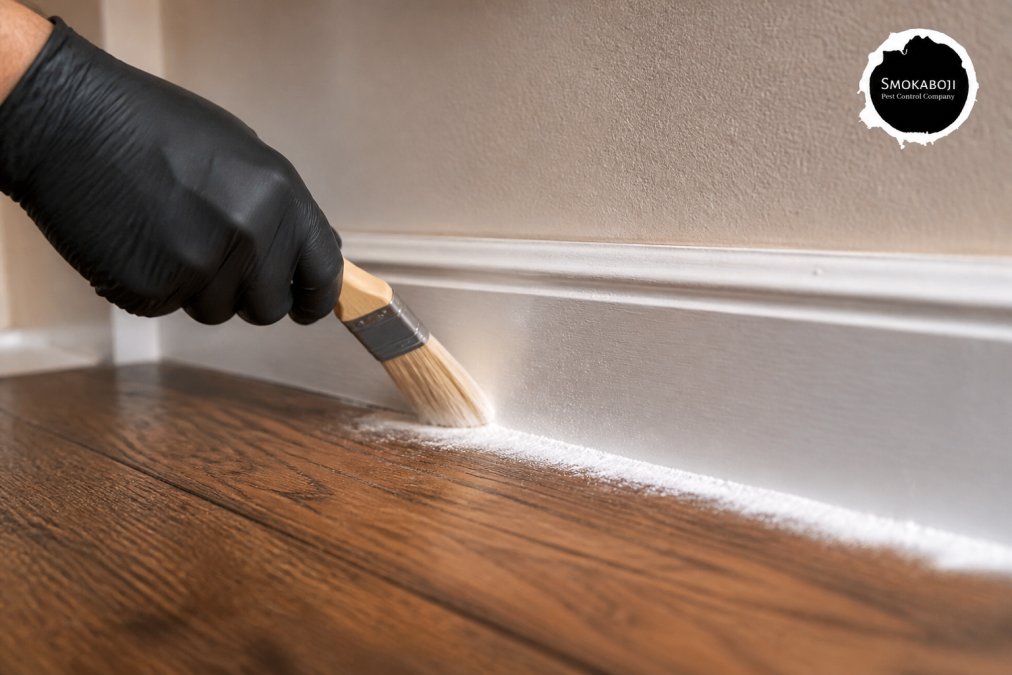
Diatomaceous earth stands out as one of the most effective non-toxic treatments. This powder, made from fossilized algae, damages insect exoskeletons on contact. Apply it along baseboards, under appliances, and around entry points rather than open living spaces. Food-grade diatomaceous earth is safe for pets and humans, though avoid inhaling dust during application.
Bait stations offer another non-toxic approach for rodents and cockroaches. These enclosed containers hold attractants that pests consume inside, where children and pets cannot access them. Place them along walls where you've observed pest activity.
Sticky traps and mechanical traps provide immediate, chemical-free control. Sticky traps work for flies and crawling insects; mechanical traps target rodents. You maintain complete control over placement and can remove traps as needed.
Exclusion methods prevent future infestations. Seal cracks around pipes, gaps under doors, and holes in walls with caulk or weatherstripping. Inspect screens for tears and repair them promptly. Store pantry items in sealed containers and clean up spills immediately.
Essential oils like peppermint and cedar have mild repellent properties. Apply oils to cotton balls placed in problem areas rather than spraying directly on surfaces where pets might contact concentrated residue.
Pest Control Safety Precautions for Pet Owners
When professional treatment becomes necessary, understanding safety protocols protects your animals. Risk comes from dermal contact, ingestion, and inhalation during and after application.
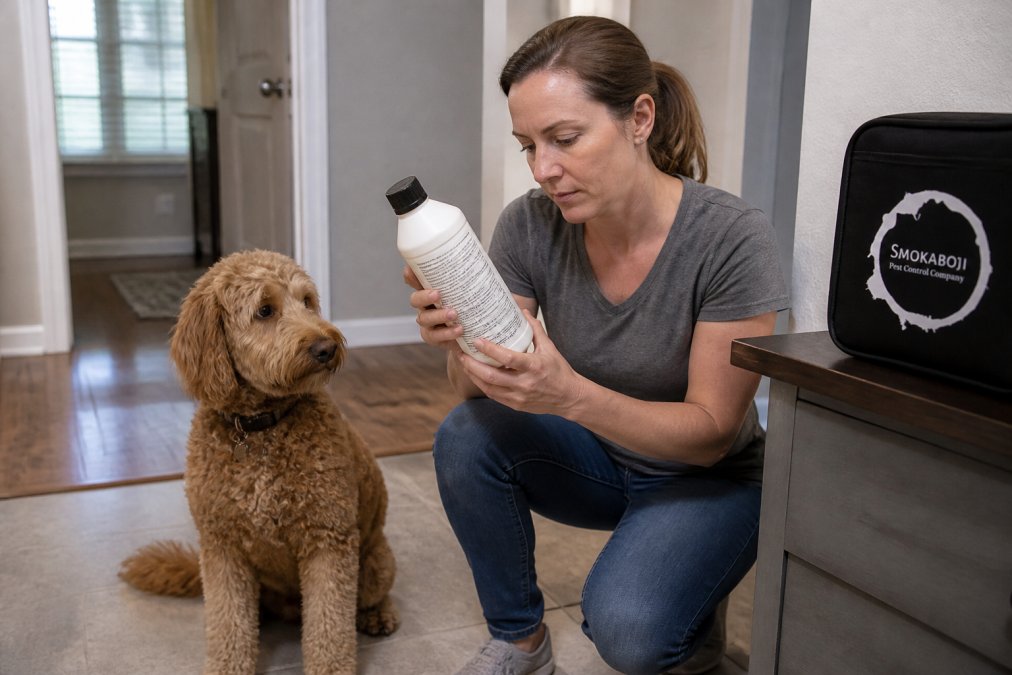
Reading product labels is non-negotiable. Labels specify toxicity levels, application rates, and waiting periods before treated areas are safe for pets. Look for the signal word: "Caution" indicates lower toxicity, while "Warning" or "Danger" signals higher hazard levels.
Waiting periods matter significantly. After chemical application, treated surfaces retain residual pesticides that can transfer to pet fur and paws. Typical waiting periods range from a few hours to overnight. Keep pets in untreated rooms with doors closed and ensure adequate ventilation.
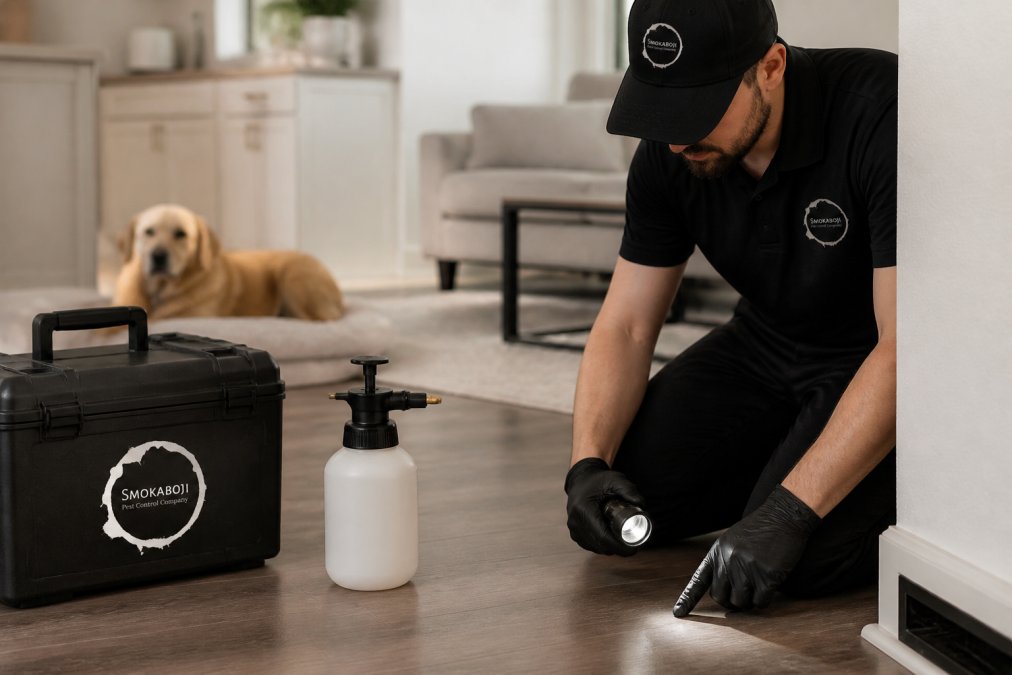
Inform your pest control technician about all household pets before treatment begins. Professional applicators adjust their approach based on animal presence, using targeted baits instead of broadcast sprays or applying treatments to areas pets cannot access. Smokaboji Pest Control customizes each treatment plan around your specific situation, including pet safety requirements.
Bathing your pet after the waiting period removes residual pesticide residue from fur, providing additional protection.
How to Get Rid of Fruit Flies in Kitchen Naturally
Fruit flies require a different approach because they breed rapidly and infest food preparation areas. Natural methods work well since the problem is typically containable.
The source is always decaying fruit, vegetable scraps, or fermented liquids. Remove the source first: discard overripe produce, clean drains with hot water and vinegar, and empty trash bins frequently. Without breeding sites, fruit flies die within days.
Apple cider vinegar traps work effectively. Fill a small bowl with apple cider vinegar, add a drop of dish soap to break surface tension, and place it near the infestation. Fruit flies land on the surface and sink. Replace the trap every few days until flies disappear. This method is completely safe for pets and food-preparation areas.
Drain cleaning prevents breeding in sink and garbage disposal areas. Pour boiling water down drains weekly, followed by baking soda and vinegar. Let the mixture sit for 30 minutes, then flush with hot water.
Proper food storage eliminates future infestations. Store ripe fruit in the refrigerator rather than on counters. Keep compost bins sealed and empty them regularly.
Dealing with pests while protecting your pets requires balancing effective treatment with safety awareness. The methods covered here address infestations without unnecessary chemical exposure. For persistent problems beyond DIY scope, Smokaboji Pest Control provides fully licensed, insured treatment customized to your home and pets. Our technicians understand the specific safety requirements of pet-owning households and adjust application methods accordingly. Contact Smokaboji Pest Control today for a customized treatment plan that eliminates pests while keeping your family and animals safe.
Frequently Asked Questions
What is the best pet safe pest control method?
The best pet safe pest control methods combine mechanical traps, diatomaceous earth, and natural repellents tailored to your specific pest issue. For fruit flies, vinegar traps work well. For spiders and crawling insects, food-grade diatomaceous earth applied to baseboards and entry points is effective. Always verify products carry pet-safe certifications and follow application rates exactly. Professional pest control services using pet-safe products offer the most reliable long-term results when DIY approaches fall short.
How long should pets stay away after pest control treatment?
Waiting periods depend on the treatment type. After natural, non-toxic methods like diatomaceous earth or mechanical traps, pets can return immediately once surfaces are dry. If professional chemical treatments are applied, follow your technician's specific instructions, typically 2 to 4 hours minimum, with full ventilation before pets re-enter. Always ask your pest control provider for their exact waiting time and any precautions. Keep pets away from treated surfaces until they're completely dry and any odor has cleared.
Are essential oils safe for pest control around pets?
Many essential oils can be toxic to pets, especially cats, even in diluted forms. Oils like tea tree, eucalyptus, peppermint, and lavender may cause respiratory irritation or skin sensitivity in animals. If you use essential oil-based repellents, apply them only in areas pets cannot access directly, ensure excellent ventilation, and monitor your pet for signs of distress. For safety, consult your veterinarian before using any essential oil product around your home, and consider mechanical or food-grade diatomaceous earth methods instead.
What common household ingredients work as natural pesticides?
Vinegar, baking soda, salt, and diatomaceous earth are effective natural pest control ingredients. Vinegar traps catch fruit flies and gnats. Baking soda mixed with powdered sugar targets cockroaches. Salt sprinkled on carpets kills fleas. Food-grade diatomaceous earth damages the exoskeletons of insects like spiders, ants, and bed bugs. These ingredients are generally low-toxicity, but always use them at proper concentrations and keep pets away during application. For persistent infestations, combine these methods with exclusion techniques like sealing cracks and removing food sources.
This article was written using GrandRanker