 comparison
Pest Pros vs Local Exterminators: Which Fits Your Needs
Table of Contents
- Pest Pros vs Local Exterminators: Key Differences
- Understanding Residential vs Commercial Pest Control
- Questions to Ask Pest Control Companies Before Hiring
- Average Cost of Pest Control Services Explained
- Integrated Pest Management and Prevention Methods
- DIY vs Professional Pest Control: Cost-Benefit Analysis
- Service Agreement Red Flags and What to Avoid
- Conclusion
Last Updated: August 9, 2026
Pest Pros vs Local Exterminators: Key Differences
When dealing with a pest infestation, choosing between a national pest control chain and a local exterminator involves more than price. National chains like Pest Pros operate across multiple states with standardized protocols and corporate oversight. Local exterminators bring deep knowledge of regional pest pressures, faster response times, and direct relationships with technicians. Neither is universally "better", the right choice depends on your pest type, property size, and priorities.
At Smokaboji Pest Control, we've worked with both types of customers and seen what works for different situations. Some homeowners prefer the brand assurance of national providers; others value the personalized attention of regional operators. This guide breaks down the real differences so you can make an informed decision.
Understanding Residential vs Commercial Pest Control
The distinction between residential and commercial pest management fundamentally changes the approach, complexity, and cost structure.
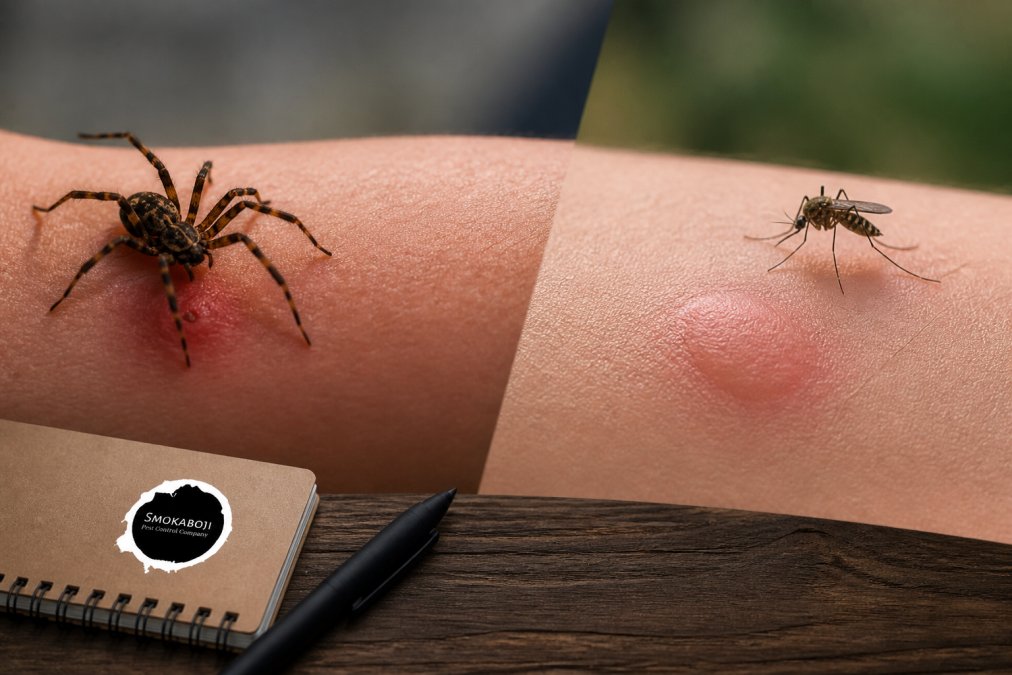
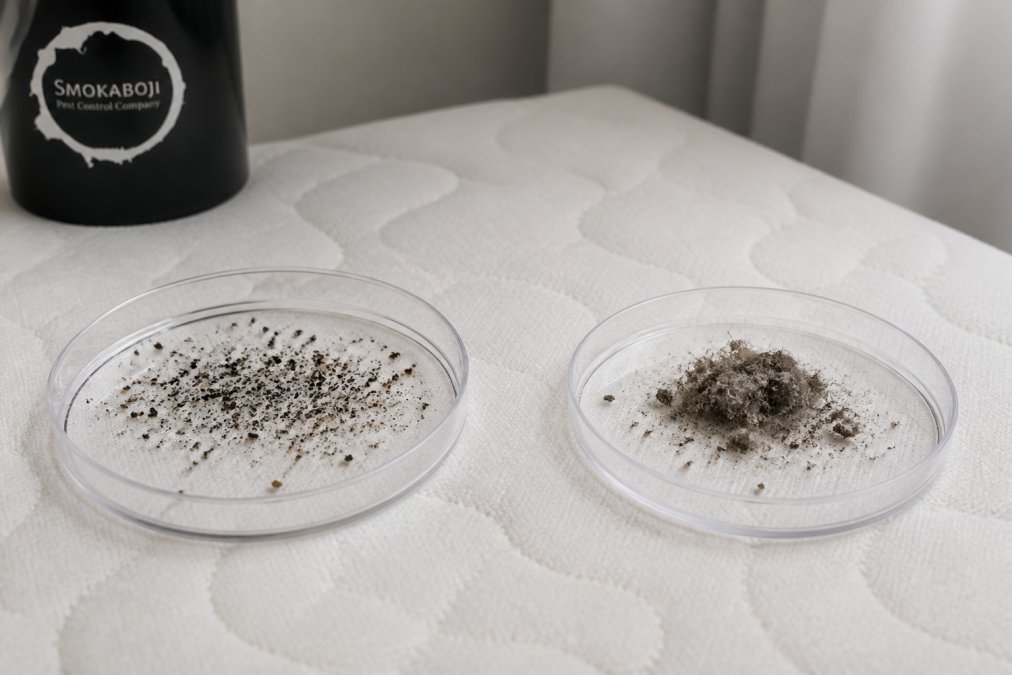
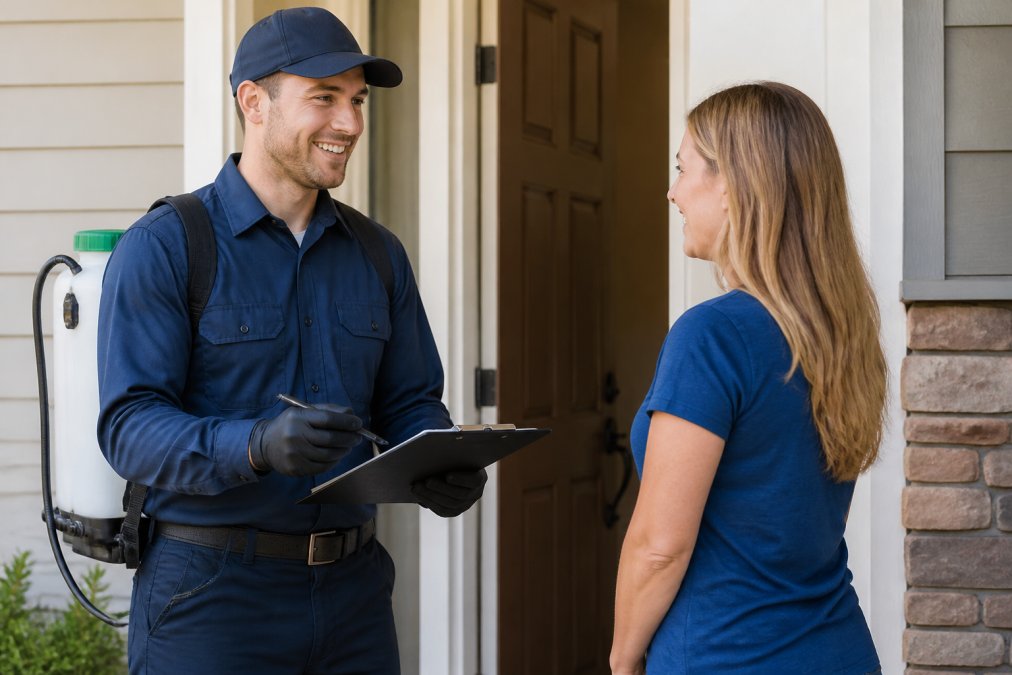
Residential pest control focuses on homes, apartments, and small rental properties, eliminating common household pests like spiders, cockroaches, bed bugs, and mice. Treatments are typically less intensive, with quarterly or semi-annual service. Residential customers often prioritize safety around children and pets, influencing chemical selection and application methods.
Commercial pest control addresses larger properties like office buildings, restaurants, warehouses, and retail spaces. These operations face stricter regulatory requirements, higher pest pressure, and the need for documented health code compliance. Commercial accounts typically require weekly or bi-weekly service with integrated pest management protocols and detailed monitoring logs.
National chains like Terminix and Truly Nolen have strong commercial divisions with dedicated account managers. Local exterminators may focus primarily on residential work, though established regional operators often handle both. For property managers overseeing multiple rental units, national coverage matters. For a single home with a spider problem, local expertise often wins.
Questions to Ask Pest Control Companies Before Hiring
Before signing any contract, ask specific questions that reveal how a company actually operates.
Start with licensing and certification. Ask: "Are all your technicians fully licensed and insured?" Request proof. In the United States, pest control technicians must be licensed through their state's department of agriculture. A company that hesitates on this question is a red flag.
Ask about the specific treatment plan. Don't accept vague answers like "we'll spray around your property." Push for detail: "What chemicals will you use? How often will treatment occur? What's your prevention strategy?" A professional should explain their integrated pest management approach, not just kill current pests but prevent future infestations through exclusion, habitat modification, and monitoring.
Inquire about service guarantees and callbacks. "If pests return within 30 days, do you re-treat at no charge?" Reputable companies stand behind their work. Read the fine print, guarantees often come with conditions.
Ask about response time for urgent issues. "If I call with bed bugs, when can someone arrive?" Response times vary widely between national chains and local operators.
Finally, ask for references or reviews. Check Google, Angi's List, and the Better Business Bureau. Look for patterns in complaints, recurring issues with communication or follow-up are warning signs.
Licensing and Certification Standards
Pest control technician licensing in the United States is regulated at the state level. Each state sets its own requirements, but all legitimate operators must pass examinations demonstrating knowledge of pest biology, pesticide safety, and application techniques.
Most states require technicians to complete specific training hours before sitting for the licensing exam. Some states distinguish between general pest control licenses and specialized certifications for termite treatment or structural fumigation. You can verify a technician's license through your state's department of agriculture.
When comparing companies, ask about technician experience beyond licensing. How long has the company been in business? Do technicians specialize in particular pest types? A company that's been operating since 2018 (like Smokaboji Pest Control) has weathered multiple seasons and pest cycles, building real expertise.
National chains often require additional internal training and certification programs. Local operators may rely more heavily on years of field experience. Both approaches have merit, standardized training ensures consistency, while veteran experience brings problem-solving flexibility.
Service Guarantees and Contract Terms
A strong guarantee states that if pests return within a specified period (typically 30 days), the company will re-treat at no charge. Some offer longer guarantees of 60 or 90 days, signaling confidence in their work. However, guarantees almost always come with conditions: you must follow prevention recommendations, seal entry points, and maintain the property as discussed.
Watch for vague language like "satisfaction guaranteed" without specific terms. What does satisfaction mean? How long is the guarantee valid?
Contract length matters too. Month-to-month agreements give flexibility to switch if service quality drops. Annual contracts often come with discounts but lock you in. Avoid multi-year commitments until you've seen the company's work.
Pay attention to cancellation terms. Can you cancel without penalty? How much notice is required? Some national chains have steep cancellation fees; local operators may be more flexible.
Finally, understand what's included and what costs extra. Get a written estimate that breaks down all costs before service begins.
Average Cost of Pest Control Services Explained
Pest control pricing varies based on property size, infestation severity, pest type, treatment frequency, and location. A one-time treatment for a minor issue might cost $150 to $500. Ongoing service plans typically range from $50 to $150+ per visit, with annual costs varying by frequency and scope. Specialized treatments like termite inspections or bed bug remediation cost more due to labor intensity.
The real cost question isn't "what's the cheapest option?" but "what value am I getting?" A $50 monthly treatment that doesn't solve your problem is expensive. A $200 treatment from a company that understands your property and prevents future infestations is a bargain.
For a specific quote from Smokaboji Pest Control or any local operator, you'll need an inspection. Request quotes from multiple providers to assess how thoroughly each company evaluates your situation.
Integrated Pest Management and Prevention Methods
Integrated Pest Management (IPM) is the gold standard in modern pest control. It's a systematic approach that reduces reliance on chemicals while solving pest problems more effectively.
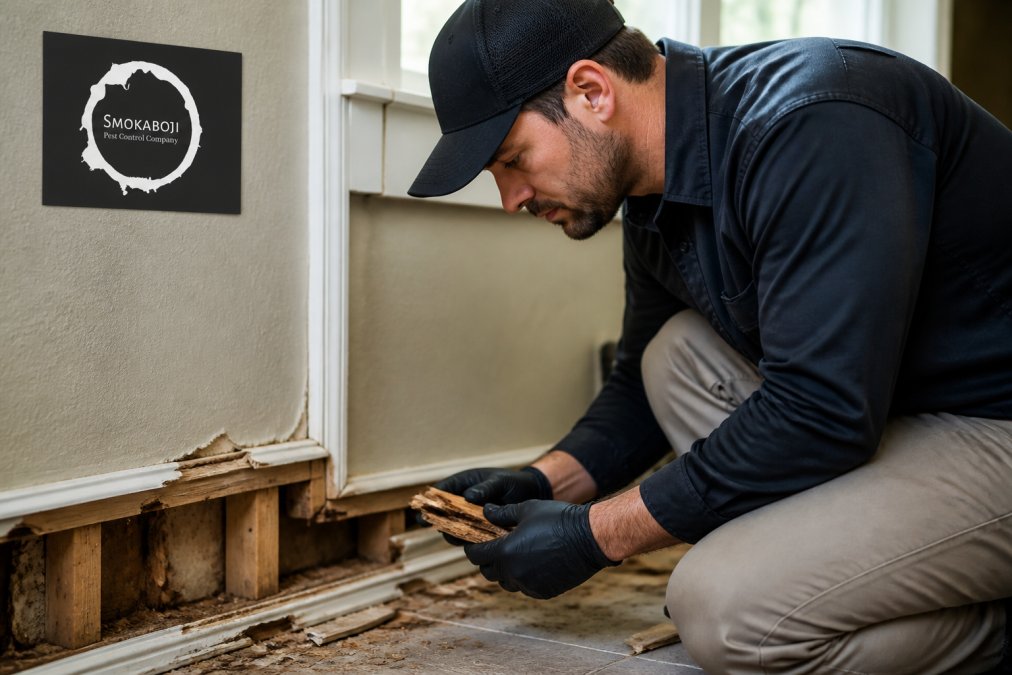
IPM works in layers. First comes inspection and identification: what pests are present and where are they entering? Second is exclusion: sealing cracks and gaps so pests can't get inside. Third is habitat modification: removing food sources, reducing moisture, and eliminating clutter. Only after these steps come targeted chemical treatments, and only where necessary.
This approach differs sharply from the old "spray everything" model. IPM-focused operators use preventative maintenance and targeted treatments, meaning fewer chemicals in your home and more durable results.
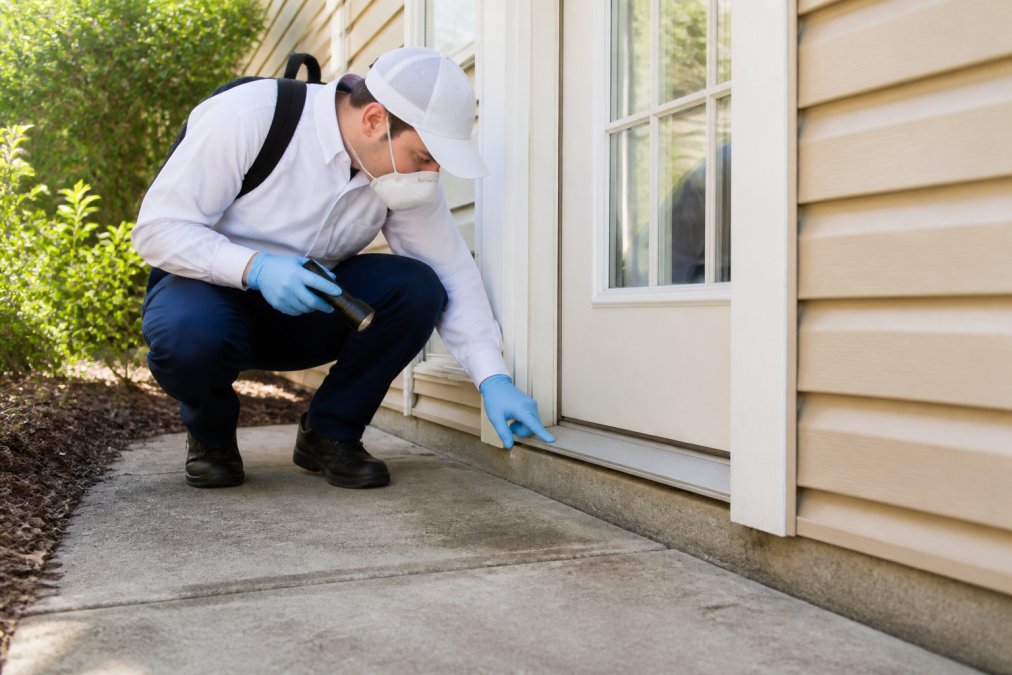
When evaluating companies, ask explicitly about their IPM approach. Do they conduct thorough inspections before recommending treatment? Do they focus on prevention and exclusion, or just killing visible pests? A company that emphasizes prevention and provides a written prevention plan operates at a higher level.
DIY vs Professional Pest Control: Cost-Benefit Analysis
DIY treatments cost $20 to $50 per application. Store-bought pesticides are weaker formulations than professional products, requiring more applications. If your spider problem returns after two weeks of DIY treatment, you've spent money and time without solving the problem.
Professional treatments cost more upfront but address root causes. A technician identifies entry points, applies stronger formulations in precise locations, and provides prevention advice specific to your property. The result: longer-lasting control and fewer re-treatments.
There's also the safety question. Pesticides are toxic by design. Improper application can expose you, your family, and pets to unnecessary chemical risk. Professionals are trained in safe handling and proper dosing.
The real comparison isn't "$30 DIY vs. $200 professional" but "spend $30 repeatedly and still have pests vs. spend $200 once and solve the problem for months." When you factor in your time, repeated applications, and stress, professional treatment almost always wins economically.
DIY prevention, sealing cracks, removing clutter, fixing moisture issues, is absolutely worth doing yourself. Professional pest control works best when you handle prevention and they handle elimination.
Service Agreement Red Flags and What to Avoid
Not all pest control contracts are created equal. Here's what to watch for.
Auto-renewal clauses automatically renew your contract unless you cancel by a specific date. If you miss that date, you're locked in again. Always ask about renewal terms and mark your calendar.
Vague treatment descriptions protect the company, not you. Demand specific language: "monthly treatment for ants, spiders, and cockroaches using [chemical name]."
Hidden fees appear after you've committed. Some companies quote a low monthly price, then add charges for inspections, re-treatments, or emergency calls. Get a complete written quote including all potential costs before signing.
Unreasonable cancellation penalties lock you into bad service. Legitimate companies offer month-to-month flexibility or reasonable cancellation terms.
Guarantees with impossible conditions are marketing tricks. Read the conditions carefully, they may exclude common pests or limit the guarantee to 14 days.
No written prevention plan suggests the company isn't serious about long-term solutions. A professional should provide documented recommendations for sealing entry points, reducing moisture, and removing attractants.
Before signing anything, have a lawyer review significant contracts. A 10-minute legal review costs less than being locked into a bad agreement.
Choosing between Smokaboji Pest Control and other providers depends on what matters most to your situation. If you need a local operator with deep knowledge of Northwest Iowa and Southwest Minnesota pest pressures, licensed technicians available for urgent calls, and customized treatment plans, Smokaboji Pest Control's 5-star rating on Angi's List with an A+ BBB rating since 2018 speaks to reliability and expertise. Get a free inspection and quote to see how their approach compares to other options in your area.
Frequently Asked Questions
What's the difference between a pest control company and a local exterminator?
National pest control companies like Terminix and Truly Nolen operate across multiple states with standardized service plans, pricing structures, and technician training. Local exterminators typically serve specific regions, often with personalized service and deeper knowledge of regional pest pressures. National providers offer broader coverage and repair guarantees; local professionals may provide more flexible scheduling and customized approaches to your specific pest problems.
How much should I expect to pay for pest control services?
Average cost of pest control services varies widely. One-time visits typically range from $100-$500, while annual plans run $500-$1,200 depending on property size, pest type, and treatment frequency. Initial inspections are often free. Contact local providers like Smokaboji Pest Control for a quote tailored to your specific situation, as pricing depends on your location, infestation severity, and service frequency needs.
What questions should I ask pest control companies before hiring?
Ask about technician licensing and certification, what chemicals or methods they use, whether they offer guarantees on their work, contract terms and cancellation policies, how often treatments are needed, and their response time for urgent issues. Request references and verify their insurance coverage. Ask specifically about integrated pest management practices and whether they offer preventative maintenance plans. These questions help you understand their professional expertise and reliability.
Are national pest control companies better than local ones?
Both have advantages. National companies offer wider coverage, repair guarantees (often up to $250,000 for termite damage), and standardized service protocols. Local exterminators typically provide faster response times, regional pest knowledge, and more personalized care. For properties spread across multiple counties, a local company serving your entire area may be more convenient. Your choice depends on whether you prioritize broad coverage or personalized, responsive service.
What should I look for in a pest control service agreement?
Look for clear terms on treatment frequency, what pests are covered, pricing structure, cancellation policies, and service guarantees. Avoid contracts with vague language, hidden fees, or automatic renewal clauses. Verify that the company specifies which chemicals they use and confirms they follow EPA-approved safety protocols. Check whether the agreement includes preventative maintenance or only treats active infestations. Red flags include pressure to sign long-term contracts immediately or refusal to provide written documentation.
This article was written using GrandRanker