 how-to
Non-Toxic Pest Management for Poultry Coops
Table of Contents
- Why Non-Toxic Pest Management Matters for Your Flock
- Natural Mite Control for Chickens and Other Common Pests
- Diatomaceous Earth for Chicken Coops: Application and Safety
- Frequently Asked Questions
Last Updated: October 1, 2026
Why Non-Toxic Pest Management Matters for Your Flock
Mites, lice, and beetles weaken chickens, reduce egg production, and spread disease, but harsh chemicals can harm the birds you're trying to protect, which is why non-toxic pest management for poultry coops is essential.
Non-toxic pest management for poultry coops combines natural barriers, sanitation, and safe treatments that eliminate pests without poisoning your flock, keeping your chickens healthy and eggs safe.
This guide covers natural mite control, diatomaceous earth application, and preventative measures that work.
Natural Mite Control for Chickens and Other Common Pests
Mites, lice, and darkling beetles are major threats to backyard flocks, but natural solutions stop them without toxic chemicals.
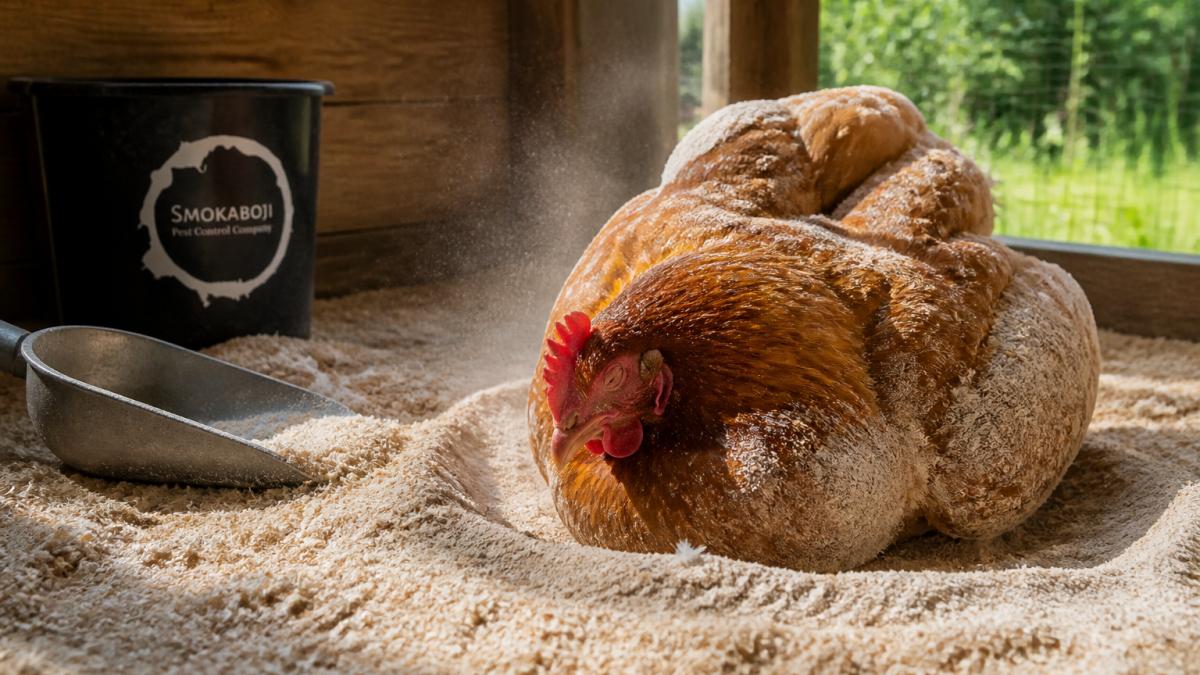
Dust baths are your first line of defense. Chickens naturally bathe in dry soil and sand, killing parasites by coating their feathers and skin. Create a dedicated dust bath area using:
- Fine sand or dry soil
- Food-grade diatomaceous earth
- Wood ash (in small amounts)
Mix these materials in a shallow box or corner of your coop and refresh weekly.
Herbal treatments add extra protection. Certain plants repel mites and lice naturally. Garlic, oregano, and mint contain compounds that parasites dislike. Add fresh herbs to nesting boxes or hang bundles in the coop. Some keepers mix dried herbs into bedding.
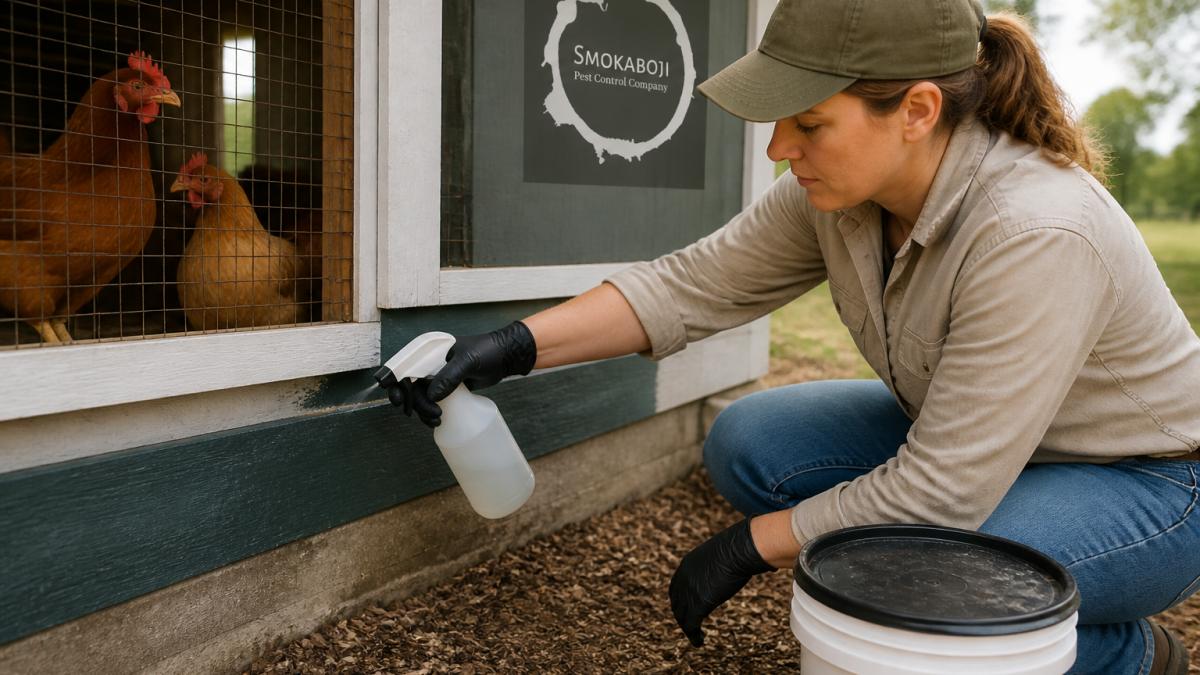
Physical barriers prevent infestation. Keep rodents and wild birds out, they carry mites and beetles. Seal cracks in walls. Use hardware cloth on ventilation openings. Clean roosts and perches weekly. A clean coop is a pest-free coop.
Diatomaceous Earth for Chicken Coops: Application and Safety
Food-grade diatomaceous earth is one of the safest, most effective non-toxic pest management tools for poultry coops. It works by damaging the outer coating of insects, causing dehydration (pubmed.ncbi.nlm.nih.gov). It's lethal to pests but harmless to birds when applied correctly.
Application is straightforward. Dust the coop floor, nesting boxes, and roosts with food-grade diatomaceous earth. Apply a thin layer, thick coatings reduce effectiveness and irritate respiratory systems. Use a duster or shaker bottle for even coverage. Reapply after rain or weekly during heavy pest seasons.
Safety comes first. Food-grade diatomaceous earth is non-toxic, but inhaling dust irritates lungs. Wear a mask when applying. Keep chickens out of the coop for 30 minutes after treatment. Never use pool-grade diatomaceous earth, it contains harmful chemicals.
Work with professionals when infestations are severe.
Frequently Asked Questions
Can diatomaceous earth be used safely around chickens?
Yes, food-grade diatomaceous earth is safe for poultry when applied correctly. Dust it into bedding and nesting areas where chickens spend time. Avoid inhaling the powder yourself by wearing a mask during application. Food-grade DE works by damaging the exoskeletons of mites, lice, and darkling beetles without harming your flock. Apply every 7-10 days during active pest seasons for best results.
What is the best natural way to get rid of mites in a chicken coop?
Combine multiple methods for effective natural mite control for chickens: provide regular dust baths with food-grade diatomaceous earth, maintain a strict cleaning schedule, ensure proper ventilation to reduce moisture, and add herbal treatments like dried herbs to bedding. Mites thrive in damp, dirty conditions, so removing their habitat is as important as direct treatments. Inspect your flock weekly for signs of infestation and adjust your approach as needed.
How often should I clean my chicken coop to prevent pests?
Follow a chicken coop cleaning schedule that includes daily spot-cleaning of soiled bedding and weekly deep cleaning of the entire coop. Remove and replace bedding completely every 1-2 weeks, depending on flock size and moisture levels. Monthly, scrub roosts and nesting boxes with soapy water and allow them to dry completely. This aggressive sanitation prevents pest populations from establishing and reduces the need for treatments.
Poultry pest management doesn't require harsh chemicals. Dust baths, herbal treatments, diatomaceous earth, and strict sanitation create a system that works. When DIY approaches fall short, professional non-toxic pest management for poultry coops ensures your flock stays healthy and productive. Contact Smokaboji Pest Control for a customized plan tailored to your specific pest challenges and flock size.