 comparison
Local Pest Control Service Pricing 2026
Table of Contents
- What Affects Local Pest Control Service Pricing
- Average Cost of Pest Control Per Month
- One-Time vs. Recurring Pest Control Plans
- Getting an Accurate Quote for Your Property
Last Updated: August 24, 2026
What Affects Local Pest Control Service Pricing
Local pest control service pricing depends on several factors that vary significantly based on your specific situation. Property size is a primary cost driver, larger homes require more time, materials, and labor (the EPA). The type and severity of infestation dramatically impact pricing: routine preventative treatment costs far less than eliminating an established bed bug or termite infestation (the CDC). Your location, seasonal demand, and treatment method (interior, exterior, or both) also influence the final cost.
Average Cost of Pest Control Per Month
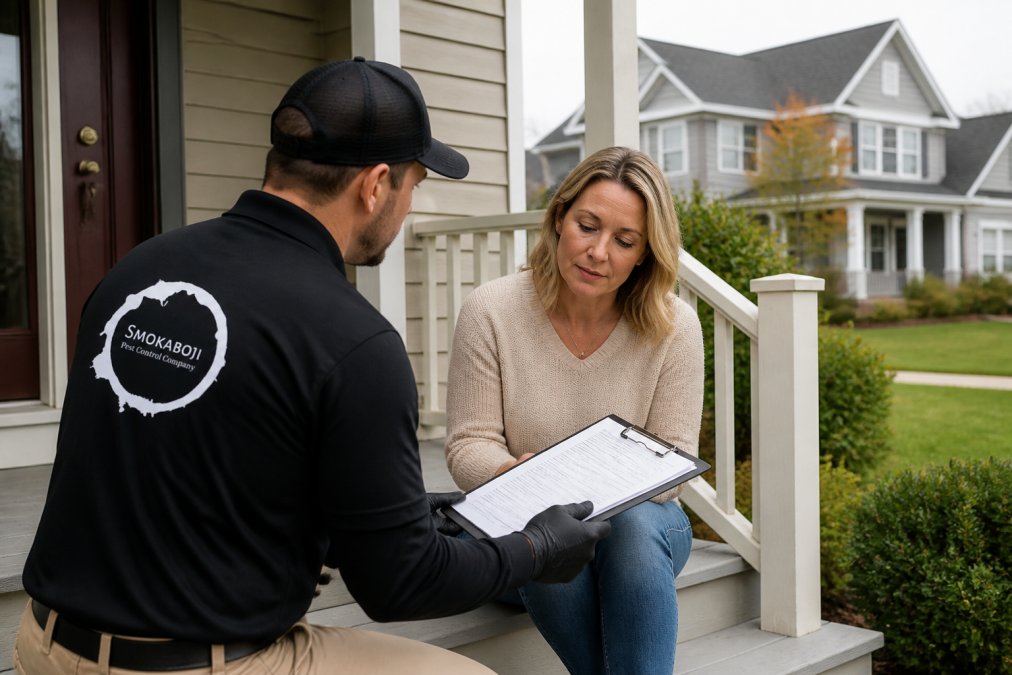
Monthly pest control costs vary based on service frequency and treatment intensity. A typical residential preventative maintenance plan runs on a monthly or quarterly schedule, with pricing dependent on your property size and pest pressure. Many homeowners find that recurring service agreements provide better long-term value by preventing infestations before they become severe. Smokaboji Pest Control offers customized treatment plans tailored to your specific needs, with preventative maintenance programs designed to keep your property pest-free year-round.
One-Time vs. Recurring Pest Control Plans
Choosing between one-time treatments and recurring service agreements depends on your pest situation and budget priorities. One-time treatments address immediate problems like sudden spider infestations or rodent discoveries. Recurring plans, typically monthly or quarterly, emphasize prevention through regular inspections and monitoring.
While one-time treatments have lower upfront costs, recurring plans spread expenses over time and often cost less per service visit due to volume discounts (the FTC). Preventative programs typically prevent the expensive emergency treatments that become necessary when infestations go unchecked. For properties with recurring pest problems, a recurring service agreement makes financial sense.
Getting an Accurate Quote for Your Property
Obtaining an accurate pest control quote requires providing detailed information about your property and pest situation. Start by scheduling an initial inspection with a licensed pest control professional.
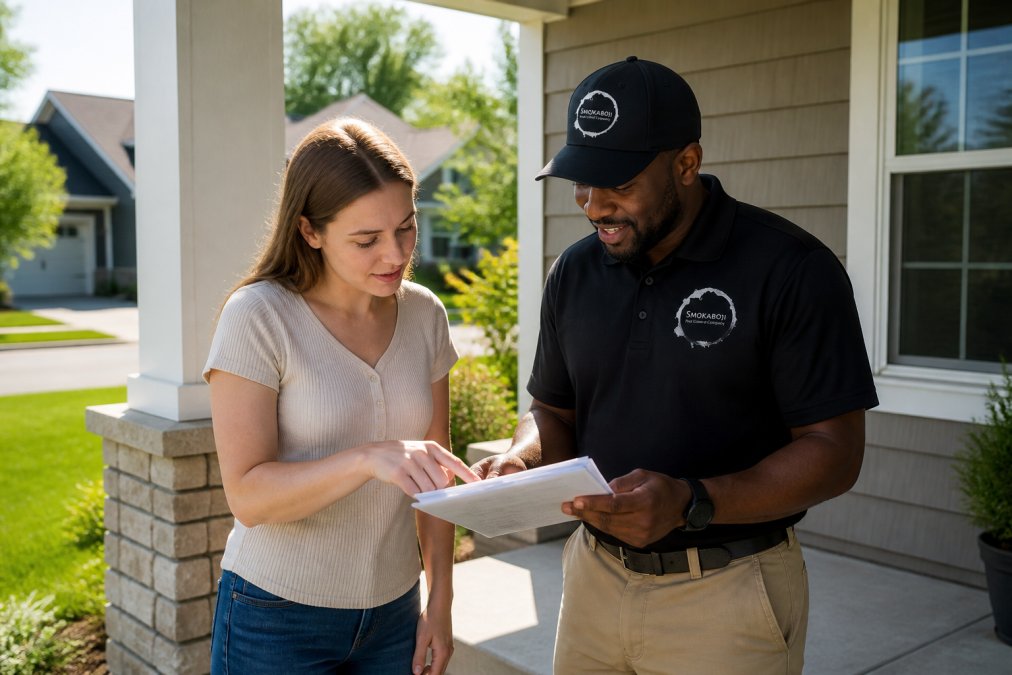
During the inspection, the technician evaluates your property's size, construction type, entry points, and current pest activity. When requesting quotes, be specific about your situation, mention all pest problems encountered, your property type, and preferred service frequency. Ask whether the quote includes the initial inspection, what specific treatments are recommended, and what re-treatment guarantees are offered.
Compare quotes from multiple companies, but don't select based solely on price. A lower quote may exclude services that higher quotes include. Smokaboji Pest Control provides free estimates and consultations, allowing you to discuss your specific needs before committing to any service agreement. Their fully licensed and insured technicians assess your situation thoroughly, ensuring your quote reflects your actual requirements.
| Service Type | Typical Frequency | Best For |
|---|---|---|
| One-time treatment | As needed | Acute pest problems, budget constraints |
| Monthly service | Every 30 days | High pest pressure, commercial properties |
| Quarterly maintenance | Every 3 months | Preventative protection, residential homes |
| Annual contract | 4 visits/year | Long-term prevention, seasonal pests |
Getting an accurate pest control quote means understanding what drives pricing in your area and choosing a service approach that matches your situation. Licensed, insured professionals like those at Smokaboji Pest Control can evaluate your property and provide transparent pricing based on your actual needs. Request multiple quotes, ask specific questions about what's included, and prioritize companies that offer customized treatment plans. Contact Smokaboji Pest Control for a free estimate and learn how their customized treatment plans and preventative maintenance programs can protect your property year-round.
Frequently Asked Questions
What is the average cost of pest control per month?
Monthly pest control service costs vary based on property size, pest type, and service frequency. Recurring monthly plans typically range from basic maintenance to comprehensive coverage. Your specific cost depends on factors like home square footage, existing pest activity, and whether you choose preventative maintenance or targeted treatments. Contact Smokaboji Pest Control for a customized quote based on your property's needs.
How do one-time extermination costs compare to recurring service plans?
One-time pest control visits address immediate infestations but may not prevent future problems. Recurring service plans provide ongoing protection through regular inspections and preventative treatments, reducing the likelihood of re-infestation. While one-time services cost less upfront, recurring plans often deliver better long-term value by maintaining a pest-free environment year-round. The choice depends on your pest history and whether you want continuous protection.
What factors influence the cost of residential pest control?
Key pricing factors include your home's square footage, the specific pests requiring treatment, severity of infestation, treatment method (interior, exterior, or both), your location within the service area, and whether you need one-time or ongoing service. Properties with active infestations typically cost more than preventative treatments. Local conditions, seasonal pest activity, and your home's construction type also affect pricing. A professional inspection helps determine the exact cost for your situation.
This article was written using GrandRanker