 ultimate-guide
IPM for Businesses: Benefits & Implementation
Table of Contents
- What Integrated Pest Management Means for Your Business
- Cost-Benefit Analysis of Pest Control: Why IPM Saves Money
- Building an IPM Plan for Commercial Buildings
- Regulatory Compliance for Commercial Pest Control
Last Updated: August 27, 2026
What Integrated Pest Management Means for Your Business
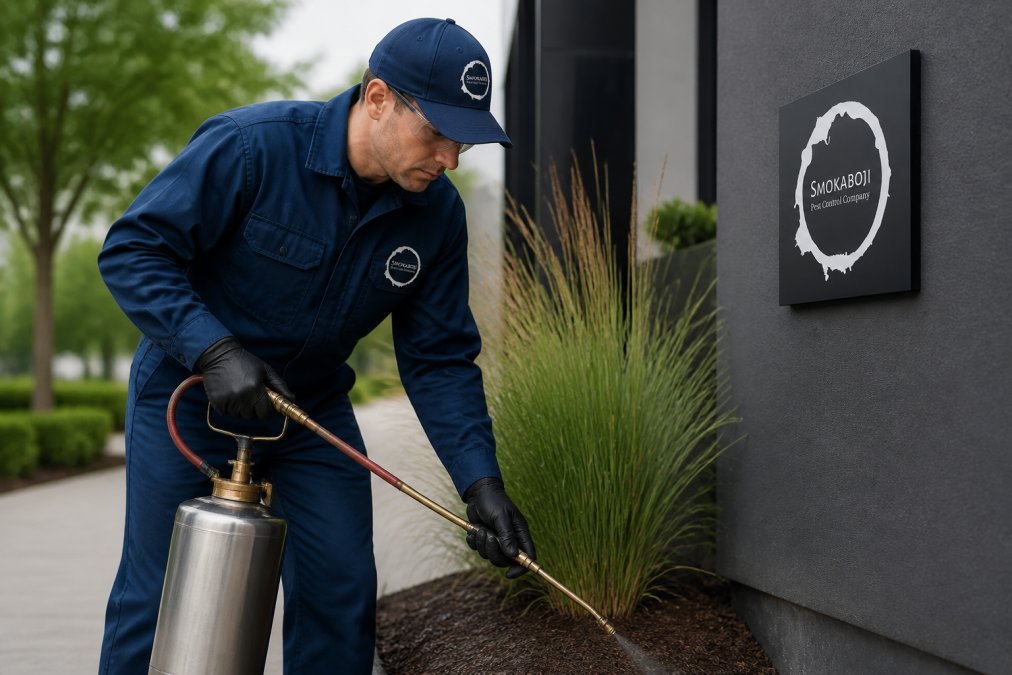
Integrated pest management (IPM) combines monitoring, prevention, biological control, and targeted chemical intervention to manage pest populations while minimizing environmental and health risks. Rather than relying on single treatments, IPM uses action thresholds to determine when intervention is necessary, reducing unnecessary chemical use and long-term costs.
For commercial buildings, IPM represents a shift from reactive pest response to proactive prevention. The approach prioritizes habitat modification, sanitation protocols, and exclusion techniques before turning to chemicals. At Smokaboji Pest Control, we understand that pest problems threaten your bottom line and reputation, IPM prevents infestations before they take hold and manages active problems with precision.
Cost-Benefit Analysis of Pest Control: Why IPM Saves Money
The real cost of pest control extends far beyond treatment fees. Reactive approaches force you to absorb emergency service charges, operational disruption, and potential liability claims. IPM invests in prevention upfront, catching problems early when treatment is simpler and less expensive.
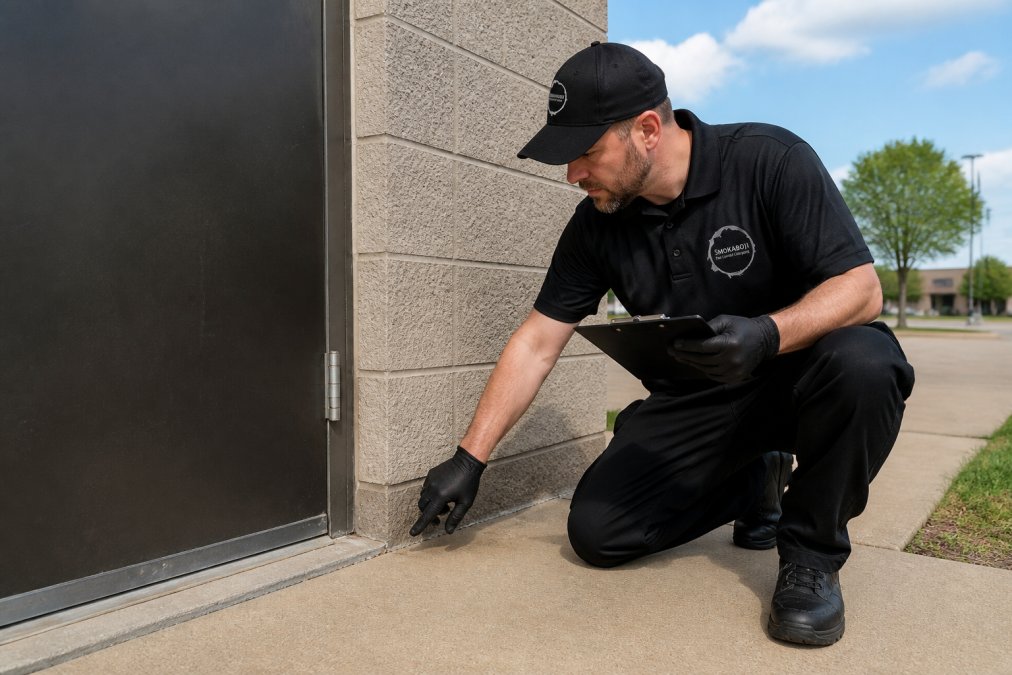
Regular monitoring identifies entry points and conditions that attract pests before populations establish. Pest infestations force facility shutdowns, trigger health code violations, and damage customer relationships (the CDC). IPM prevents these scenarios through long-term prevention rather than short-term fixes.
Building an IPM Plan for Commercial Buildings
An effective IPM plan follows a structured process: assessment, prevention, monitoring, and targeted response. Assessment involves documenting current pest activity, identifying entry points, and evaluating conditions that support pest populations. Poor sanitation, water leaks, food storage gaps, and structural cracks create infestation opportunities.
Prevention focuses on exclusion and habitat modification. Seal cracks around pipes, doors, and windows. Maintain proper drainage to eliminate standing water. Implement strict sanitation protocols in food service areas. Store materials in sealed containers.
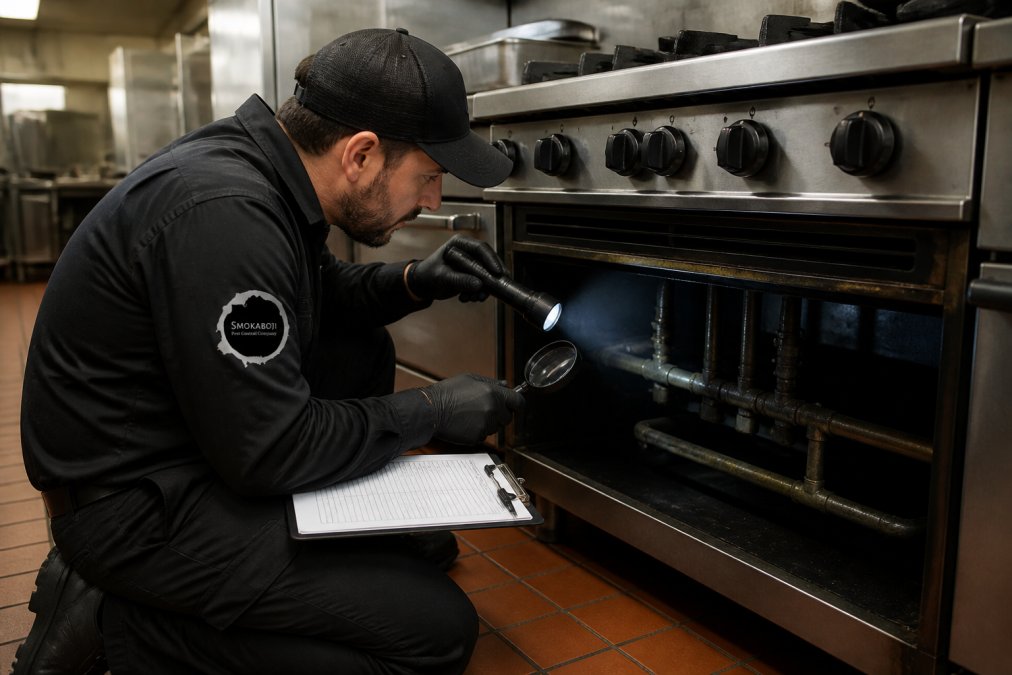
Monitoring detects early activity when populations are small and treatment is straightforward. Technicians place monitoring devices, inspect vulnerable areas, and track pest activity over time. When intervention becomes necessary, IPM applies the least disruptive method first, biological control, physical traps, and barriers contain problems without chemicals. Only when these methods prove insufficient do targeted chemical treatments apply to affected areas.
Regulatory Compliance for Commercial Pest Control
Commercial pest control operates under regulatory oversight that varies by industry and location. Food service facilities must comply with health department standards mandating pest prevention and documented control measures (the FDA). The EPA and state environmental agencies regulate pesticide application, requiring licensed applicators and proper documentation (the EPA).
IPM simplifies compliance by reducing chemical use and creating clear documentation trails. Working with a fully licensed and insured pest control provider like Smokaboji Pest Control ensures your facility maintains required records. Preventative monitoring and targeted intervention demonstrate serious pest management commitment, valued by regulators and customers alike. Proper pest exclusion and sanitation reduce risk of pest-related damage and shield you from liability claims.
When an infestation threatens your commercial operations, you need a pest control partner who responds quickly and delivers lasting results. Smokaboji Pest Control combines fully licensed technicians, modern treatment methods, and customized preventative maintenance plans to keep your business pest-free year-round. Contact us today to build an IPM strategy tailored to your facility's specific needs and get started on long-term pest prevention that protects both your operations and your bottom line.
Frequently Asked Questions
Q: What are the main advantages of integrated pest management for businesses?
A: Integrated pest management reduces pest problems through prevention and monitoring rather than relying solely on pesticides. Businesses benefit from lower chemical use, reduced operational disruptions, better regulatory compliance, and long-term cost savings. IPM combines pest monitoring, habitat modification, biological control, and targeted chemical intervention only when necessary. This approach protects your facility, employees, and customers while maintaining a professional environment.
Q: How does an IPM plan for commercial buildings differ from standard pest control?
A: Standard pest control typically responds to infestations after they occur, often using broad pesticide applications. An IPM plan for commercial buildings takes a preventative approach: regular inspections identify pest activity early, sanitation protocols eliminate food sources, exclusion measures seal entry points, and chemical treatments target specific problems only when action thresholds are reached. This integrated strategy prevents recurring infestations and reduces chemical exposure in your workplace.
Q: Does regulatory compliance for commercial pest control affect my business operations?
A: Yes. Federal and state regulations govern pesticide use, application timing, and documentation in commercial settings. Regulatory compliance for commercial pest control requires licensed applicators, proper record-keeping, and adherence to safety standards. Failure to comply can result in fines, liability issues, and operational shutdowns. Professional IPM services ensure your business meets all regulatory requirements while protecting employees and customers from health risks.
This article was written using GrandRanker