 how-to
How to Identify Bed Bug Bites: A Step-by-Step Guide
Table of Contents
- What Do Bed Bug Bites Look Like?
- Bed Bug Bite Symptoms You Should Know
- Bed Bug Bites vs. Mosquito Bites and Other Insect Bites
- Signs of Bed Bug Infestation Beyond the Bites
- Frequently Asked Questions
Last Updated: September 3, 2026
What Do Bed Bug Bites Look Like?
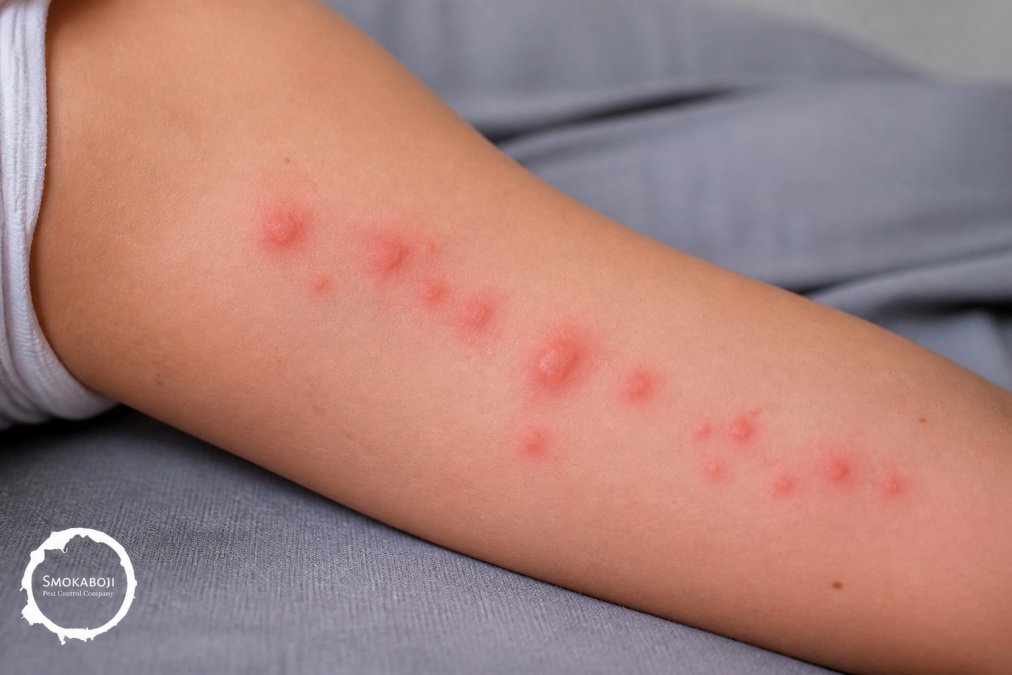
Bed bug bites appear as raised, red welts, often in a distinctive linear or clustered pattern. They typically develop within 1-3 days of exposure and measure about the size of a pencil eraser (the CDC). On lighter skin, bites appear bright red or pink; on darker skin tones, they may appear purple or dark red with longer-lasting hyperpigmentation.
A hallmark feature is their clustering and linear arrangement, often called "breakfast, lunch, and dinner" bites because bugs feed multiple times in one night. You'll typically see 3-5 bites grouped closely together or in a line, sometimes with a small red halo around the central bump.
Bed Bug Bite Symptoms You Should Know
The most common symptom is intense itching, which can begin immediately or develop over several hours and often worsens at night. Mild to moderate swelling around the bite site is typical, and some individuals develop allergic reactions with larger welts or blistering. Redness persists for days or weeks depending on your body's reaction. A small percentage experience minimal symptoms, making detection harder in these cases.
The psychological impact of infestation, anxiety and sleep disruption from knowing parasitic insects have fed on you, is real and understandable, making prompt professional treatment important.
Bed Bug Bites vs. Mosquito Bites and Other Insect Bites
Mosquito bites are typically individual, scattered bumps that develop within minutes, lacking the clustered or linear pattern of bed bugs. Flea bites are smaller, usually appear on lower legs and ankles, and are intensely itchy but distributed differently. Bed bugs feed on exposed skin on the face, neck, arms, and torso.
| Insect | Appearance | Pattern | Location | Timing |
|---|---|---|---|---|
| Bed Bug | Raised red welts, pimple-like | Linear or clustered | Face, neck, arms, torso | Hours to days |
| Mosquito | Single puncture with halo | Scattered, individual | Any exposed area | Minutes |
| Flea | Small, intense red bumps | Clustered | Lower legs, ankles | Hours |
| Lice | Tiny bumps with puncture | Scattered on scalp | Scalp, neck, behind ears | Hours |
Hives from allergic reactions appear as larger, irregular welts spreading across larger body areas. Eczema or dermatitis causes itching and inflammation but lacks the puncture-like appearance of insect bites. If uncertain, a dermatologist or pest control professional can confirm.
Signs of Bed Bug Infestation Beyond the Bites
Bed bugs leave physical evidence: small dark fecal spots on mattresses and bedding that look like dirt specks, and translucent exoskeletons about the size of an apple seed (the EPA). A musty, sweet odor in the bedroom indicates active infestation. Live bed bugs hide during the day in mattress seams, bed frames, and furniture crevices.
Bed bugs feed primarily between midnight and dawn, so waking with new bites is a strong indicator (the CDC). Multiple household members developing bites simultaneously suggests bed bugs rather than individual mosquito or flea exposure. Professional inspection is the most reliable approach to confirm infestation and develop effective treatment plans.
Bed bug bites can be uncomfortable and distressing, but accurate identification is the first step toward resolution. If you've confirmed bed bug bites in your home or business, professional pest control treatment is essential. Smokaboji Pest Control offers expert bed bug elimination using modern chemicals and proven practices, with customized treatment plans tailored to your specific situation and prompt response to urgent pest issues. Contact us today for a thorough inspection and effective solution to protect your home or business.
Frequently Asked Questions
Q: How do you tell if a bite is from a bed bug?
A: Bed bug bites appear as raised red welts, often in linear patterns or clusters of three or more. They typically itch intensely and develop within 1-3 days of the bite. If you notice multiple bites in a line or cluster on your body and suspect bed bugs, inspect your mattress seams, headboard, and box spring for small dark spots or tiny insects.
Q: What are the first signs that you have bed bugs?
A: The first signs of bed bug infestation include waking with new bites on your skin, spotting small dark fecal spots on your mattress or bedding, and noticing a musty odor in your bedroom. You may also see tiny exoskeletons or the bugs themselves, which are about the size of an apple seed. If you suspect an infestation, inspect your bed frame, mattress, and nearby furniture carefully. Professional pest control can confirm the infestation and help eliminate the problem.
Q: What is commonly mistaken for bed bug bites?
A: Bed bug bites are often confused with mosquito bites, flea bites, and skin conditions like eczema or hives. Mosquito bites are usually random and appear anywhere on exposed skin, while bed bug bites cluster. Flea bites are smaller and typically appear on the lower legs and ankles. If you're unsure, look for other signs of infestation like fecal spots on bedding or the bugs themselves. When in doubt, contact a licensed pest control professional for accurate identification and treatment.
This article was written using GrandRanker