 how-to
How to Handle Recurring Pest Problems: A 2026 Guide
Table of Contents
- Why Recurring Pest Problems Keep Coming Back
- Signs of a Failed Pest Treatment
- Common Household Pest Entry Points to Seal First
- Integrated Pest Management for Homeowners: A Step-by-Step Approach
- Seasonal Pest Calendar for Northwest Iowa and Southwest Minnesota
- DIY vs. Professional Pest Control: An Honest Cost-Benefit Look
- Pest Control Service Frequency: How Often Do You Actually Need It?
- How to Handle Recurring Pest Problems for Good: When to Call a Pro
Last Updated: August 5, 2026
Why Recurring Pest Problems Keep Coming Back
Recurring pest problems frustrate homeowners: you treat the issue, think it's resolved, and within weeks the same pests return. At Smokaboji Pest Control, we hear this constantly from homeowners across Northwest Iowa and Southwest Minnesota. The core reason treatments fail isn't the chemical used, it's that most approaches address the symptom without fixing the conditions that invited pests in the first place.
The Pest Life Cycle Problem
Most over-the-counter treatments and even some professional applications target only the adult insects or rodents you can see. Eggs, larvae, and pupae often remain unaffected. A single female mouse produces several litters per year; a cockroach egg case contains dozens of eggs. If the treatment cycle doesn't account for the full pest life cycle, the population rebounds within weeks. Effective management requires timed follow-up treatments that catch the next generation before it reaches reproductive maturity.
Harborage Areas and Moisture Control
Pests establish colonies where they find shelter and moisture. Cluttered basements, stacked firewood against the house, and overgrown vegetation near the foundation provide ideal harborage. Standing water, leaky pipes, and damp crawl spaces attract cockroaches, silverfish, and springtails reliably. A common mistake is treating the visible infestation while leaving the harborage area intact, pests retreat, wait out the treatment, and return. Eliminating harborage and fixing moisture issues is non-negotiable for long-term success.
Signs of a Failed Pest Treatment
Signs of a failed pest treatment are often subtle at first, which is why homeowners sometimes don't recognize the pattern until the infestation has fully rebounded.
Watch for these indicators:
- Continued sightings within 2-3 weeks of treatment, especially during daylight hours when pests normally hide
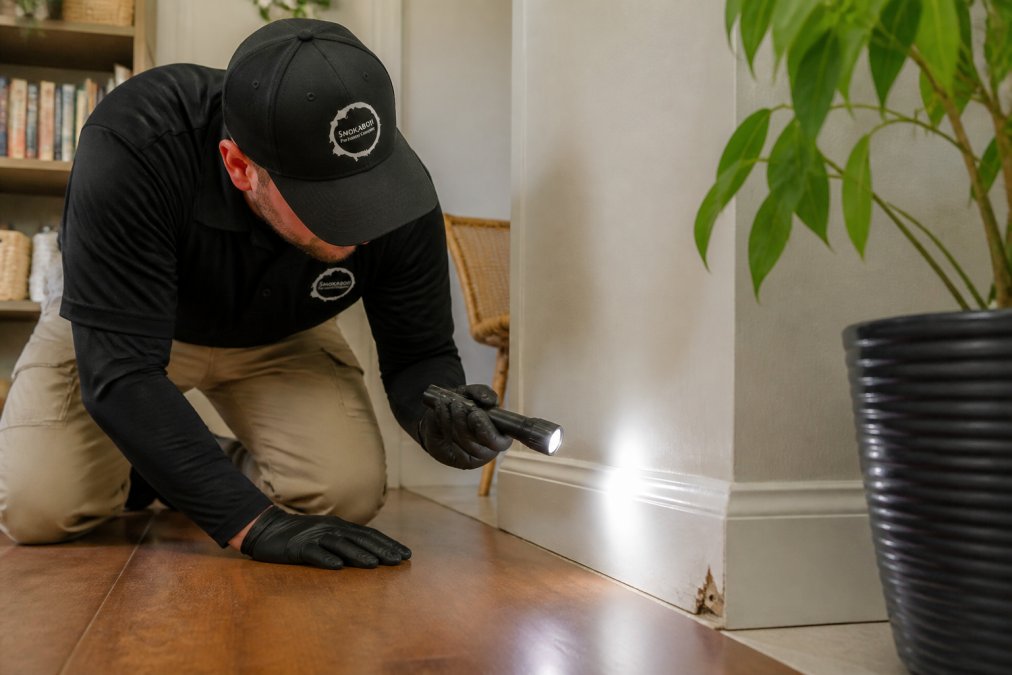
- New droppings or smear marks along baseboards or in cabinets after the treatment period
- Fresh gnaw marks on food packaging, wiring, or structural materials
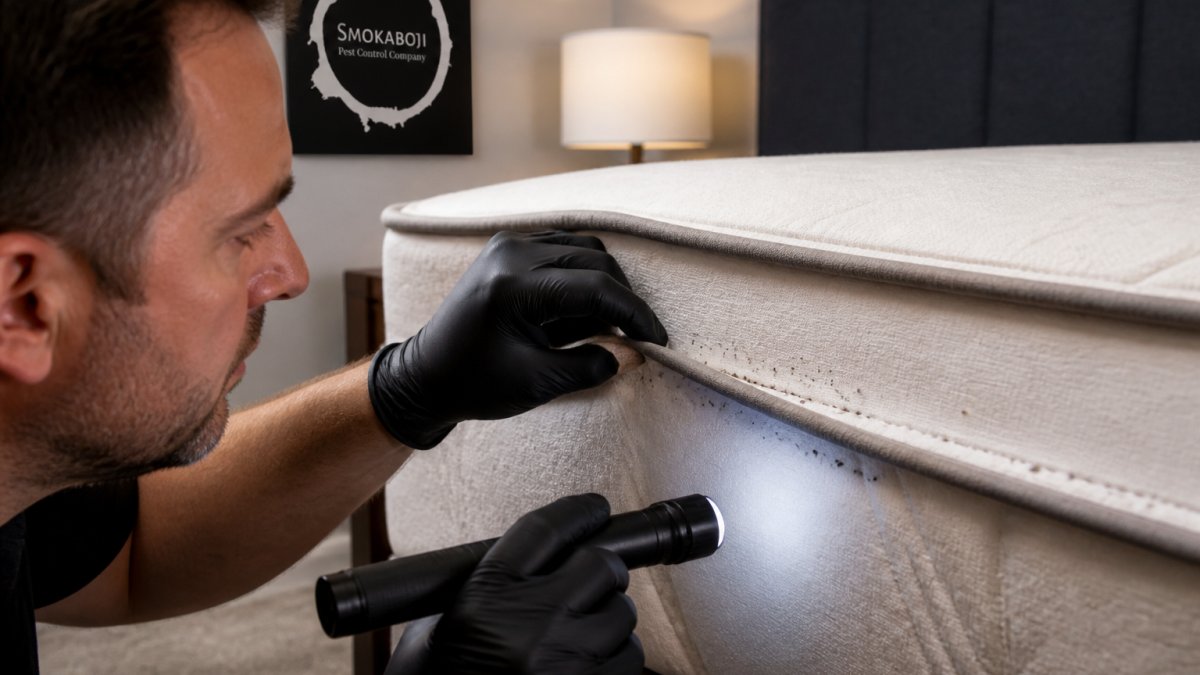
- Egg casings or shed skins in corners, under appliances, or inside walls
- Persistent odor in enclosed spaces, which often signals an active rodent or cockroach colony
The biggest red flag is a pattern of temporary relief followed by resurgence on a predictable cycle. This usually means the residual treatment wasn't applied thoroughly or entry points allowing re-infestation were never sealed.
Common Household Pest Entry Points to Seal First
The most effective long-term pest control strategy is exclusion. Sealing common household pest entry points prevents re-infestation regardless of what treatment has been applied.
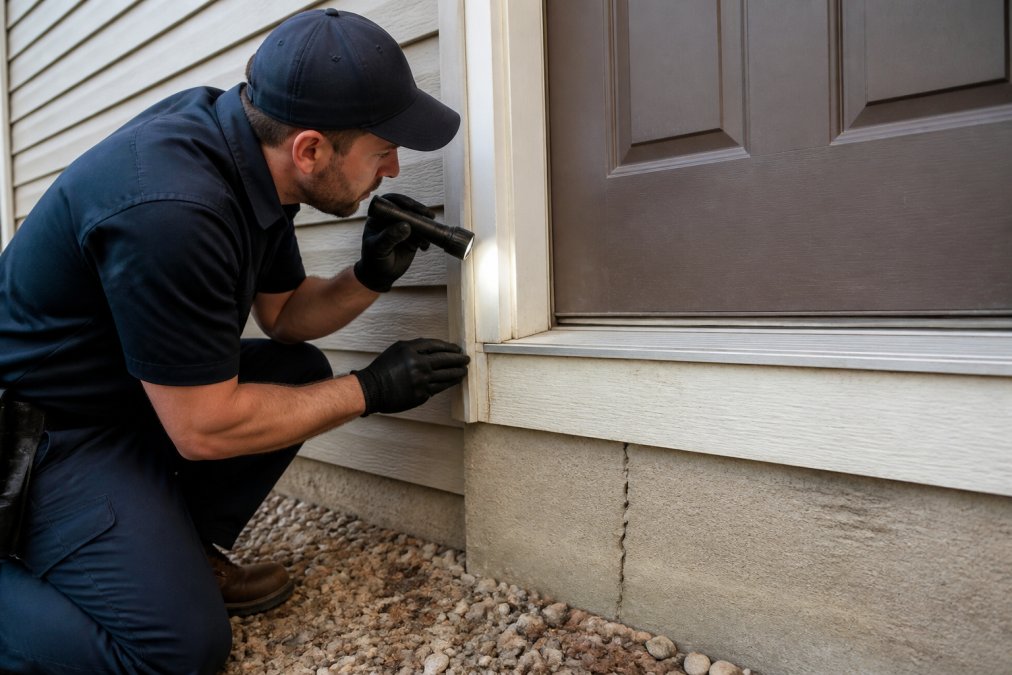
Exterior Gaps and Structural Weak Spots
Start with a systematic exterior inspection. The most common entry points include:
- Door and window gaps: Even a 1/4-inch gap under a door allows mice and most insects to enter
- Utility penetrations: Where pipes, cables, and HVAC lines enter the home, gaps are almost always present
- Foundation cracks: Hairline cracks expand seasonally and provide direct access to basements and crawl spaces
- Roofline and soffit gaps: Often overlooked, these are primary entry points for wasps, squirrels, and bats
- Garage door seals: Worn bottom seals are among the most common mouse entry points in rural homes
Seal gaps with appropriate materials: steel wool packed into rodent-sized gaps before caulking, copper mesh for larger openings, and expanding foam only where rodents cannot chew through it. Hardware cloth over vents and weep holes adds another layer of protection.
Pest-Proofing During Home Renovations
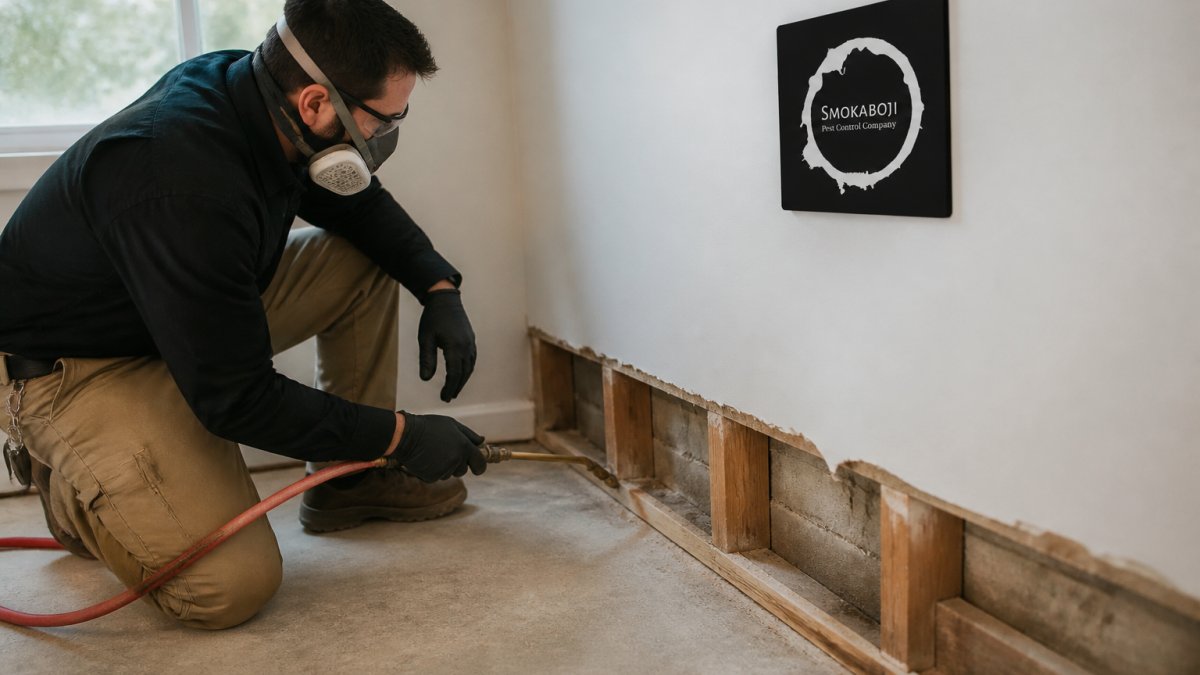
Home renovations are one of the most overlooked opportunities for pest-proofing and one of the biggest risk windows for new infestations. Opening walls, disturbing insulation, and altering the building envelope create temporary access points that pests exploit quickly. Inspect any salvaged or second-hand materials brought on-site; wood, insulation, and cardboard are common vectors for cockroach egg cases and wood-boring beetles. Seal any new utility penetrations before closing walls, and treat the perimeter with a residual pesticide application before new siding or flooring goes down.
According to [EPA's guidance on integrated pest management(/services/) | epa.gov], exclusion methods combined with habitat modification are the foundation of any effective long-term pest management strategy.
Integrated Pest Management for Homeowners: A Step-by-Step Approach
Integrated Pest Management (IPM) is a science-based, proactive strategy that combines multiple control methods to reduce pest pressure with minimal risk to people, pets, and the environment. Rather than defaulting immediately to pesticide application, IPM prioritizes understanding the pest, its environment, and the least disruptive intervention that will work.
Step 1: Inspect and Identify
Accurate pest identification is the foundation of IPM. Misidentifying a pest leads to the wrong treatment, wasted time, and continued infestation. Walk the entire property, interior and exterior, and document what you find. Note the location, time of day, and any environmental conditions (moisture, food sources, structural damage). Photograph what you see. This baseline makes it easier to track whether treatments are working.
Step 2: Sanitation and Habitat Modification
Sanitation is the most undervalued step in integrated pest management. Eliminating food, water, and shelter removes the conditions that sustain a pest population. Store all dry goods in airtight containers, empty garbage cans daily in kitchens, fix leaking pipes, declutter storage areas, and trim vegetation back from the home's foundation by at least 18 inches. Remove wood piles from against the house, grade soil away from the foundation to improve drainage, and keep gutters clear to prevent moisture accumulation.
Step 3: Non-Chemical and Chemical Control
Non-chemical alternatives come first in IPM. Mechanical traps for rodents, sticky monitors for insects, and physical barriers like door sweeps address pest pressure without introducing chemicals into the home. When chemical control is necessary, choose the right product for the identified pest. Residual treatments applied along baseboards, entry points, and harborage zones are more effective than broadcast spraying. Always follow label instructions, the pesticide label is a federal legal document under the Federal Insecticide, Fungicide, and Rodenticide Act (FIFRA).
Step 4: Monitor and Adjust
Monitoring separates a proactive strategy from a reactive one. Place sticky traps in areas of known activity and check them weekly. Track what you're catching, where, and in what numbers. Adjust your approach based on what the monitoring data tells you. IPM is iterative, not a one-time event but an ongoing management process.
Seasonal Pest Calendar for Northwest Iowa and Southwest Minnesota
Pest pressure in Northwest Iowa and Southwest Minnesota follows a predictable seasonal pattern. Understanding this cycle lets you stay ahead of infestations rather than reacting to them.
| Season | Primary Pest Threats | Key Action |
|---|---|---|
| Early Spring (March-April) | Overwintering insects emerging, ants, mice seeking exits | Inspect and seal exterior gaps; apply perimeter treatment |
| Late Spring (May-June) | Spiders, wasps, mosquitoes, carpenter ants | Treat eaves, dock areas, and foundation perimeter |
| Summer (July-August) | Spiders (especially dock and lake house areas), flies, cockroaches | Monthly monitoring; airtight storage; dock and boat spider treatment |
| Fall (September-October) | Mice, stink bugs, boxelder bugs seeking winter harborage | Exclusion priority; seal all gaps before first frost |
| Winter (November-February) | Mice, cockroaches, stored-product pests | Indoor monitoring; check for new entry points after freeze-thaw cycles |
For lake property owners in the Iowa Great Lakes region, spider pressure at docks and boat storage areas peaks in July and August. Fall is the most critical window for rural farm homes and trailers, mice begin seeking indoor harborage as temperatures drop, and a single gap in a trailer's skirting can allow an entire colony to establish before winter. Proactive exclusion work in September is far more effective than reactive trapping in December.
DIY vs. Professional Pest Control: An Honest Cost-Benefit Look
Many homeowners try to manage recurring pest problems themselves before calling a professional. For minor, isolated issues, DIY approaches can work. But there's a clear point where the math stops making sense.
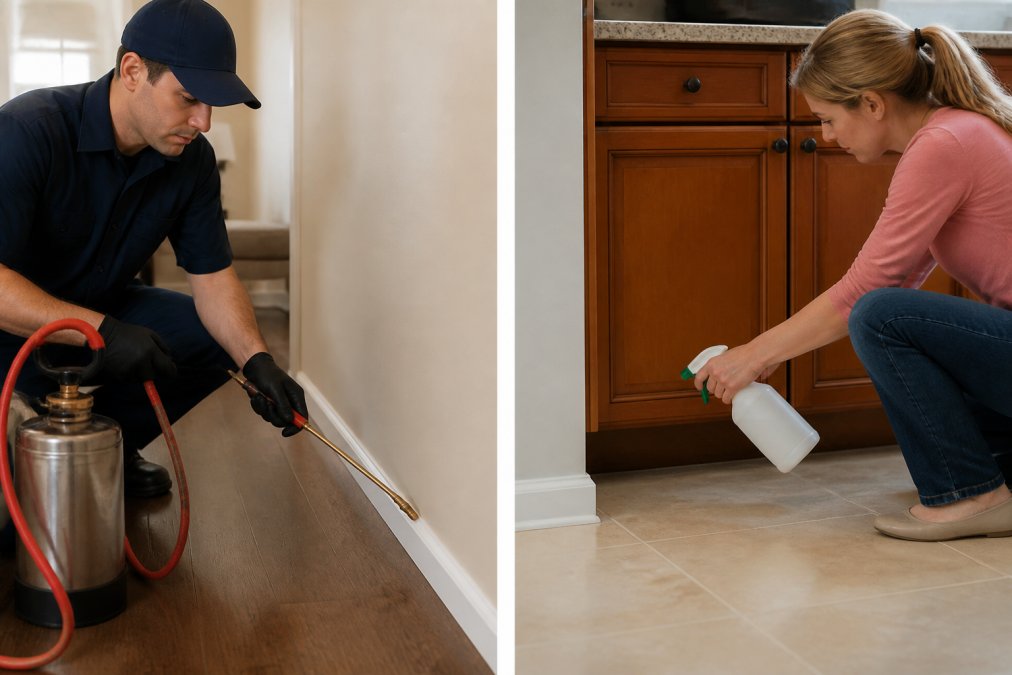
DIY pest control has real limitations: consumer-grade products have lower active ingredient concentrations than professional-grade formulations; knowing where to apply a product matters as much as what product you use; misidentification errors waste time and money while the actual infestation grows; and multiple failed DIY attempts often cost more cumulatively than a single professional treatment.
Professional pest management adds value for active infestations that haven't responded to DIY treatment, pests with complex life cycles (bed bugs, termites), commercial properties with regulatory compliance requirements, and recurring seasonal pressure that needs a structured maintenance plan. For a one-time ant problem near a door, a good caulk job and a bait station may suffice. For anything involving rodents in a farm home, bed bugs in a commercial building, or spiders that keep returning to a dock every summer, professional treatment is the more cost-effective path over a 12-month horizon.
Pest Control Service Frequency: How Often Do You Actually Need It?
Pest control service frequency depends on the property type, pest pressure, and the results of previous treatments. For most residential properties in Northwest Iowa and Southwest Minnesota, a quarterly preventative maintenance schedule covers the major seasonal transitions: spring emergence, summer peak activity, fall rodent exclusion, and a winter check. This aligns treatment timing with the seasonal pest calendar and prevents pressure from building between visits.
Properties with higher pest pressure, rural farm homes, lake houses, properties adjacent to agricultural fields or wooded areas, often benefit from more frequent visits, particularly during spring and fall. Commercial properties typically require monthly or bi-monthly service to maintain compliance and prevent customer-facing pest issues.
Signs that your current service frequency isn't enough: pest activity returning within 4-6 weeks of treatment, new pest species appearing between scheduled visits, or recurring issues despite multiple treatments of the same type. A professional inspection can assess whether your current schedule matches your actual pest pressure.
According to University of Minnesota Extension's pest management resources, preventative maintenance combined with regular monitoring is consistently more effective than reactive treatment in reducing long-term pest pressure.
How to Handle Recurring Pest Problems for Good: When to Call a Pro
Knowing how to handle recurring pest problems means knowing when your own efforts have hit their ceiling. Some pest situations genuinely require licensed expertise, professional-grade products, and the kind of systematic approach that takes years of field experience to develop.
Call a professional when: the same pest has returned after two or more treatment attempts; you're dealing with bed bugs, termites, or a significant rodent infestation; the infestation involves a commercial property or rental units with tenants; you can't identify the pest or locate the source of the problem; or you have children, pets, or household members with chemical sensitivities that require careful product selection and safety protocols.
The Smokaboji Pest Control team has been serving Northwest Iowa and Southwest Minnesota since 2018. Technicians are fully licensed and insured, and the service covers everything from spider control at lake docks to commercial bed bug treatment in Spirit Lake and Spencer. Emily Wilson noted that Smokaboji "responded quickly" to an urgent pest problem, reflecting the on-call availability that matters when an infestation can't wait for a scheduled appointment. Sarah Johnson stated: "We are extremely happy with the preventative pest control services provided by Smokaboji Pest Control."
The goal isn't just to eliminate what's there today. It's to build the conditions, sealed entry points, reduced harborage, appropriate monitoring, and timed treatments, that make your property genuinely inhospitable to pests long-term.
For a property assessment or to discuss a customized treatment plan, reach out to Smokaboji Pest Control directly. The right plan depends on your specific property, pest history, and seasonal exposure.
Recurring pest problems don't resolve themselves, and they rarely respond to half-measures. Smokaboji Pest Control offers fully licensed, insured technicians with customized treatment plans and preventative maintenance programs designed for the specific pest pressures of Northwest Iowa and Southwest Minnesota. Whether you're dealing with dock spiders at a lake property, mice in a farm home, or bed bugs in a commercial building, the path to long-term protection starts with a professional assessment. Submit your information today and get a treatment plan built for your property.
Frequently Asked Questions
Why do pests keep coming back after professional treatment?
Recurring pest problems after treatment usually point to one of three causes: untreated entry points that let new pests in, harborage areas like clutter or moisture that make the home attractive, or a pest life cycle that wasn't fully interrupted. Eggs and hidden colonies can survive an initial pesticide application. A proactive strategy that combines exclusion methods, sanitation, and follow-up monitoring is the only reliable way to break the cycle long-term.
Are DIY pest control methods effective for long-term prevention?
DIY products from hardware stores can reduce pest pressure temporarily, but they rarely address root causes like structural entry points or harborage areas. Store-bought sprays typically lack the residual treatment strength of professional-grade chemicals and won't reach hidden colonies inside walls or under slabs. For recurring pest problems, DIY works best as a supplement to professional inspection and treatment, not as a standalone solution.
When should I switch to a recurring pest control service plan?
If you've treated the same pest twice in one season or dealt with the same infestation two years running, a recurring service plan makes more sense than one-off treatments. Regular scheduled visits catch pest activity early, apply preventive maintenance treatments before populations build, and cost less over time than repeated emergency calls. Homes near water, on farms, or with a history of mice or spiders benefit most from quarterly or bi-monthly service.
How can I identify common household pest entry points?
Walk the exterior of your home and look for gaps around utility penetrations, pipe chases, dryer vents, and where the foundation meets the sill plate. Inside, check under sinks, around dishwasher connections, and along baseboards in kitchens and bathrooms. Any opening wider than 6 millimeters is large enough for a mouse. A professional inspection will catch entry points that are easy to miss, especially in crawl spaces and attic soffits.
This article was written using GrandRanker