 ultimate-guide
Essential Pest Control Standards for Commercial Facilities
Table of Contents
- Integrated Pest Management (IPM) for Businesses
- Your Commercial Pest Control Compliance Checklist
- Pest Control Documentation for Food Facilities
- Frequently Asked Questions
Last Updated: September 22, 2026
Integrated Pest Management (IPM) for Businesses
Integrated Pest Management (IPM) is a prevention-first system combining sanitation, exclusion, monitoring, and targeted treatment to keep pests out of commercial facilities. This guide from Smokaboji Pest Control covers essential pest control standards for commercial facilities.
Pest-free facilities fix the conditions pests need: food, water, and entry points. IPM rests on five pillars: inspection, identification, prevention, monitoring, and documented response.
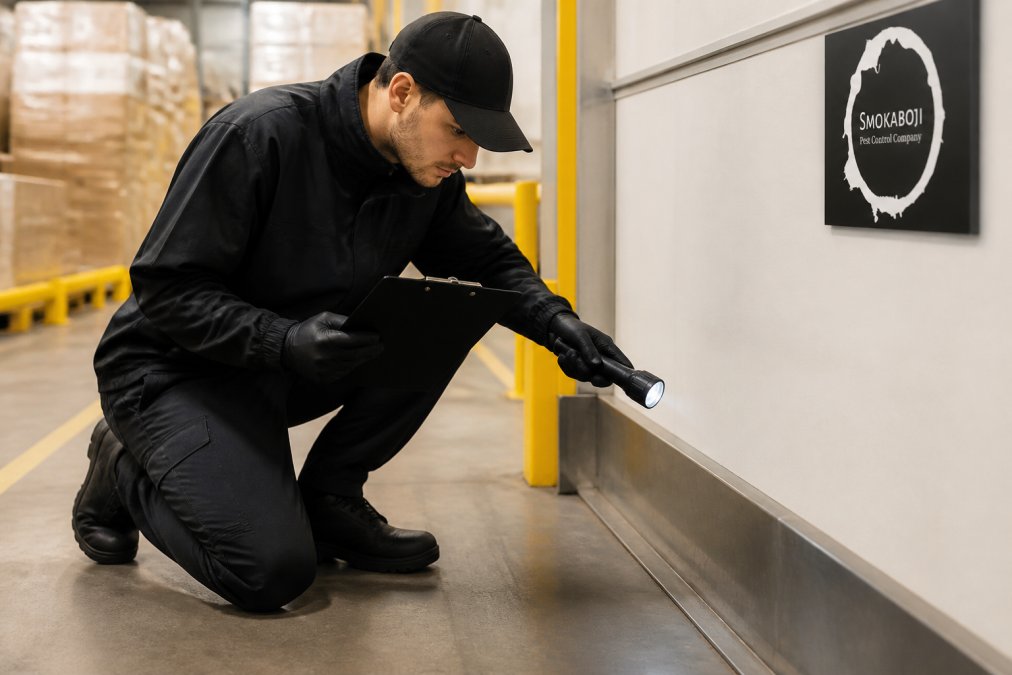
- Inspection: scheduled walkthroughs of docks, break rooms, storage rooms, and utility chases
- Identification: confirming species before treatment
- Prevention: sealing entry points, repairing structural gaps, controlling moisture
- Monitoring: numbered bait stations and activity logs checked on a set frequency
- Response: written corrective actions with deadlines
The EPA's Integrated Pest Management principles frame these steps as a cycle, not a one-time fix, because pests return when the conditions that invited them stay in place.
Your Commercial Pest Control Compliance Checklist
A commercial pest control compliance checklist is a written record that your facility prevents, detects, and responds to pest activity per health codes and audit requirements.
- Current service contract naming a licensed pest control provider
- Site map showing numbered monitoring devices and bait stations
- Pest activity logs updated at every service visit
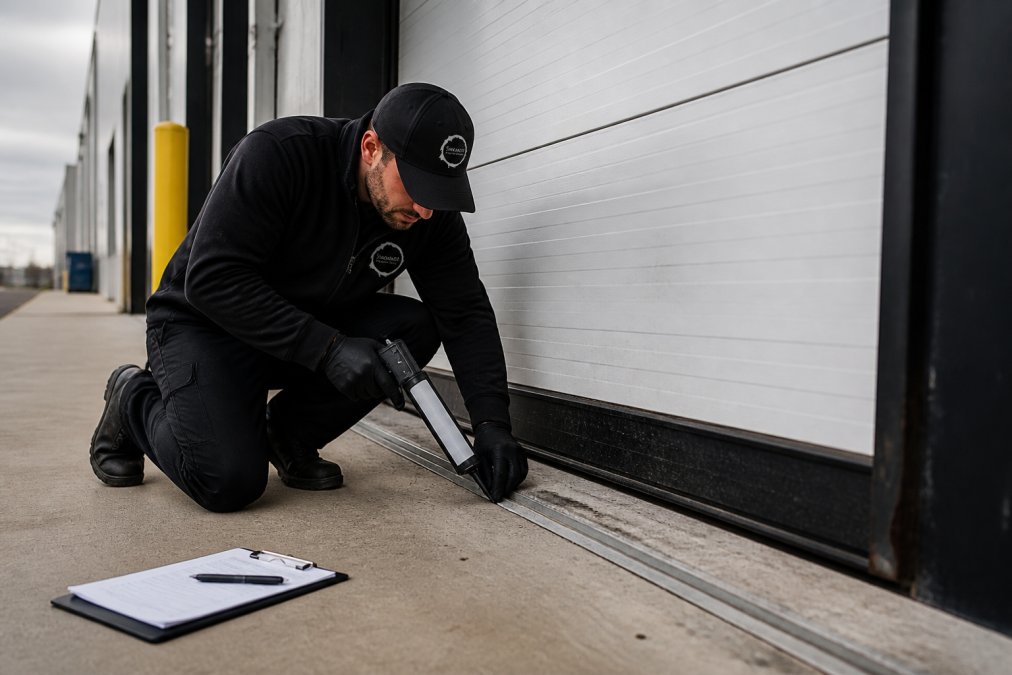
- Entry point sealing and structural repair records
- Sanitation audit results for kitchens, trash areas, and storage
- Corrective action log with dates, findings, and follow-up
- Chemical application safety records and safety data sheets
- Annual review of doors, screens, and utility penetrations
Most facilities fail audits on paperwork, not pests; one missed log entry can turn a clean inspection into a citation.
Pest Control Documentation for Food Facilities
Pest control documentation for food facilities must connect every observation to an action. Under FDA Food Safety Modernization Act preventive controls guidance, food facilities are expected to identify hazards, including pest-borne pathogens, and document the preventive controls that address them.
Your documentation set should include:
- A written IPM plan signed by facility management
- Service reports from your licensed provider for every visit
- A pest activity log with species, location, and count
- Corrective action records showing what changed after each finding
- Monitoring device maps with numbered bait stations
- Sanitation and hygiene records
Service frequency should match risk: a food processing floor needs more monitoring than a dry storage warehouse, and the schedule must be documented and followed.
Pest problems rarely announce themselves; they surface in an audit finding, a customer complaint, or a failed health inspection, and by then the cost exceeds treatment. Smokaboji Pest Control builds customized commercial treatment plans backed by fully licensed and insured technicians, preventative maintenance schedules, and prompt response when urgent pest issues surface. Get started with Smokaboji Pest Control and keep your property audit-ready year round.
Frequently Asked Questions
What are the three rules of IPM?
Integrated Pest Management follows three core rules: inspect, identify, and treat. First, a technician inspects the facility for pest activity, entry points, and conditions that attract pests. Second, they identify the exact species, since different pests need different treatments. Third, they apply the least invasive method that works, using chemical application safety measures only when necessary. This approach reduces reliance on routine spraying and targets the source of the problem.
Why is documentation critical for commercial pest control compliance?
Documentation proves your facility meets health codes and regulatory compliance requirements during inspections. Pest activity logs, corrective actions, and service records show auditors that you monitor and respond to problems consistently. Without these records, a single pest sighting can trigger violations or failed audits, even if treatment was performed.
What are the OSHA requirements for pest control in the workplace?
OSHA standards require employers to protect workers from hazards, including those tied to chemical application safety and pest-borne pathogens. That means posting Safety Data Sheets for any pesticides used, training staff on handling and exposure risks, and providing proper protective equipment for anyone applying chemicals. Facilities should also keep pest control contractors accountable for following these standards and documenting each treatment.