 how-to
Commercial Bed Bug Treatment for Businesses: A Complete Guide
Table of Contents
- Why Commercial Bed Bug Treatment Matters for Your Business
- Identifying a Bed Bug Infestation: Signs and Life Stages
- Commercial Bed Bug Inspection Cost and What to Expect
- Bed Bug Heat Treatment vs Chemical Treatment: Which Works Best
- How to Prevent Bed Bugs in Hotels and Multi-Family Properties
- Post-Treatment Documentation and Legal Compliance
- Getting Professional Commercial Bed Bug Treatment
Last Updated: August 7, 2026
Why Commercial Bed Bug Treatment Matters for Your Business
A single bed bug infestation in a commercial property can damage your reputation, expose you to legal liability, and cost thousands in remediation. Commercial bed bug treatment isn't optional for hotels, multi-family housing, healthcare facilities, or any business where guests or residents sleep. The stakes are higher than residential infestations because the financial and legal consequences compound quickly.
At Smokaboji Pest Control, we've seen how quickly bed bugs spread through commercial properties when treatment isn't handled professionally. What starts as a few insects in one room becomes a property-wide problem within weeks. The difference between a quick containment and a costly, disruptive fumigation often comes down to early detection and professional intervention.
Bed bugs are resilient pests that resist many DIY treatments. They hide in mattress seams, headboards, furniture, and wall cracks, places a standard spray won't reach. Commercial properties face additional challenges: high turnover of guests or residents, multiple rooms to monitor, and the need for treatment that doesn't disrupt operations. This is why commercial bed bug treatment requires a different approach than residential pest control.
The goal of this guide is to walk you through what commercial bed bug treatment involves, how to identify an infestation early, and what to expect from a professional pest control provider. You'll learn the difference between heat treatment and chemical treatment, how to prevent future infestations, and what documentation you need for compliance and liability protection.
Identifying a Bed Bug Infestation: Signs and Life Stages
Bed bugs are small, reddish-brown insects about the size of an apple seed. They're nocturnal and feed on blood, leaving distinctive signs that alert property managers to an infestation. Early identification is critical because bed bugs reproduce quickly, a female can lay hundreds of eggs in her lifetime.
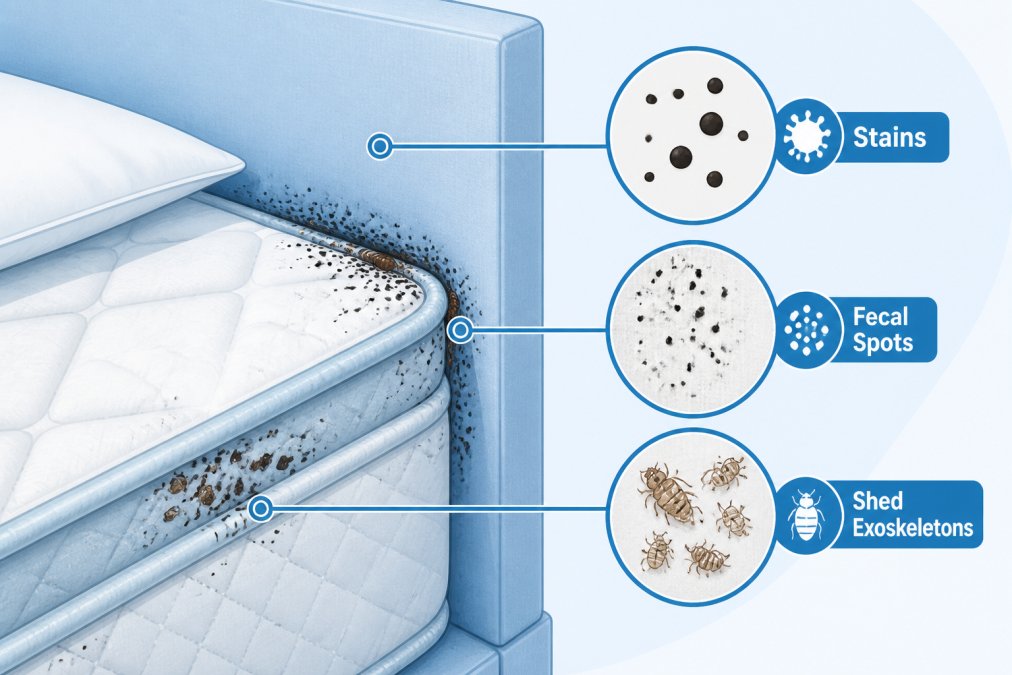
The most common signs of bed bugs include rust-colored or black stains on bedding (fecal matter), small dark spots on mattress seams, and live insects visible at night or early morning. Guests often report itchy bites in clusters or lines on their skin. In commercial settings, you may receive complaints before you spot physical evidence, so take guest reports seriously.
Understanding the bed bug life cycle helps explain why treatment timing matters. Bed bugs go through five nymph stages before reaching adulthood, and each stage requires feeding. Adult bed bugs live 4-6 months without feeding, which means a single female can restart an infestation months after treatment if even one egg survives. This is why follow-up inspections and monitoring are essential.
Nymphs are smaller and lighter in color than adults, making them harder to spot. Eggs are tiny (about the size of a grain of rice) and often hidden in cracks or fabric folds. A professional inspection identifies all life stages, not just visible adults. This comprehensive approach is what separates effective treatment from incomplete control.
Commercial Bed Bug Inspection Cost and What to Expect
A professional commercial bed bug inspection is your first line of defense. The inspection identifies the extent of the infestation, pinpoints harborage areas, and determines which treatment method will work best. The cost of an inspection depends on property size, number of rooms, and access to areas like walls and furniture.
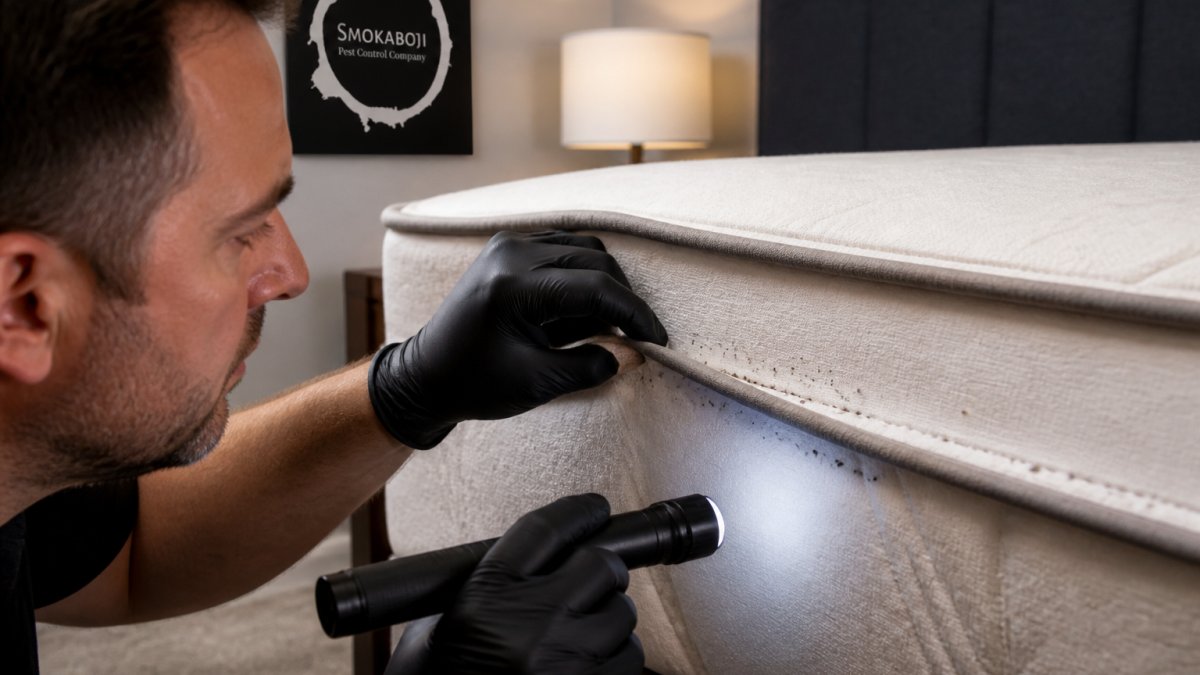
Expect a thorough inspection to take several hours for a multi-room property. A pest control technician will examine mattresses, box springs, headboards, nightstands, furniture, baseboards, wall outlets, and any cracks or crevices where bed bugs hide. They may use detection devices or visual inspection, depending on the situation.
During the inspection, the technician documents findings with photos and notes, creating a baseline for treatment planning and post-treatment verification.
The inspection also reveals whether the infestation is localized to a few rooms or widespread throughout the property. This information determines your treatment strategy and helps estimate the total cost and timeline for remediation. A property manager who acts on inspection findings quickly prevents the infestation from spreading to additional rooms.
Bed Bug Heat Treatment vs Chemical Treatment: Which Works Best
The two primary methods for commercial bed bug treatment are heat remediation and chemical treatment. Each has advantages and drawbacks, and the right choice depends on your property type, infestation severity, and operational constraints.
Heat treatment raises the temperature in an affected room or entire building to 118-122°F for several hours, killing bed bugs at all life stages. Heat penetrates furniture, walls, and hidden spaces that chemicals may miss. A single heat treatment often eliminates an infestation without requiring follow-up applications. The downside is cost, heat treatment for large commercial properties can be expensive, and the need to vacate the space during treatment.
Heat treatment works well for hotels, healthcare facilities, and multi-family properties where you can temporarily close rooms or buildings. It's also ideal when you want to avoid chemical residues or when bed bugs have developed resistance to pesticides. The treatment is non-toxic and doesn't leave chemical residue on surfaces or fabrics.
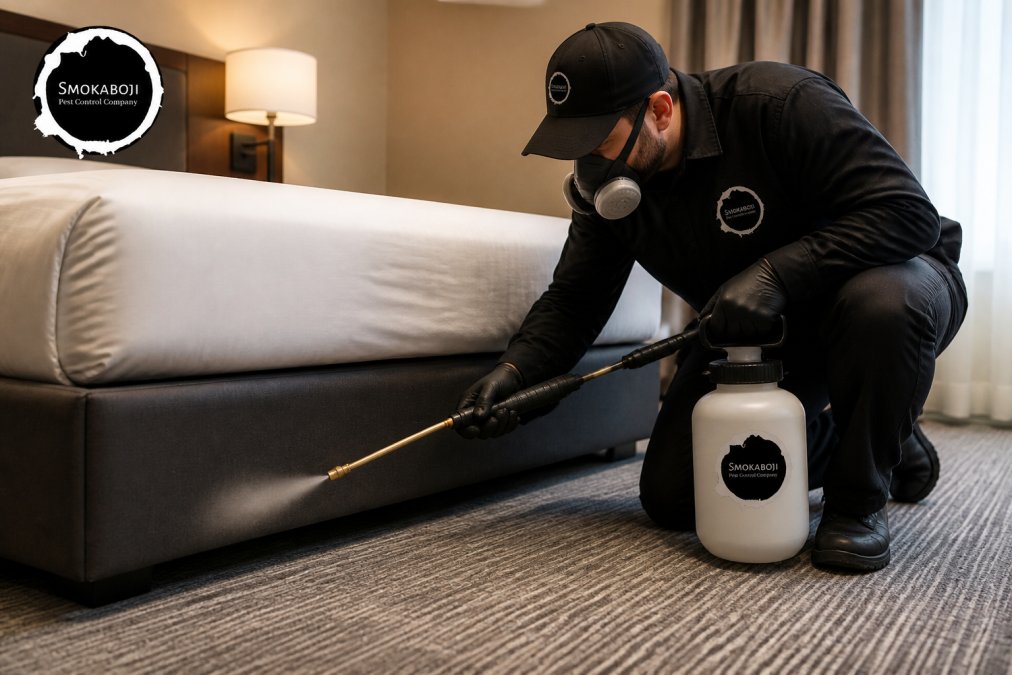
Chemical treatment uses EPA-approved pesticides applied to mattresses, furniture, baseboards, and wall cracks. Chemicals kill bed bugs on contact and leave residual protection that continues working for weeks. Multiple applications are usually necessary, typically 2-3 treatments spaced 7-14 days apart, to catch newly hatched nymphs.
Chemical treatment costs less upfront than heat treatment and doesn't require vacating the property, though some rooms may need to be temporarily closed during application. The drawback is that bed bugs have developed resistance to some common pesticides, making treatment less reliable in some cases. Professional pest control companies rotate between different chemical classes to combat resistance.
Many commercial properties use a combination approach: heat treatment for heavily infested areas and chemical treatment for monitoring and prevention. This integrated pest management strategy maximizes effectiveness while managing costs.
How to Prevent Bed Bugs in Hotels and Multi-Family Properties
Prevention is always cheaper than remediation. Hotels and multi-family properties face constant risk because of high turnover and frequent guest movement. A proactive prevention strategy includes staff training, monitoring protocols, and guest communication.
Staff should know the signs of bed bugs and report suspected infestations immediately. Housekeeping teams need training on how to inspect rooms during turnover, including checking mattress seams, headboards, and furniture. Front desk staff should take guest complaints about bites seriously and escalate them to management quickly.
Implement a monitoring program using bed bug detection devices or regular professional inspections. Many properties schedule quarterly or semi-annual inspections in high-risk areas like guest rooms and common spaces. Early detection prevents a small problem from becoming a costly infestation.
Mattress and box spring encasements trap bed bugs inside and prevent new infestations. These covers are affordable and effective, especially in multi-family properties where residents control their own furnishings. Encasements should be high-quality and remain sealed for at least one year.
Guest communication matters too. Include information about bed bugs in welcome materials and explain how to report concerns. A professional response to reports, quick inspection and treatment, builds trust and demonstrates that you take the issue seriously. Guests are more likely to report problems in properties with a reputation for handling infestations promptly.
Sanitation and preventative maintenance reduce harborage areas. Seal cracks in walls and baseboards, caulk gaps around outlets, and remove clutter where bed bugs hide. Regular vacuuming and cleaning remove debris and reduce hiding spots, though these alone won't eliminate an infestation.
Post-Treatment Documentation and Legal Compliance
Documentation is critical for legal protection and liability management. After professional treatment, you need records showing what was done, when, and by whom. This documentation protects you if a guest or resident later claims they were exposed to bed bugs or harmed by treatment.
A reputable pest control company provides detailed reports for each treatment, including the date, time, areas treated, chemicals or methods used, and the technician's name and license number. Keep these records for at least 3-5 years. They demonstrate that you took reasonable steps to eliminate the infestation if a legal claim arises.
For chemical treatments, documentation should specify which pesticides were used and their EPA registration numbers. This shows you used approved products applied according to label directions. For heat treatment, records should confirm the temperature reached and maintained, proving the treatment was effective.
Post-treatment monitoring is also documented. If you conduct follow-up inspections or use monitoring devices, keep records of those findings. This shows ongoing diligence in preventing re-infestation and demonstrates that you're actively managing the problem.
Communicate with guests or residents about treatment. Inform them of the date, time, and type of treatment, and provide any precautions they should take (such as vacating the room during heat treatment). This transparency reduces liability and shows good faith effort to resolve the problem.
Insurance coverage for bed bug liability varies, so review your policy. Some commercial property insurance includes coverage for bed bug treatment and related claims, while others exclude it. Understanding your coverage helps you plan for costs and liability protection.
Getting Professional Commercial Bed Bug Treatment
Choosing the right pest control provider is the most important decision you'll make. A professional commercial bed bug treatment provider should be fully licensed, insured, and experienced with commercial properties. They should offer customized treatment plans based on your specific situation, not a one-size-fits-all approach.
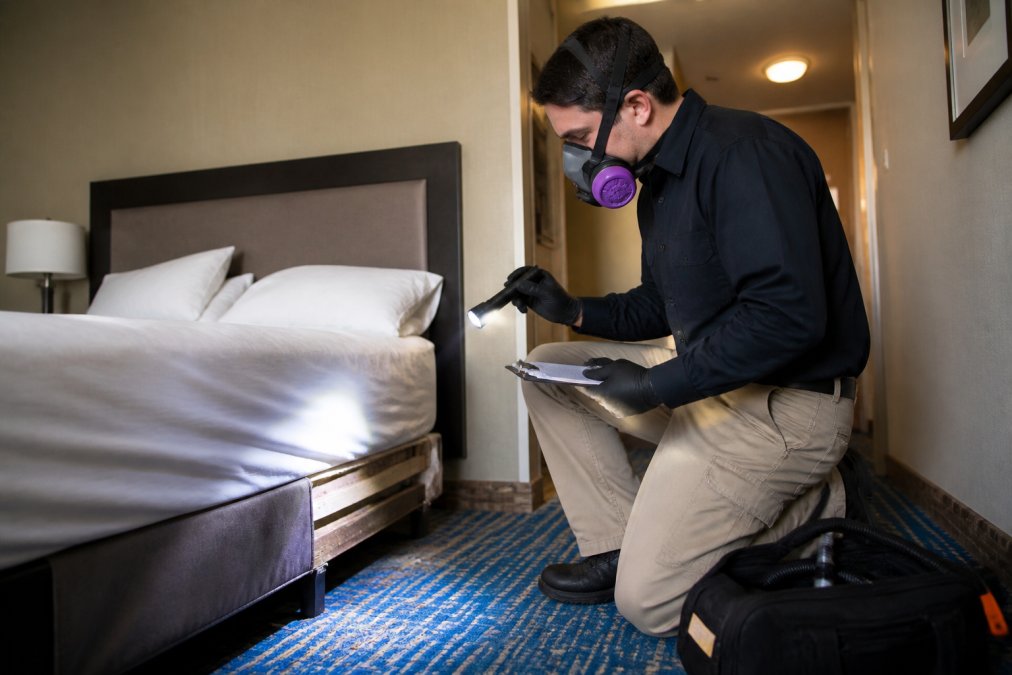
Look for a provider with experience in your specific property type. Hotels, multi-family housing, and healthcare facilities each have unique challenges and regulatory requirements. A company that understands these nuances will develop a treatment plan that minimizes disruption while maximizing effectiveness.
Ask about their treatment methods and whether they use integrated pest management principles. A good provider combines heat treatment, chemical treatment, monitoring, and prevention strategies based on what your property needs. They should also explain why they recommend a particular approach and what results you can expect.
Smokaboji Pest Control brings fully licensed and insured technicians who specialize in commercial pest management throughout Northwest Iowa and Southwest Minnesota. We develop customized treatment plans tailored to your property's specific needs, whether you're managing a hotel, multi-family complex, or other commercial space. Our experience with bed bug infestations means we understand the urgency and the importance of documentation for compliance and liability protection.
Response time matters in commercial settings. An infestation discovered on a Friday needs prompt attention to prevent spread over the weekend. Ask about availability for urgent calls and how quickly they can schedule an inspection and begin treatment. Smokaboji Pest Control offers on-call availability for urgent pest issues, ensuring you can address infestations quickly.
Communication throughout the process is essential. Your pest control provider should keep you informed about findings, treatment plans, results, and recommendations for prevention. Regular updates reduce anxiety and demonstrate that the problem is being managed professionally.
Commercial bed bug treatment requires professional expertise, strategic planning, and ongoing monitoring. The cost of professional treatment is far less than the cost of a property-wide infestation, guest complaints, or legal liability. Early detection through regular inspections, prompt professional treatment, and comprehensive prevention strategies protect your business reputation and bottom line.
When you're ready to address a bed bug problem or implement prevention measures, Smokaboji Pest Control is ready to help. We provide thorough inspections, effective treatment using proven methods, and customized prevention plans to keep your commercial property pest-free. Contact us for a professional assessment and treatment plan tailored to your specific needs.
| Treatment Method | Best For | Timeline | Key Advantage |
|---|---|---|---|
| Heat Remediation | Severe infestations, complete elimination | Single treatment, 4-8 hours | Kills all life stages; no chemical residue |
| Chemical Treatment | Moderate infestations, ongoing prevention | 2-3 applications over 3-4 weeks | Lower upfront cost; residual protection |
| Combination Approach | Multi-room properties, high-risk environments | Initial heat + chemical monitoring | Maximizes effectiveness; comprehensive control |
Frequently Asked Questions
How do businesses get rid of bed bugs effectively?
Effective commercial bed bug treatment combines professional inspection, targeted extermination using EPA-approved methods (heat remediation or chemical treatment), and follow-up monitoring. A licensed pest control professional will identify all harborage areas, treat affected spaces, and establish a monitoring protocol to prevent re-infestation. Most infestations require multiple treatments spaced 7-14 days apart to eliminate all life stages, including eggs and nymphs.
What is the most effective commercial bed bug treatment method?
Heat remediation and EPA-approved chemical treatments are both highly effective when applied correctly. Heat treatment eliminates all life stages in a single application but costs more and requires temporary closure. Chemical treatment is less disruptive and more affordable but requires multiple applications and careful application in harborage areas. A licensed pest control professional can recommend the best option based on your property type, infestation severity, and operational needs.
How often should commercial properties be inspected for bed bugs?
High-risk properties like hotels and multi-family housing should conduct monthly inspections as part of preventative maintenance. Lower-risk commercial spaces may use quarterly inspections. After treatment, follow-up inspections are critical at 7-14 days, 30 days, and 60 days to confirm the infestation is eliminated and catch any re-infestation early. Regular monitoring with detection devices in harborage areas provides ongoing protection.
Are bed bug treatments for businesses tax deductible?
Yes, professional pest control services for commercial properties are typically deductible business expenses under IRS guidelines when they maintain the property's operational condition and protect guest or employee safety. Keep detailed documentation of all treatments, invoices, and post-treatment reports. Consult your accountant or tax professional to confirm deductibility for your specific business structure and circumstances.
This article was written using GrandRanker