 how-to
Cockroach Egg Casings in Kitchen: What They Look Like
Table of Contents
- What Cockroach Egg Casings Look Like in Kitchen Areas
- Signs of Cockroach Infestation in Kitchen Spaces
- Difference Between Roach Droppings and Eggs
- How to Get Rid of Cockroach Eggs
- Frequently Asked Questions
Last Updated: September 12, 2026
What Cockroach Egg Casings Look Like in Kitchen Areas
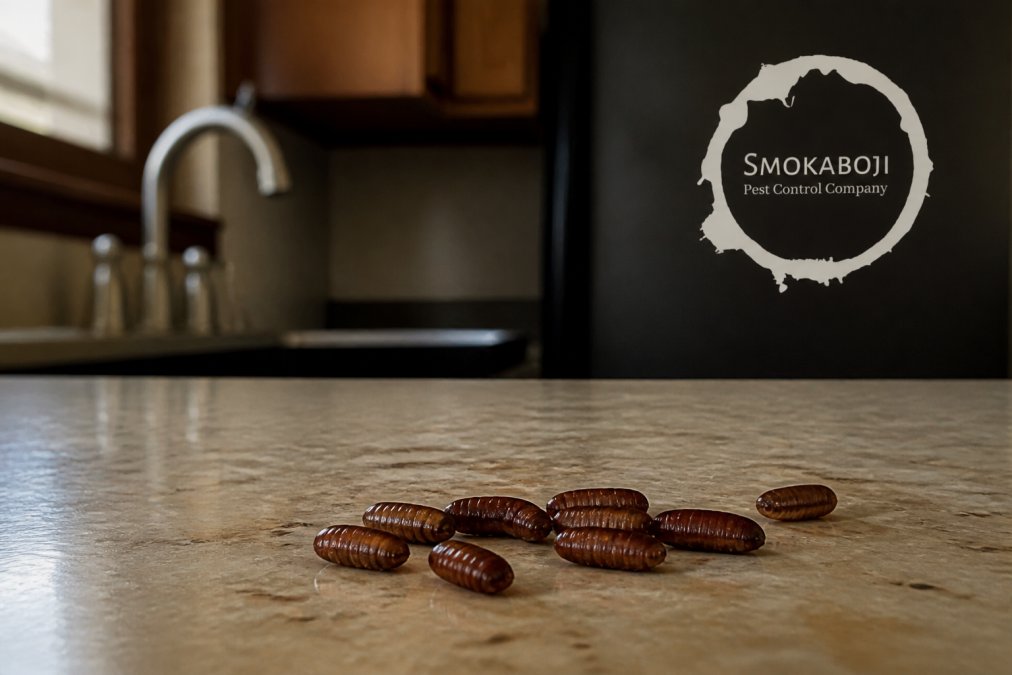
Cockroach egg casings, called oothecae, are pill- or bean-shaped capsules, reddish-brown to dark brown, with a ridged seam, running from a grain of rice to a small peanut. German females carry the casing until near hatching, so you rarely see intact ones; American and Oriental females drop theirs within a day (extension.psu.edu). Fresh casings feel papery and firm; older ones darken to nearly black and may split once nymphs emerge.
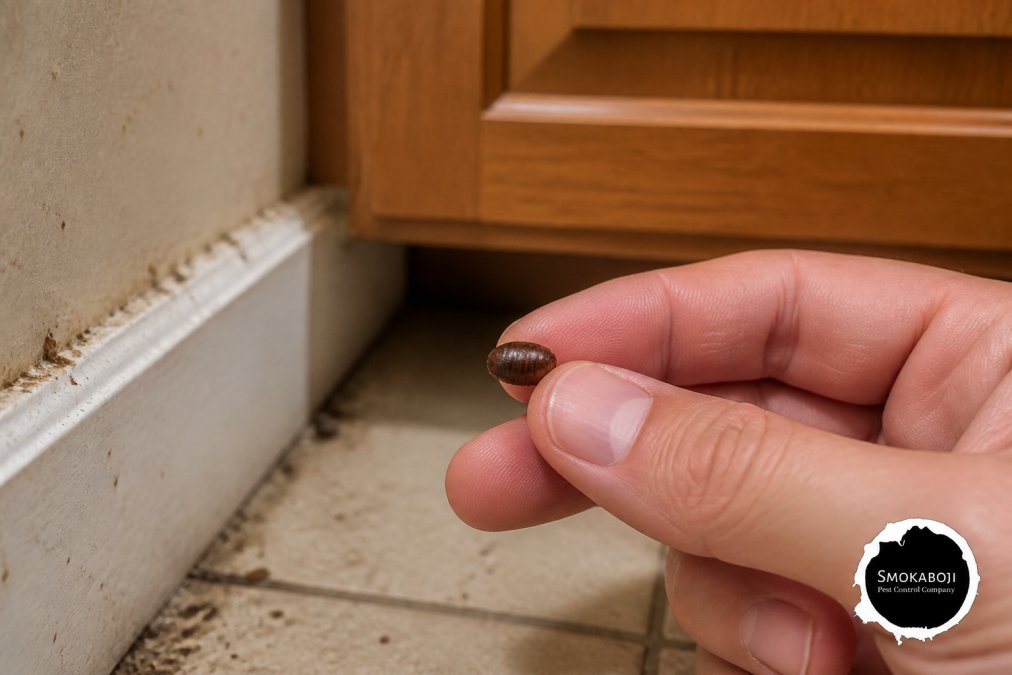
Kitchens concentrate the warmth, moisture, and food roaches need. Check behind and beneath the refrigerator and dishwasher, inside the hinge side of cabinet doors, under the sink around pipe penetrations, along the baseboard-floor seam, and between the stove and the wall. A casing alone does not confirm an active infestation, but it does confirm roaches have been reproducing there.
Signs of Cockroach Infestation in Kitchen Spaces
The clearest signs are live roaches, shed exoskeletons, dark droppings, a musty odor, and egg casings in warm, damp harborage; several signs together usually mean an infestation. Droppings are the most misread signal: coarse black pepper-like specks along wall edges and inside drawers, not mid-floor.
Grease film on a range hood, crumbs in a toaster tray, and standing water in a sink drain all sustain a population between treatments. The CDC guidance on cockroach control and allergens notes that roach allergens can trigger asthma symptoms, which is one reason kitchen infestations deserve prompt attention.
Difference Between Roach Droppings and Eggs
Roach droppings are irregular dark specks or smears; egg casings are larger, structured, capsule-shaped, and seamed. Size separates them quickly: droppings are ground-pepper sized, while casings are several millimeters long and clearly three-dimensional.
| Feature | Roach Droppings | Egg Casings (Oothecae) |
|---|---|---|
| Shape | Irregular specks or smears | Pill-shaped or bean-shaped capsule |
| Size | Pepper-grain sized | Grain of rice to small peanut |
| Color | Dark brown to black | Tan, reddish-brown, darkening with age |
Droppings mean roaches are eating, but casings mean they are breeding, a more serious problem.
How to Get Rid of Cockroach Eggs
Getting rid of cockroach eggs means physically removing every casing you can find, then treating the harborage so newly hatched nymphs do not survive. Vacuuming alone is not enough, because a missed casing can release dozens of nymphs (extension.uga.edu).
- Clear the area. Empty cabinets under and beside the sink.
- Inspect systematically. Work from the back corner outward, checking hinges, pipe gaps, and shelf undersides.
- Remove casings. Vacuum them up, then seal and dispose of the contents outside the home.
- Sanitize the surface. Wipe down with household cleaner, focusing on grease film and seams.
- Seal entry points. Caulk pipe gaps and repair loose baseboard or cabinet trim.
- Treat the harborage. Residual treatment in cracks and voids stops the next generation.
- Recheck in two weeks. New casings mean the source was not fully addressed.
If casings keep appearing after your own efforts, professional intervention makes more sense than another round of store-bought spray. At Smokaboji Pest Control, our licensed technicians treat the harborage rather than just the visible surface, and our preventative maintenance plans help keep a treated kitchen from cycling back into an active problem.
A kitchen that keeps producing new casings means the harborage was never fully treated, not that your cleaning failed. If you have found oothecae more than once, or alongside droppings and live roaches, bring in a licensed technician. Smokaboji Pest Control offers fully licensed and insured technicians, customized treatment plans built around your specific layout, and preventative maintenance that keeps a treated home from cycling back into an active infestation. Get started with Smokaboji Pest Control and put a stop to the next generation before it hatches.
Frequently Asked Questions
What does a roach egg casing look like?
A roach egg casing, called an ootheca, is a small, pill-shaped or bean-shaped capsule. It ranges from tan to reddish-brown or dark brown and has a ridged seam along one side. The surface is papery and about the size of a grain of rice to a small bean, depending on the species. Fresh casings are lighter and softer, while old ones turn dark and brittle. You might find them tucked behind appliances, under sinks, or along baseboards in a kitchen.
How can I tell the difference between roach droppings and eggs?
Roach droppings are small, dark specks that look like coffee grounds or black pepper. They are irregular in shape and crumble easily. Egg casings are larger, uniform, and capsule-shaped with a visible seam. Droppings are usually scattered near food sources, while egg casings are often glued to surfaces in hidden spots. If you see both, it likely means an active infestation. A pest control professional can confirm the difference and recommend treatment.
What should I do if I find a cockroach egg sack in my kitchen?
If you find an egg sack, wear gloves and use a paper towel to pick it up. Seal it in a plastic bag and dispose of it outside. Then clean the area with a disinfectant to remove any residue. Check nearby hiding spots like behind the fridge, under the sink, and inside cabinets. Because one casing can hold dozens of eggs, finding even one may indicate more are hidden. Contact a licensed pest control company like Smokaboji Pest Control for inspection and treatment.