 listicle
Benefits of Quarterly Pest Maintenance
Table of Contents
- Benefits of Quarterly Pest Maintenance: Year-Round Protection
- The Cost of Quarterly Pest Control vs. One-Time Treatments
- How Often Should You Spray for Bugs? A Seasonal Schedule
- Why Preventative Pest Control Beats Reactive Spraying
- Protecting Property Value and Structural Integrity
- Quarterly Pest Maintenance: What to Expect During a Service Visit
- Frequently Asked Questions
Last Updated: September 10, 2026
Benefits of Quarterly Pest Maintenance: Year-Round Protection
Quarterly pest maintenance is a scheduled professional service that treats a property every three months to prevent infestations before they start (the EPA). Quarterly pest maintenance makes a difference for homeowners dealing with recurring spiders, mice, and cockroaches across Northwest Iowa and Southwest Minnesota. The benefits of quarterly pest maintenance go beyond killing what's already there: a recurring service plan builds a protective barrier, monitors pest activity through seasonal shifts, and stops small problems from becoming structural damage.
The Cost of Quarterly Pest Control vs. One-Time Treatments
The cost of quarterly pest control can be lower over a year than repeated emergency extermination visits. A one-time treatment leaves entry points open and ignores the next generation outside, so homeowners save by avoiding the cycle of spray, reinfestation, spray again.
| Factor | Quarterly Plan | One-Time Treatment |
|---|---|---|
| Protection window | Year-round coverage | Weeks, then fades |
| Pest monitoring | Every visit | None between calls |
| Entry point sealing | May be included | Rarely addressed |
How Often Should You Spray for Bugs? A Seasonal Schedule
The honest answer to how often you should spray for bugs is: more often in warm months, less in cold ones, but never zero. Pest life cycles don't pause in winter, rodents move indoors and overwintering insects wait in wall voids and attics (the CDC). A quarterly schedule matches service frequency to seasonal pest activity instead of guessing.
- Spring: Perimeter treatment and pest exclusion before ants, spiders, and wasps emerge
- Summer: Peak pressure; exterior barrier and rodent control near foundations
- Fall: Seal entry points as mice and spiders seek warmth indoors
- Winter: Interior monitoring for rodents and overwintering pests
Why Preventative Pest Control Beats Reactive Spraying
The benefits of preventative pest control come down to timing: reactive spraying treats a symptom, while a recurring service plan treats the cause. Technicians identify entry points, apply targeted treatments, and monitor activity across visits, the core of integrated pest management, A common mistake is assuming a store-bought spray does the same job; DIY products lack professional monitoring, correct identification, and the training to know where pests actually enter.
Protecting Property Value and Structural Integrity
Pests cost more than discomfort: rodents chew wiring and insulation, cockroaches spread bacteria, and termites and carpenter ants compromise wood framing (the EPA). Routine inspection can catch these problems while repairs are still small, and documented visits can support sanitation standards and reduce liability for commercial accounts.
Quarterly Pest Maintenance: What to Expect During a Service Visit
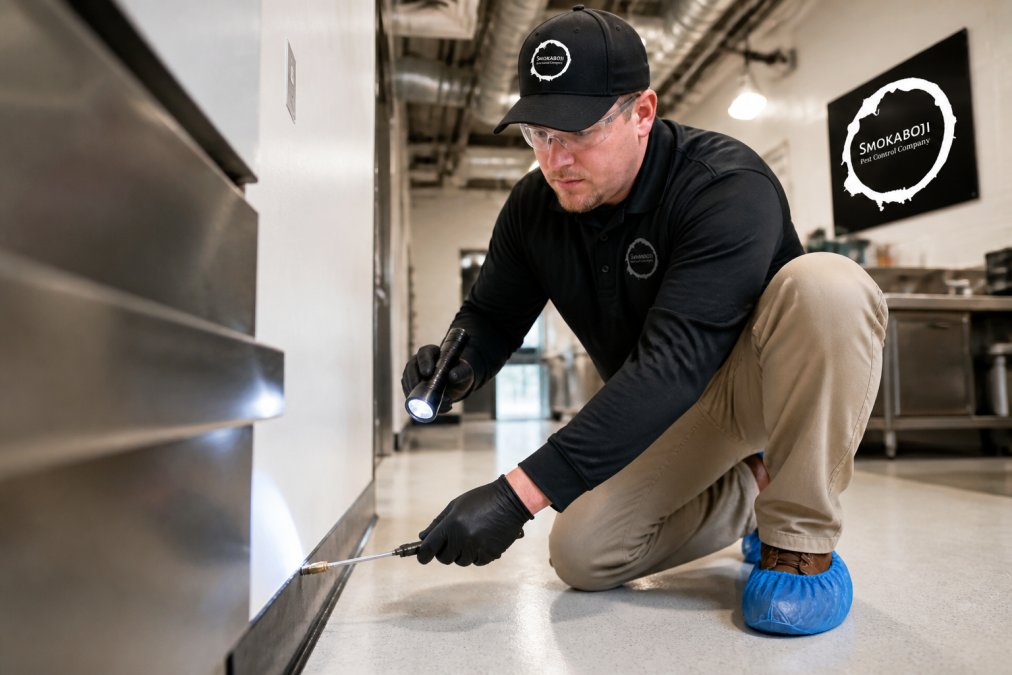
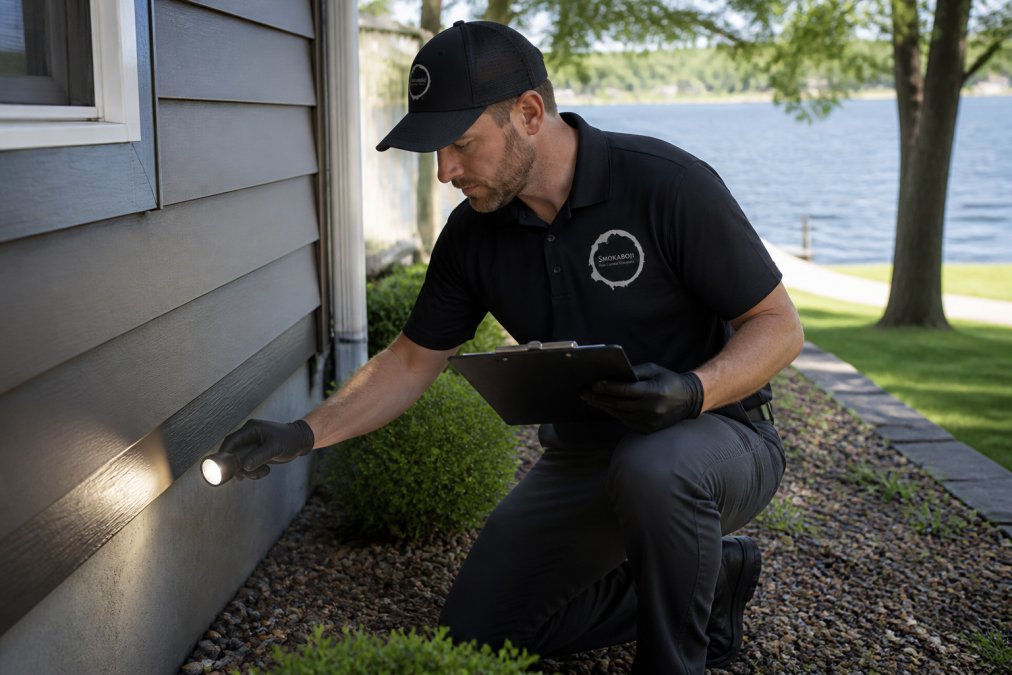
Each visit follows a similar structure: a technician inspects the interior and exterior, treats the perimeter and known hot spots, and notes any changes in pest activity monitoring. If you're weighing whether a recurring service plan fits your situation, the deciding factor is usually how often pests return, and for most homes in this region, they return every year.
Frequently Asked Questions
Is quarterly pest control worth it?
Quarterly pest maintenance is worth it for most homeowners because it stops infestations before they start. Instead of paying for emergency extermination after rodents or insects get inside, you get a protective barrier and routine inspection every few months. This can prevent structural damage and reduce allergen exposure. You also get professional monitoring of pest activity and early detection of entry points.
How does quarterly pest control provide long-term cost savings?
A recurring service plan spreads the cost of pest control across the year and prevents the expensive surprises that come with severe infestations. Emergency treatments, structural repairs, and replacing contaminated insulation or wiring typically cost far more than routine maintenance. Quarterly visits also keep small issues from becoming full-blown problems, so you avoid the cycle of treating the same pest over and over.
How often should you spray for bugs around your home?
Most homes benefit from professional spraying every three months, which matches the life cycles of common household pests and the changing seasons. Some properties with heavy pest pressure or a history of severe infestations may need monthly service until the problem is under control, then can move to a quarterly schedule. DIY sprays often break down faster and may need reapplication every few weeks. A licensed technician can recommend the right service frequency based on your location and pest activity.
Recurring pests are a scheduling problem, not a one-time emergency. Smokaboji Pest Control builds customized treatment plans, offers preventative maintenance, and stays available on-call for urgent issues, all backed by fully licensed and insured technicians. Get started with Smokaboji Pest Control and keep your home pest-free year-round.