 ultimate-guide
Tiny Jumping Bugs in Your Bathroom: What They Are
Table of Contents
- What Are These Tiny Jumping Bugs in Your Bathroom?
- Signs of Springtail Infestation
- How to Get Rid of Springtails and Moisture Control for Bathroom Pests
- Frequently Asked Questions
Last Updated: September 27, 2026
What Are These Tiny Jumping Bugs in Your Bathroom?
Those jumping bugs bathroom pests are most likely springtails, small, dark insects that thrive in moisture-heavy environments. Harmless to humans and pets, they signal an underlying moisture problem requiring attention.
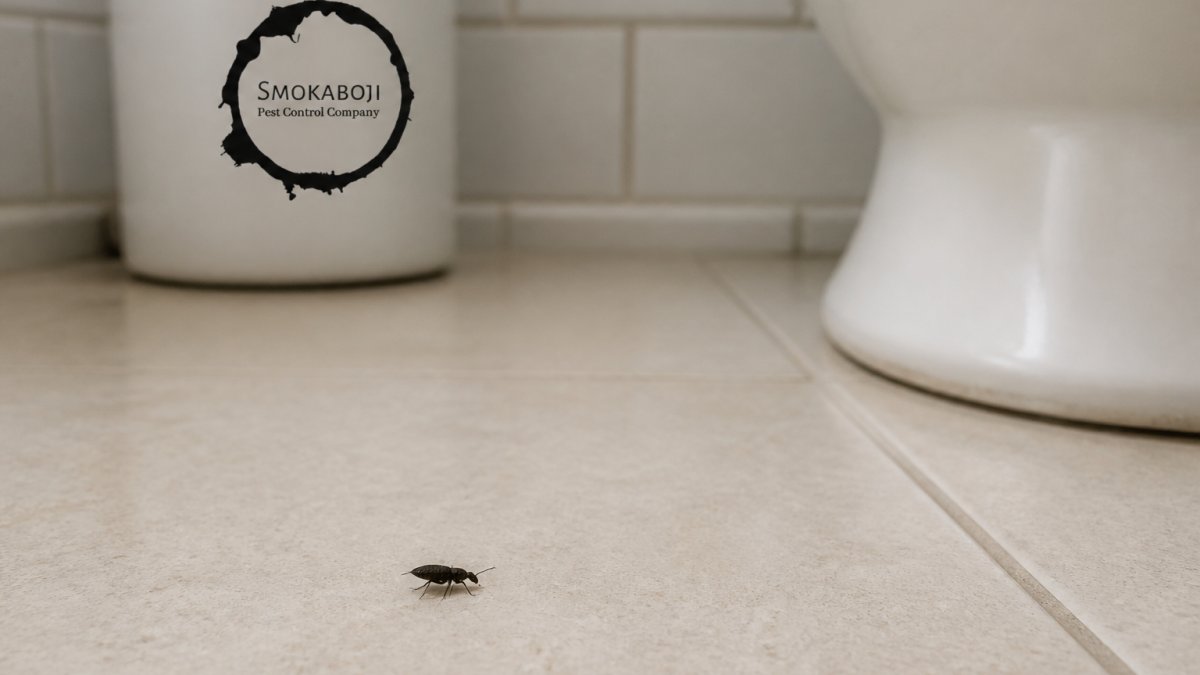
Springtails measure 1-3 millimeters and use a forked appendage called a furcula to leap when disturbed. Found near drains, tubs, sinks, and wet floors, they feed on mold and mildew in moisture-rich bathrooms.
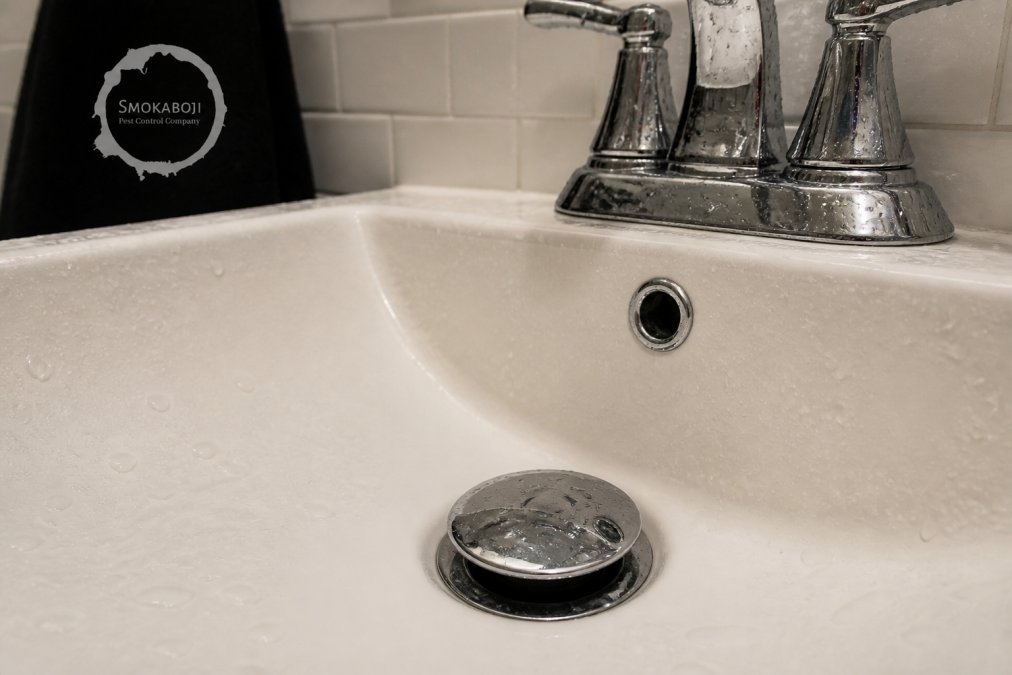
The real issue isn't the springtails themselves, it's the moisture they're indicating. A bathroom with standing water, high humidity, or poor ventilation creates the perfect breeding ground for these nuisance pests. According to EPA guidance on moisture control in homes, excess indoor humidity above 50-60% promotes mold growth and attracts moisture-dependent insects like springtails.
Signs of Springtail Infestation
The most obvious sign of jumping bugs bathroom infestations is seeing them near water sources like drains, tubs, or under sinks, often congregating on wet tiles or near the toilet base.
Visible mold, mildew, or musty smells indicate springtails are feeding nearby. Check for water leaks behind walls, under sinks, or around the toilet base, these create the moisture springtails need.
A sudden increase in jumping bugs signals spiked humidity from seasonal changes, poor ventilation, or plumbing issues; infestations worsen in spring and summer.
How to Get Rid of Springtails and Moisture Control for Bathroom Pests
Eliminate springtails by addressing moisture: run exhaust fans during and 20-30 minutes after showers, ensure proper ventilation, and install a dehumidifier if humidity exceeds 50%.
Fix water leaks immediately by checking under sinks, inspecting caulking around tubs and showers, and sealing gaps to prevent moisture accumulation in walls and subfloors.
Remove their food source by wiping surfaces, drying standing water, removing mold, and cleaning drains to eliminate buildup.
For persistent infestations, Smokaboji Pest Control's licensed technicians use targeted treatments and customize approaches for your situation, offering preventative maintenance to prevent recurrence.
Springtails signal a need for attention, not panic. Moisture control, ventilation, and professional pest management eliminate the problem at its source, contact Smokaboji Pest Control for a customized plan.
| Control Method | Best For | Effort Level |
|---|---|---|
| Dehumidifier | Ongoing humidity reduction | Low |
| Caulking and sealing | Preventing moisture entry | Medium |
| Drain cleaning | Removing breeding sites | Low |
| Professional treatment | Severe infestations | None (we handle it) |
Frequently Asked Questions
Are tiny jumping bugs in the bathroom harmful to humans?
Springtails are harmless to people and pets. They don't bite, sting, or transmit disease. However, they indicate a moisture problem in your bathroom that needs attention. Large infestations can become a nuisance, especially if they spread to other areas of your home. Addressing the underlying moisture issue prevents both the springtails and potential mold or mildew growth.
How can I get rid of springtails in my bathroom?
Start by reducing moisture: fix leaks, improve ventilation, and use a dehumidifier if needed. Remove organic matter like decaying leaves or debris from drains and surfaces. Caulk cracks where springtails hide. For persistent infestations, professional pest control can help. Non-toxic methods include diatomaceous earth around affected areas, though eliminating excess moisture is the most effective long-term solution.
What attracts springtails to bathrooms and kitchens?
Springtails are attracted to moisture and organic matter. Bathrooms provide ideal conditions: water from showers and sinks, humidity, and organic debris in drains. Kitchen sinks and areas with water seepage create similar environments. Mold, mildew, and decomposing plant material also attract them. Without moisture control, even small populations can establish and grow into visible infestations.