 ultimate-guide
Best Practices for Commercial Pest Prevention Plans
Table of Contents
- Integrated Pest Management (IPM) for Businesses
- Commercial Pest Control Checklist and Sanitation Standards
- Commercial Pest Control Service Frequency and Inspection Schedules
- Why Prevention Beats Reactive Treatment
- Digital Monitoring and Industry-Specific Compliance
- Frequently Asked Questions
Last Updated: September 26, 2026
Integrated Pest Management (IPM) for Businesses
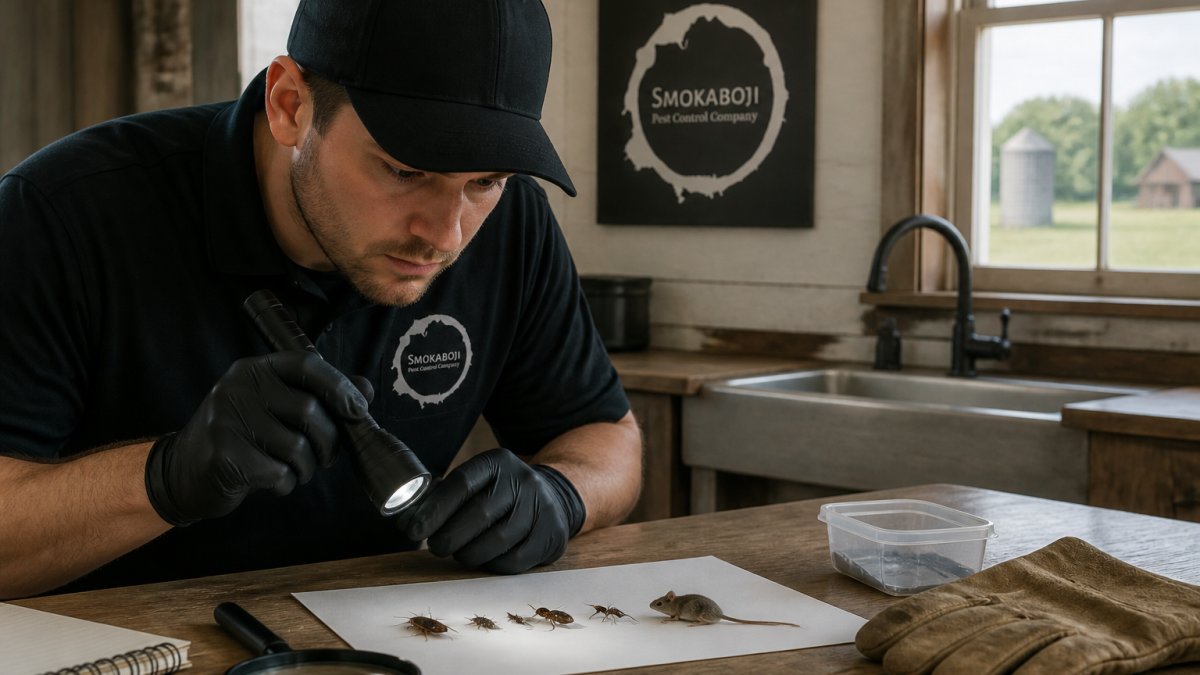
The best commercial pest prevention plans start with Integrated Pest Management (IPM), which prioritizes prevention, monitoring, and targeted treatment over routine chemical application. This reduces pest pressure while meeting the compliance standards facility managers face daily.
Integrated Pest Management (IPM) is a decision-making framework that combines sanitation, exclusion, and monitoring to manage pests with the least possible chemical intervention. The EPA's safe pest control guidelines outline the core principle: address the conditions that attract pests before reaching for a sprayer.
IPM for businesses rests on five pillars: inspection, sanitation, exclusion, monitoring, and targeted treatment. A spray kills what's there today; fixing the conditions that drew pests in keeps them from returning.
Commercial Pest Control Checklist and Sanitation Standards
A working commercial pest control checklist turns pest prevention sanitation standards into daily habits rather than quarterly panic. The National Pest Management Association's commercial guidance recommends focusing on high-traffic areas where food, moisture, and waste accumulate.
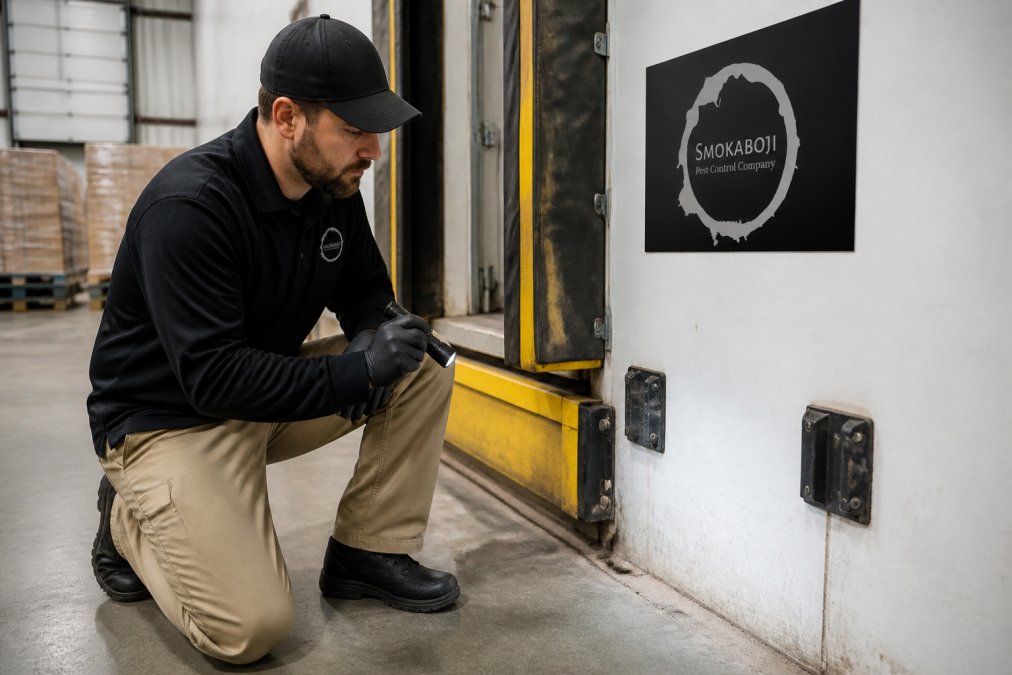
- Seal gaps around pipes, vents, and utility penetrations
- Store waste in sealed containers with tight-fitting lids
- Clean food prep surfaces and floors daily
- Clear standing water from drains, trays, and equipment
- Rotate stock first-in, first-out
- Inspect incoming shipments for pest activity
- Keep 18 inches of clearance between stored goods and walls
Sanitation protocols matter most in food service, warehousing, and healthcare, where pest-borne pathogens spread fastest. A dumpster left open overnight is an invitation; a sealed, regularly emptied one is not.
Commercial Pest Control Service Frequency and Inspection Schedules
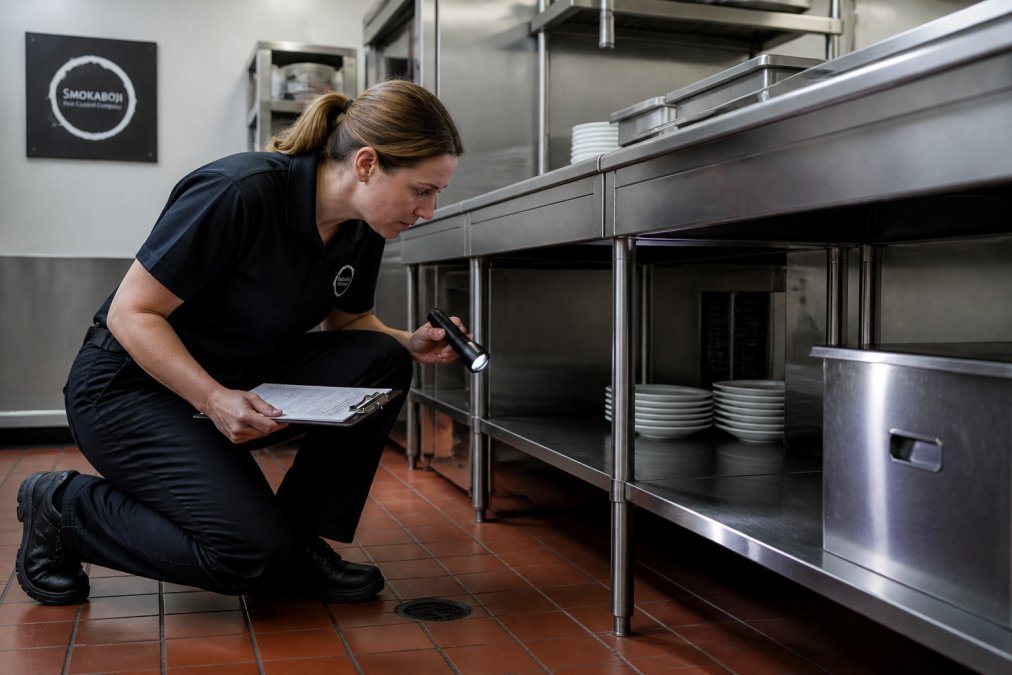
Commercial pest control service frequency depends on pest pressure, facility type, and regulatory requirements. Most commercial properties need monthly preventive maintenance; high-risk facilities like food processing plants often require biweekly or weekly visits.
| Facility Type | Inspection Frequency | Treatment Frequency |
|---|---|---|
| Office spaces | Quarterly | As needed |
| Restaurants | Monthly | Monthly |
| Food processing | Weekly | Weekly to biweekly |
Regular inspection and monitoring catch problems before they spread. Technicians document activity logs, identify conducive conditions, and adjust baiting and trapping based on findings, treatment frequency should follow evidence, not a fixed calendar. Seasonal strategies matter too: rodent proofing is urgent in fall, and wildlife management peaks in spring.
Why Prevention Beats Reactive Treatment
Reactive pest control costs more than prevention in almost every case. Emergency treatments, product loss, health inspections, and reputational damage add up fast; a structured commercial pest prevention plan spreads that cost across predictable maintenance visits.
The CDC's guidance on pest-borne disease prevention notes that rodents and cockroaches can trigger asthma and spread pathogens in commercial environments. Preventing access is cheaper than remediating contamination.
Digital Monitoring and Industry-Specific Compliance
Modern pest prevention plans increasingly rely on digital monitoring. Sensors in bait stations report activity in real time, so facility managers see trends before an infestation takes hold, shifting from scheduled guessing to data-driven response.
Industry-specific compliance checklists vary widely, food service, healthcare, and hospitality each face different audit criteria. Building the checklist around your actual regulatory requirements prevents both over-treatment and gaps.
For businesses across Northwest Iowa and Southwest Minnesota, Smokaboji Pest Control builds customized treatment plans around each facility's pest pressure and compliance needs. Our licensed technicians handle everything from bed bugs in commercial buildings to mice in rural farm properties, with on-call response for urgent issues.
Frequently Asked Questions
What are the three C's of pest control?
The three C's are clean, control, and communicate. Clean means removing food, water, and harborage that attract pests. Control covers exclusion, trapping, and targeted treatment. Communicate means documenting pest activity logs and sharing findings with staff and your pest management provider. Together they form the foundation of any commercial pest prevention plan and keep your facility audit-ready.
How often should a commercial property be inspected for pests?
Most commercial facilities need monthly inspections, though high-risk sites like food processing or warehouses may require weekly or biweekly visits. The right commercial pest control service frequency depends on pest pressure, building type, and audit requirements. During each visit, technicians check entry points, monitoring stations, and sanitation conditions. Between professional visits, your staff should log any pest sightings so nothing gets missed.
What role does sanitation play in commercial pest prevention?
Sanitation removes the food, water, and shelter pests need to survive. Simple steps like daily trash removal, sealed storage containers, and routine deep cleaning of drains and equipment cut pest pressure dramatically. Pest prevention sanitation standards also support compliance audits and reduce reliance on chemical treatments. When sanitation slips, even the best exclusion and baiting program struggles to keep pests out.
Recurring infestations rarely resolve on their own. They escalate, spread, and eventually threaten inspections, inventory, and reputation. Smokaboji Pest Control offers customized treatment plans, preventative maintenance, and prompt on-call response from fully licensed and insured technicians. Get started with Smokaboji Pest Control and replace reactive scrambling with a prevention plan that actually holds.