 listicle
Seasonal Pest Control Tips for Iowa Homeowners
Table of Contents
- Seasonal Pest Control Tips for Iowa Homeowners: A Month-by-Month Plan
- Your Seasonal Pest Prevention Checklist
- Winter Mouse Prevention: Keep Rodents Out When Temperatures Drop
- How to Seal a House Against Pests: Doors and Windows
- Reducing Moisture, Leaks, and Damp Areas
- Removing Food and Water Sources
- Spring Cleaning and Decluttering Storage Areas
- Inspecting the Home Exterior and Yard Habitat
- Seasonal Shifts: What Changes Month to Month
- Heavy Rain, Flooding, and Extreme Weather Response
- Monitoring, Identification, and When to Call a Professional
- Frequently Asked Questions
Last Updated: October 18, 2026
Seasonal Pest Control Tips for Iowa Homeowners: A Month-by-Month Plan
Seasonal pest control means timing prevention to each season's actual pest activity instead of reacting after an infestation starts.
Your Seasonal Pest Prevention Checklist
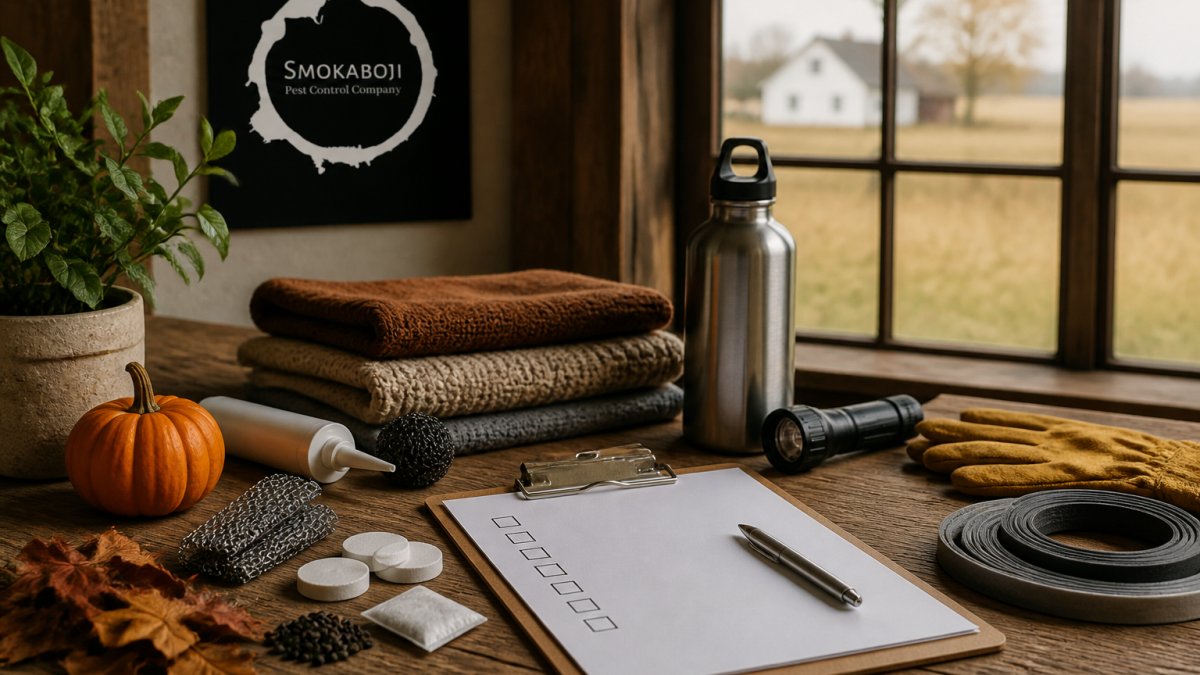
A seasonal pest prevention checklist is a repeatable set of inspections and fixes tied to peak pest months. Run it four times a year to catch problems early.
| Season | Main Threats | Core Tasks |
|---|---|---|
| Winter (Dec-Feb) | Mice, rats | Seal gaps, store food in airtight containers, set traps |
| Spring (Mar-May) | Ants, spiders, wasps | Exterior inspection, seal cracks, clear yard debris |
| Summer (Jun-Aug) | Mosquitoes, flies, ants | Remove standing water, manage trash, screen doors |
| Fall (Sep-Nov) | Box elder bugs, rodents | Seal entry points, declutter storage areas, check attic |
Winter Mouse Prevention: Keep Rodents Out When Temperatures Drop
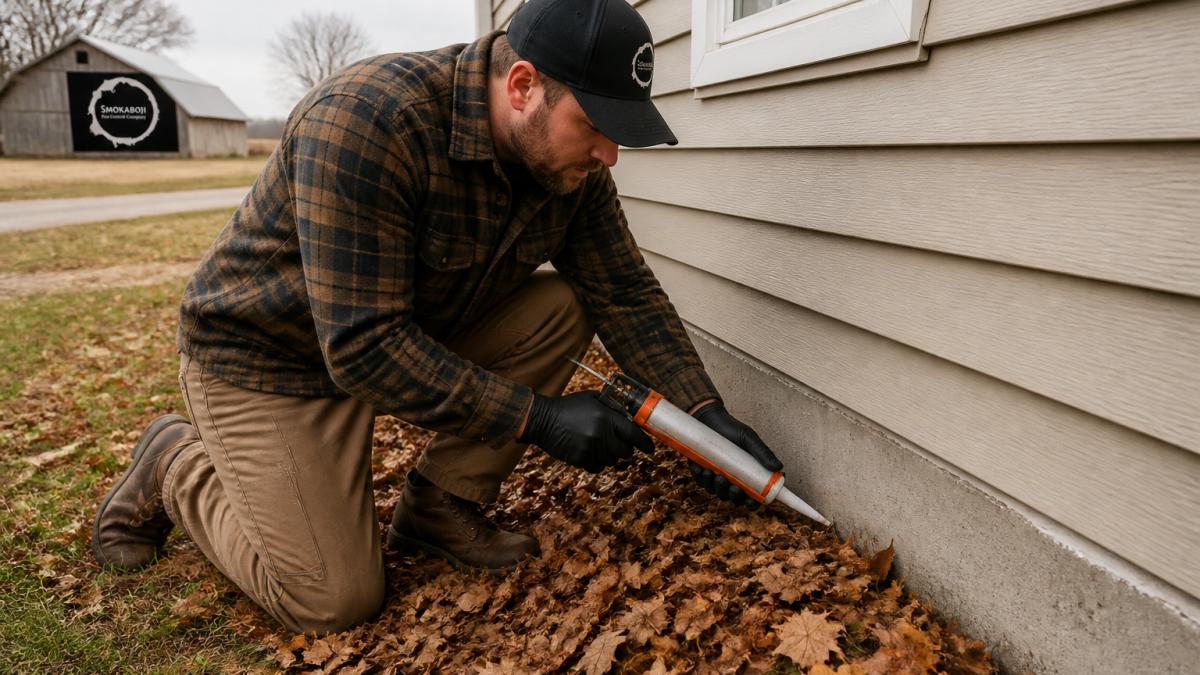
Winter mouse prevention starts before the first hard freeze, since a pencil-width gap is enough for mice to squeeze through. Seal gaps around utility lines, dryer vents, and the sill plate with caulk or steel wool, store birdseed and pet food in airtight containers, set snap traps along walls, and check the garage door seal.
How to Seal a House Against Pests: Doors and Windows
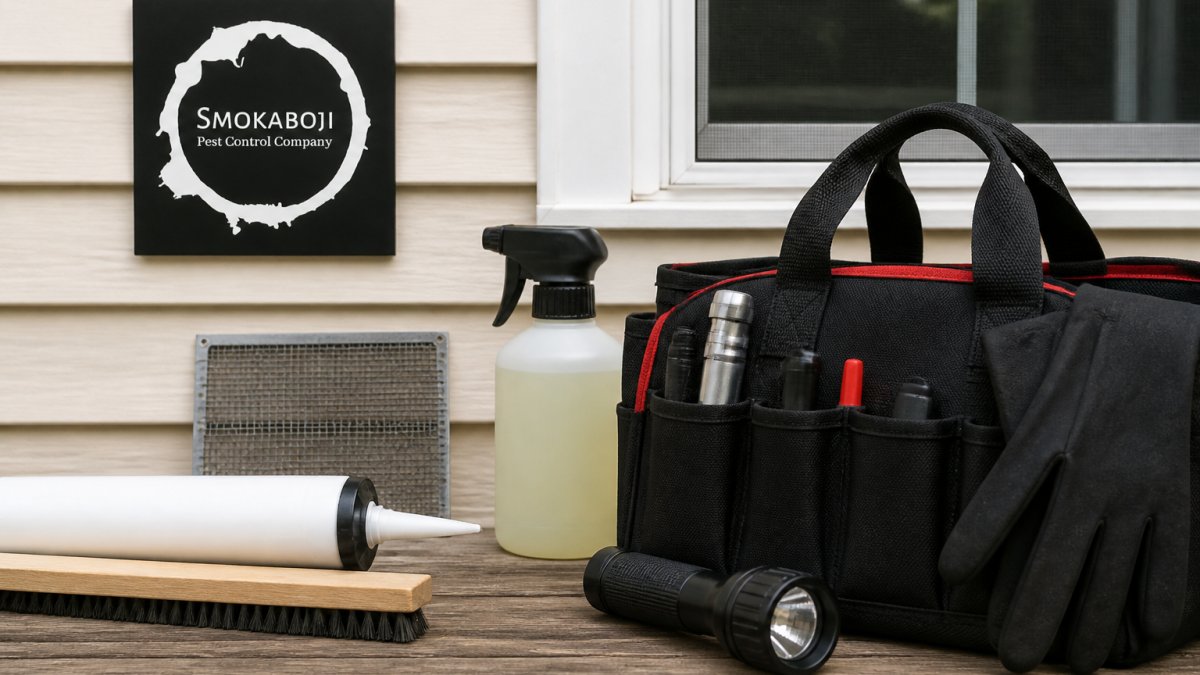
Sealing a house against pests means closing small gaps around doors, windows, and utility penetrations, mostly a caulk gun, weatherstripping, and a few hours.
Reducing Moisture, Leaks, and Damp Areas
Moisture control is pest control. Silverfish, cockroaches, and spiders favor damp areas, so fix leaks first, then run exhaust fans, use a dehumidifier in basements and crawl spaces, fix foundation seepage, redirect downspouts, and check for slow leaks.
Removing Food and Water Sources
Pests need food and water, and removing both is the least glamorous part of seasonal pest control, and the part that works hardest. Store cereal, flour, pet food, and birdseed in airtight containers, wipe crumbs, take trash out nightly in a lidded can, and clean under appliances monthly. Outside, seal garbage cans, pick up fallen fruit, fix dripping faucets, and empty plant saucers, birdbaths, and buckets.
Spring Cleaning and Decluttering Storage Areas
Spring cleaning is pest prevention when aimed at basements, attics, garages, and closets, where clutter gives pests cover. Pull stored boxes away from walls, vacuum corners and baseboards, discard what you have not used in a year, and check cardboard boxes for droppings, chewed edges, or silk webbing before carrying them inside.
Inspecting the Home Exterior and Yard Habitat
An exterior inspection catches problems while they are still outside. Walk the perimeter once a season: check the foundation for cracks, the siding for gaps, and the roofline and soffits for openings. Trim vegetation back from siding, move firewood and lumber away from the house, and keep mulch a few inches off the foundation.
Seasonal Shifts: What Changes Month to Month
Pest activity follows the calendar: rodents peak indoors January to February, ants wake in March and April, mosquitoes and wasps arrive May to June, spiders move into basements and garages July to August, box elder bugs and rodents seek warmth September to October, and rodents settle in November to December. That is why a one-time treatment rarely holds, the pests change, so the work has to change with them.
Heavy Rain, Flooding, and Extreme Weather Response
Heavy rain pushes pests indoors, and flooding displaces rodents and insects from yards, storm drains, and fields into the nearest dry shelter, often your house. After a heavy rain event, check the basement and crawl space for seepage, dry wet areas within a day, recheck door sweeps and foundation seals, look for new rodent activity near the foundation and garage, and keep gutters clear.
Monitoring, Identification, and When to Call a Professional
Monitoring means checking for signs before you see pests: droppings, gnaw marks, silk webbing, shed skins, and grease trails. Identify the pest before treating, because many over-the-counter sprays fail by targeting the wrong pest or missing the source. If you see repeated activity, structural damage, or pests in multiple rooms, professional help is the faster path.
That is where we come in. Smokaboji Pest Control is fully licensed and insured, we offer preventative maintenance plans, and we respond to urgent pest issues. Our technicians handle spiders, cockroaches, bed bugs, and mice, and we tailor treatment plans to the property rather than applying a one-size-fits-all spray. You can check our service area and request a quote to get started.
Frequently Asked Questions
What pests are most common in Iowa homes?
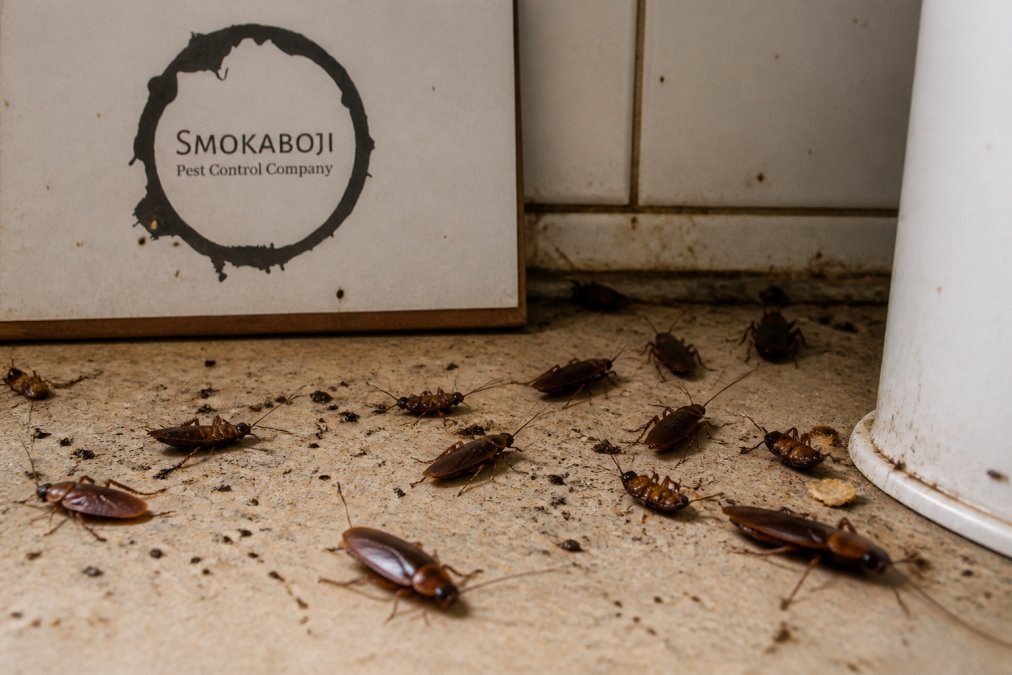
Iowa homes commonly see ants, spiders, cockroaches, silverfish, mosquitoes, and rodents such as mice. Seasonal shifts drive activity: spring brings ants and spiders out of overwintering spots, summer raises mosquito and fly pressure near standing water, and fall sends mice indoors looking for warmth. County pest pages also list bed bugs and fleas as household concerns. A seasonal pest prevention checklist that covers entry points, moisture, and food storage addresses most of these pests before they become an infestation.
How can I keep mice out of my house in winter?
Winter mouse prevention starts with exclusion. Walk the exterior and seal any gap wider than a quarter inch using steel wool packed with caulk, then cover with hardware cloth. Check garage doors, dryer vents, and the gap under exterior doors. Move firewood and stored birdseed away from the foundation, and store pet food in airtight containers. Mice need only a small opening, so sealing cracks and gaps around doors and windows before the first hard freeze matters more than any bait station.
How often should a home receive pest control treatment?
Professional pest control treatment frequency depends on the pest and the property. Many companies recommend spring and fall service visits to intercept seasonal shifts, with quarterly plans for homes with recurring issues. Lake properties, rentals, and rural farm homes often need more frequent monitoring because of nearby vegetation and water. Ask for a plan built around your inspection findings rather than a fixed schedule, and confirm what follow-up visits are included if activity returns.
Pest prevention works best as a habit, not a one-time project. The homeowners who stay pest-free are the ones who seal in fall, clean in spring, and check the foundation after every heavy rain. If you would rather hand the calendar to someone else, Smokaboji Pest Control offers customized treatment plans and preventative maintenance built around the seasons here. Get started with Smokaboji Pest Control and keep your home protected year-round.