 listicle
Pest Control Maintenance Plans for Homeowners
Table of Contents
- What Pest Control Maintenance Plans Cover
- How Often Should Pest Control Be Done
- Average Cost of Pest Control Maintenance Plans
- Choosing the Right Pest Control Maintenance Plan
Last Updated: August 15, 2026
What Pest Control Maintenance Plans Cover
Pest control maintenance plans are recurring service agreements that combine regular inspections, preventative treatments, and emergency callbacks to keep pests out year-round. Unlike one-time treatments, they address current problems while preventing future infestations.
A typical plan includes interior and exterior treatments targeting common household pests like ants, spiders, cockroaches, silverfish, earwigs, and rodents. Some expand coverage to bed bugs, fleas, and seasonal threats like mosquitoes and ticks, depending on your chosen plan level and home's pest pressure.
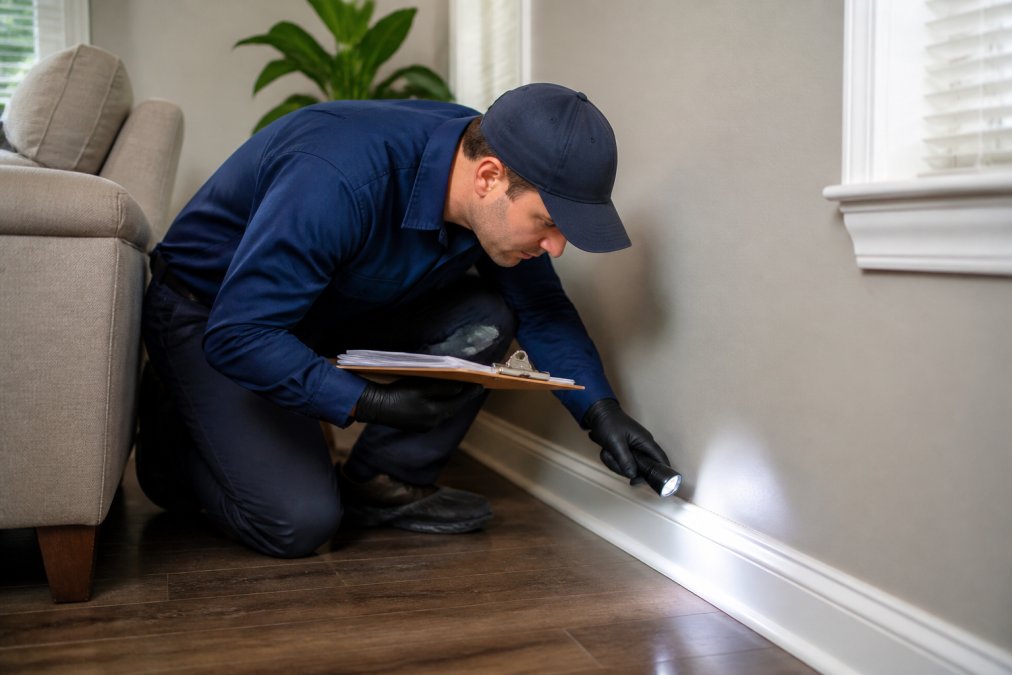
During a service visit, a technician inspects for entry points, moisture problems, and pest attractants, then applies treatments using integrated pest management (IPM) principles that combine chemical applications with exclusion methods and habitat modification. Between visits, most plans include unlimited callbacks if covered pests return, catching seasonal pressure changes before minor activity becomes a full infestation.
Professional-grade products used in maintenance plans have longer residual activity than hardware store options, continuing to work for weeks rather than days. Licensed technicians adjust strategies based on inspection findings, selecting products most effective for specific pests and conditions.
How Often Should Pest Control Be Done
Service frequency depends on pest pressure, home construction, and local seasonal activity. Most homeowners benefit from quarterly service intervals aligned with seasonal pest cycles.
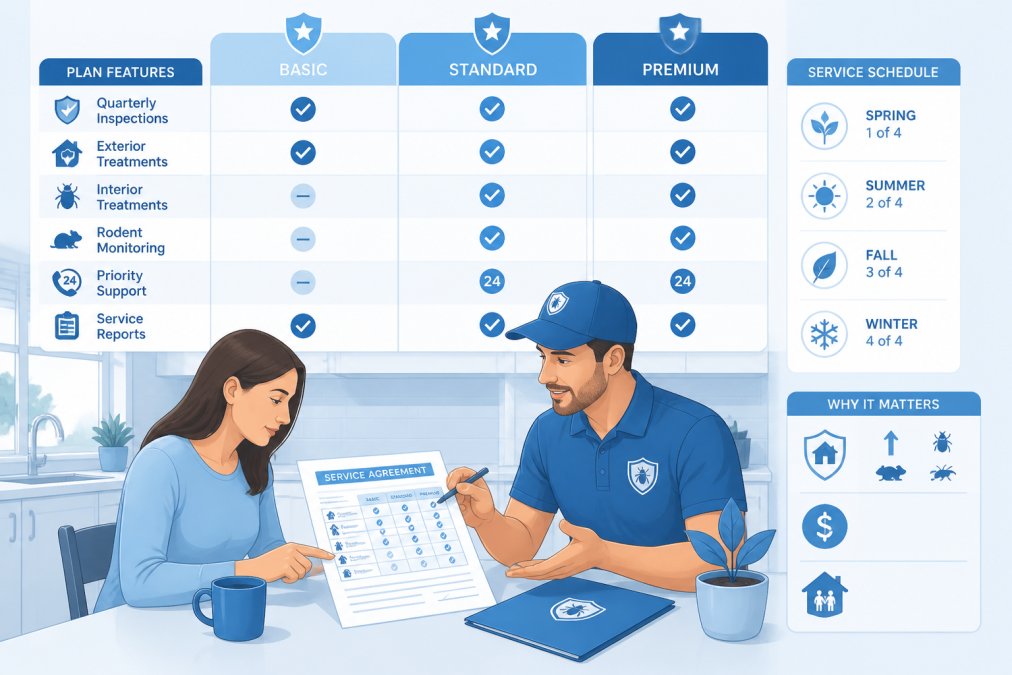
Quarterly treatment (every three months) is the industry standard for general pest maintenance. Spring treatments target awakening populations, summer applications address peak breeding seasons, fall services seal entry points before rodents seek shelter indoors, and winter visits monitor for cold-weather invaders like cluster flies and boxelder bugs.
Some situations demand monthly service. Active infestations, recent bed bug problems, or severe rodent pressure require more frequent monitoring and faster response. Once the infestation clears, you typically scale back to quarterly maintenance.
Annual or semi-annual plans work only for homes with minimal pest pressure and strong structural integrity. Older homes, properties near wooded areas, or homes with previous infestation histories need more frequent attention.
Smokaboji Pest Control adjusts service frequency based on inspection findings, recommending more frequent visits initially for heavy pest activity, then scaling back once pressure decreases. This customized approach prevents overpaying while ensuring adequate protection.
Average Cost of Pest Control Maintenance Plans
Pricing varies significantly based on home size, pest type, service frequency, and location. Request quotes from local providers rather than relying on general price ranges.
When comparing plans, focus on what's included rather than the lowest price alone. A cheaper plan excluding bed bugs or requiring separate charges for rodent control may cost more overall. Look for plans offering unlimited callbacks between visits, which adds real value if pest activity emerges unexpectedly.
Most professional pest control companies offer free inspections and quotes, revealing your specific pest pressure and allowing technicians to recommend appropriate service frequency and plan level.
Consider the long-term value of preventative maintenance versus emergency treatments. Quarterly service prevents expensive infestations requiring intensive, repeated treatments while protecting your home's structural integrity by catching pest damage early.
Choosing the Right Pest Control Maintenance Plan
Start by identifying which pests concern you most. A home near wooded areas faces different pest pressure than an urban property, and a lake house dealing with spiders needs different coverage than a farm battling seasonal mice.
Evaluate your home's structural condition. Older homes with gaps around foundations and compromised weatherstripping need more aggressive preventative treatment, while newer sealed homes may do well with quarterly maintenance. Properties with significant landscaping near walls or standing water attract more pests and warrant more frequent service.
Ask about service agreements carefully. Some companies lock you into annual contracts with early termination fees, while others offer month-to-month flexibility.
Verify that your chosen provider is fully licensed and insured. Check whether they carry liability insurance covering potential property damage. Compare plan tiers carefully, basic plans may cover common insects only, while premium plans add rodent monitoring, termite inspections, and seasonal mosquito treatment. The middle option often provides the best value.
Request references from current customers in your area, asking specifically about technician reliability and whether pest problems actually decreased after joining the plan.
| Plan Type | Best For | Key Consideration |
|---|---|---|
| Quarterly Service | Most homeowners | Balanced cost and protection |
| Monthly Service | Active infestations or high pressure | Higher cost but faster results |
| Seasonal Service | Minimal pest pressure | Limited coverage, higher risk |
| Annual Inspection Only | Structural monitoring only | Insufficient for active pests |
Smokaboji Pest Control's fully licensed and insured technicians customize plans based on your specific situation rather than pushing standard packages. They're available on-call for urgent pest issues and committed to long-term satisfaction with preventative maintenance strategies tailored to Northwest Iowa and Southwest Minnesota's seasonal pest cycles.
Pest control maintenance plans transform pest management from reactive crisis response into proactive protection. The right plan keeps your home comfortable and pest-free while protecting your investment from structural damage. Contact Smokaboji Pest Control for a free inspection and customized plan recommendation, their experienced technicians will assess your home's specific pest pressure and design a maintenance strategy using modern chemicals and proven exclusion methods that works for your situation and budget.
Frequently Asked Questions
What is included in a general pest control service?
A standard pest control maintenance plan typically includes interior and exterior inspections, barrier protection around your home's perimeter, treatment of identified pest entry points, and seasonal applications tailored to local pest activity. Most plans cover common household pests like ants, spiders, cockroaches, and rodents. Your technician will also address conditions that attract pests, such as moisture issues and gaps around foundations. The specific services depend on your chosen plan frequency and coverage level.
How often should pest control be done?
Professional pest control frequency depends on your pest pressure and local seasonal activity. Monthly treatments work best during active pest seasons or for active infestations. Quarterly service (every three months) provides effective year-round preventative maintenance for most homeowners. Some properties benefit from annual inspections combined with targeted seasonal treatments. Your technician will recommend the right schedule based on your property's history, location, and pest risk factors.
Is a monthly pest control plan worth it?
Monthly pest control plans are worth it if you have active infestations, live in a high-pest-pressure area, or want aggressive preventative maintenance. However, many homeowners find quarterly service sufficient for year-round protection at lower cost. Monthly plans work well for ongoing rodent control or spider issues around docks and boat areas. Consider your specific pest challenges and budget, quarterly plans offer a good balance of protection and affordability for most residential properties.
What factors affect the cost of pest control maintenance plans?
Pricing depends on your home's square footage, the severity of existing infestations, your geographic location, service frequency, and the range of pests covered. Properties with active pest problems typically cost more initially than preventative-only plans. Rural and farm properties may have different pricing than suburban homes. The type of chemicals and application methods used also influence cost. Contact Smokaboji Pest Control for a custom quote based on your specific property and pest control needs.
How do I know a pest control treatment will actually prevent pests from returning?
Effective pest control relies on integrated pest management (IPM): your technician identifies entry points, seals gaps, removes attractants like food and moisture sources, and applies residual treatments that continue working between visits. Quality barrier protection around your home's perimeter is key to long-term prevention. Professional treatments use stronger formulations than hardware store products and are applied strategically to high-activity areas. Regular service intervals maintain protection year-round. Smokaboji Pest Control's preventative maintenance approach focuses on keeping pests outside rather than just eliminating them once they're inside.
This article was written using GrandRanker