 ultimate-guide
Long-Term Spider Control Solutions: A Complete Guide
Table of Contents
- Why Long-Term Spider Control Matters
- Spider Exclusion Techniques That Actually Work
- Best Spider Repellent for Home Use
- Habitat Modification and Preventative Maintenance
- Professional Spider Extermination Cost and When to Call
- Safety Considerations for Families and Pets
- Building Your Long-Term Spider Control Plan
- Conclusion
Last Updated: August 6, 2026
Why Long-Term Spider Control Matters
Most homeowners treat spider problems reactively, spraying once and hoping they're gone. This wastes money and leaves homes vulnerable to recurring infestations. Spiders aren't a one-time problem, they're a persistent presence requiring a fundamentally different strategy.
Long-term spider control focuses on prevention and habitat management rather than reactive treatments. When you implement exclusion techniques, modify your environment, and maintain consistent preventative measures, you shift from constantly fighting spiders to eliminating the conditions that attract them. At Smokaboji Pest Control, we've seen homeowners cut their spider problems by 80% or more once they commit to an integrated approach rather than sporadic spraying.
The difference comes down to understanding how spiders operate. They're attracted to dark, undisturbed spaces with abundant prey. Remove those conditions, seal entry points, and maintain the barriers you've created, and spiders have no reason to stay.
Spider Exclusion Techniques That Actually Work
Exclusion is the foundation of long-term spider control. Rather than poisoning spiders after they've entered your home, you prevent them from getting inside in the first place. This approach is more effective, less toxic, and requires far less ongoing effort than chemical treatments alone.
Sealing Entry Points
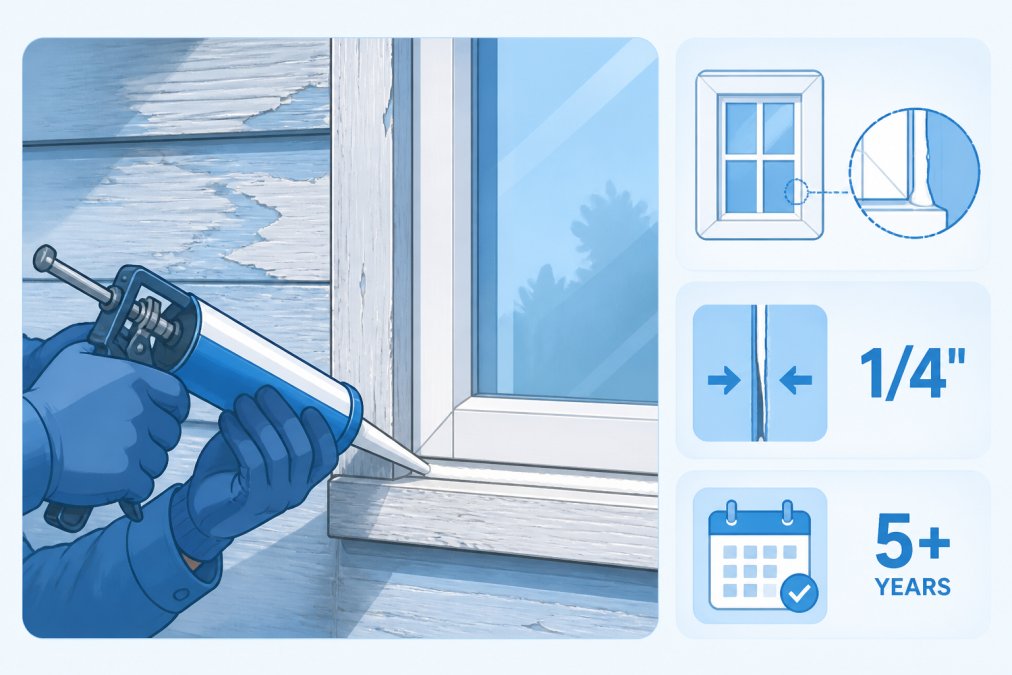
Spiders don't need much space to get inside. A gap the width of a credit card is enough for many species to squeeze through. Start with a systematic inspection of your home's exterior, looking for gaps around utility lines, foundation cracks, window and door frames, siding corners, soffit or fascia holes, and basement vents.
Use exterior-rated caulk to seal gaps. For openings larger than a quarter-inch, use expandable foam first, then caulk over it. This creates a complete barrier that spiders can't penetrate. Pay special attention to areas where utilities enter your home, plumbing lines, electrical conduits, and gas lines frequently have gaps that provide direct pathways into wall cavities.
Installing Screens and Door Sweeps
Windows and doors need functional screens and sweeps to keep spiders out. Inspect all window screens for tears or holes and replace damaged ones rather than patching them. For doors, install door sweeps on the bottom edge to eliminate gaps between the door and threshold.
Garage doors deserve special attention. If your garage is attached to your home, spiders entering the garage can easily move into living spaces. Install weatherstripping around garage door frames and ensure the door closes completely.
Caulking Crevices and Gaps
Beyond obvious entry points, spiders hide in small crevices throughout your home's interior. Focus on caulking gaps between baseboards and walls, especially in basements and crawl spaces where spiders congregate. Caulk gaps around pipes and conduits that run through walls. Fewer hiding places mean fewer spiders.
Best Spider Repellent for Home Use
When exclusion alone isn't enough, chemical and natural repellents provide an additional layer of protection.
Natural and Homemade Repellent Solutions
Peppermint oil is the most commonly recommended natural spider deterrent. Mix peppermint essential oil with water in a spray bottle and apply around baseboards, corners, and entry points. Vinegar solutions work similarly, equal parts white vinegar and water deter spiders, though you'll need to reapply weekly.
Diatomaceous earth (food-grade only) damages spider exoskeletons. Dust it around baseboards, crawl spaces, and perimeter walls. The drawback is that it's only effective when dry, so it works better indoors or in covered outdoor areas.
Natural repellents are less effective and require more frequent reapplication than chemical alternatives. They work best as part of a broader strategy that includes exclusion and habitat modification, not as a standalone solution.
Residual Insecticide Barriers
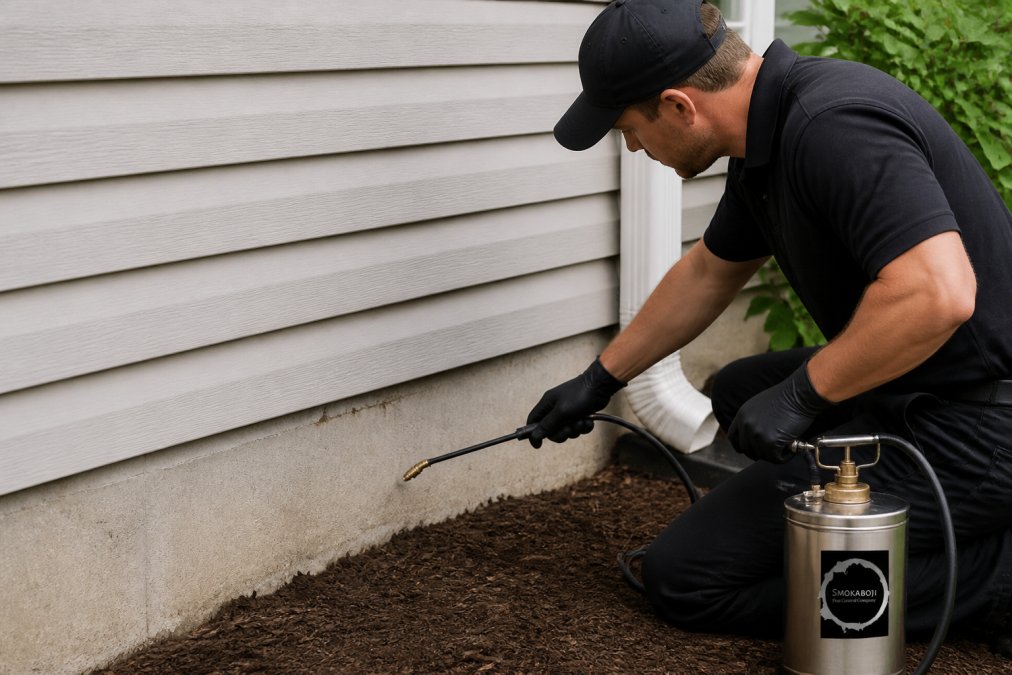
Residual insecticides create a chemical barrier that kills spiders on contact and continues working for weeks or months. Products containing bifenthrin or lambda-cyhalothrin provide extended protection, typically 30-90 days depending on weather and surface type.
Spray the perimeter of your home, focusing on foundation walls, window and door frames, and baseboards. Treat both interior and exterior perimeters for maximum effectiveness. Professional-grade products like Talstar P or Demand CS offer superior longevity compared to consumer products. For convenience, ready-to-use sprays like Ortho Home Defense or Harris Spider Killer provide reasonable effectiveness with easier application.
EPA guidance on safe pesticide use around homes
Habitat Modification and Preventative Maintenance
Spiders thrive in cluttered, undisturbed environments with abundant prey. Modify these conditions and you've addressed the root cause of infestations.
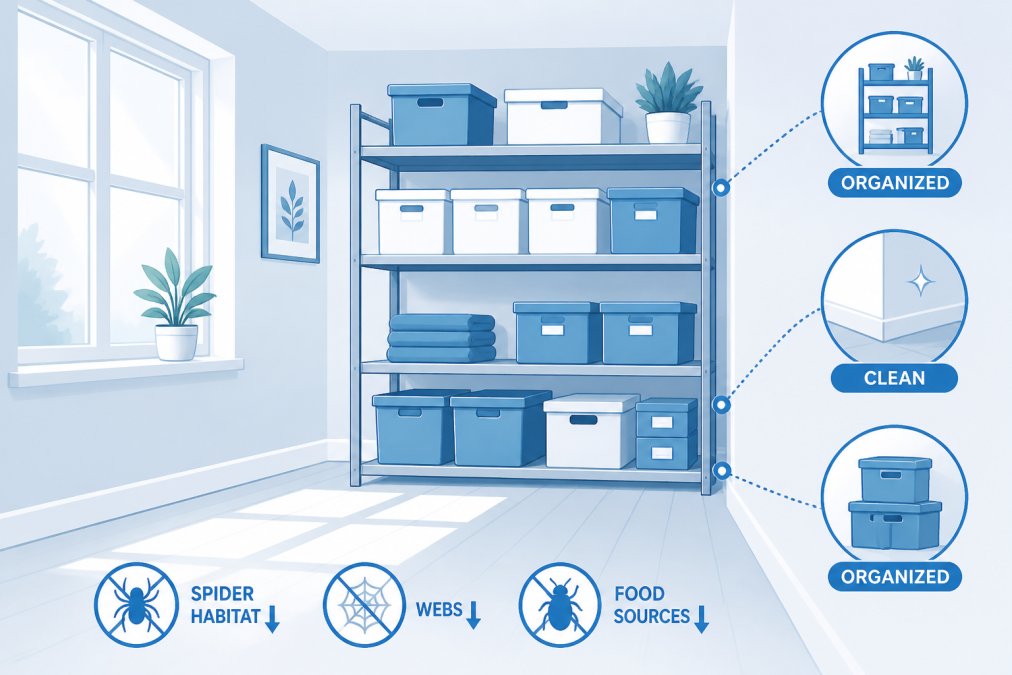
Reducing Clutter and Web-Building Opportunities
Spiders build webs in areas that remain undisturbed for extended periods. Reduce clutter in basements, attics, and storage areas. Remove unnecessary items, organize stored boxes on shelves rather than stacking them on the floor, and create clear pathways. This eliminates hiding spots and makes it easier to spot and remove webs before they become established.
Even in living spaces, clutter contributes to spider problems. Piles of clothes, stacks of papers, and cluttered closets all provide shelter. Maintaining an organized home reduces spider populations significantly.
Controlling Moisture and Prey
Spiders follow their food source. Reduce the insects in and around your home and you've removed the primary reason spiders want to be there. Fix leaks promptly, moisture attracts cockroaches, ants, and other insects that spiders feed on. Improve ventilation in bathrooms and basements to reduce humidity.
Outdoor lighting attracts insects, which in turn attract spiders. Position lights away from doors and windows, or switch to yellow "bug lights" that attract fewer insects. Keep gutters and downspouts clean and functioning properly, ensuring water drains away from your home's foundation.
Professional Spider Extermination Cost and When to Call
Professional treatment makes sense if you're dealing with a severe infestation, have spiders in difficult-to-treat areas like attics or crawl spaces, or prefer professional handling.
Understanding Professional Treatment Options
Professional pest control companies use the same active ingredients available to homeowners but apply them more strategically with better equipment. A trained technician knows where spiders hide and how to create comprehensive barriers around your home.
Professional treatments typically include a thorough inspection, targeted application to entry points and common spider harborage areas, and often a follow-up visit. When evaluating professional services, ask about their treatment approach and whether they focus on integrated pest management rather than just spraying.
Smokaboji Pest Control provides comprehensive spider control. Our licensed technicians conduct detailed inspections to identify entry points and spider harborage areas, then develop customized treatment plans combining exclusion, habitat modification, and targeted chemical barriers. We're available on-call for urgent spider problems and offer preventative maintenance plans to keep spiders from returning.
Integrated Pest Management for Year-Round Protection
Integrated Pest Management (IPM) is a long-term strategy combining multiple approaches: exclusion, habitat modification, monitoring, and targeted chemical treatments when necessary. Rather than relying on a single method, IPM uses each technique where it's most effective.
An IPM program starts with inspection and monitoring to identify where spiders are entering and what conditions are attracting them. Next, implement exclusion and habitat modifications. Chemical treatments come next, applied strategically to areas where spiders are most active. Finally, establish a monitoring and maintenance schedule with regular inspections and maintenance treatments applied quarterly or seasonally.
This integrated approach is more effective than any single method and tends to be more cost-effective over time because you're preventing infestations rather than constantly reacting to them.
National Pest Management Association guidelines on spider control
Safety Considerations for Families and Pets
Chemical pesticides require careful handling, especially in homes with children and pets. Follow label instructions precisely, they specify safe application rates, where products can be used, and necessary precautions.
Keep children and pets away from treated areas until products have dried or cured fully. Most residual insecticides are safe once dry, but wet applications pose a risk. Store all pesticides in their original containers in a locked cabinet away from reach.
Natural repellents like peppermint oil and vinegar solutions are safer for families with young children and pets, though they're less effective. For homes with pets, discuss safety with your pest control provider to confirm products are pet-safe once dry.
Building Your Long-Term Spider Control Plan
Effective long-term spider control requires a structured plan:
Month 1-2: Inspection and Exclusion Conduct a thorough inspection of your home's exterior and interior. Identify entry points and gaps. Begin sealing entry points with caulk and expanding foam. Install or repair door sweeps and window screens.
Month 2-3: Habitat Modification Reduce clutter in basements, attics, and storage areas. Fix moisture problems, repair leaks, improve ventilation. Adjust outdoor lighting if necessary.
Month 3-4: Chemical Barrier Application Apply residual insecticides to the perimeter, focusing on foundation walls, window and door frames, and baseboards. If uncomfortable applying chemicals yourself, hire a professional.
Ongoing: Monitoring and Maintenance Inspect your home monthly for new spider webs or entry points. Maintain the chemical barrier by reapplying products on schedule, typically every 30-90 days. Continue removing clutter and maintaining moisture control.
Seasonal: Professional Treatment Consider professional pest control treatment at the beginning of spider season (late summer and fall) and again in spring.
Long-term spider control requires commitment to a multi-faceted strategy, but the payoff is a home that stays spider-free year after year. If you're ready to stop fighting spiders and start preventing them, Smokaboji Pest Control's preventative maintenance plans provide the professional expertise and customized approach that delivers results. Our fully licensed and insured technicians assess your specific situation, implement targeted exclusion and chemical barriers, and maintain your protection through regular monitoring and treatment. Contact Smokaboji Pest Control today to get started with long-term spider control solutions that actually work.
Frequently Asked Questions
How long does professional spider extermination actually last?
Professional spider extermination with residual insecticide treatments typically provides 3-6 months of protection, with some premium treatments extending to 12 months. The duration depends on weather exposure, foot traffic, and the specific chemicals used. Smokaboji Pest Control offers preventative maintenance plans that maintain long-term protection through regular applications and habitat monitoring, ensuring spiders don't return between treatments.
What's the difference between DIY spider repellent and professional-grade spider exclusion techniques?
DIY repellents like essential oils or vinegar solutions provide temporary deterrence but fade quickly. Professional spider exclusion techniques focus on structural prevention: sealing entry points, installing door sweeps, and caulking crevices where spiders enter. Professionals also apply residual insecticides that create chemical barriers lasting months. The combination of exclusion and chemical barriers, what professionals call integrated pest management, stops spiders from entering rather than just repelling those already inside.
Is professional spider extermination safe for kids and pets?
Yes, when applied correctly by licensed professionals. Modern spider control uses low-toxicity, targeted chemicals applied to baseboards and entry points where children and pets don't contact them directly. Smokaboji Pest Control's fully licensed technicians follow strict safety protocols, keeping families and animals protected during and after treatment. Always inform your pest control provider about children, pets, and any health concerns so they can adjust their approach accordingly.
How often should you treat your home to maintain long-term spider control?
Most homeowners benefit from quarterly treatments (every 3 months) combined with exclusion work and habitat modification. This schedule maintains residual insecticide barriers while preventing reinfestation. Seasonal increases in spider activity, typically spring and fall, may warrant additional treatments. A preventative maintenance plan tailored to your property's specific needs ensures consistent protection without over-treating, and professional monitoring helps identify new entry points before spiders establish themselves.
This article was written using GrandRanker