 ultimate-guide
Is Professional Pest Control Worth It? A 2026 Guide
Table of Contents
- When Professional Pest Control Becomes the Right Choice
- How to Choose a Pest Control Company for Your Needs
- Average Cost of Residential Pest Control and What You Get
- Benefits of Quarterly Pest Control for Long-Term Protection
Last Updated: August 19, 2026
When Professional Pest Control Becomes the Right Choice
Whether professional pest control is worth it depends on infestation severity, your budget, and time investment. At Smokaboji Pest Control, we've seen both DIY and professional approaches succeed, the difference usually comes down to timing, pest identification, and realistic expectations.
How to Choose a Pest Control Company for Your Needs
Verify Licensing and Insurance
Start with state licensing. Most states require pest control applicators to hold a commercial applicator license from the state's department of agriculture. Verify the license is current in the state's licensing database. Confirm the company carries general liability insurance (minimum $1 million) and workers' compensation insurance. Unlicensed operators may offer lower prices but operate outside regulatory oversight, leaving you without recourse if something goes wrong.
Evaluate Pest Identification and Treatment Specificity
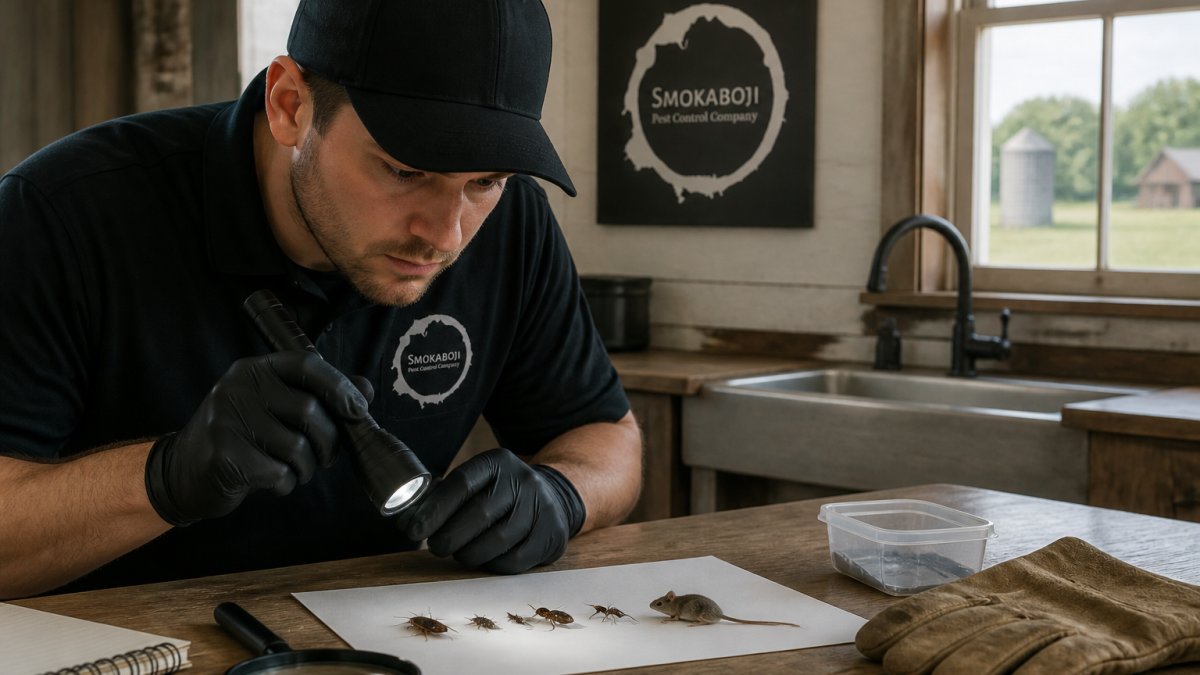
A red flag is any company recommending the same treatment for every pest. Bed bugs require completely different approaches than cockroaches; termites demand different strategies than carpenter ants. During consultation, a qualified technician should ask detailed questions about where you first saw the pest, how long the problem has existed, and what DIY treatments you've tried.
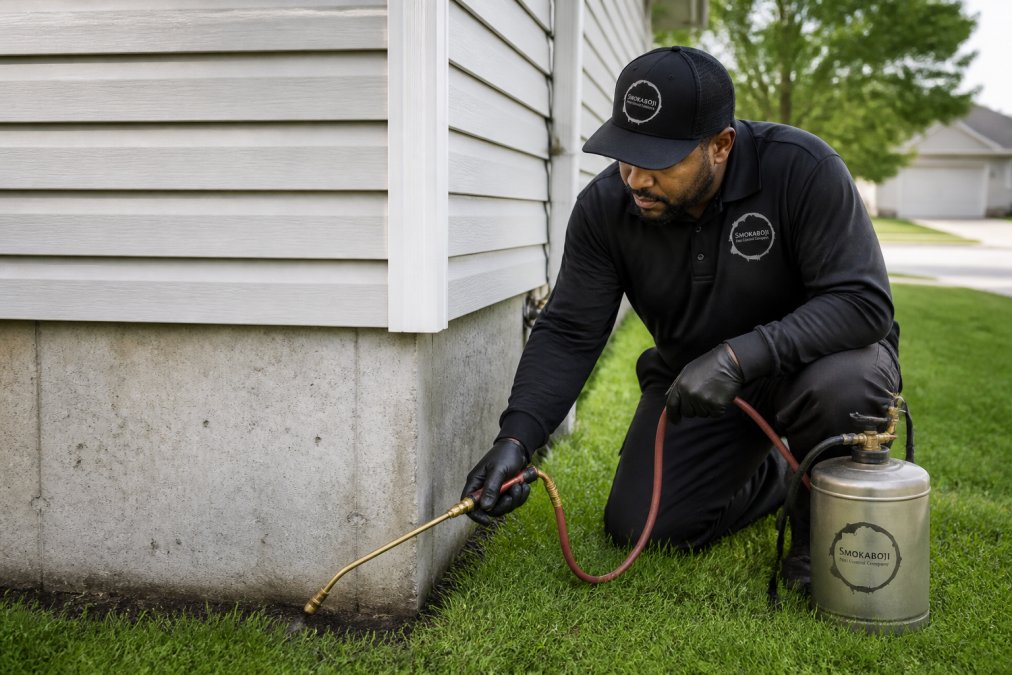
A professional inspection typically takes 30 to 60 minutes and should include the foundation, crawl space, attic, kitchen, bathrooms, and areas with pest activity. Ask what specific chemicals or methods they'll use and why. If a company quotes a price over the phone without visiting, they're guessing.
Check References and Track Record
Online reviews on Google, the Better Business Bureau, and industry platforms reveal consistency and reliability. Look for patterns: Do technicians show up on time? Do treatments work? A company with 50+ reviews and a 4.5+ rating demonstrates reliability across many customers.
Request three to five references from the company for similar pest problems in your area. Ask whether treatment worked and if you'd use them again.
Understand Service Guarantees and Follow-Up
A reputable company backs their work with a guarantee. Common structures include:
- Retreat guarantee: If pests return within 30 to 60 days, the company returns for a free follow-up treatment.
- Service contract: Quarterly or monthly visits with a fixed price; if pests appear between visits, the company treats at no extra charge.
- Satisfaction guarantee: If unsatisfied, the company will retreat or refund your money.
Understand what's covered. Most guarantees don't cover new infestations from outside sources but do cover incomplete treatment of the original problem. Ask whether the company offers preventative recommendations after treatment, such as sealing entry points and removing food sources.
Responsiveness and Communication
Call the company with a question and note how long it takes to reach a human. Responsiveness during sales predicts responsiveness after payment. Ask how they'll communicate after service: Will they provide a written report? Will they send reminders before your next visit?
Average Cost of Residential Pest Control and What You Get
Professional pest control typically ranges from $300 to $550 for an initial inspection and single-visit treatment, with quarterly maintenance plans running $100 to $300 per visit depending on property size, pest type, and regional rates.
The Hidden Cost of DIY Failure
Most homeowners underestimate the true expense of DIY pest control. A single bag of over-the-counter pesticide costs $15 to $40, but improper application often fails to eliminate the colony, requiring multiple repeat purchases ($50 to $150 total) over weeks or months. During that time, the infestation grows exponentially, a single female German cockroach can produce 30,000 offspring in a year if unchecked.
DIY treatment also demands your time: research, application, monitoring, and repeated treatments when the first attempt fails. At a conservative estimate of 5 to 10 hours of labor, you're investing $150 to $400 in your own time before solving the problem, often without success. There's also the risk of chemical resistance. When homeowners apply pesticides inconsistently, surviving pests develop resistance. Professionals apply the correct concentration, target entry points precisely, and rotate chemical classes to prevent resistance.
Calculating Your Break-Even Point
To determine if professional service is worth it:
-
Estimate property damage costs if infestation goes untreated. Termites cause an average of $3,000 to $8,000 in structural damage annually. Rodents chew through electrical wiring (fire risk, $500 to $2,000 in repairs) and contaminate insulation.
-
Add health and liability costs. Pest-related allergens and disease vectors create medical expenses and potential liability if guests become ill.
-
Compare to professional service cost. A quarterly maintenance plan at $400 to $1,200 annually prevents the $3,000+ damage scenario entirely.
What Professional Treatment Includes
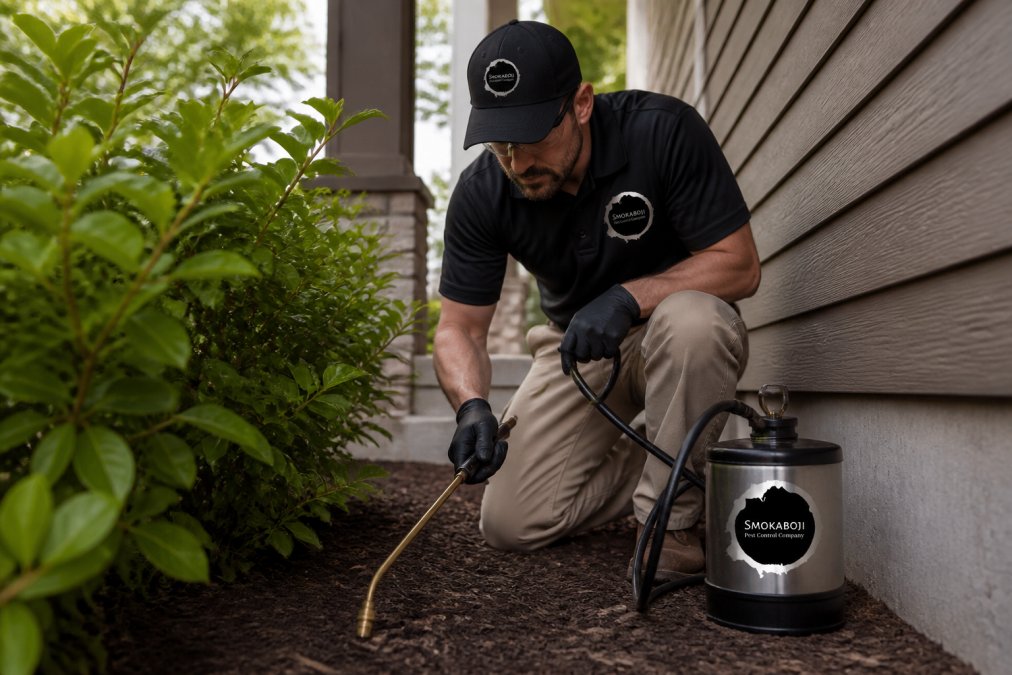
You're paying for diagnosis, targeted application, and expertise. A licensed technician identifies the specific pest species, locates entry points and harborage areas, applies treatments at the correct concentration, uses professional-grade products with higher active ingredient concentrations than consumer products, and provides follow-up visits. One-time treatments ($300 to $550) address acute infestations but offer no ongoing protection. Quarterly or monthly plans ($100 to $300 per visit) provide continuous monitoring, preventing infestations from restarting.
Benefits of Quarterly Pest Control for Long-Term Protection
Quarterly pest control creates a barrier against recurring issues before they become infestations. Rather than reacting after spotting pests, preventative maintenance stops them at the entry point. This is especially valuable in regions with seasonal pest pressure.
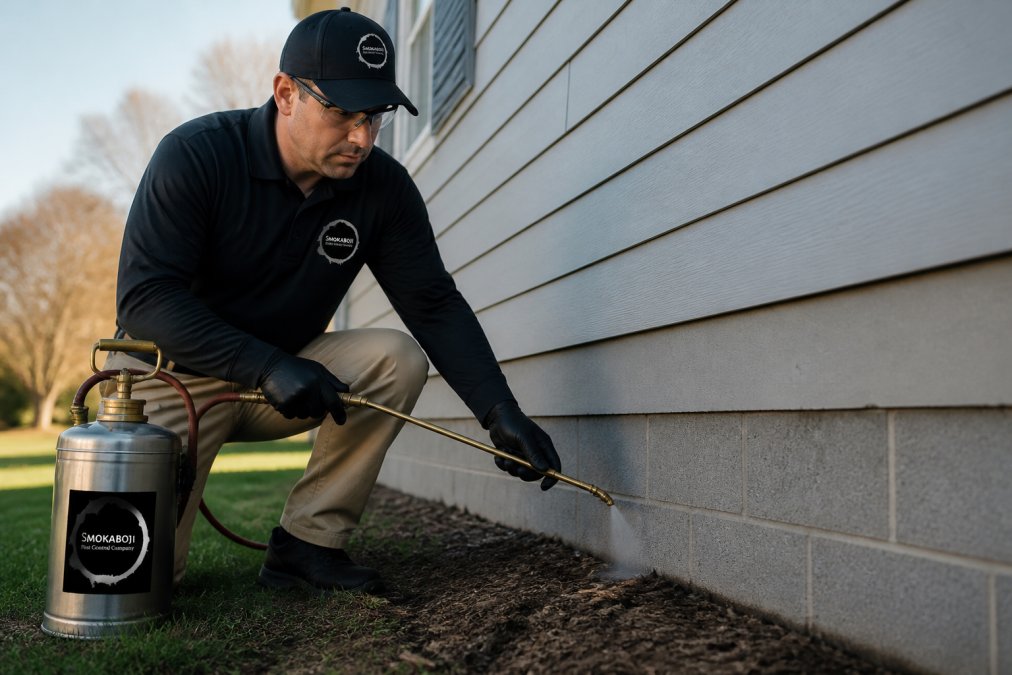
Regular treatments address pest exclusion, seal entry points, apply residual treatments, and monitor for early activity signs. A technician visits four times yearly to adjust treatment as seasons change. This catches problems when small and manageable, not after structural damage occurs.
Long-term protection also reduces allergen exposure. Pest droppings, shed skin, and decomposing insects trigger allergic reactions and respiratory issues. Eliminating the pest source eliminates the allergen source. The monitoring component ensures continuous improvement and faster response if conditions change.
Deciding whether professional pest control is worth it depends on your specific situation. Minor issues caught early might respond to DIY methods. Recurring problems, complex infestations, or properties with high pest pressure demand professional expertise. Smokaboji Pest Control's fully licensed and insured technicians, customized treatment plans, and preventative maintenance approach eliminate current infestations and provide long-term protection. Pricing depends on the specific services required. Get a quote today and stop guessing whether your pest control strategy is actually working.
Frequently Asked Questions
Does professional pest control actually work?
Yes, professional pest control is effective when applied correctly. Licensed technicians use integrated pest management strategies that combine chemical application, pest identification, and preventative measures tailored to your specific infestation. Unlike over-the-counter solutions, professionals understand pest behavior, seasonal invaders, and the residual effect needed for long-term protection. Most homeowners see results within days for active infestations and sustained control with ongoing preventative maintenance.
How do I know professional pest control is worth it versus DIY methods?
Professional pest control becomes worth it when DIY efforts fail, infestations return repeatedly, or the pest problem affects your health, property damage risk, or business operations. DIY treatments often address only visible pests, missing hidden populations. Professionals apply barrier treatments, monitor for recurring issues, and offer service contracts with guarantees. For recurring infestations like spiders around docks or seasonal rodent invasions, professional expertise prevents costly structural damage and allergen buildup that DIY spraying cannot control.
What should I look for when choosing a pest control company?
Choose a company that is fully licensed, insured, and bonded in your state. Verify they offer customized treatment plans rather than one-size-fits-all approaches, provide clear safety protocols for your family and pets, and respond promptly to service requests. Ask about their experience with your specific pest problem, whether they offer preventative maintenance plans, and if they provide service contracts with follow-up visits. Check their ratings on the Better Business Bureau and customer review sites to confirm reliability and customer satisfaction.
Is quarterly pest control necessary, or can I do it less often?
Quarterly pest control provides consistent long-term protection by addressing seasonal invaders and preventing infestations before they take hold. The frequency depends on your region, property type, and pest pressure. Rural homes and properties near water (like lake houses with spider issues) typically benefit from quarterly service. Commercial properties and rental units often require more frequent visits. A licensed technician can assess your specific situation and recommend the right application frequency to maintain structural integrity and health standards while managing costs effectively.
This article was written using GrandRanker