 ultimate-guide
Commercial Pest Management for Rentals: 2026 Guide
Table of Contents
- Understanding Commercial Pest Management for Rentals
- Tenant vs. Landlord Pest Control Responsibility
- Pest Control Lease Clause Examples and Legal Templates
- Integrated Pest Management for Property Managers
- Commercial Pest Control Cost and Budget Planning
- Common Pests in Rental Properties and Treatment Approaches
- Tenant Communication and Compliance
- Protecting Property Value Through Pest Management
Last Updated: August 12, 2026
Understanding Commercial Pest Management for Rentals
Commercial pest management for rentals addresses a critical challenge: maintaining pest-free units while managing legal obligations, tenant expectations, and budgets. Unlike residential pest control, it operates within a complex framework of lease agreements, regulatory standards, and shared responsibility between owners and tenants.
A single infestation can damage property value, trigger complaints, create health hazards, and expose landlords to legal liability. Yet many property managers respond reactively, calling an exterminator only after tenants report problems, a costly approach that takes longer and damages satisfaction.
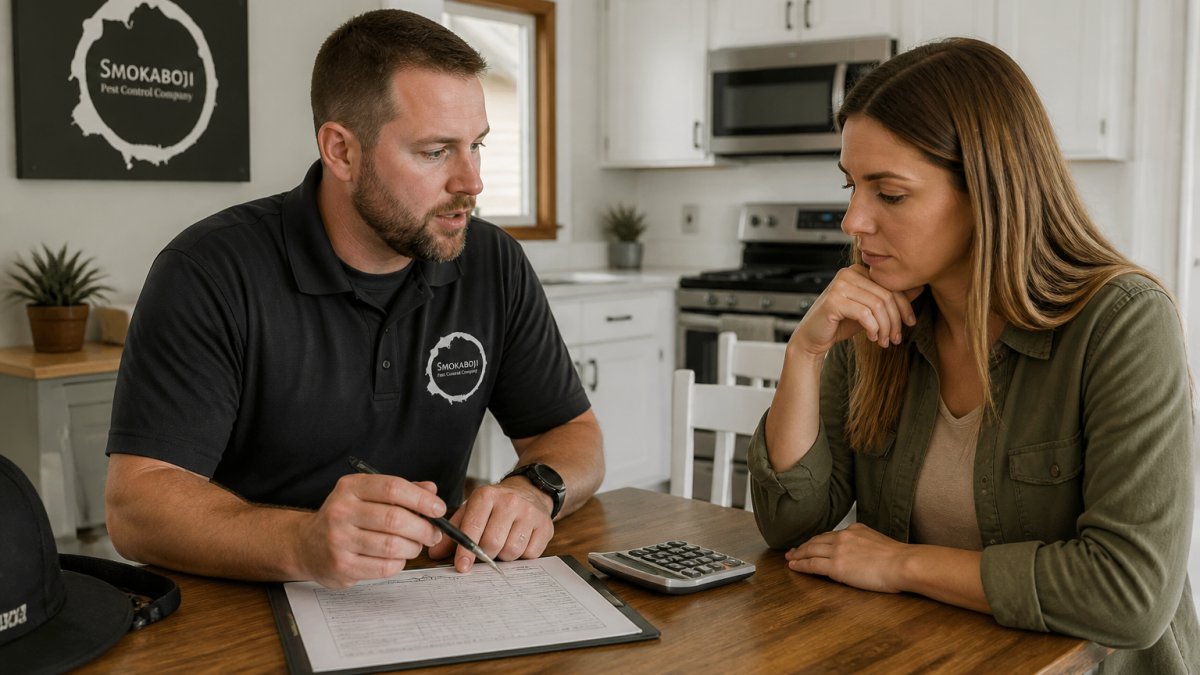
At Smokaboji Pest Control, we've worked with property managers across Northwest Iowa and Southwest Minnesota to understand what works. The most successful rental properties follow a preventative approach built into lease agreements and maintenance schedules from day one. This guide covers strategies, legal templates, and practical systems that keep rental properties pest-free while protecting your bottom line.
Tenant vs. Landlord Pest Control Responsibility
Who pays for pest control depends on the cause of infestation, local regulations, and lease language. Generally, landlords are responsible for maintaining structural integrity and addressing pest issues caused by poor building maintenance, gaps in exterior walls, or property conditions. Tenants are responsible for maintaining cleanliness, sanitation, and reporting problems promptly. However, state and local laws vary significantly, and your lease controls the actual division of responsibility.
Some states treat pest control as a habitability issue, requiring landlords to provide it. Others allow landlords to pass costs to tenants if the lease explicitly assigns that responsibility. Define pest control obligations clearly in your lease before problems arise.
A common mistake is assuming older leases cover pest control. Many lack specific language about pest management, leaving both parties uncertain when infestations occur. This ambiguity creates conflict, delays treatment, and can lead to legal disputes. Updating your lease prevents these problems and establishes clear expectations upfront.
Pest Control Lease Clause Examples and Legal Templates
Your lease agreement is your primary tool for managing pest control responsibility and costs. A well-written clause protects both parties by setting clear expectations before problems arise.
Here's a practical template you can adapt:
Pest Control and Sanitation Clause
Tenant shall maintain the rental unit in a clean and sanitary condition to prevent pest infestation. This includes prompt removal of food waste, regular garbage disposal, and notification of the Landlord within 24 hours of discovering any signs of pests (rodents, insects, bed bugs, or other wildlife).
Landlord shall be responsible for treating structural pest issues caused by building conditions, exterior entry points, or common areas. Landlord shall arrange and pay for professional pest control treatment when necessary.
Tenant shall be responsible for pest issues caused by unsanitary conditions within the unit, including failure to maintain cleanliness or report problems promptly. If pest treatment is required due to tenant negligence, Tenant may be charged for treatment costs as outlined in the lease addendum.
Both parties agree that pest prevention is essential to protecting the property and maintaining tenant health and safety. Tenant grants Landlord and licensed pest control professionals access to the rental unit for inspections and treatment with 24 hours' notice, except in emergencies.
This template addresses key elements: tenant sanitation responsibilities, landlord structural obligations, notification timelines, and access for professional treatment. Adjust it based on your state's landlord-tenant laws and specific practices.
A secondary clause should address preventative pest management:
Preventative Pest Management Clause
Landlord maintains a preventative pest management program for common areas and the exterior of the building. This program may include regular inspections, baiting systems, and exclusion work to prevent pest entry. Tenant shall cooperate with these efforts by maintaining unit cleanliness and allowing access for inspections.
Including specific language about integrated pest management (IPM) strategies, monitoring frequency, and emergency response procedures demonstrates professionalism and reduces disputes.
Integrated Pest Management for Property Managers
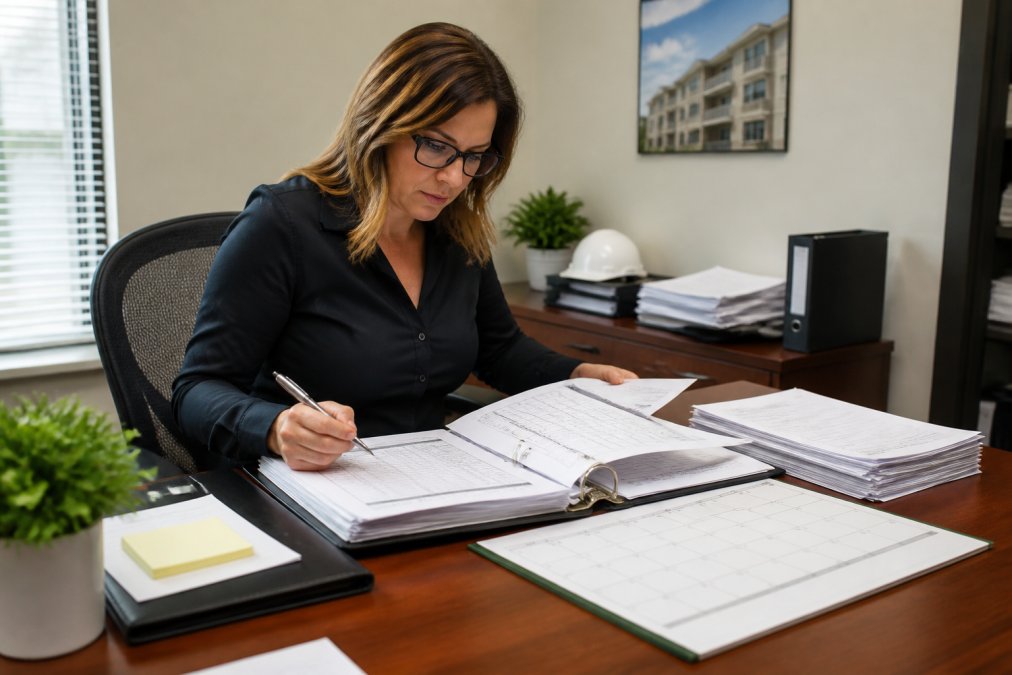
Integrated Pest Management (IPM) is a systematic approach combining monitoring, prevention, exclusion, and targeted treatment to manage pests while minimizing chemical use and cost. For rental properties, IPM is far more effective than reactive spraying because it addresses root causes.
An IPM program typically includes four core components: monitoring and detection, preventative maintenance, exclusion work, and professional treatment when necessary. Property managers implementing all four report fewer complaints, lower costs, and better tenant satisfaction.
Pest Monitoring and Early Detection
Early detection is the foundation of effective pest management. Pests multiply rapidly, so catching infestations early prevents spread and expensive treatment.
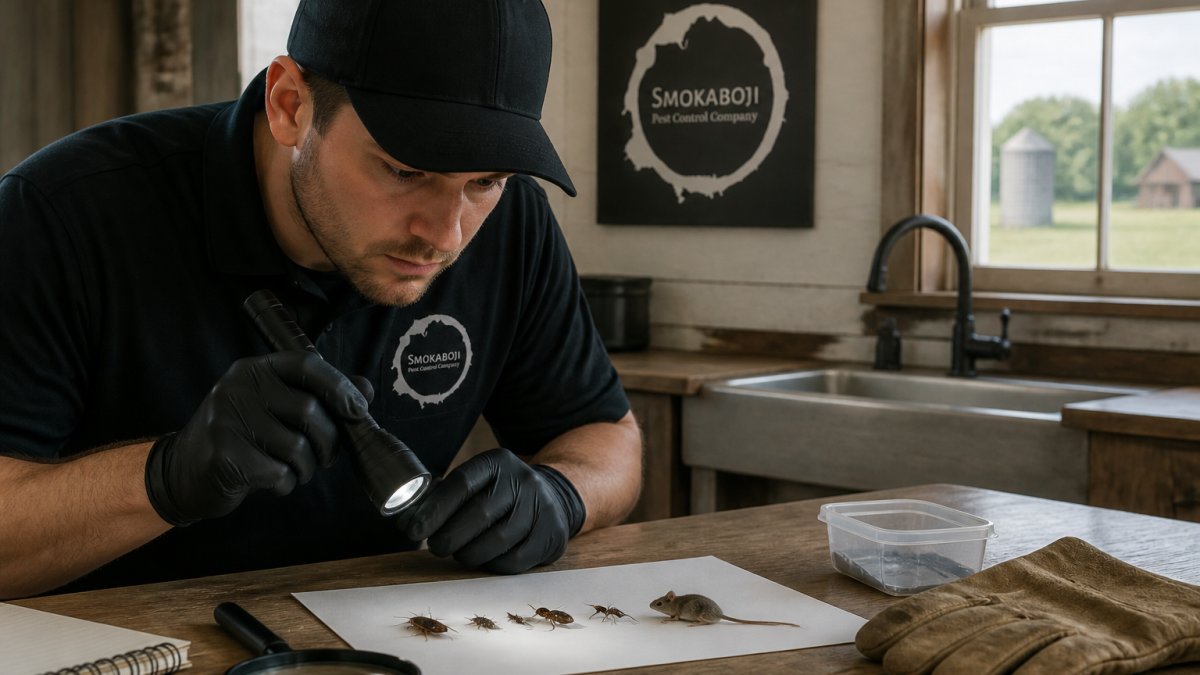
Implement regular inspections: monthly for common areas and quarterly for individual units. Train maintenance staff to recognize early signs: droppings, damaged food packaging, dead insects, musty odors, or entry points. Document findings in a pest monitoring log.
Monitoring devices like sticky traps, rodent bait stations, and pheromone monitors provide objective data about pest activity. Place them in high-risk areas: kitchens, bathrooms, basements, storage areas, and along exterior walls.
Encourage tenants to report pest sightings immediately by including a clear reporting process in your lease. Respond within 24 hours to prevent minor issues from escalating.
Preventative Maintenance and Exclusion
Exclusion, sealing entry points and removing conditions that attract pests, is the most cost-effective prevention strategy. Once pests are inside, they're expensive to eliminate.
Common entry points include gaps around pipes and utilities, foundation cracks, gaps under doors, damaged weatherstripping, and openings around air conditioning units. Seal cracks with caulk, install door sweeps, repair weatherstripping, and screen openings. This work typically costs less than a single professional treatment but prevents months of infestations.
Sanitation is equally important. Eliminate food, water, and shelter by maintaining clean common areas, securing garbage in sealed containers, fixing water leaks promptly, and removing clutter. In multi-family properties, keep dumpster areas away from building entrances and clean. Educate tenants about sanitation through your lease and periodic reminders.
Landscaping matters too. Trim vegetation away from building exteriors, remove dead leaves from gutters, and avoid mulch directly against foundations. Proper drainage prevents standing water, which attracts insects and rodents.
Commercial Pest Control Cost and Budget Planning
Pest control costs vary based on property size, pest type, infestation severity, and treatment frequency. Understanding cost drivers helps you budget effectively.
Preventative maintenance and exclusion have upfront costs but prevent expensive infestations later. A one-time caulking project might cost several hundred dollars but prevents rodent and insect entry for years. Reactive treatment after infestation is more expensive because infestations are larger and require multiple visits.
For multi-family properties, a quarterly preventative program is typically more cost-effective than per-treatment rates. This provides regular monitoring, early detection, and scheduled treatments that keep costs predictable.
Factor in inspections, monitoring devices, exclusion materials, and periodic treatments. Also account for tenant communication, educating tenants about sanitation reduces infestation likelihood.
Consider long-term financial impact. An untreated bed bug infestation spreads to multiple units, requiring expensive treatment for each and creating liability. A rodent infestation causes structural damage to wiring, insulation, and framing costing thousands to repair. Preventative spending protects property value.
Common Pests in Rental Properties and Treatment Approaches
Different properties face different pest pressures depending on location, age, and tenant density. Understanding common pests and treatment approaches helps you respond effectively.
Rodent Control and Prevention
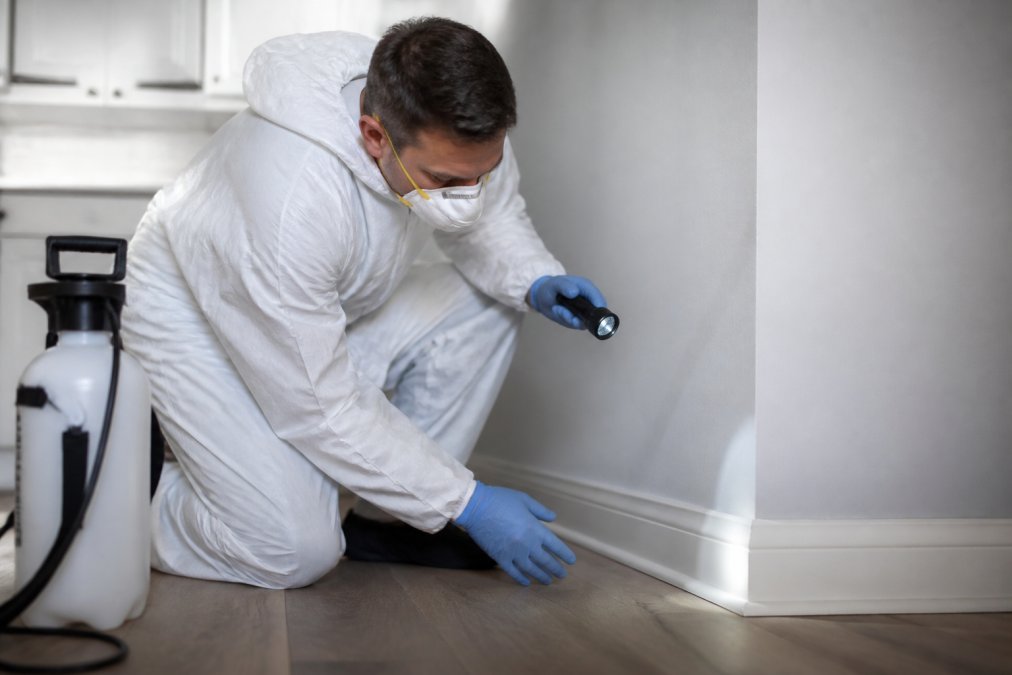
Rodents are among the most common pests in rental properties, especially in older buildings or properties near agricultural areas. They cause structural damage, contaminate food, and create health hazards.
Rodent prevention focuses on exclusion and sanitation. Seal gaps larger than a dime where rodents enter. Install door sweeps, repair gaps around pipes and utilities, and ensure vents have proper screening. Inside units, secure trash in sealed containers and store food in airtight containers.
Once rodents are present, treatment requires a multi-pronged approach. Baiting systems using rodenticide bait stations are effective but must be placed away from children and pets. Trapping with snap traps or electronic traps provides quick results. Professional pest control combines monitoring, baiting, trapping, and exclusion to eliminate populations and prevent reinfestation.
In multi-family buildings, rodent infestations can spread quickly across units. Address problems aggressively and monitor neighboring units closely.
Bed Bug Mitigation Strategies
Bed bugs are a growing problem in rental properties because they spread easily between units and are difficult to eliminate. They don't indicate poor sanitation, they infest clean properties as readily as dirty ones, but require professional treatment and careful management.
Prevention includes educating tenants about signs of infestation (small red bites, dark spots on bedding, musty odors) and encouraging immediate reporting. Inspect units during turnover and when tenants report bites.
Treatment requires a comprehensive approach combining inspection, heat treatment or chemical treatment, and follow-up monitoring. Heat treatment, raising temperature to 118°F or higher for several hours, kills bed bugs at all life stages but requires special equipment. Chemical treatment uses targeted pesticides in areas where bed bugs hide: mattress seams, baseboards, furniture crevices, and wall voids.
Coordinate treatment across multiple units and common areas simultaneously. Follow-up inspections at 2-4 week intervals confirm elimination and prevent reinfestation.
Cockroach Elimination and Sanitation
Cockroaches thrive in rental properties, especially multi-family buildings where sanitation varies and pest control is inconsistent. They reproduce rapidly, contaminate surfaces, and trigger allergic reactions.
Prevention focuses on sanitation and exclusion. Eliminate food sources by keeping kitchens clean, securing trash, and removing grease. Fix water leaks and remove standing water. Seal cracks and gaps where cockroaches hide and travel between units.
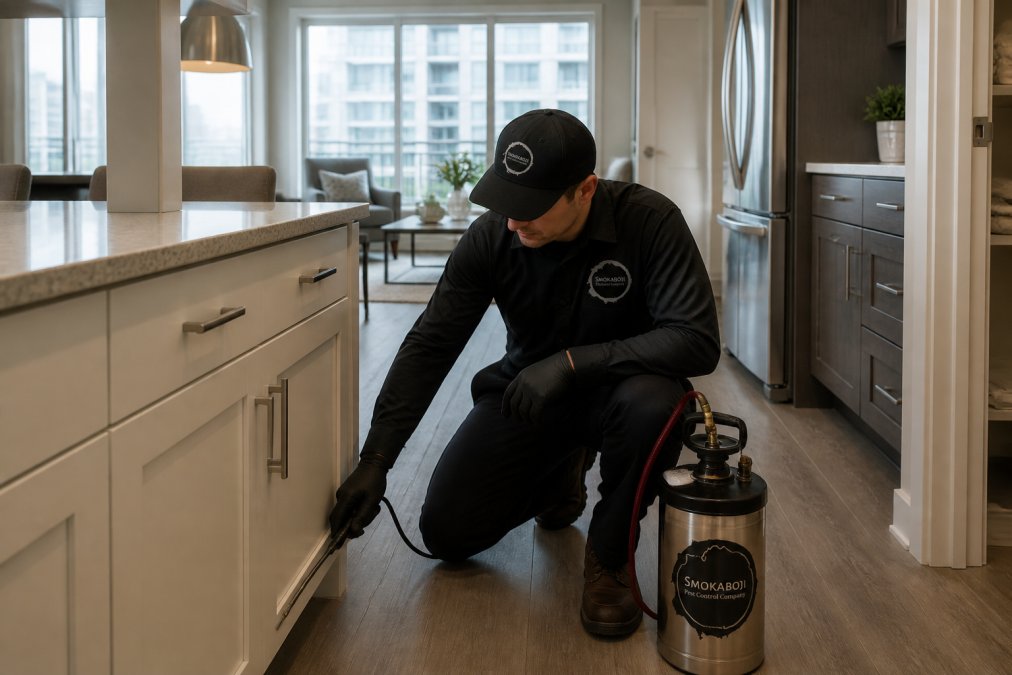
Treatment combines baiting, insecticide applications, and monitoring. Gel baits placed in kitchens and bathrooms are highly effective. Insecticide sprays target baseboards, under sinks, and behind appliances. Monitoring traps track treatment effectiveness and detect reinfestation.
In multi-family properties, coordinate treatment across multiple units to eliminate entire populations rather than treating units in isolation.
Tenant Communication and Compliance
Effective pest management requires clear communication about tenant responsibilities, treatment plans, and what to expect during inspections and professional visits.
Provide written information about pest prevention at lease signing and annually thereafter. Explain proper sanitation, how to report problems, and what to expect during professional visits. Clear communication encourages cooperation.
When problems arise, notify affected tenants promptly about the issue, treatment plan, and timeline. Explain what pesticides or methods will be used, precautions they need to take, and when resolution should occur. Tenants who understand the plan cooperate more fully.
Document all communications about pest issues. Keep records of when tenants reported problems, observations, treatments applied, and follow-up results. This protects you legally and provides data to improve your program.
For bed bug infestations, tenant compliance is critical. Clearly communicate that professional treatment is required, explain why self-treatment fails, and establish consequences for non-compliance.
Protecting Property Value Through Pest Management
Pest infestations reduce property value, increase vacancy rates, and damage reputation. A single negative review mentioning pests deters prospective tenants and reduces income.
Conversely, a reputation for pest-free properties attracts quality tenants, justifies higher rent, and reduces turnover. Marketing your pest management program to prospective tenants becomes a competitive advantage.
Insurance companies view pest management favorably. Properties with documented prevention programs may qualify for lower premiums due to reduced risk.
Document pest management efforts systematically. Maintain records of inspections, monitoring results, treatments, and preventative maintenance. This demonstrates due diligence if disputes arise.
When selling or refinancing, pest management records add value. Buyers and lenders view properties with documented programs as lower-risk investments.
Pest management in rental properties is fundamentally about prevention, communication, and systematic monitoring. The most successful property managers treat pest control as an ongoing investment in property protection rather than emergency response. Smokaboji Pest Control has helped property managers across Northwest Iowa and Southwest Minnesota develop comprehensive programs that keep properties pest-free while protecting tenant satisfaction and property value. Our licensed technicians provide inspections, monitoring, preventative treatments, and emergency response, allowing you to focus on managing properties while we handle the pests. Contact us for a customized pest management plan tailored to your rental properties and budget.
Frequently Asked Questions
Who is legally responsible for pest control in a commercial lease?
Responsibility depends on the lease agreement and local regulations. Most commercial leases assign pest control to the landlord, though some require tenants to maintain sanitation standards that prevent infestations. Your lease should explicitly state which party handles treatment costs and routine maintenance. Including specific pest control clauses protects both parties and prevents disputes. Consult your lease document and consider adding detailed pest management responsibilities if they're unclear.
What should be included in a pest control lease clause?
Effective pest control lease clauses specify: who pays for treatments, service frequency requirements, pest types covered, notification procedures, and tenant access rules. Include language about preventative maintenance responsibilities, emergency response protocols, and pest identification procedures. Define what constitutes a reportable infestation and establish timelines for treatment. Consider adding provisions for tenant cooperation with inspections and for maintaining sanitation standards. A well-drafted clause prevents misunderstandings and protects property value.
How much does commercial pest control typically cost?
Commercial pest control pricing varies based on property size, pest type, treatment frequency, and service scope. Preventative maintenance contracts generally cost less than reactive treatments for active infestations. Factors affecting cost include structural complexity, number of units, and whether integrated pest management or chemical-intensive approaches are used. Rather than guessing at costs, contact Smokaboji Pest Control for a customized quote based on your specific rental property needs and treatment goals.
What is an Integrated Pest Management plan for rental properties?
Integrated Pest Management (IPM) combines monitoring, exclusion, sanitation, and targeted treatments to prevent infestations rather than just reacting to them. An IPM plan for rentals includes regular inspections, sealing structural gaps, managing waste and food sources, and using pesticides only when necessary. This approach reduces chemical use, lowers long-term costs, and improves tenant satisfaction. Property managers benefit from fewer emergency calls and reduced liability. Smokaboji Pest Control can develop a customized IPM strategy tailored to your rental properties' unique risks.
How often should commercial rental properties be inspected for pests?
Most rental properties benefit from quarterly pest inspections as part of preventative maintenance, with more frequent visits during high-risk seasons. Multi-family housing and properties with previous infestation history may need monthly monitoring. Inspections should include interior units, common areas, structural vulnerabilities, and exterior perimeters. Regular inspections catch problems early, reducing treatment costs and tenant complaints. The frequency depends on property type, location, and pest pressure. Smokaboji Pest Control can recommend an inspection schedule based on your specific property and local pest risks.
What are the most common pests found in commercial rental buildings?
Rental properties commonly face rodent infestations, cockroaches, bed bugs, and spiders. Rodents cause structural damage and health risks; cockroaches thrive in multi-family housing with shared walls; bed bugs spread between units and damage tenant satisfaction; spiders, while less damaging, concern tenants. Each pest requires different prevention and treatment strategies. High-density housing like apartments and condos faces elevated risks due to shared infrastructure. Understanding which pests threaten your specific property type helps prioritize prevention and treatment efforts.
Is commercial pest management worth the investment for rental properties?
Yes. Professional pest management protects property value, reduces tenant turnover, minimizes liability, and prevents costly structural damage. Preventative contracts cost far less than emergency treatments or property damage repairs. Infestations damage tenant satisfaction, trigger vacancies, and expose landlords to legal claims. Regular pest management maintains regulatory compliance and preserves building integrity. The investment in professional services pays dividends through lower vacancy rates, reduced emergency calls, and avoided property damage, making it essential for protecting your rental investment.
This article was written using GrandRanker