 ultimate-guide
Commercial Pest Control for Property Managers
Table of Contents
- Why Commercial Pest Control Matters for Property Managers
- Integrated Pest Management for Property Managers
- Commercial Pest Control Contract Checklist
- How to Handle Tenant Pest Complaints
Last Updated: August 17, 2026
Why Commercial Pest Control Matters for Property Managers
Property managers face a constant battle. Tenants complain about pest sightings. Infestations damage property value. Health code violations threaten your operating license. A single bed bug or rodent problem can spiral into legal liability, tenant turnover, and costly remediation.
Commercial pest control for property managers isn't a luxury, it's a business necessity. The difference between reactive pest management and proactive prevention can mean thousands of dollars in property damage, tenant retention, and regulatory compliance. At Smokaboji Pest Control, we've worked with property managers across the region who discovered that a structured pest control program eliminates most problems before tenants ever see them.
The real cost of ignoring pest issues extends beyond the immediate infestation. Preventative maintenance programs reduce emergency calls, lower treatment costs, and protect your reputation. Tenants stay longer when they feel their living environment is well-maintained. Property values hold steady when inspectors find no evidence of pest activity.
Integrated Pest Management for Property Managers
Integrated Pest Management (IPM) is a systematic approach that combines monitoring, prevention, and targeted treatment to manage pests while minimizing environmental and health risks. For property managers, IPM means fewer chemical applications, lower costs, and better long-term results than spray-and-pray approaches.
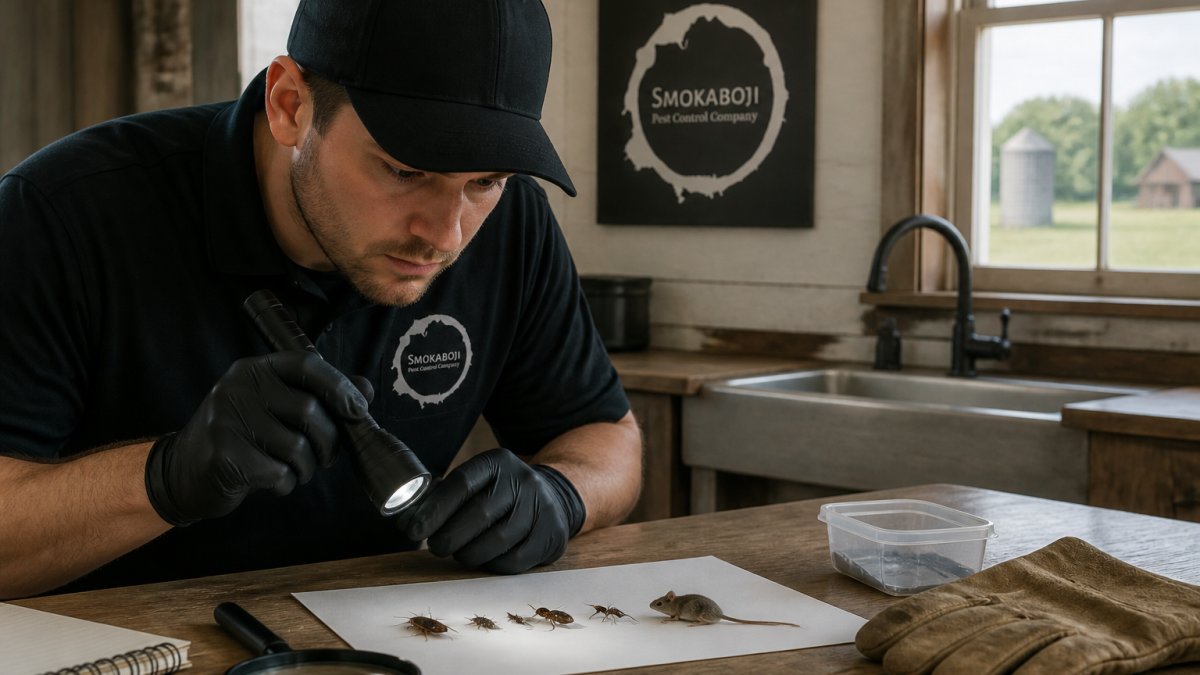
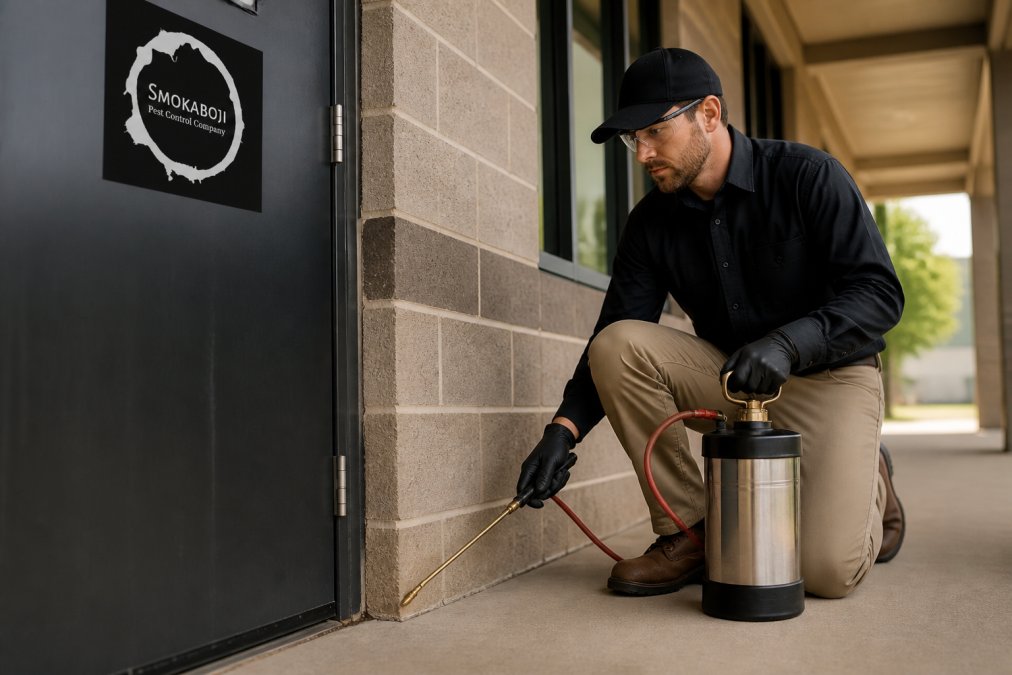
The IPM framework works in layers. First comes exclusion, sealing entry points, repairing foundation cracks, and securing doors and windows. Second is sanitation, removing food sources, managing waste, and eliminating standing water. Third is monitoring, regular inspections that catch infestations early. Only when these preventative measures prove insufficient does targeted treatment enter the picture.
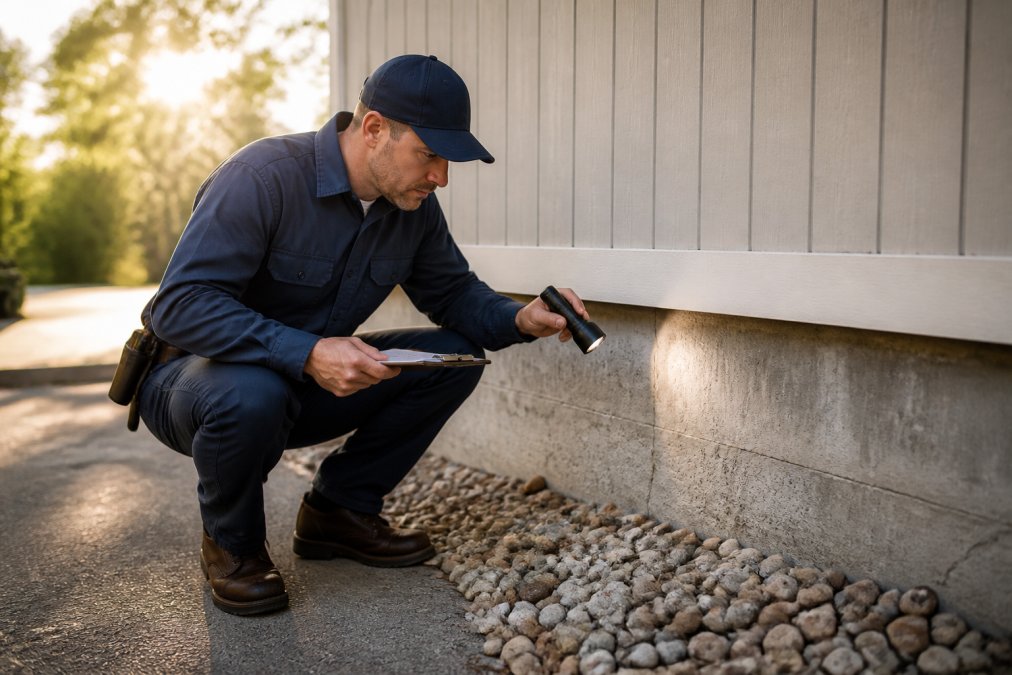
Property managers who implement IPM see fewer tenant complaints about rodents, spiders, cockroaches, and other common pests. The approach addresses root causes rather than symptoms. A structural gap that lets rodents enter gets sealed. A damp basement that attracts moisture-loving insects gets addressed. These fixes stick around, they don't need repeating every month.
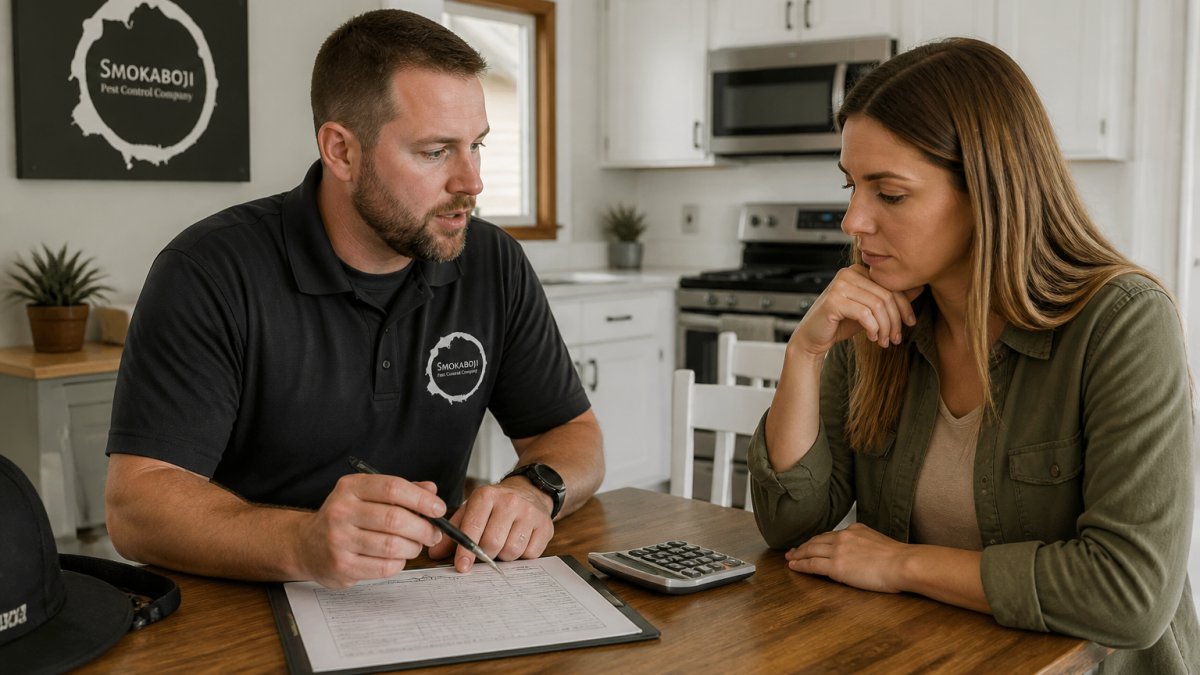
The key difference between IPM and standard pest control is accountability. IPM providers document what they find, what they fix, and what they recommend next. You get a paper trail showing exactly what work was completed and why. This documentation protects you if a tenant dispute arises or a health inspector asks questions.
Commercial Pest Control Contract Checklist
Your pest control contract is a legal document that defines expectations, protects you from liability, and establishes performance standards. A weak contract leads to missed service calls, unclear billing, and disputes when results don't materialize.
Before signing any commercial pest control agreement, verify these elements:
- Service scope: Does it cover the specific pests you're dealing with (rodents, spiders, cockroaches, bed bugs)? Does it include common areas, individual units, or both?
- Service frequency: How often will the vendor inspect and treat? Weekly, bi-weekly, monthly? Is it consistent year-round or seasonal?
- Response time for emergencies: What happens when a tenant reports a bed bug or active infestation? Can they respond same-day or next-day?
- Vendor accountability: Who is responsible if treatment fails? Does the contract include a warranty or guarantee period?
- Documentation requirements: Will they provide written reports of every visit, including photos, findings, and recommendations?
- Pricing structure: Is it a flat monthly fee or itemized per treatment? Are emergency calls included or billed separately?
- Insurance and licensing: Are they fully licensed, insured, and bonded? Can they provide proof?
- Exclusion and prevention work: Does the contract specify structural repairs, sealing, and preventative measures, or only reactive spraying?
- Tenant communication: Who notifies tenants about treatments? What advance notice is required?
- Termination clause: How much notice do you need to cancel if service is poor?
A strong contract protects both parties. It sets clear expectations so you're not blindsided by unexpected costs or service gaps. It also gives you use if the vendor underperforms, you have documented standards they're not meeting.
How to Handle Tenant Pest Complaints
Tenant complaints about pests are inevitable. How you respond determines whether the problem gets resolved or escalates into legal action and negative reviews.
The moment a tenant reports a pest issue, document everything. Record the date, time, pest type, location, and severity of the complaint. This creates a record showing you took action. If a health inspector or attorney later asks questions, you have proof of your response.
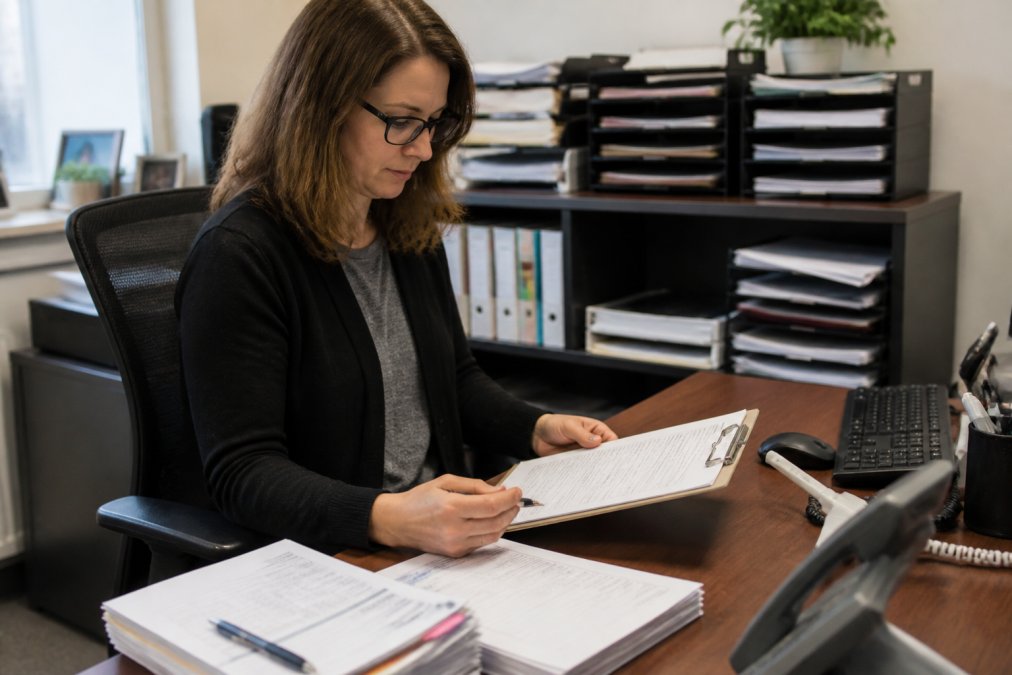
Contact your pest control vendor immediately. Don't wait for the next scheduled service. A same-day or next-day inspection shows tenants you take their complaint seriously. It also prevents the infestation from spreading to other units. Smokaboji Pest Control's on-call availability means urgent issues get addressed quickly, not weeks later.
Communicate with the tenant about what you've done. Let them know the pest control vendor is coming, when they'll arrive, and what the inspection will cover. Set expectations about treatment timelines and follow-up visits. Tenants who feel informed are less likely to escalate complaints or leave negative reviews.
After treatment, follow up with the tenant. Ask if they've seen additional pest activity. Schedule a follow-up inspection in 7-10 days to confirm the treatment worked. This shows diligence and gives you documentation that the problem was resolved.
Keep records of all pest complaints and resolutions. This protects you if a tenant later claims negligence or if you need to justify pest control costs to ownership. It also helps you identify patterns, if one unit has recurring problems, there's likely a structural or sanitation issue that needs fixing.
Property managers who take commercial pest control seriously protect their properties, retain tenants, and avoid regulatory headaches. The best approach combines preventative maintenance, clear vendor contracts, and responsive communication. Smokaboji Pest Control's customized treatment plans and fully licensed technicians provide the reliability and documentation you need to keep properties pest-free and compliant. Contact Smokaboji Pest Control today for a property inspection and a customized pest management plan tailored to your specific needs.
Frequently Asked Questions
What should be included in a commercial pest control contract?
A strong commercial pest control contract should specify service frequency, response times for emergency calls, treatment methods used, pest identification and monitoring protocols, liability coverage, and performance guarantees. Include clear expectations for documentation of all treatments, proof of compliance with health codes, and how tenant complaints will be handled. Define who is responsible for sanitation protocols and structural repairs needed for exclusion. Ensure the contract covers your entire property portfolio and outlines billing procedures for multi-property accounts.
How can property managers proactively prevent pest infestations?
Proactive prevention starts with exclusion services: seal cracks, gaps, and entry points around foundations, pipes, and utility lines. Implement sanitation protocols in common areas and dumpster locations. Schedule regular pest monitoring and inspections, not just reactive treatments. Partner with a pest control provider that offers annual service contracts with preventative maintenance visits. Educate tenants about reporting early signs of pest activity. Maintain detailed pest activity logs to identify patterns and address problems before infestations spread. Work with your contractor to develop customized treatment plans specific to your property type and location.
Is commercial pest control worth the investment for rental properties?
Yes. The cost of pest control is far lower than the cost of tenant turnover, property damage, or health code violations. A single bed bug infestation or rodent problem can force costly remediation, damage your reputation, and expose you to liability claims. Regular commercial pest control protects property value, ensures regulatory compliance, and improves tenant satisfaction and retention. Emergency extermination after an infestation spreads is significantly more expensive than preventative maintenance. Investing in a reliable service with strong accountability means fewer emergency calls and more predictable costs.
How often should commercial properties be inspected for pests?
Most commercial properties benefit from monthly or quarterly pest monitoring as part of an integrated pest management plan. High-risk areas like kitchens, storage rooms, and exterior perimeters need more frequent checks. Multi-family housing and properties with a history of pest issues may require bi-weekly inspections. Your pest control contractor should recommend a schedule based on property type, local pest activity, and seasonal risks. Document every inspection in pest activity logs to track trends and demonstrate compliance with health codes. More frequent monitoring catches problems early, preventing costly infestations.
This article was written using GrandRanker