 listicle
Best Pest Control for Lake Houses: 7 Proven Solutions
Table of Contents
- Common Lake House Pests and Why They're Harder to Control
- How to Get Rid of Waterbugs: Identification and Treatment
- 1. Professional Pest Control Services for Lake Houses
- 2. Automated Spider Misting Systems for Docks
- 3. Mosquito Traps for Large Outdoor Areas
- 4. Eco-Friendly Pest Control for Waterfront Homes
- 5. Chemical Treatments and Perimeter Defense
- 6. DIY Pest Prevention and Maintenance
Last Updated: August 10, 2026
Common Lake House Pests and Why They're Harder to Control
Waterfront properties face unique pest challenges that inland homes rarely encounter. Lake house owners battle moisture-loving insects that thrive in damp environments created by proximity to water. The combination of high humidity, standing water sources, and structural vulnerabilities specific to docks and shorelines creates ideal breeding grounds for mosquitoes, spiders, waterbugs, and other aquatic insects.
Unlike suburban homes where you can seal entry points and control moisture indoors, waterfront properties battle the ecosystem itself. Water attracts insects at every life stage, adults seeking humidity, larvae breeding in standing water, and pupae hiding in dock crevices. Standard pest control methods fail because they don't account for the relentless replenishment of pests migrating from the water.
Moisture-Loving Pests Unique to Waterfront Properties
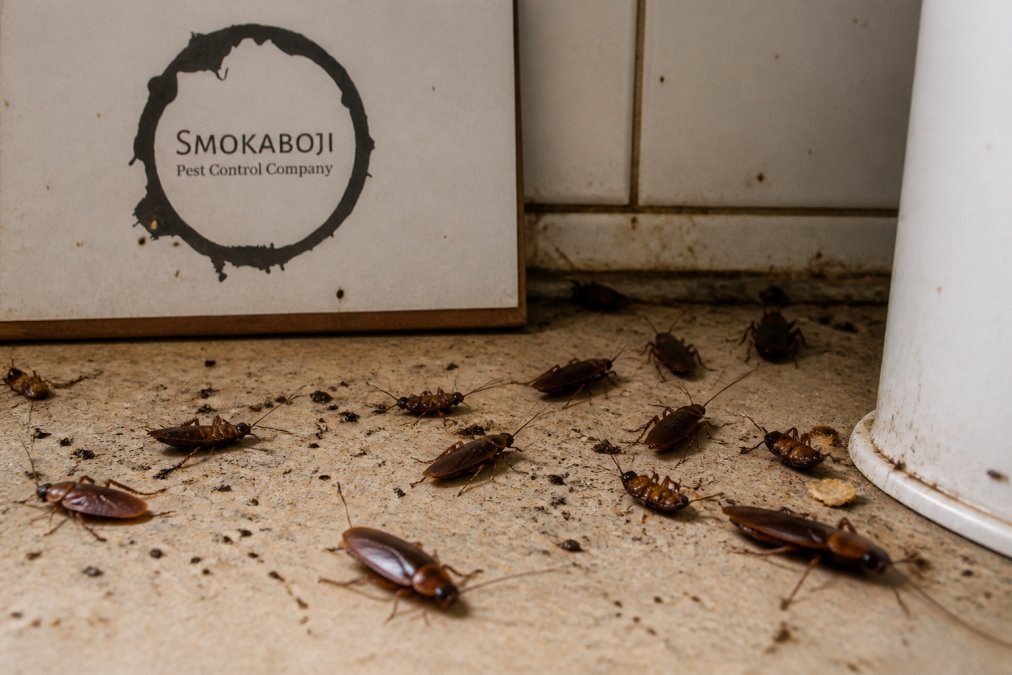
Waterbugs, also called aquatic cockroaches, are the signature pest of lake houses. These dark brown insects grow to 1.5 inches and hide under dock boards, in boat storage areas, and around foundation cracks where humidity stays high. Unlike indoor cockroaches, waterbugs spend part of their lifecycle in water and return to it regularly, making them nearly impossible to eliminate without addressing the water source itself.
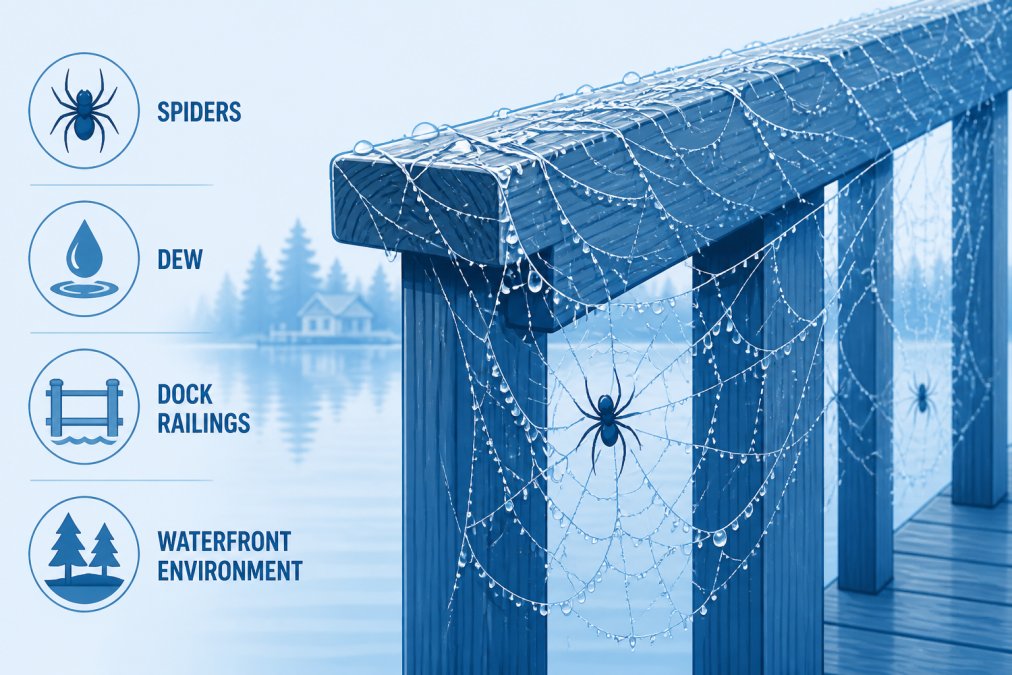
Spiders thrive on docks because they're hunting grounds for mosquitoes, gnats, and other flying insects. A single dock can host hundreds of spiders within weeks, with populations peaking through fall.
Mosquitoes breed in any standing water, bird baths, clogged gutters, boat covers, or shallow areas near shore. A single female lays hundreds of eggs, and in warm months, new generations emerge every 7-10 days. Proximity to the lake means constant influx from the water itself.
Seasonal Migration and Peak Infestation Periods
Spring thaw brings waterbugs and spiders out of dormancy. April through June marks the first major infestation window as pests emerge hungry and ready to reproduce. Summer intensifies everything, heat accelerates insect lifecycles, humidity peaks, and water activity brings more aquatic insects to shore.
Fall is deceptive. As temperatures drop, pests don't disappear; they migrate indoors seeking warmth and shelter. A lake house left unprotected in September becomes a refuge for spiders, waterbugs, and mice. This seasonal shift is why preventative treatment in late summer matters, you're blocking entry before the migration surge hits.
Winter provides temporary relief. Pests overwinter in protected spaces: dock storage, crawl spaces, boat houses, and wall voids. Any gap in your pest control plan during winter means reinfestation in spring.
How to Get Rid of Waterbugs: Identification and Treatment
Waterbugs are the pest that defines lake house pest control challenges. They're larger and darker than German cockroaches, with a flattened body and long antennae. Unlike indoor roaches, they're solitary hunters that hide individually in cracks and near water sources.
Why Waterbugs Thrive Near Lakes and Docks
Waterbugs are semi-aquatic. They breathe air but require constant access to moisture and spend portions of their lifecycle in water. This dual nature makes them nearly impossible to eliminate using standard indoor cockroach methods. Gel baits work temporarily, but they don't address the root problem: the insect's ability to retreat to water and return.
The dock environment is perfect for waterbugs. Wooden boards absorb moisture, creating humidity pockets underneath. Gaps between boards offer hiding spaces. Even if you eliminate every waterbug on your property, new ones migrate from the lake within days.
Professional vs. DIY Waterbug Elimination
DIY approaches, gel baits, sprays, traps, address visible waterbugs but fail to prevent reinfestation.
Professional pest control for lake houses uses perimeter defense strategies. Technicians apply barrier sprays around dock posts, foundation edges, and entry points, creating a chemical boundary that kills waterbugs on contact and provides residual protection. They also identify and seal structural gaps where waterbugs hide, reducing harborage. This dual-action method prevents the rapid reinfestation that frustrates DIY attempts.
Smokaboji Pest Control's approach combines immediate elimination with preventative sealing. Their fully licensed technicians identify dock-specific vulnerabilities, gaps in boards, cracks in concrete, areas where water seeps, and address them alongside chemical treatment.
1. Professional Pest Control Services for Lake Houses
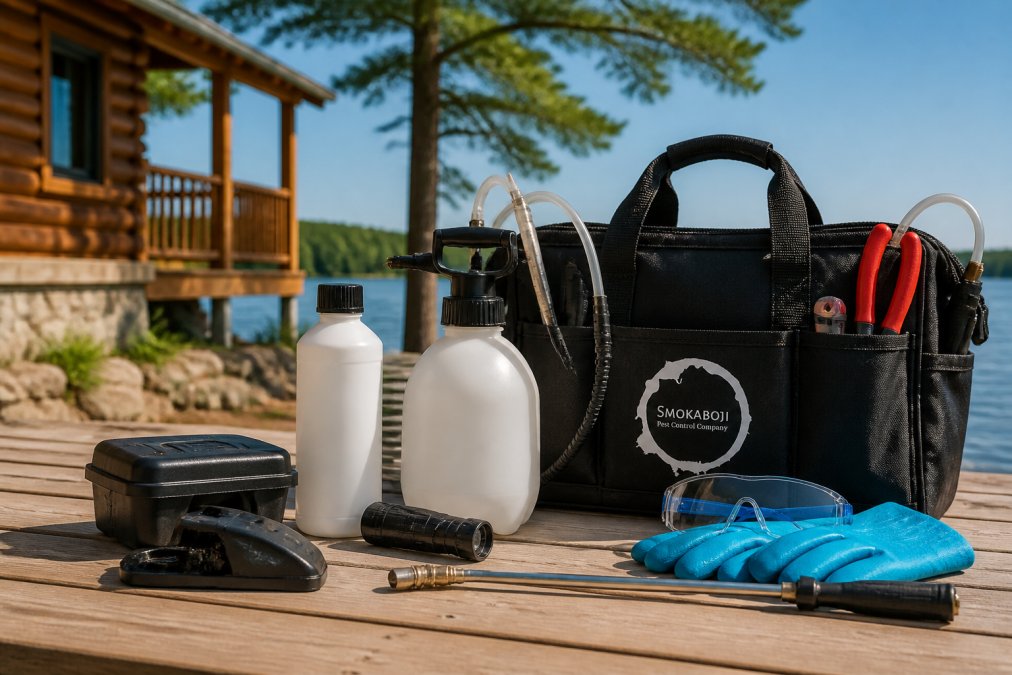
Professional pest control is the gold standard for lake house owners dealing with recurring infestations. Licensed technicians understand how waterfront environments amplify pest problems and have the tools, chemicals, and expertise to address them systematically.
Smokaboji Pest Control specializes in the exact conditions that define lake house pest problems: high moisture, dock structures, and seasonal migration patterns. They don't apply generic treatments; they customize plans based on your property's specific vulnerabilities.
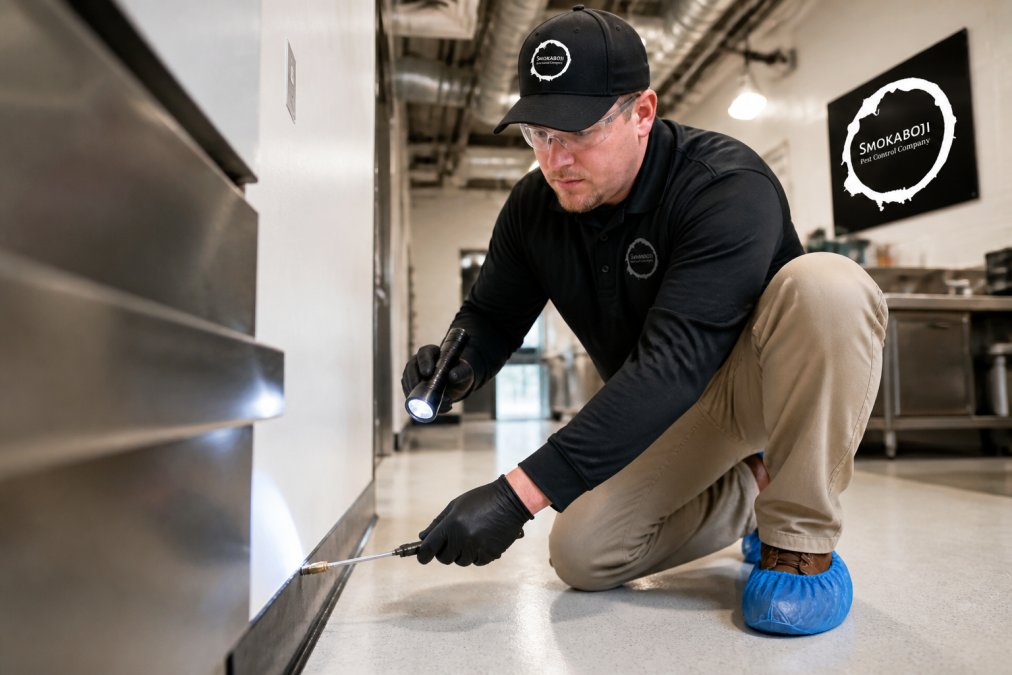
What separates professional service from DIY is the diagnostic layer. Technicians inspect your dock, foundation, boat storage, and shoreline areas to identify where pests are entering, hiding, and breeding. They spot moisture problems you'd miss and standing water sources silently breeding mosquitoes. Once diagnosed, they apply targeted treatments and preventative measures that address the root cause.
Smokaboji's preventative maintenance plans are particularly valuable for lake houses. Rather than calling only when you see waterbugs or spiders, you're on a scheduled treatment cycle that targets pests before populations explode. Spring treatments prevent the seasonal surge. Fall treatments block the indoor migration. Summer treatments maintain the barrier when pest pressure peaks.
2. Automated Spider Misting Systems for Docks
Automated spider misting systems represent a targeted solution to one of the most visible and frustrating lake house pest problems. These systems dispense insecticide automatically on a schedule, typically overnight when spider activity is highest.
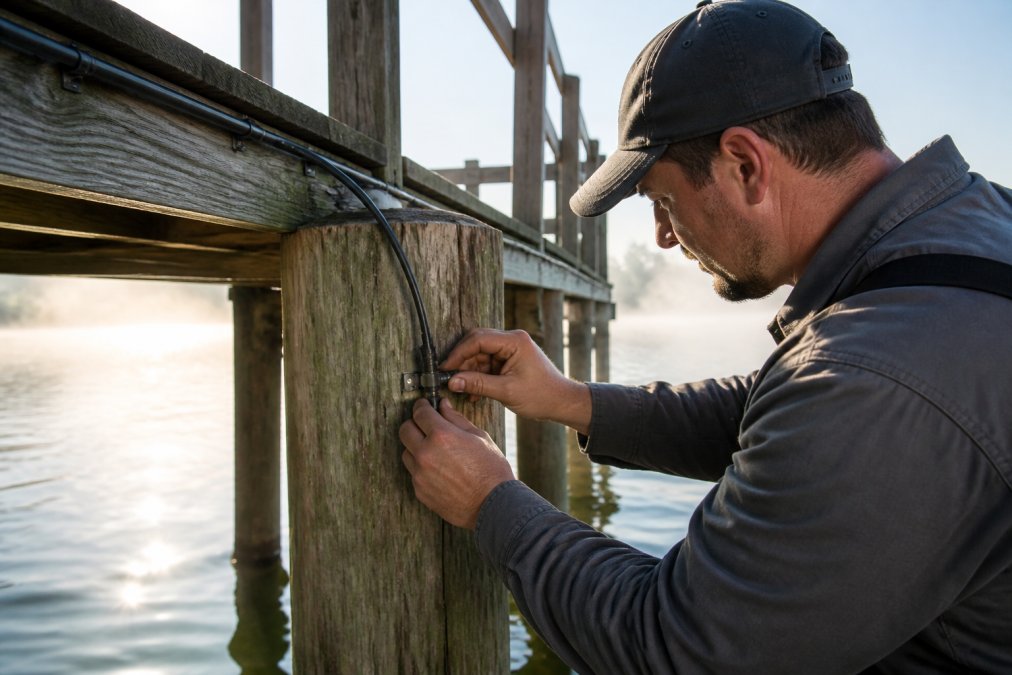
Nozzles are strategically positioned where spiders travel and build webs, along railings and under eaves. The system runs on a timer, dispensing a fine mist that kills spiders on contact and provides residual protection. Unlike manual spraying, automated systems deliver consistent coverage every night.
The advantage for lake house owners is aesthetic and practical. Spiders are eliminated before they can establish massive webs. The dock remains clean and usable. Boat covers don't get covered in spider droppings.
Installation requires professional setup to ensure nozzles are positioned correctly. Ongoing service includes refilling the insecticide reservoir and adjusting the schedule seasonally. The system works best as part of a comprehensive pest control plan, not as a standalone solution.
3. Mosquito Traps for Large Outdoor Areas
Mosquito Magnet traps attract and trap mosquitoes using CO2, heat, and moisture that mimic mammals. The trapped mosquitoes are sucked into a net by a fan, where they dehydrate and die.
These traps are effective for large outdoor areas, yards, and docks where chemical spraying isn't practical. A single trap covers up to 1 acre, making them ideal for lake house properties. The American Mosquito Control Association recognizes these traps as a legitimate control method for high mosquito populations.
The tradeoff is upfront cost and ongoing maintenance. A quality mosquito trap costs several hundred dollars and requires propane refills and attractant cartridges. The trap must run continuously during mosquito season to maintain effectiveness.
Mosquito traps work best as part of a layered approach. Use them to reduce the overall mosquito population while also treating standing water with biological larvicides and maintaining perimeter defenses.
4. Eco-Friendly Pest Control for Waterfront Homes
Waterfront properties require extra caution with chemical treatments because runoff can affect water quality. Eco-friendly solutions address this concern while still providing meaningful pest control.
Natural Insecticides Safe for Water Quality
Wondercide Outdoor Pest Control and Essentria IC3 are plant-based insecticides that kill mosquitoes and spiders on contact without the toxicity of synthetic chemicals. Both use essential oils as active ingredients, making them safer for use near water and around families with children or pets.
Wondercide is applied with a garden hose, covering grass and outdoor areas. It provides a 2-3 week protective window before reapplication is needed. The cost is modest, around $38 for a 32-ounce concentrate that covers 5,000 square feet.
Essentria IC3 is a concentrate mixed with water and applied as a barrier spray. The natural formula makes it suitable for areas adjacent to the lake, reducing concerns about chemical runoff.
Both products require more frequent reapplication than synthetic chemicals. Summer mosquito pressure may demand applications every 2-3 weeks, whereas chemical barriers might last 4-6 weeks.
Biological Larvicides and Habitat Modification
Mosquito Dunks and Mosquito Bits target mosquito larvae in standing water before they develop into biting adults. These products contain Bt-israelensis, a naturally occurring bacterium that's toxic to mosquito larvae but safe for fish, plants, and non-target insects. Simply place dunks in bird baths, clogged gutters, or any standing water where mosquitoes breed.
The effectiveness is high for larvae, nearly 100% kill rate. The duration is approximately 30 days, after which you replace it. The cost is low, around $10-20 for a multi-pack.
Habitat modification complements biological controls. Remove standing water sources: empty boat covers, unclog gutters, fill low spots in the yard. Reduce moisture around the dock by improving ventilation and addressing seepage.
5. Chemical Treatments and Perimeter Defense
For lake house owners dealing with severe infestations, chemical treatments provide the strongest knockdown. When used properly, they're effective and safe.
Cyper WP insecticide contains cypermethrin, a synthetic pyrethroid that kills spiders, mosquitoes, and other insects on contact. Applied as a perimeter spray around dock posts, foundation edges, and entry points, it creates a barrier that eliminates waterbugs and spiders attempting to access your property.
The key to safe application near water is precision and timing. Apply when rain isn't forecast for at least 24 hours, avoiding direct runoff into the lake. Use the recommended dilution rates and follow label instructions carefully.
Perimeter defense is the most effective strategy for lake house pest control. By creating a chemical barrier around vulnerable areas, you intercept pests migrating from the water before they reach your structures. This approach requires less total chemical application and is more effective because it focuses on the pathways pests use.
Smokaboji Pest Control applies perimeter defense using modern chemicals and practices tailored to waterfront conditions. Their technicians understand how water proximity changes pest behavior and identify structural vulnerabilities that reduce the need for repeated chemical applications.
6. DIY Pest Prevention and Maintenance
Strategic DIY maintenance reduces pest populations and can prevent infestations from developing.
Sealing Entry Points and Reducing Moisture
Waterbugs and spiders enter homes through gaps in weatherstripping, cracks in foundations, and holes around utilities. Seal gaps larger than a quarter-inch with caulk or weatherstripping. Focus on areas where utilities enter, water pipes, electrical conduits, vents, because these are pest highways.
Moisture control is equally important. Improve dock ventilation by ensuring airflow underneath and between boards. Address foundation seepage by installing or maintaining gutters and downspouts that direct water away from the structure.
Reduce standing water sources. Empty boat covers regularly, unclog gutters, fill low spots in the yard. These steps eliminate mosquito breeding sites and reduce overall pest pressure.
Dock and Shoreline Maintenance Best Practices
Inspect dock boards for rot, which creates soft spots where waterbugs hide and breed. Replace rotted wood promptly. Caulk gaps between boards to reduce harborage. Pressure wash docks in spring to remove algae and debris that harbor pests.
Clear vegetation from the immediate shoreline where mosquitoes rest during the day. Avoid creating stagnant water in landscaping near the dock. If you have a decorative pond, stock it with mosquito-eating fish or maintain it with biological controls like Mosquito Dunks.
Spring dock maintenance prevents pests from establishing early populations. Fall preparation blocks the indoor migration that happens as temperatures drop.
| Pest Control Method | Best For | Effort Level | Cost Range | Environmental Impact |
|---|---|---|---|---|
| Professional Service | Severe infestations, comprehensive control | Low | Higher | Minimal when applied correctly |
| Misting Systems | Spider control on docks | Low (after installation) | Moderate to high | Moderate, targeted application |
| Mosquito Traps | Large outdoor areas with high mosquito pressure | Low (after setup) | Moderate | Low, mechanical control |
| Natural Insecticides | Eco-conscious owners, light-to-moderate pressure | Moderate | Low to moderate | Minimal, plant-based |
| Biological Larvicides | Mosquito prevention in standing water | Low | Low | Minimal, species-specific |
| Chemical Perimeter Defense | Waterbugs, spiders, general pest barrier | Low (professional) or moderate (DIY) | Moderate | Moderate, requires careful application |
| DIY Prevention | All pest types, long-term reduction | Moderate to high | Low | Minimal, structural and maintenance |
Pest control for lake houses demands a different mindset than managing pests in inland homes. Smokaboji Pest Control understands the unique pressures that waterfront properties face, the constant influx of moisture-loving insects, seasonal migration patterns, and dock-specific vulnerabilities. Their fully licensed technicians customize treatment plans that combine immediate elimination with preventative maintenance, ensuring your lake house remains comfortable and pest-free year-round.
Frequently Asked Questions
What are the most common pests found in lake houses?
Lake houses attract moisture-loving pests including spiders, waterbugs, mosquitoes, termites, and ants. Spiders and waterbugs thrive near docks and shorelines due to high humidity and standing water. Mosquitoes breed in any standing water, while termites target wood structures exposed to moisture. The combination of waterfront proximity, seasonal flooding, and humidity creates ideal conditions for year-round infestations that differ from typical residential pest problems.
How can I permanently get rid of waterbugs at my lake house?
Permanent waterbug elimination requires a multi-step approach: reduce moisture through improved drainage and ventilation, seal cracks and entry points in foundations and walls, eliminate standing water sources, and apply targeted treatments around entry areas. Professional pest control services can apply residual barrier sprays and gel baits designed for waterbugs. Because waterbugs migrate seasonally and are attracted to moisture, ongoing preventative maintenance and periodic professional inspections are more effective than one-time treatments for long-term control.
Are there eco-friendly pest control options that are safe for lake water?
Yes. Natural solutions include Essentria IC3 (made from essential oils and safe for aquatic environments), Wondercide Outdoor Pest Control (plant-based and pet-safe), and Mosquito Dunks containing Bt-israelensis (a biological larvicide that targets only mosquito larvae). These products don't harm fish or water quality. For spiders and general pests, habitat modification, removing debris, sealing cracks, and reducing moisture, combined with manual removal is effective. Professional eco-friendly services use water-safe formulations specifically designed for waterfront properties.
When should I hire a professional exterminator for my lake house?
Hire a professional when DIY methods have failed after 2-3 weeks, when infestations are severe (bed bugs, termites, or large spider populations), when pests are in hard-to-reach areas like docks or eaves, or when you need ongoing preventative maintenance. Professional exterminators can identify pest entry points, apply targeted treatments safely near water, offer seasonal schedules, and provide guarantees. For lake houses in high-risk areas like Spirit Lake or the Iowa Great Lakes region, annual professional inspections catch problems early before they cause structural damage or become widespread.
How do I prevent spiders and waterbugs at my lake house?
Prevention starts with reducing moisture: fix leaks, improve ventilation, and ensure proper drainage away from the foundation. Seal cracks, gaps around pipes, and foundation entry points using caulk or expandable foam. Remove standing water and debris that attract pests. Install screens on windows and doors. For docks and outdoor structures, use automated misting systems or apply perimeter defense sprays seasonally. Keep the shoreline clear of vegetation where pests harbor. Combining structural sealing, moisture control, and seasonal professional treatments prevents 80% of common lake house infestations before they start.
This article was written using GrandRanker