 ultimate-guide
Best Way to Eliminate Bed Bugs: Complete Guide
Table of Contents
- How to Identify Bed Bug Bites and Confirm Infestation
- Methods to Eliminate Bed Bugs: DIY and Professional Options
- How to Prepare Your Home for Bed Bug Treatment
- Professional Bed Bug Extermination Cost and When to Call an Expert
Last Updated: August 21, 2026
How to Identify Bed Bug Bites and Confirm Infestation
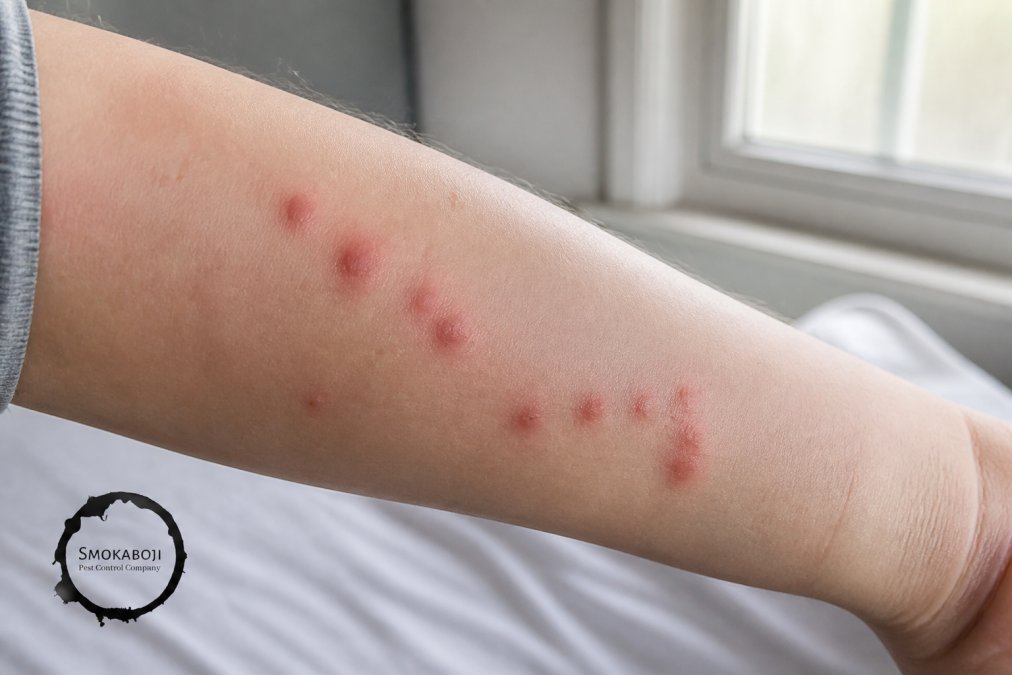
Bed bug bites appear as small, red, itchy welts on exposed skin, typically in clusters or lines. They usually develop within 1-3 days of exposure, though some people don't react visibly (the CDC).
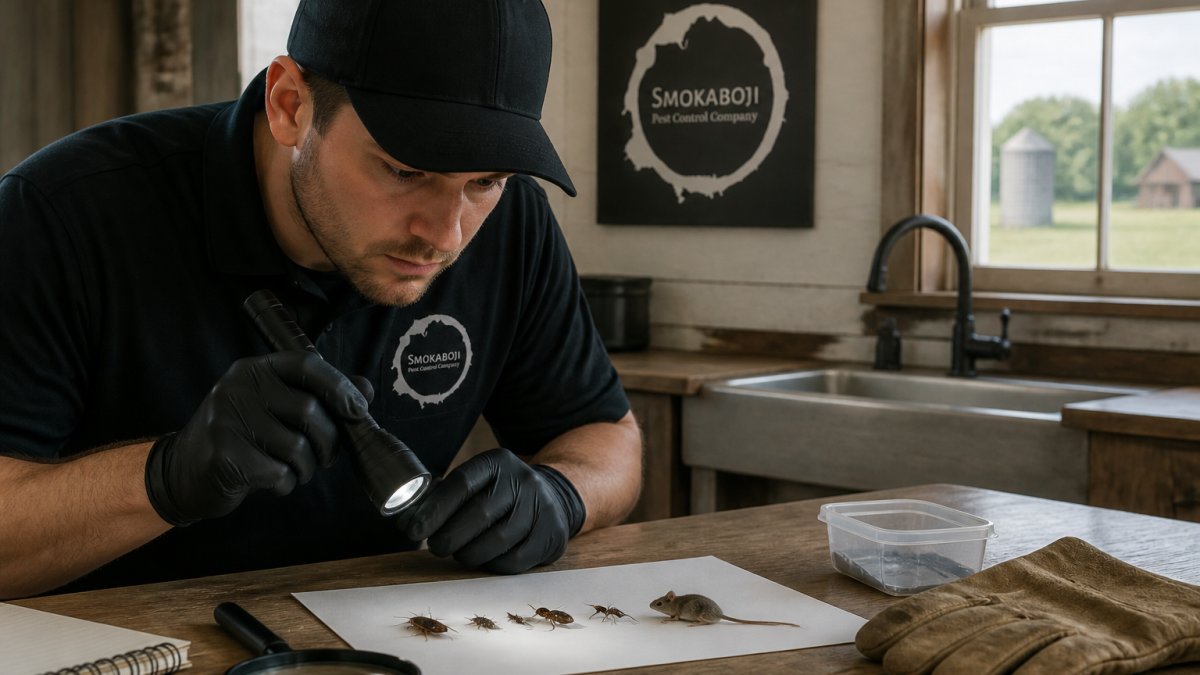
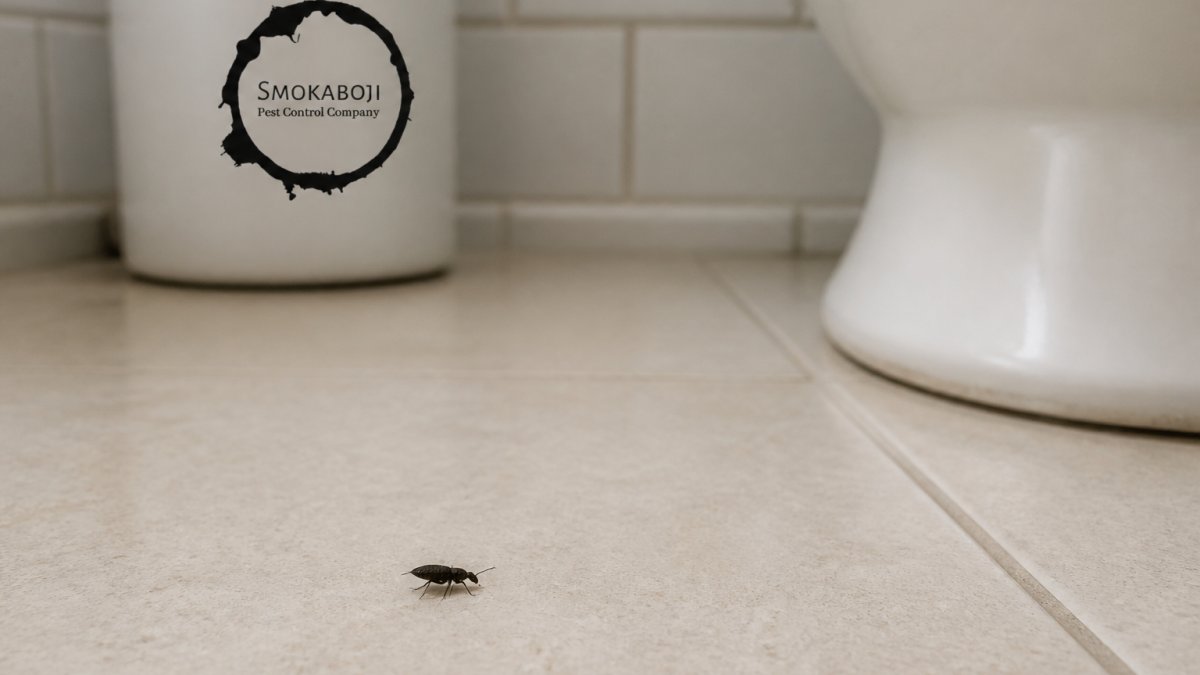
To confirm an actual infestation, find the insects themselves. Look for live bed bugs or evidence in mattress seams, bed frames, baseboards, and furniture crevices, dark fecal spots, shed skins (tan shells), or a musty odor. Use a flashlight and magnifying glass to inspect your mattress thoroughly, paying special attention to piping and seams. Document findings with photos to help professionals plan treatment.
Methods to Eliminate Bed Bugs: DIY and Professional Options
The best approach depends on infestation severity. For light infestations caught early, DIY methods combined with vigilance can work. For established infestations, professional intervention delivers faster, more reliable results.
Non-chemical monitoring and traps like ClimbUp Interceptor Traps detect bed bugs climbing onto furniture legs. These chemical-free devices won't eliminate an infestation alone but are valuable for early detection and ongoing monitoring, costing roughly $6.99 to $47.36 depending on the pack size.
Diatomaceous earth is a natural powder that dehydrates insects on contact. Apply it to cracks, crevices, and baseboards where bugs hide. It's non-toxic and long-lasting when dry, though results take 24-48 hours (the EPA).
Heat treatment offers one of the most effective elimination methods. DIY packages can heat entire rooms to lethal temperatures, killing all life stages including eggs in a single application. This chemical-free approach eliminates pesticide resistance concerns. Some packages, such as those from Thermal Flow Technologies, can range from approximately $2,499.00 to $9,729.00 for various square footage capacities.
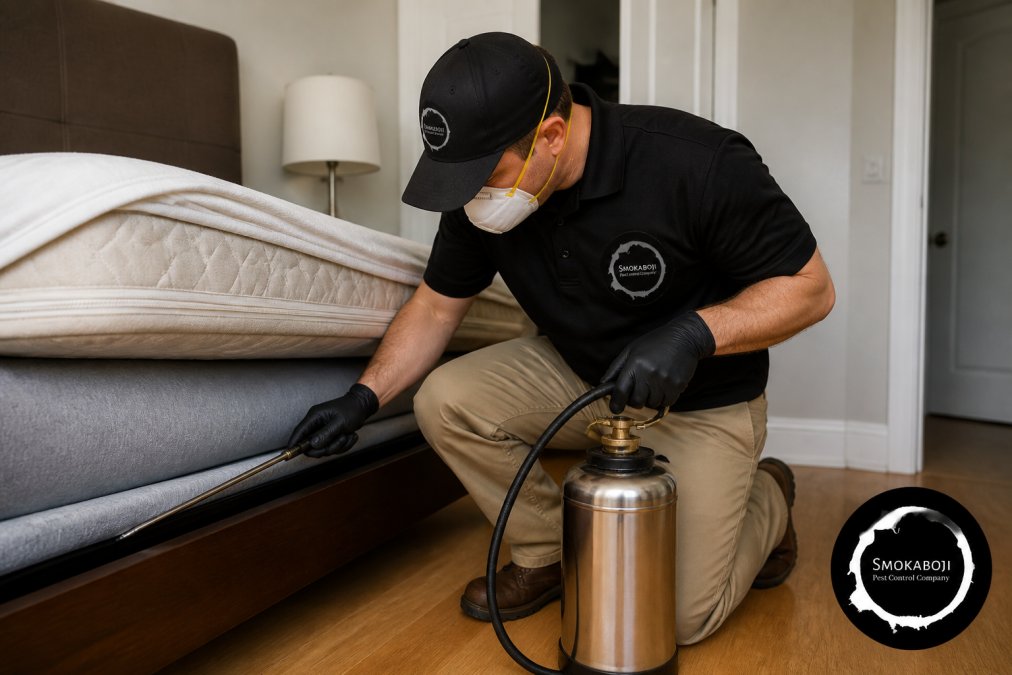
Professional bed bug extermination combines expertise with proven methods. Smokaboji Pest Control uses modern chemicals and integrated approaches tailored to your situation. Licensed technicians identify hiding spots you'd miss and provide follow-up monitoring to prevent re-infestation.
How to Prepare Your Home for Bed Bug Treatment
Proper preparation dramatically improves treatment effectiveness. Reduce clutter, wash all bedding and clothing in hot water on high heat, and vacuum thoroughly, especially mattresses, bed frames, baseboards, and furniture crevices. Seal the vacuum bag in plastic and dispose of it outside.
Seal cracks and crevices in walls and baseboards with caulk. Consider mattress and box spring encasements like Saferest Bed Bug Encasement to trap existing bugs while preventing new ones from entering; keep sealed for at least 12 months. These encasements can range from approximately $13.69 to $59.99, depending on size and specific features.
Follow your technician's specific instructions about vacating premises and preparing rooms. Most heat treatments require you to leave for several hours while the home reaches lethal temperatures.
Professional Bed Bug Extermination Cost and When to Call an Expert
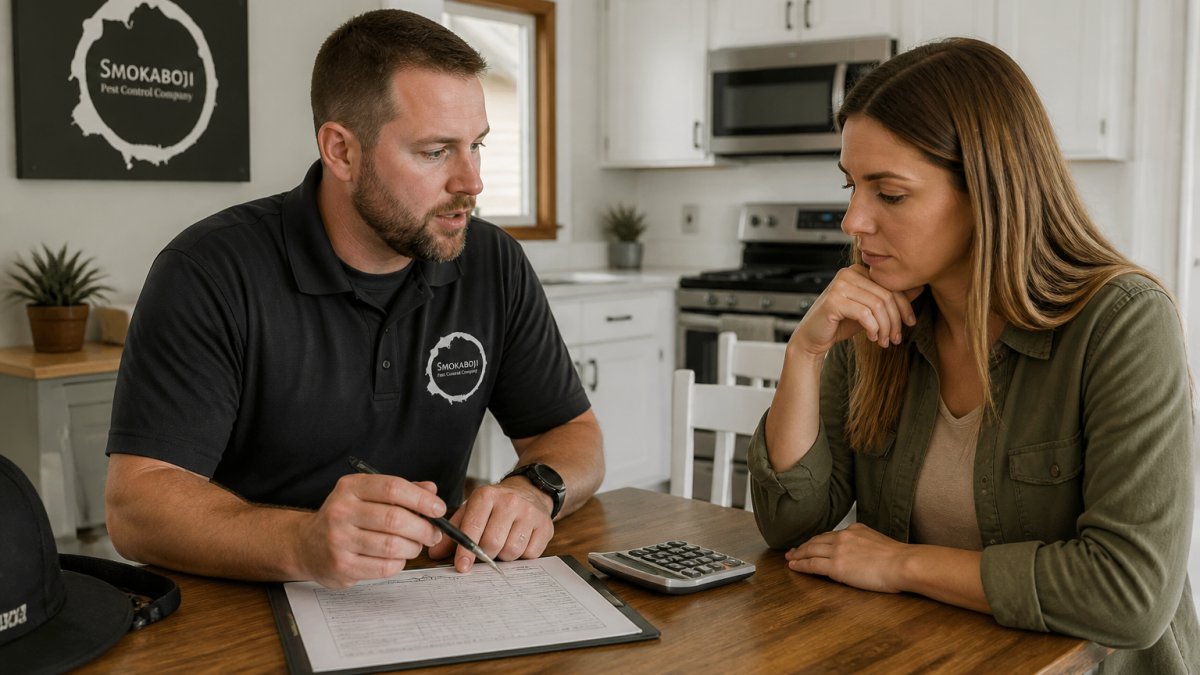
Professional costs vary based on infestation severity, home size, and treatment method. Heat treatment typically resolves infestations in one visit but requires significant upfront investment. Chemical treatments may need multiple visits spaced 7-14 days apart.
Call a professional immediately if DIY treatment fails after 2-3 weeks or if the infestation is widespread across multiple rooms. Smokaboji Pest Control provides customized treatment plans matching your infestation level, whether heat treatment, chemical application, or integrated methods, with follow-up monitoring.
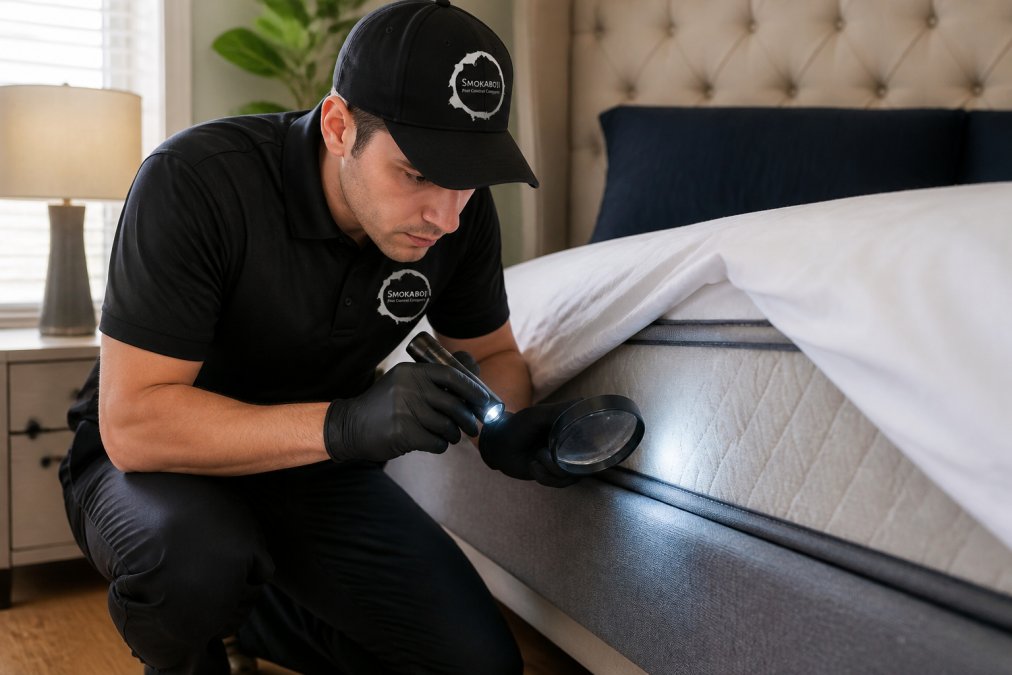
Post-treatment monitoring matters as much as initial elimination. Use interceptor traps under furniture legs for 2-3 months after treatment to catch survivors or re-infestations early. Inspect your mattress weekly and maintain reduced clutter to prevent new hiding spots.
=== FAQ ANSWERS (audit these too, same rules) ===
[1] Q: What is the fastest way to eliminate bed bugs? A: Heat treatment is the fastest method to eliminate bed bugs, killing all life stages including eggs in a single application. Professional thermal treatment raises room temperature to 118-122°F for several hours, achieving a high kill rate (peer-reviewed research). For smaller infestations, combining mattress encasements, diatomaceous earth in cracks and crevices, and regular vacuuming can show results within 2-3 weeks. However, severe infestations typically require professional intervention for effective eradication.
[2] Q: How do you know if bed bug treatment was successful? A: Monitor for bed bugs using interceptor traps placed under furniture legs for at least 2-3 weeks after treatment. Check for live bugs, shed skins, or fecal spots on mattresses and in hiding spots. No new bites appearing is a positive sign, but absence of bites alone doesn't confirm elimination since bed bugs may hide without feeding. Continue monitoring for 30 days post-treatment. If traps remain empty and no new evidence appears, treatment was likely successful, but many professionals recommend a follow-up inspection.
[3] Q: Are DIY bed bug treatments effective for severe infestations? A: DIY treatments can work for early-stage infestations but struggle with severe cases. Diatomaceous earth, encasements, and over-the-counter sprays address visible bugs but may miss nymphs and eggs hidden deep in walls, baseboards, and furniture. Pesticide resistance is common, reducing effectiveness. Severe infestations spanning multiple rooms typically require professional heat treatment or professional-grade chemical application. A licensed pest control technician can assess infestation severity and recommend the most effective approach for your situation.
Frequently Asked Questions
What is the fastest way to eliminate bed bugs?
Heat treatment is the fastest method to eliminate bed bugs, killing all life stages including eggs in a single application. Professional thermal treatment raises room temperature to 118-122°F for several hours, achieving a high kill rate. For smaller infestations, combining mattress encasements, diatomaceous earth in cracks and crevices, and regular vacuuming can show results within 2-3 weeks. However, severe infestations typically require professional intervention for effective eradication.
How do you know if bed bug treatment was successful?
Monitor for bed bugs using interceptor traps placed under furniture legs for at least 2-3 weeks after treatment. Check for live bugs, shed skins, or fecal spots on mattresses and in hiding spots. No new bites appearing is a positive sign, but absence of bites alone doesn't confirm elimination since bed bugs may hide without feeding. Continue monitoring for 30 days post-treatment. If traps remain empty and no new evidence appears, treatment was likely successful, but many professionals recommend a follow-up inspection.
Are DIY bed bug treatments effective for severe infestations?
DIY treatments can work for early-stage infestations but struggle with severe cases. Diatomaceous earth, encasements, and over-the-counter sprays address visible bugs but may miss nymphs and eggs hidden deep in walls, baseboards, and furniture. Pesticide resistance is common, reducing effectiveness. Severe infestations spanning multiple rooms typically require professional heat treatment or professional-grade chemical application. A licensed pest control technician can assess infestation severity and recommend the most effective approach for your situation.
Bed bug elimination requires persistence and the right approach for your specific situation. Early detection and swift action, whether DIY for light infestations or professional treatment for severe ones, prevent the problem from becoming entrenched. Smokaboji Pest Control brings licensed expertise and proven methods to eliminate bed bugs completely and protect your home from re-infestation with preventative maintenance plans.
This article was written using GrandRanker